
Twelve animals, eight patron Buddhas, one for the year you were born.
In Chinese temples, people look for the Buddha or Bodhisattva of their birth year, their běnmìng fó. They light incense before that image, and many carry a small pendant of it through the year.
The year turns at the Spring Festival
The lunar new year, counted in China’s own time zone. Some years it falls a day after Tết.
January can still be the old year
Born before the Spring Festival, you belong to the animal of the year before.
Eight patrons for twelve animals
Some keep two animals. The same eight guardians later travelled to Japan.
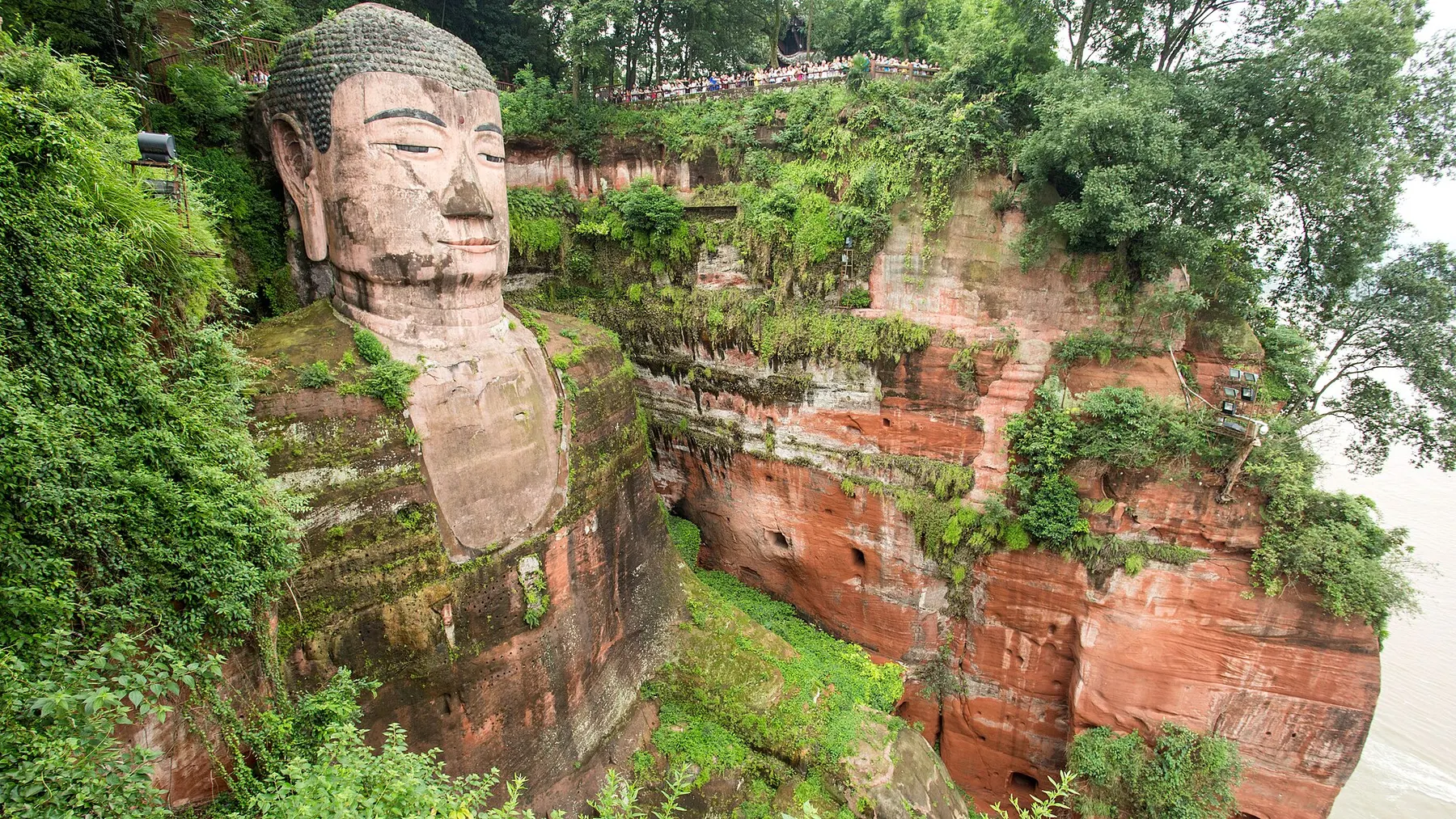
Leshan Giant Buddha, Sichuan. Carved into the cliff over ninety years.
The great vehicle
China received Buddhism from India along the Silk Road and made it its own. Chan, the root of Zen, was born here.
For centuries monks crossed the deserts between India and China, and translators worked in great teams to bring the sutras into Chinese. Their words still shape the Buddhism of Korea, Japan and Vietnam.
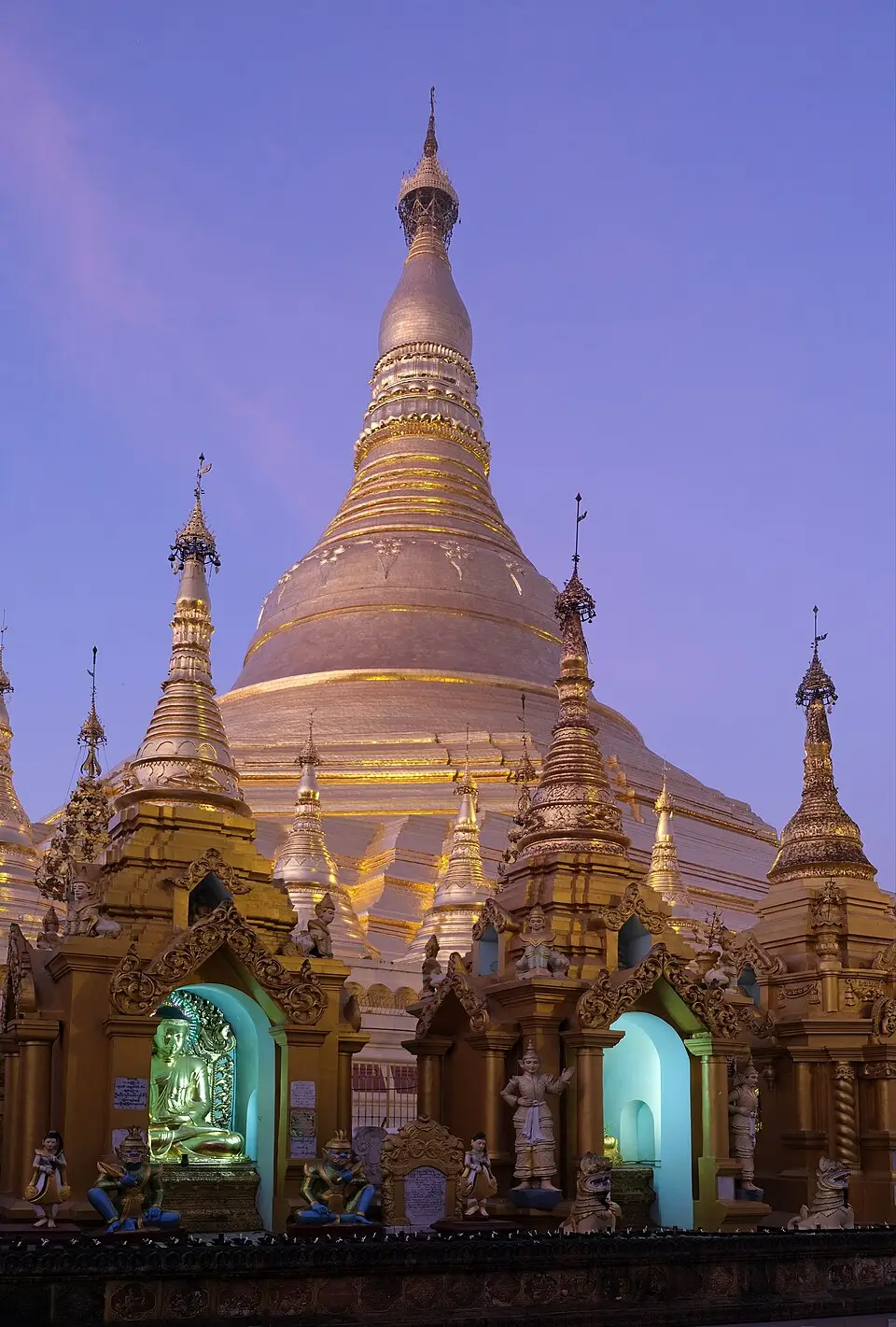
Most Chinese temples today join Chan meditation with Pure Land chanting of Āmítuó Fó. Four mountains belong to four Bodhisattvas: Wǔtái to Wénshū, Éméi to Pǔxián, Pǔtuó to Guānyīn and Jiǔhuá to Dìzàng.
The patron Buddha of the birth year, běnmìng fó, is a folk custom found in temples and homes. Many people wear a small pendant of their patron, especially in their own zodiac year.
- 1st century
Tradition says Emperor Ming of Han dreamed of a golden figure and sent envoys west. The White Horse Temple in Luoyang is held to be China’s first.
- 148
An Shigao, a prince of Parthia who became a monk, begins translating sutras in Luoyang.
- 401
Kumārajīva arrives in Chang’an. His translations of the Lotus and Diamond Sutras are still the ones people chant.
- 629–645
Xuanzang walks to India and back, bringing 657 texts, and spends the rest of his life translating them.
- 7th–8th century
Chan flowers under Huineng, the Sixth Patriarch, while Tiantai and Huayan build great systems of thought.
Kumārajīva
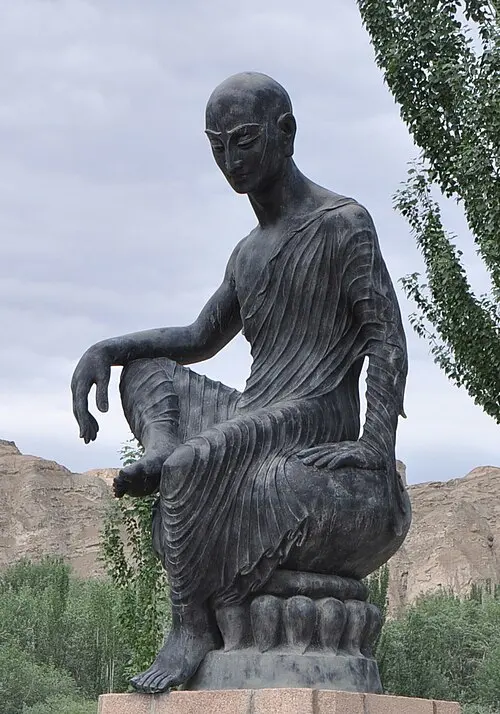
A translator from Kucha whose clear Chinese made the great sutras part of daily life.
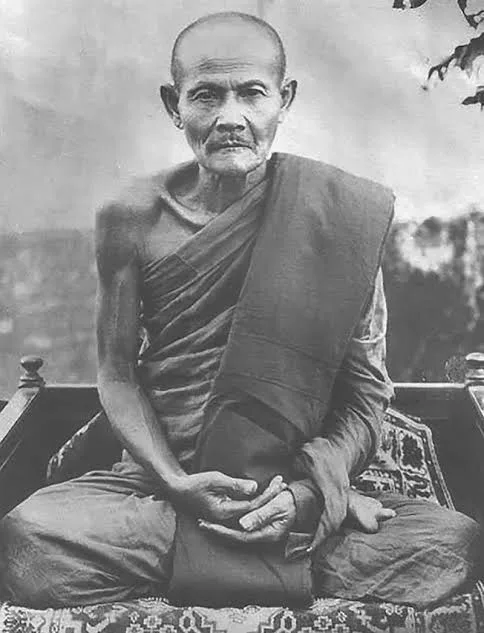
Read about him 334–416 or 417Huiyuan
Founded a community on Mount Lu devoted to Amitābha, remembered as the first patriarch of Pure Land.
Read about him 638–713Huineng
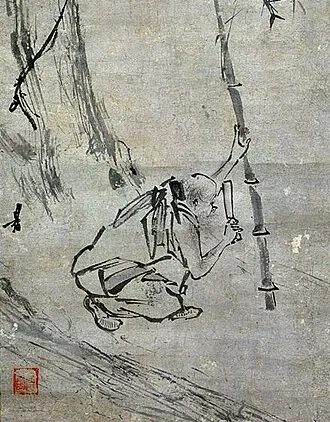
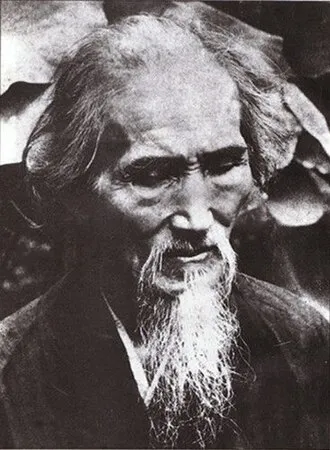
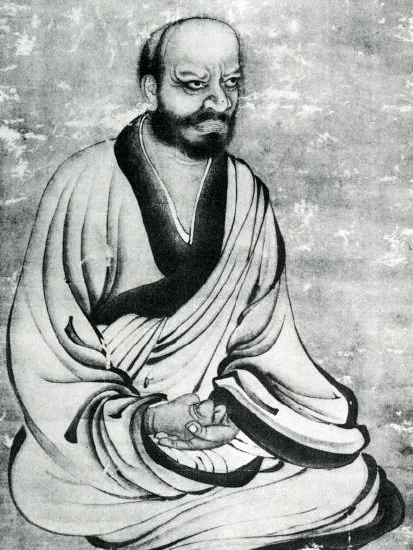
The Sixth Patriarch of Chan, who taught that awakening can come all at once, here and now.
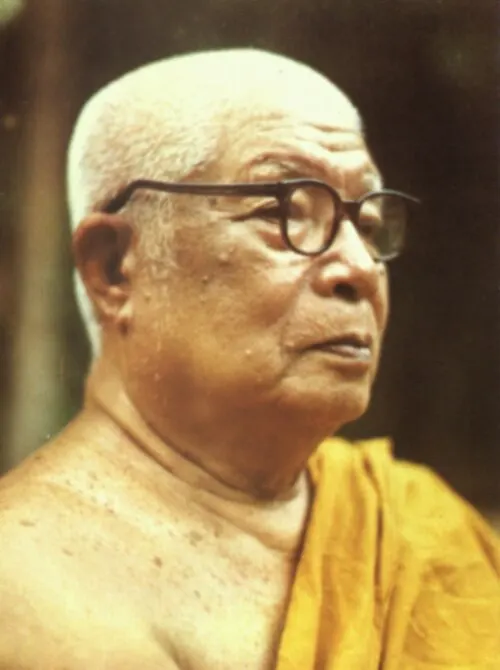
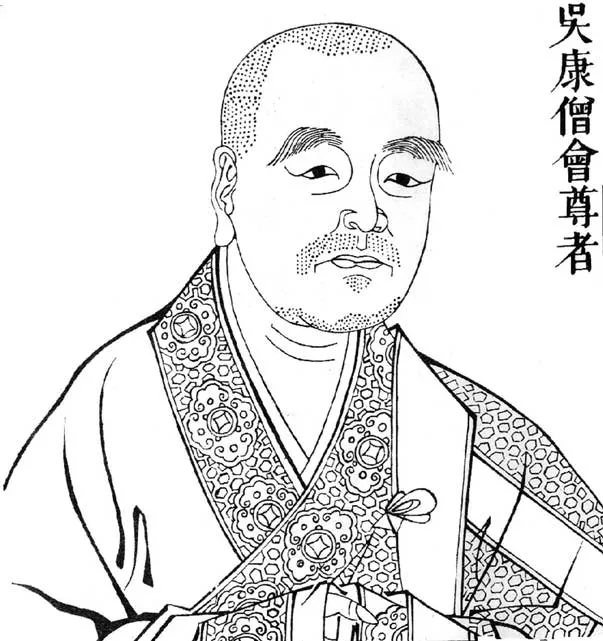
Read about him said 1840–1959Xuyun
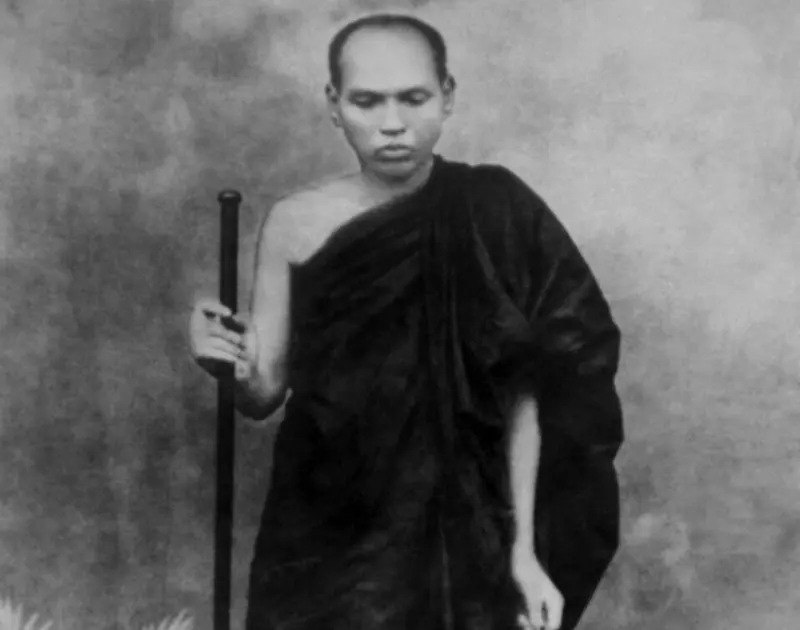
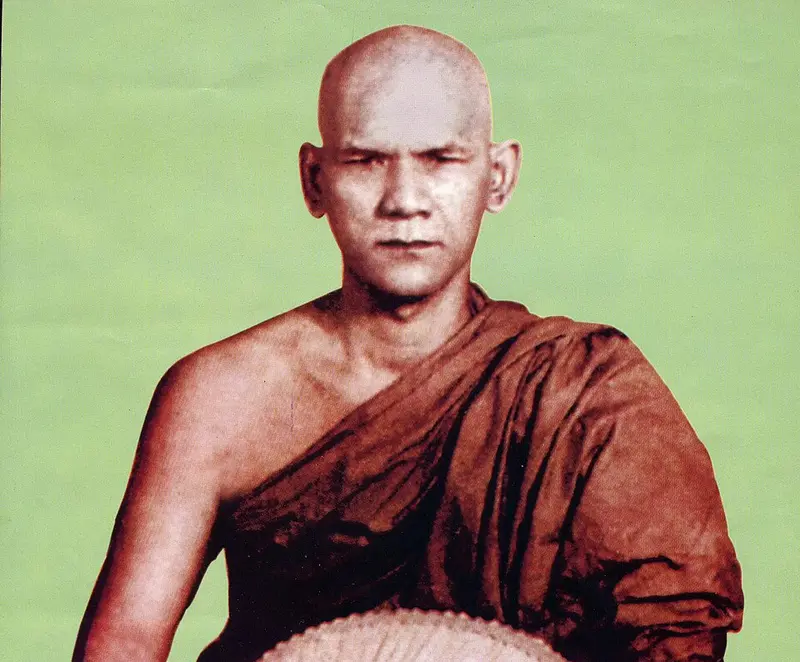
A Chan master who rebuilt ruined monasteries and renewed the five houses of Chan in modern China.
Read about him died 866 or 867Linji Yixuan
Chan master of Hebei, famed for his shout, whose school became Rinzai in Japan and Lâm Tế in Vietnam.
Read about himThe patron of each animal, and what they stand for.

Pick a patron to read its story.
Compassion with a thousand hands
Wisdom as wide as the sky
Clear, discerning wisdom
Wisdom carried into action
The strength of insight
The great sun at the center
Unshakable resolve
Infinite light
The Rabbit and the Ox, where Vietnam sees a Cat and a Buffalo.
Pick an animal to meet it.
Incense rises the same way in every temple. Slowly, and without trying.