



Tibet · The path behind it

Padmasambhava

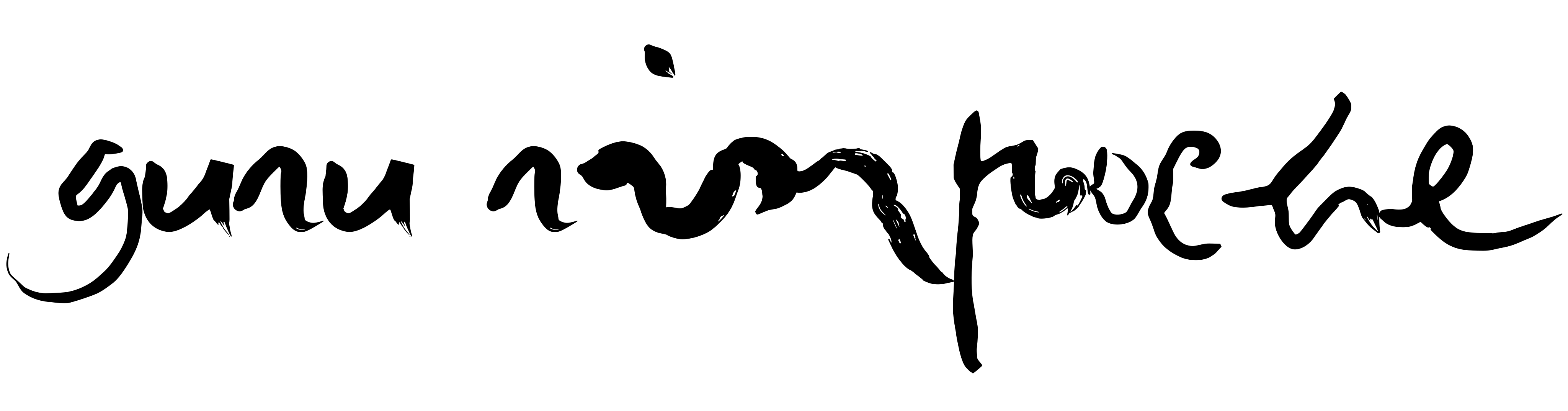
པདྨ་འབྱུང་གནས Padmākara · Guru Rinpoche · 8th century

The Lotus-Born master who, as the Tibetans tell it, tamed the gods of the land so the first monastery could stand.

Vajrayana · Nyingma

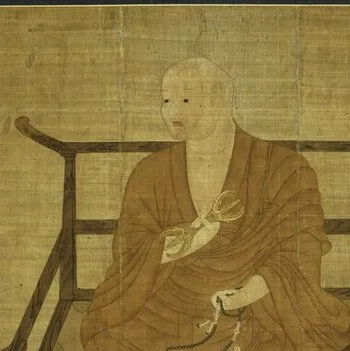
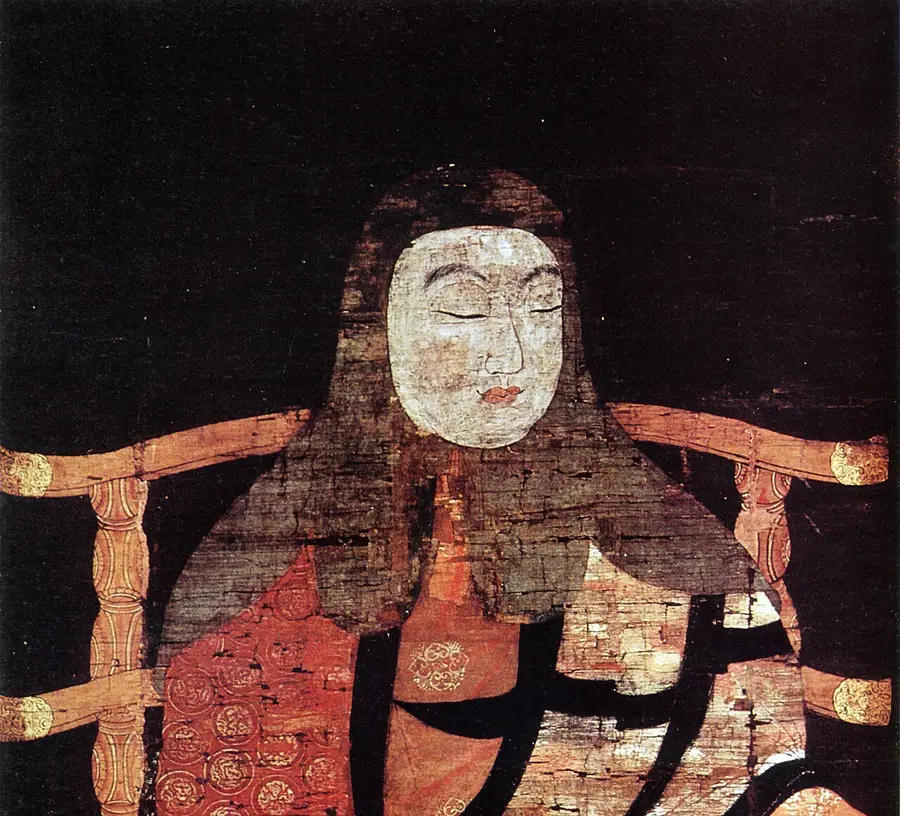
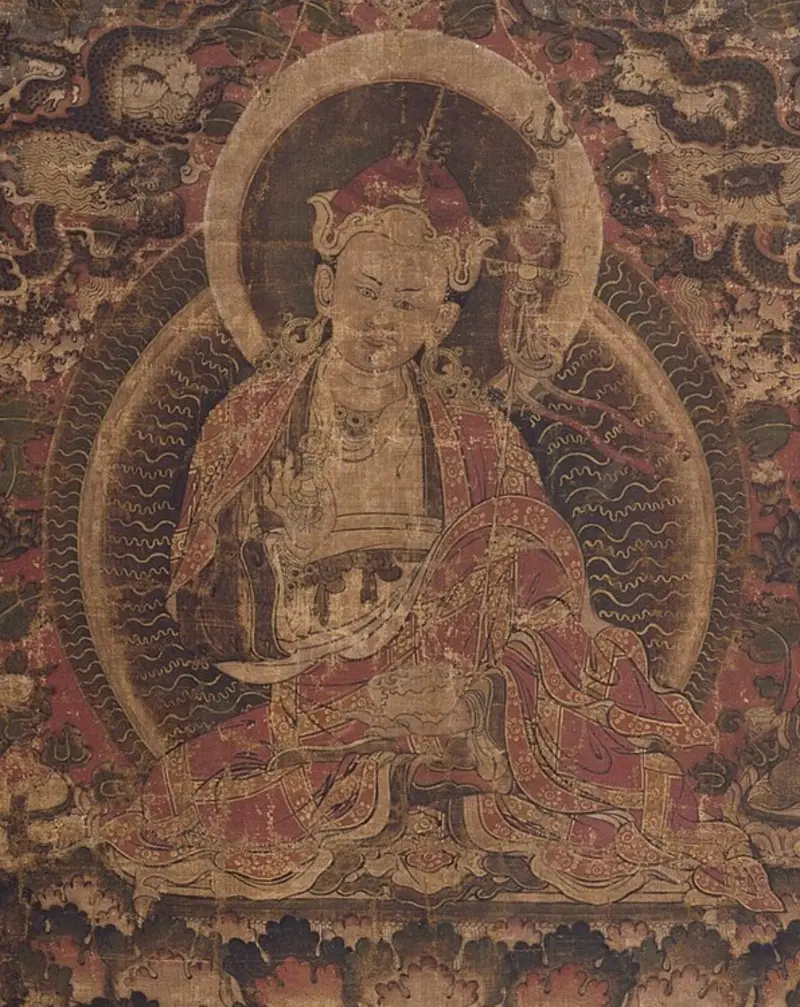
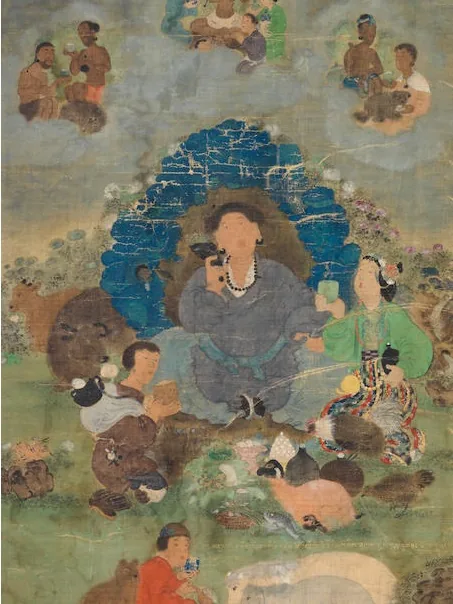
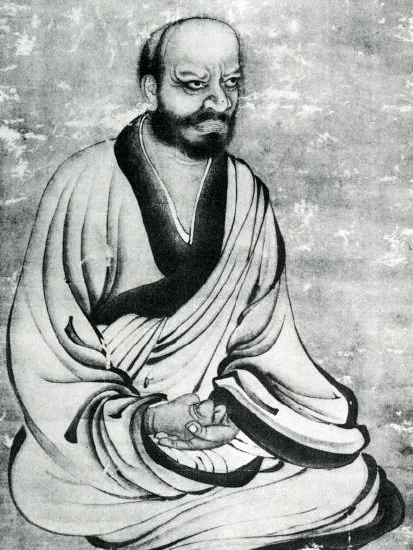
Padmasambhava seated in a halo, from an old Tibetan painting in the Los Angeles County Museum of Art

Padmasambhava, honoured as Guru Rinpoche, is the Indian tantric master who, according to early Tibetan sources, came to Tibet in the 8th century during the reign of King Trisong Detsen and helped found Samye, the first Buddhist monastery there. Scholars now cautiously accept him as historical; most of his life story comes from later biographies.

Why he matters

The Second Buddha

For the Nyingma, the oldest school of Tibetan Buddhism, he is its founding figure, and many Tibetans call him a second Buddha.

Samye

The early chronicle known as the Testament of Ba links him to the building of Samye, the first monastery in Tibet.

The treasures

Later tradition holds that he hid teachings, called terma, to be found by revealers in future centuries. Whole libraries of Tibetan practice come from them.

His life

What history can say, and what the later biographies tell. The two are kept apart here. Scroll, and walk it with him.

  1. Tradition

    The later biographies say he was born from a lotus in a lake in Oḍḍiyāna, a land whose location is still debated.

  2. 755

    Trisong Detsen begins his reign over the Tibetan empire. He invites the Indian abbot Śāntarakṣita to spread the teaching and found a monastery.

  3. Samye

    When floods and lightning are taken as signs that the local gods resist, the Testament of Ba says, the tantric master Padmasambhava is invited.

  4. Samye

    Samye is built, the first Buddhist monastery in Tibet.

  5. Dunhuang

    Among the oldest sources, manuscripts from the caves of Dunhuang name a Padmasambhava who tames demons with kīla rituals.

  6. 12th century

    Nyangral Nyima Özer writes the earliest full biography of the guru.

  7. 1352

    Orgyen Lingpa reveals the Padma Kathang, the life story in which his full cycle of deeds first appears.

What he taught

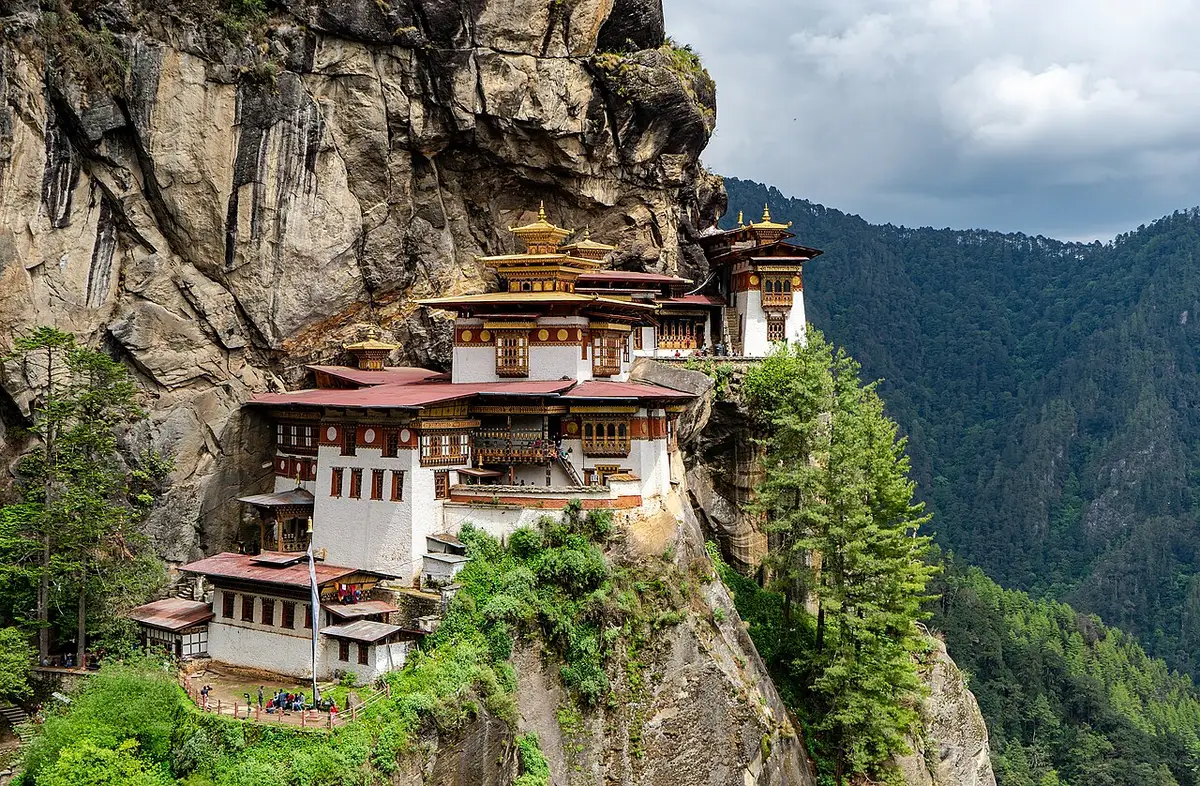
Paro Taktsang, the Tiger’s Nest monastery in Bhutan, built at a cave linked to him by tradition
Teaching 01 · Breath

Taming the land

In the Tibetan telling, the gods and spirits of the land resisted the new teaching. He tamed them, and they became oath-bound protectors of the Dharma.

It is a story about turning what opposes you into what guards you.

From Wikipedia: Padmasambhava, citing Lewis Doney (Brill’s Encyclopedia of Buddhism) and the Testament of Ba
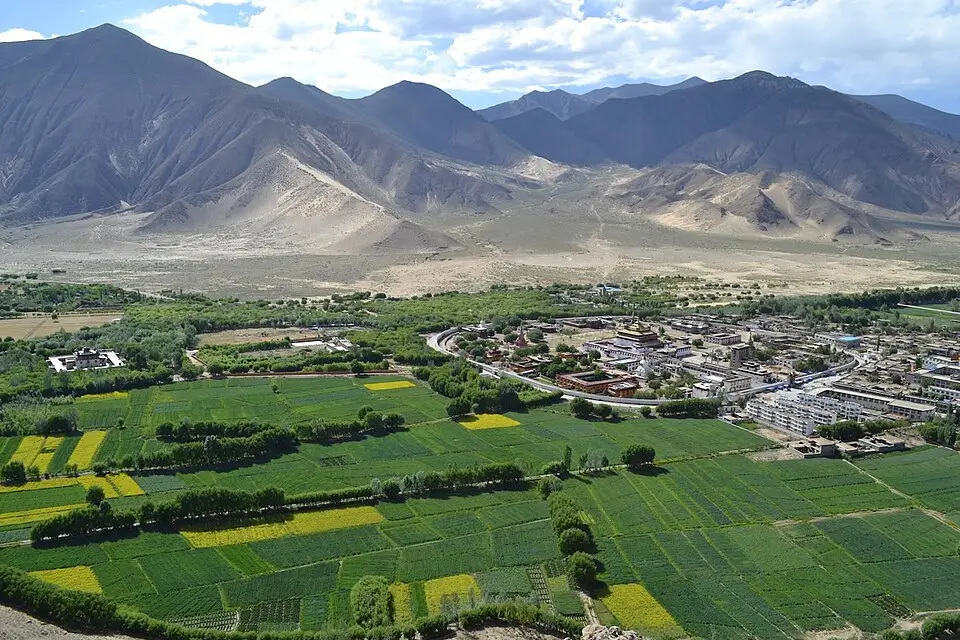
The valley of Samye in Tibet, with the monastery among fields
Teaching 02 · Movement

Samye

Samye was the first Buddhist monastery in Tibet, built under King Trisong Detsen with the abbot Śāntarakṣita.

Tibetan tradition credits the three of them with beginning the translation of the Buddha’s teachings and their commentaries into Tibetan.

From Wikipedia: Padmasambhava, citing Lewis Doney (Brill’s Encyclopedia of Buddhism) and the Testament of Ba
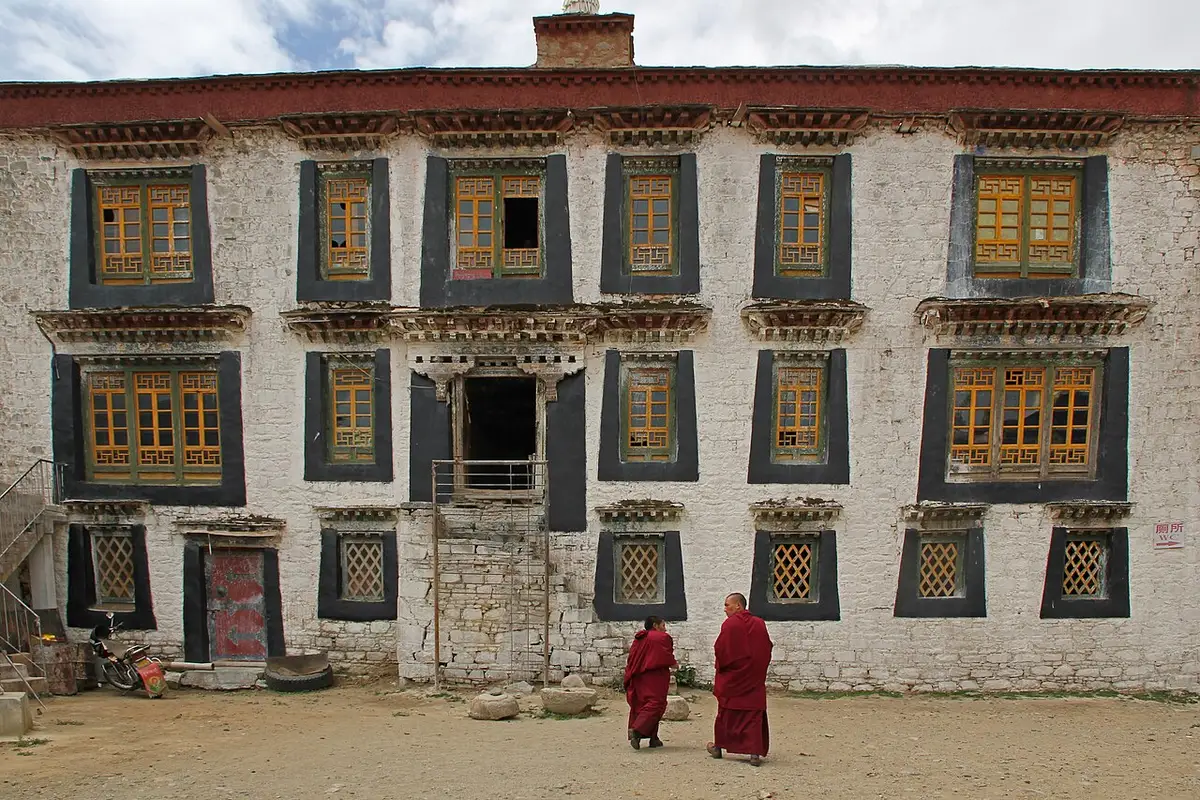
Two monks in front of a building at Samye
Teaching 03 · Stillness

Hidden treasures

Later tradition holds that he concealed teachings, called terma, to be found by revealers, the tertön, when the time was right.

The Tibetan Book of the Dead is one of them: by its own tradition it was hidden away and later brought to light by Rigzin Karma Lingpa.

From Wikipedia: Padmasambhava, citing Lewis Doney (Brill’s Encyclopedia of Buddhism) and the Testament of Ba
And two more
Teaching 04

History or legend?

Earlier scholars doubted that he existed. Today, says the Tibetologist Lewis Doney, his historical authenticity is cautiously accepted, while the rich details of his life come from later centuries.

Wikipedia: Padmasambhava, citing Lewis Doney (Brill’s Encyclopedia of Buddhism) and the Testament of Ba

Teaching 05

Guru Rinpoche

Across Tibet, Bhutan and the Himalaya he is simply the Precious Guru. Caves, lakes and rocks along the mountains are remembered as places where he meditated.

Wikipedia: Padmasambhava, citing Lewis Doney (Brill’s Encyclopedia of Buddhism) and the Testament of Ba

Thine own consciousness, shining, void, and inseparable from the Great Body of Radiance, hath no birth, nor death.

Padmasambhava · the Bardo Thödol, a treasure text attributed to him, in The Tibetan Book of the Dead (Bardo Thödol), tr. Lama Kazi Dawa-Samdup, ed. W. Y. Evans-Wentz, 1927
For your week · Movement

When an obstacle appears in your training this week, do not fight it at first. Name it, and ask what it could protect.

Where it happened
  • OḍḍiyānaHis homeland in the biographies; its location is debated.
  • Samye, TibetThe first Buddhist monastery in Tibet.
  • Paro Taktsang, BhutanA cave where he meditated, by tradition.
  • Dunhuang, ChinaEarly manuscripts that mention him.
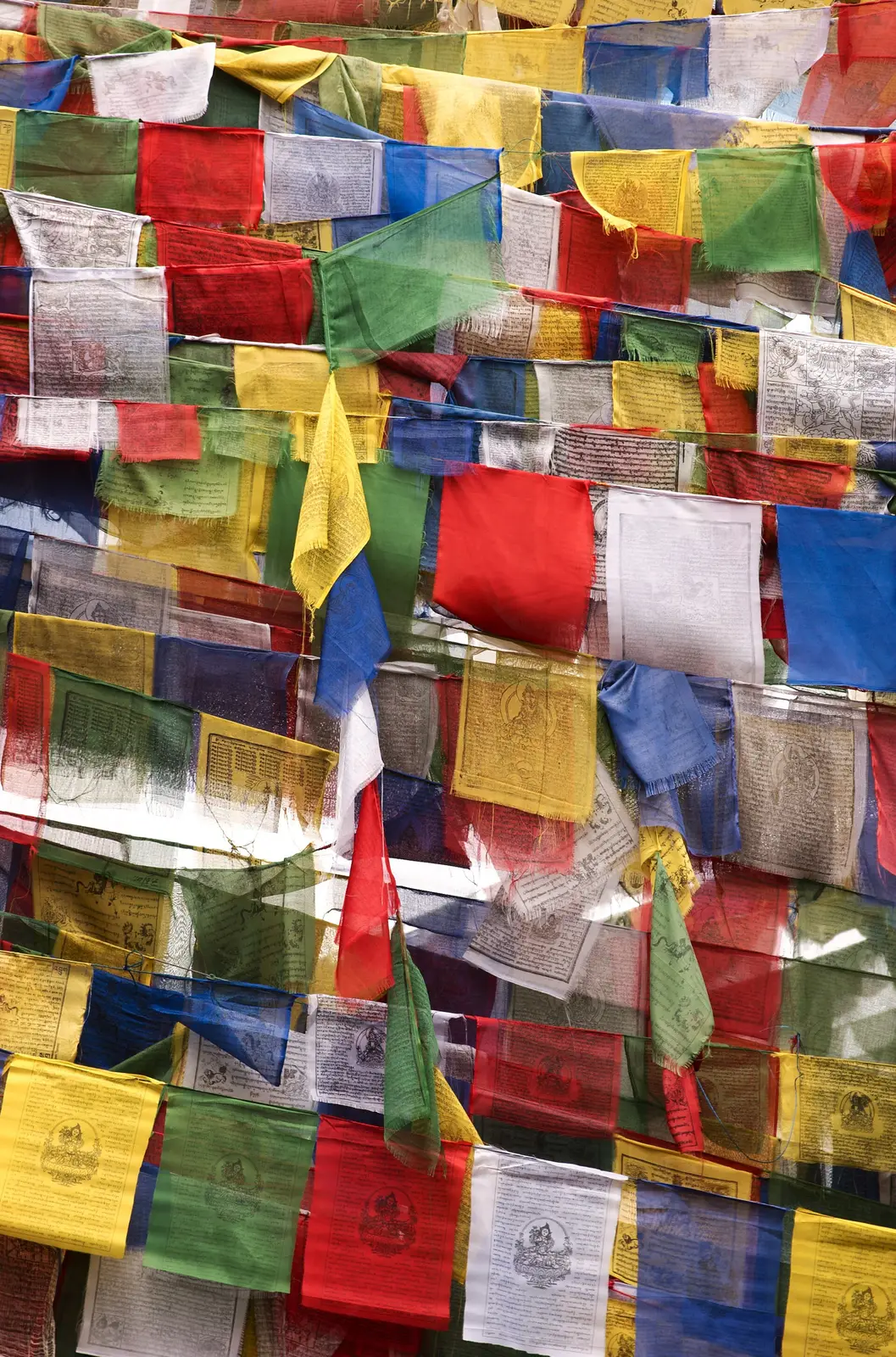
Prayer flags on a mountain pass
What remains

The Nyingma school traces itself to him, and across Tibet, Bhutan and the Himalaya he is honoured as the Precious Guru.

Next teacher Atiśa Dīpaṃkara Back to · Lo-khor and Mewa Tibet