




Thailand · The path behind it

Buddhadāsa Bhikkhu

พุทธทาสภิกขุ Indapañño · Ajahn Buddhadāsa · 1906–1993

A shopkeeper’s son from Chaiya who left Bangkok for an abandoned monastery in the woods, and called it the Garden of Liberation.

Theravada · Suan Mokkh

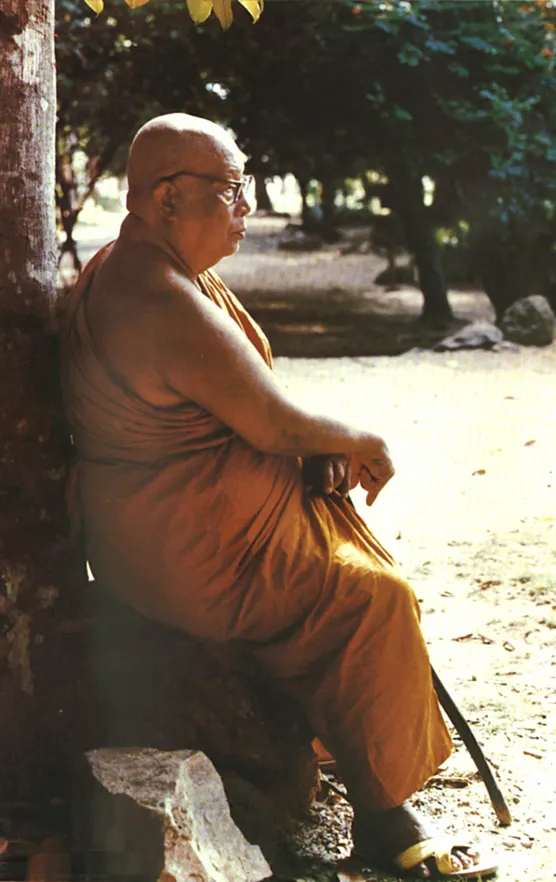
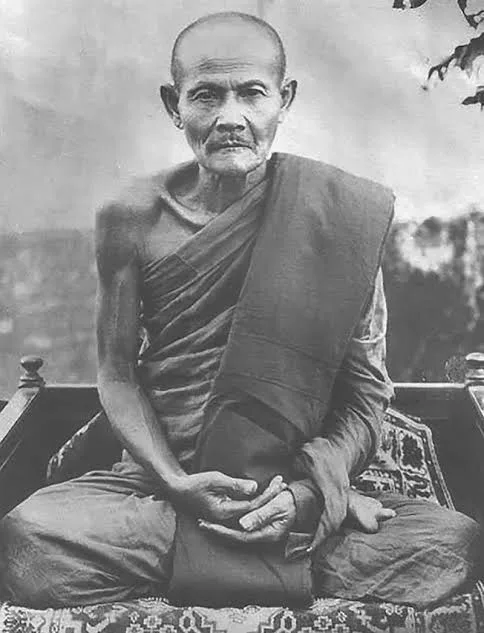
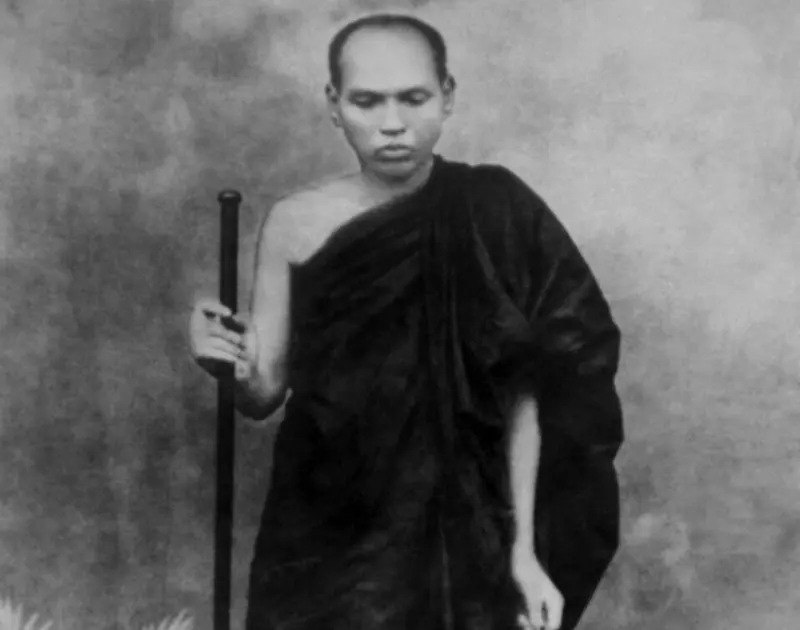
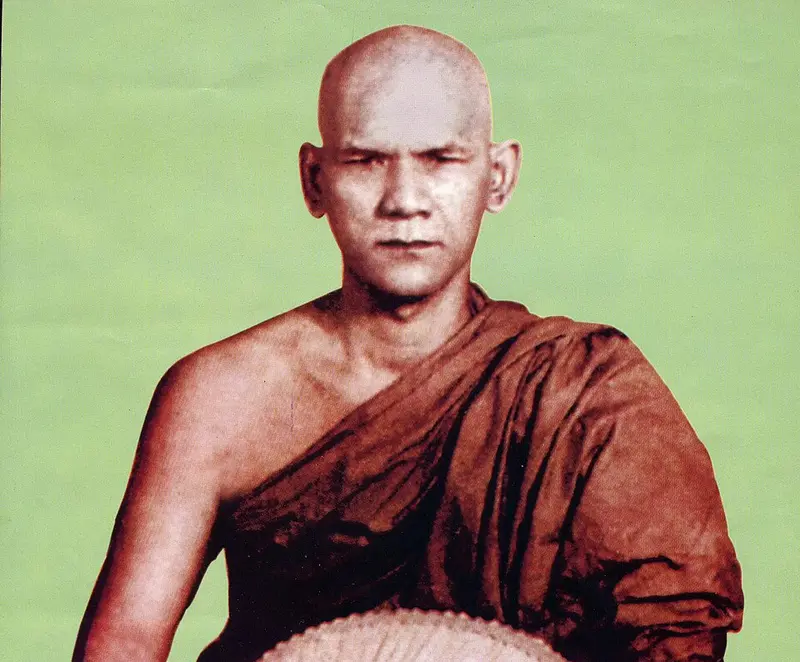
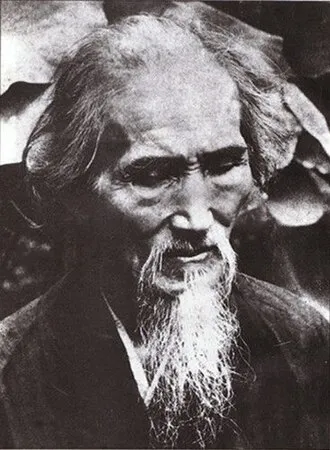
Buddhadāsa Bhikkhu, seated, in a portrait photograph

Buddhadāsa Bhikkhu (1906–1993) was a Thai Buddhist monk and reformer who founded Suan Mokkh, a forest monastery near his home town of Chaiya, in 1932. Working from the Buddha’s own discourses, he taught that the heart of Buddhism is a mind empty of “I” and “mine”, lived in everyday work and life.

Why he matters

Back to the source

He studied the Pali texts, above all the Buddha’s discourses, tested them in his own practice, and taught what he found truly ends suffering. Ritual and clerical politics he left aside.

A garden, not a city

A few years of study in Bangkok convinced him that purity is not found in the big city. Suan Mokkh, founded in 1932, was the first forest monastery of modern southern Thailand.

A friend of every faith

He studied the other great religions as closely as his own, and found friends and students among their followers, Christians above all.

His life

From a family shop in Chaiya to a forest that became a school for the world. Scroll, and walk it with him.

  1. 1906

    Born on 27 May in Ban Phumriang, in the Chaiya district of southern Thailand, and named Ngueam. His father, Siang Phanit, keeps a shop; his mother, Khluean, is Southern Thai.

  2. Youth

    Spends his boyhood years as a temple boy at the monastery of Phumriang, where he learns to read and write. After his father dies, he works in the family business.

  3. 1926

    Ordained as a monk on 29 July, at twenty, with the name Indapañño.

  4. Bangkok

    Studies Dhamma and Pali in the capital, and finds its crowded monasteries far from the life the Buddha taught.

  5. 1932

    Comes home and, with his younger brother and a few friends, moves into an abandoned monastery in the woods near Phumriang. He calls it Suan Mokkh and himself Buddhadāsa, servant of the Buddha.

  6. Golden Buddha Hill

    When the first site grows too small, Suan Mokkh moves to its present forest, the old Wat Than Nam Lai, named after the stream that runs down from Nang E Hill.

  7. 1961

    Gives three talks to a Dhamma study group at Siriraj Hospital in Bangkok on the mind empty of “I” and “mine”, later printed as Heart-wood from the Bo Tree.

  8. 1967

    On 27 January, in Bangkok, gives the informal talk that becomes No Religion.

  9. Last years

    Plans an International Dhamma Hermitage across the highway from Suan Mokkh, for courses that introduce visitors from abroad to Buddhist practice.

  10. 1993

    On 25 May, writing notes for a talk on his 87th birthday, he suffers a stroke. He dies at Suan Mokkh on 8 July. His will asks for a simple funeral.

What he taught

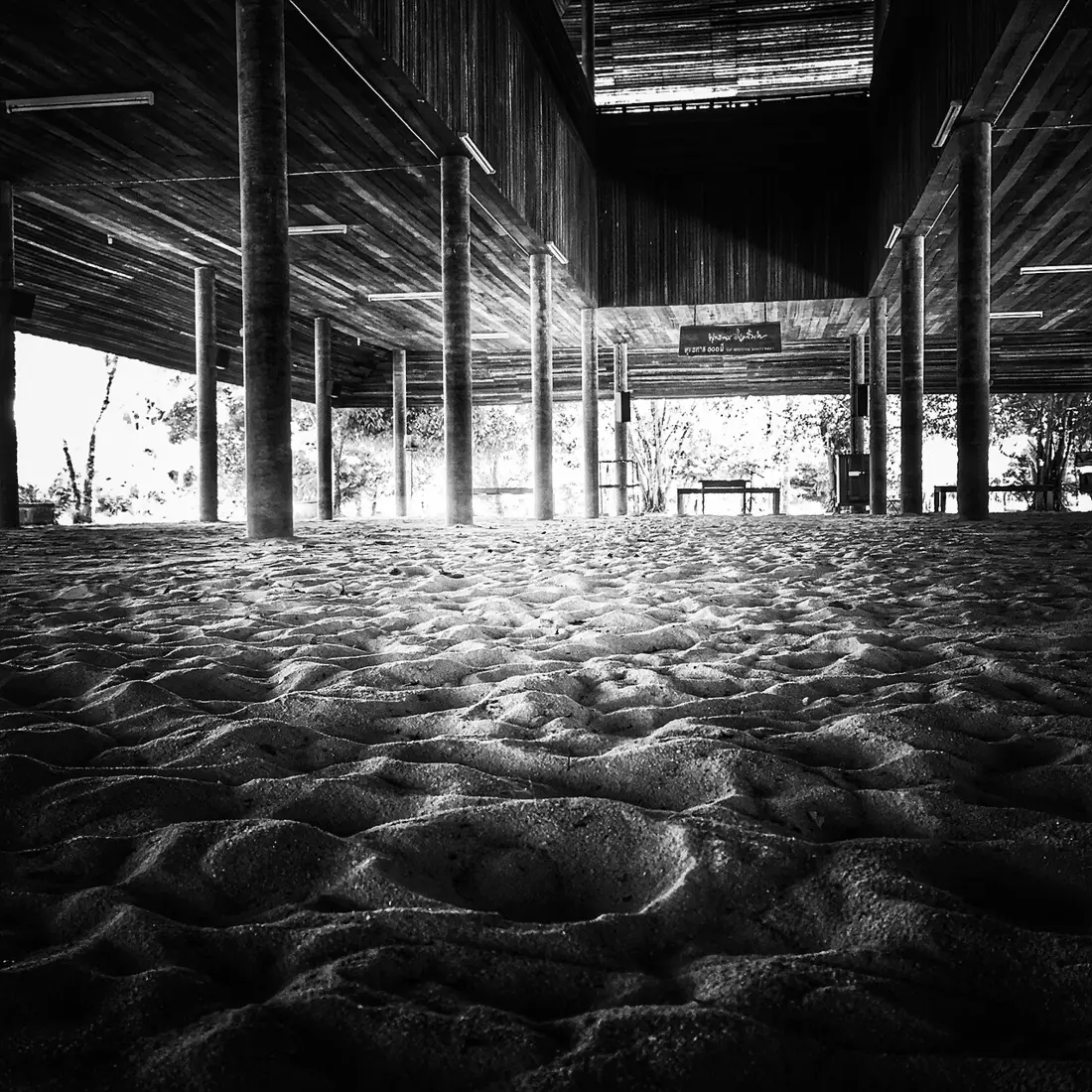
The sand floor of the hall at the International Dhamma Hermitage of Suan Mokkh, where mindfulness with breathing is taught
Teaching 01 · Breath

An empty mind

Empty, for him, never meant blank or lazy. It means a mind free of the feeling of “I” and “mine”, clear and able to do its work well.

He called this the heart-wood of the Buddha’s teaching, and measured virtue, meditation and wisdom against it.

From Heart-wood from the Bo Tree, talks of 1961 (Suan Usom Foundation, 1985)

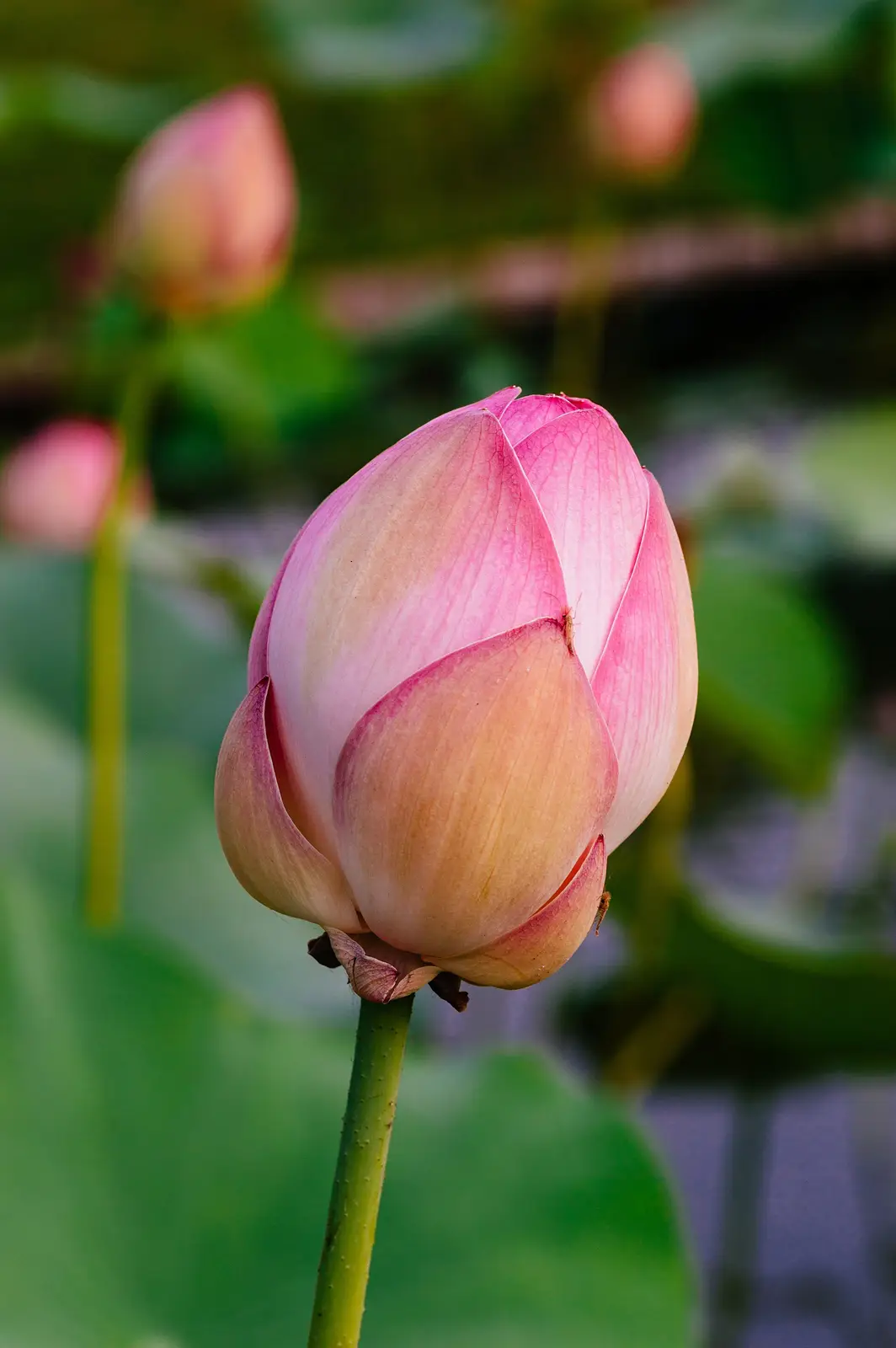
A lotus bud on its stem
Teaching 02 · Movement

Birth after birth

He read birth, in the chain of dependent arising, as something that happens many times a day: each time a contact with the world turns into “I want” and “this is mine”.

To see that moment clearly, and let it pass, is the practice.

From Heart-wood from the Bo Tree, talks of 1961 (Suan Usom Foundation, 1985)

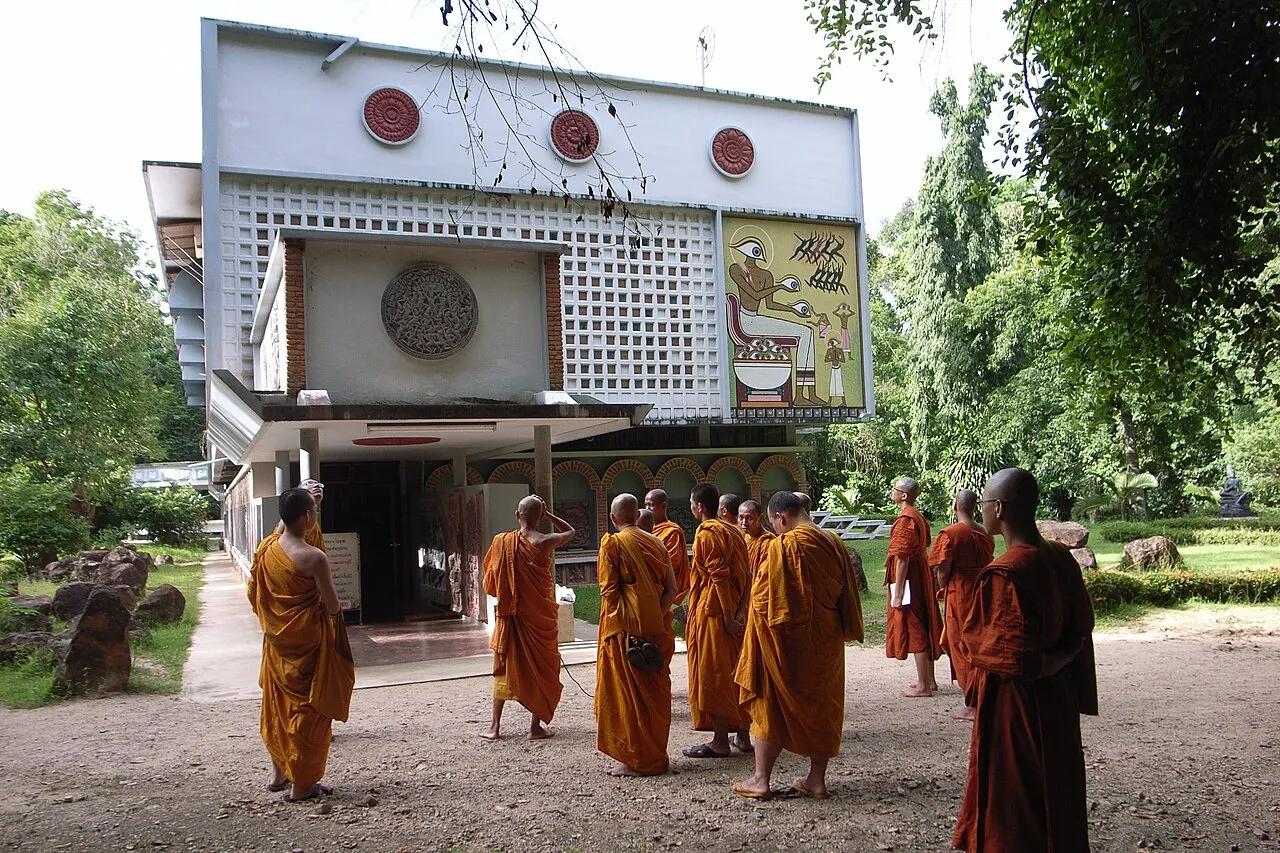
Monks outside the Spiritual Theatre at Suan Mokkh, whose murals draw on Buddhism and on other religions
Teaching 03 · Stillness

All religions

He spoke of two languages: the everyday words of people, and the language of Dhamma, which points to what happens in the mind.

In Dhamma language, he said, the names that divide the religions fall away.

From No Religion, a talk of 27 January 1967, tr. Bhikkhu Punno

And two more
Teaching 04

People language, Dhamma language

The same word can mean two things. “Birth”, “God” or “the Buddha” name outer things in people language, and states of mind in Dhamma language. Many arguments end when you hear which one is spoken.

From No Religion, a talk of 27 January 1967, tr. Bhikkhu Punno

Teaching 05

Mindfulness with breathing

Ānāpānasati, quiet attention to the breath, was the practice he taught most, and the subject of one of his best known books, Mindfulness with Breathing.

Santikaro Bhikkhu, The Garden of Liberation, 1988

Wherever the mind is free of I and mine, the Buddha, the Dhamma and the Sangha are right there.

Retold from Heart-wood from the Bo Tree, talks of 1961
For your week · Movement

When a thought says “mine” this week, notice it begin and notice it fade. One birth, one ending, and nothing you need to hold.

His day

Buddhadāsa Bhikkhu was born on 27 May 1906, a Sunday. Here is that day, read by the same calculator as yours.

อาทิตย์ Thailand · Sunday · Red

Gazing at the Bodhi Tree

Standing, hands folded, eyes resting on the tree of awakening.

တနင်္ဂနွေ Myanmar · Sunday

Garuda

Sun · Northeast

Bính Ngọ Lunar year · Bǐng Wǔ

Fire Horse

The year turns at the lunar new year, as for everyone.

Read your own day

Where it happened
  • Ban Phumriang, ChaiyaWhere he was born, in 1906.
  • BangkokHis years of study as a young monk, and many talks later in life.
  • The first Suan Mokkh, near PhumriangAn abandoned monastery in the woods, from 1932.
  • Wat Than Nam Lai, ChaiyaSuan Mokkh today, and where he died, in 1993.
  • International Dhamma HermitageAcross the highway, for visitors from abroad.
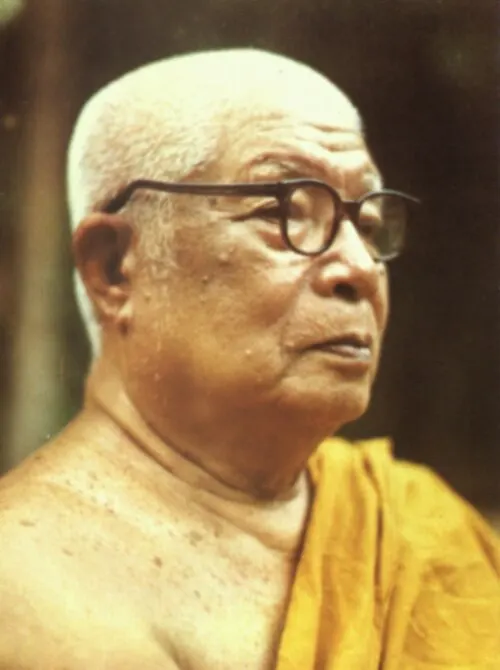
Buddhadāsa Bhikkhu in his later years, seated against a tree
What remains

Suan Mokkh still lives in its forest below Golden Buddha Hill, and the hermitage he planned across the highway welcomes people from abroad. His books, written and transcribed from talks, are read all over Thailand.

Read him yourself
  • Heart-wood from the Bo Tree Three talks of 1961 on the mind empty of “I” and “mine”. Printed for free distribution.
  • No Religion His 1967 talk on people language and Dhamma language. Free.
  • Handbook for Mankind His best known introduction to Buddhist practice.
  • Mindfulness with Breathing His manual of ānāpānasati, translated by Santikaro Bhikkhu.
Sources
Other teachers of Thailand
Next teacher King Mongkut Back to · Phra Prajam Wan Thailand