






Vietnam · The path behind it

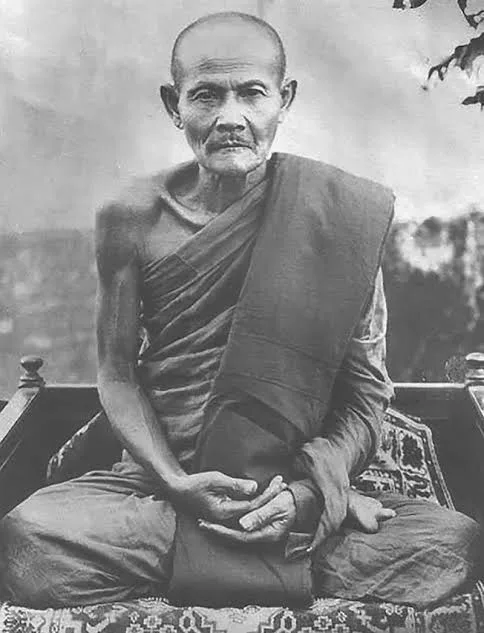
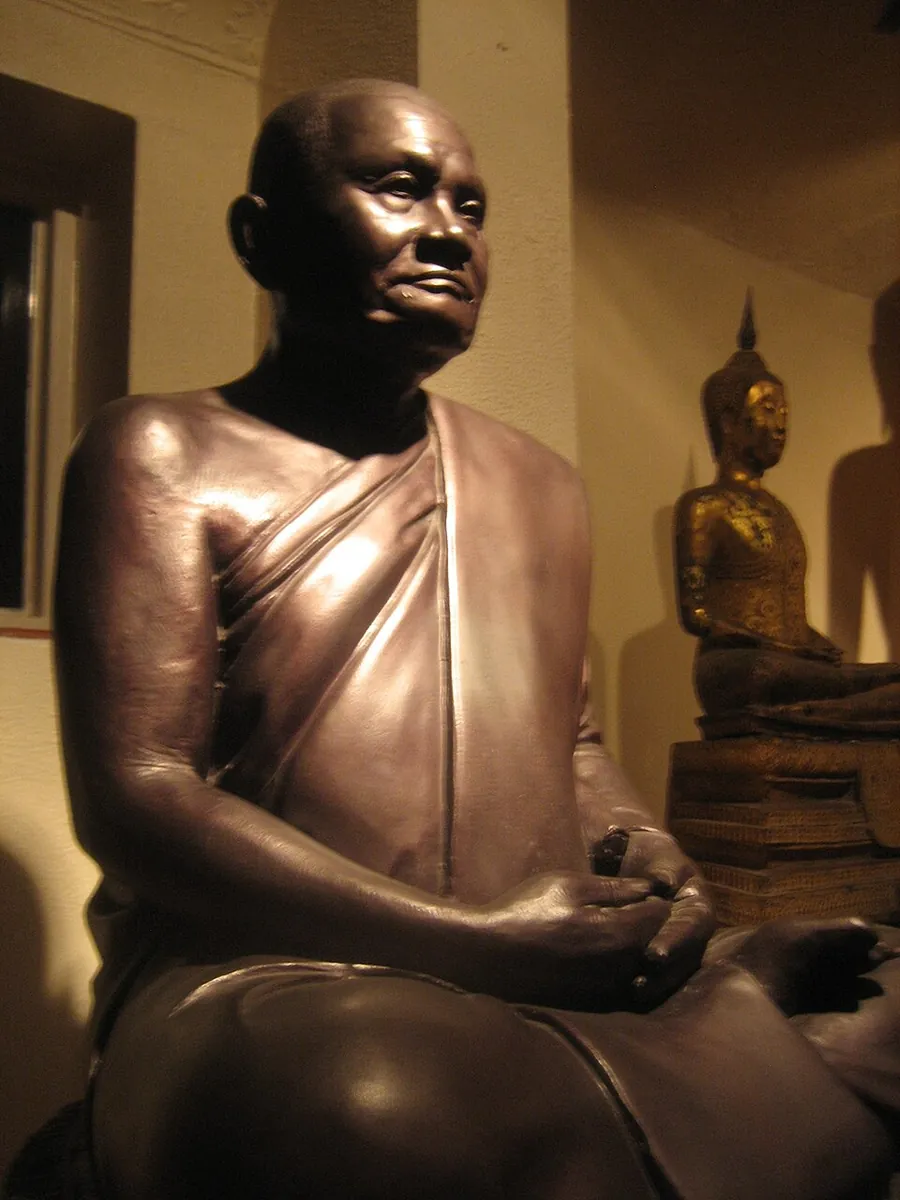
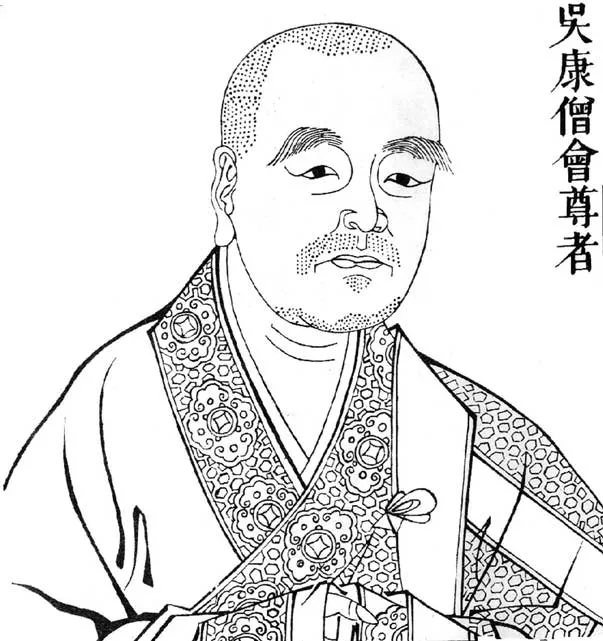
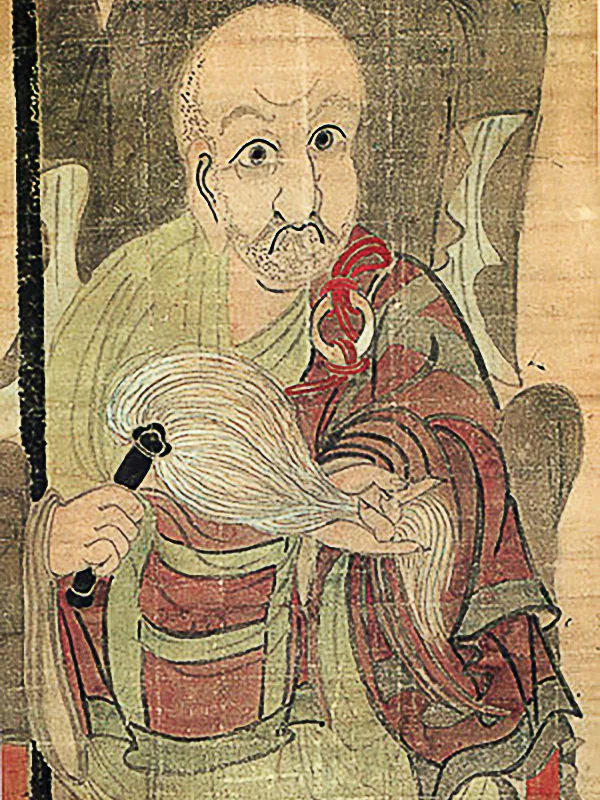
Liễu Quán

了觀 Thiệt Diệu · Chánh Giác Viên Ngộ · 1667–1742

A boy who lost his mother at six, sold firewood to care for his father, and became the root of a school that still runs south from Huế.

Thien · Lam Te, the Lieu Quan line

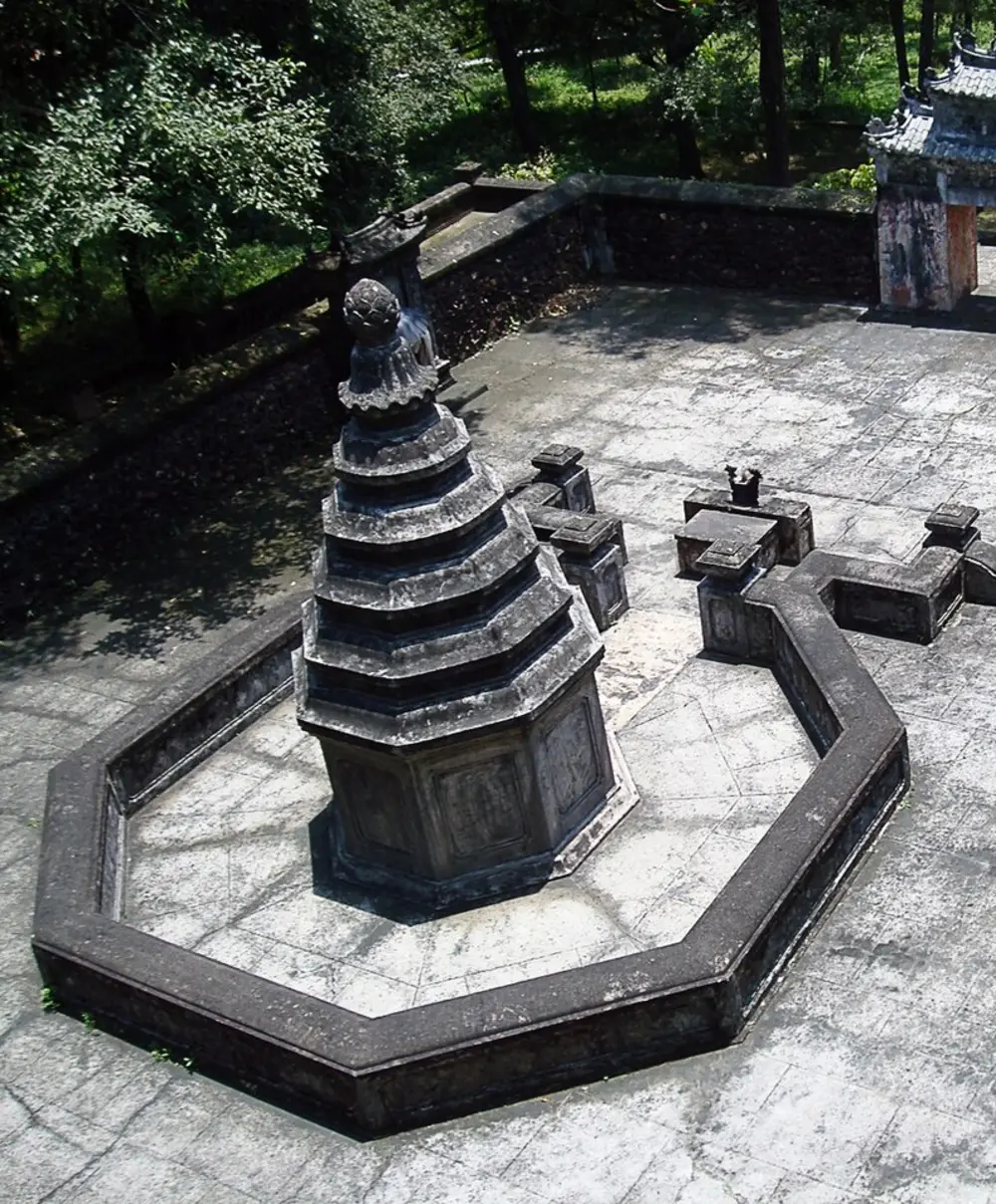
The memorial stupa of Liễu Quán at the foot of Thiên Thai mountain in Huế

Liễu Quán (1667–1742) was a Vietnamese Zen master of the Lâm Tế (Linji) line, born in Phú Yên and active in Huế. After years of study under Chinese teachers and long work on a single kōan, he taught across the south of the country, and his line became the Liễu Quán school.

Why he matters

A school of his own

His line of the Lâm Tế school grew into the Liễu Quán school, and most Buddhist communities from Huế to the southern provinces belong to it today.

Years with one question

He worked on a single question from his teacher for years before he could answer it, and his teacher then confirmed his understanding.

Free of the palace

When the lord of the south invited him to live at court and preach there, he declined, to keep the freedom of the forest.

His life

From a village in Phú Yên to the pine forest of Thiên Thai, by way of firewood and a single question. Scroll, and walk it with him.

  1. 1667

    Born on the 18th day of the eleventh lunar month in Bạch Mã village, Phú Yên, into the Lê family. His mother dies when he is six.

  2. Childhood

    At his own wish his father takes him to Hội Tôn pagoda, where he studies with the Chinese monk Tế Viên for seven years, until the monk dies.

  3. Huế

    Goes to the capital and becomes a novice under the Chinese master Giác Phong at the pagoda later called Báo Quốc.

  4. 1691

    Returns home to care for his father, gathering firewood in the hills to sell for food and medicine.

  5. 1695

    After his father dies he goes back to the monastery and studies with the Chinese master Thạch Liêm.

  6. 1697

    Receives full ordination under the master Từ Lâm.

  7. 1702

    Goes to the master Tử Dung, who gives him a question to work on: the ten thousand things return to one; where does the one return?

  8. 1708

    Brings his understanding back to Tử Dung after years of work, and the master recognises it. From now on he teaches, from Phú Yên to Huế.

  9. 1742

    In spring, past seventy, he leads a great ordination at Viên Thông pagoda in Huế. He falls ill in the autumn, writes a farewell verse, and dies in the eleventh lunar month.

What he taught

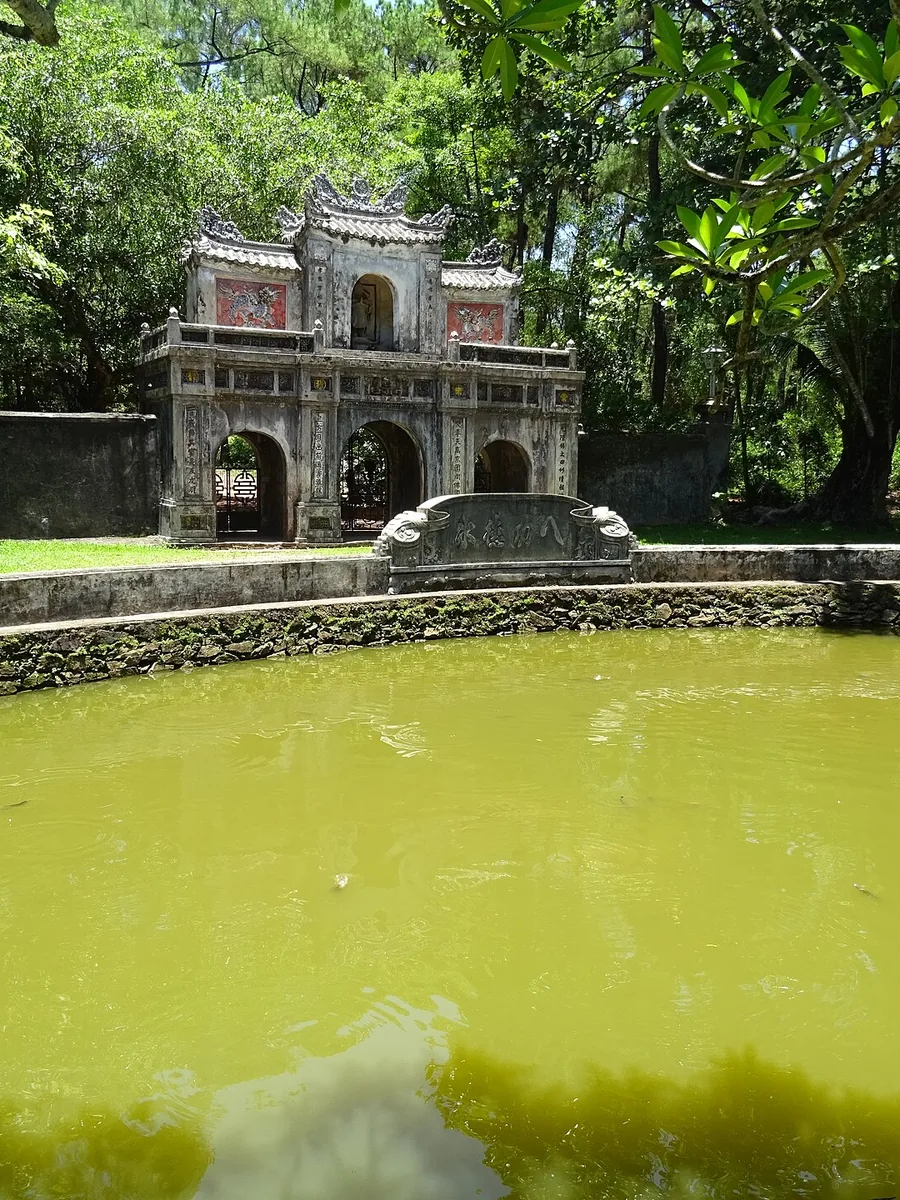
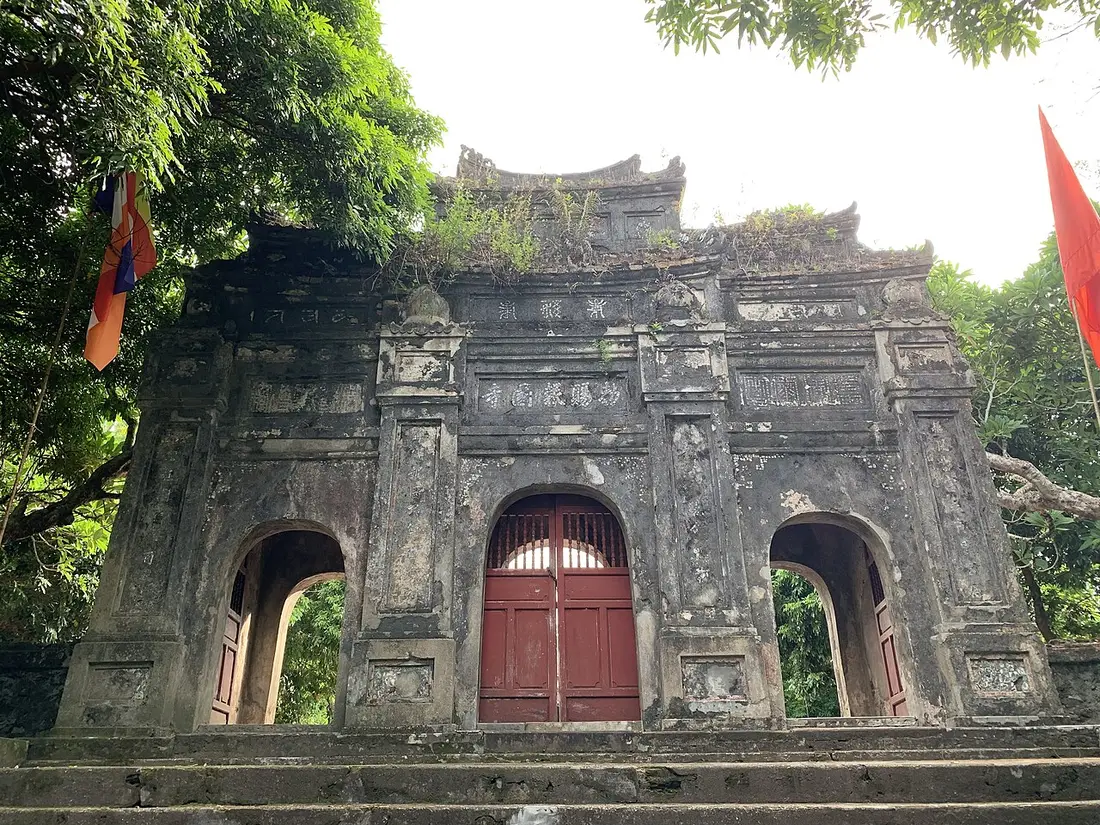
The old gate of Báo Quốc pagoda in Huế, where he became a novice
Teaching 01 · Breath

One question

His teacher Tử Dung asked: the ten thousand things return to one; where does the one return?

He carried that question for years. The answer came while he was reading, from a line about the mind passed from heart to heart.

From The History of Buddhism in Vietnam, ed. Nguyen Tai Thu, CRVP, 2008

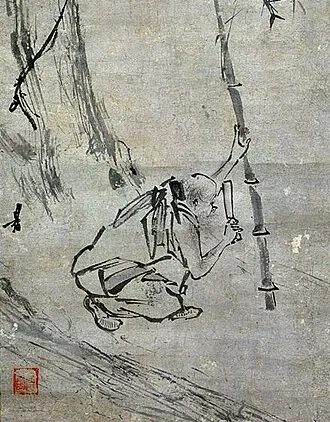
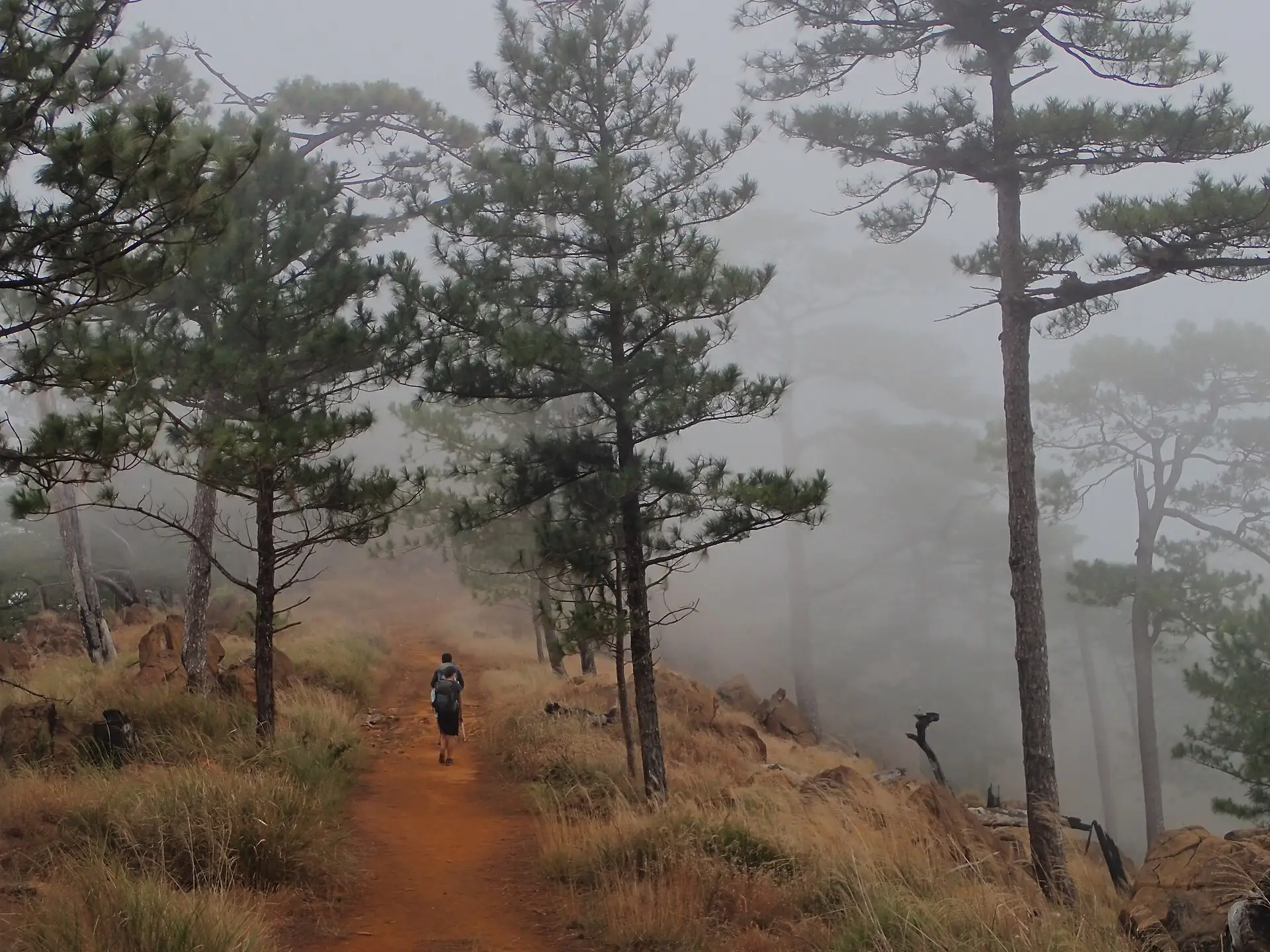
A figure walking through a misty forest
Teaching 02 · Movement

Firewood

He left the monastery to look after his ageing father. For four years he gathered dry wood in the forest and sold it at the market for food and medicine.

Care for his family came first. The practice could wait, and it was waiting for him when he returned.

From The History of Buddhism in Vietnam, ed. Nguyen Tai Thu, CRVP, 2008

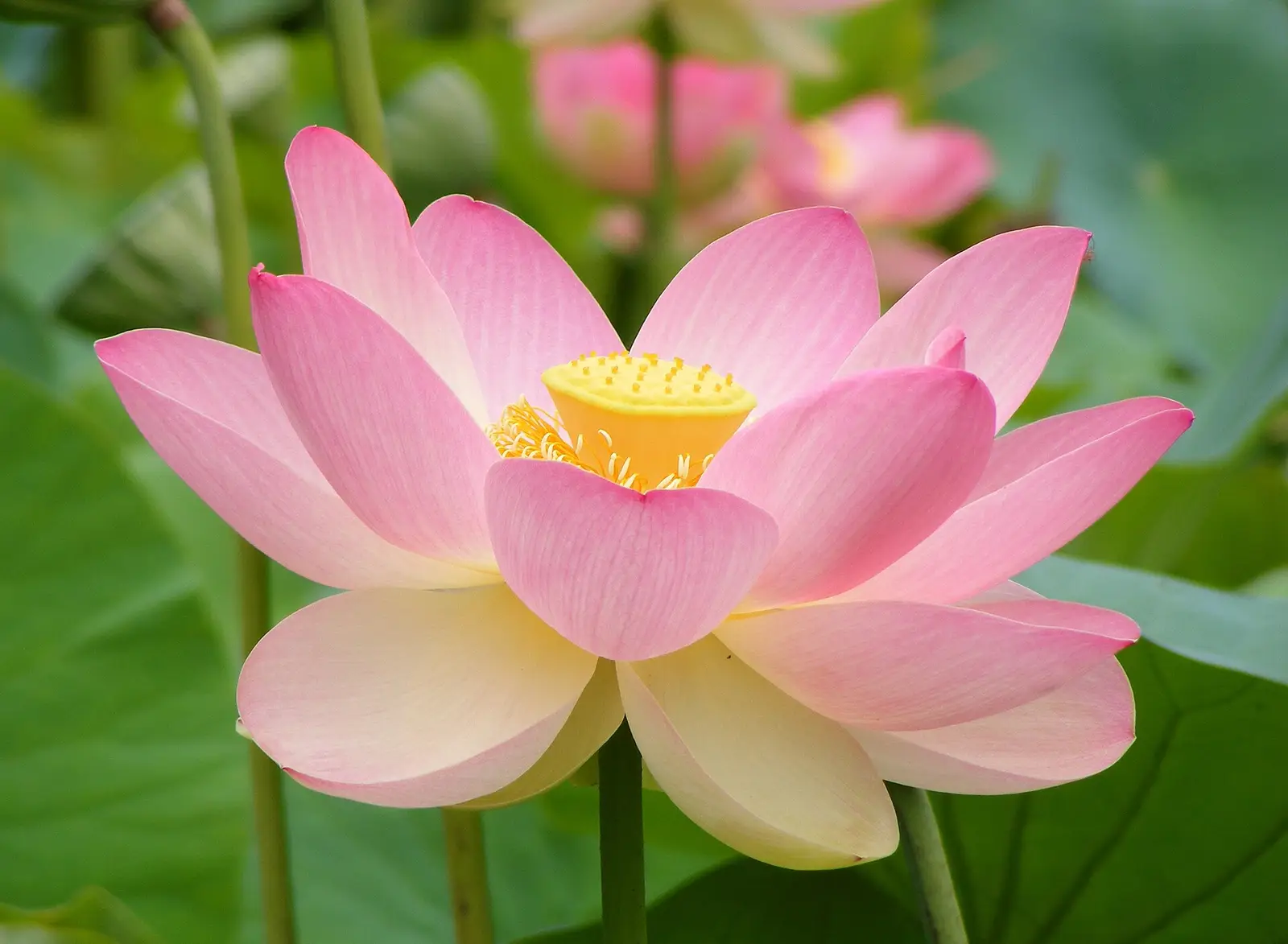
An open lotus flower
Teaching 03 · Stillness

A living line

His teachers were Chinese monks who had come south. He made their line at home in Vietnam.

His students and their students founded pagodas through the centre and the south, and the line took his name.

From The History of Buddhism in Vietnam, ed. Nguyen Tai Thu, CRVP, 2008

And two more
Teaching 04

No court, no title

The Nguyễn lord asked him to live at the palace and preach. He refused, preferring his hermitage in the pine forest. Only after his death did the lord give him a title, Chánh Giác Viên Ngộ.

From The History of Buddhism in Vietnam, ed. Nguyen Tai Thu, CRVP, 2008

Teaching 05

Teaching everyone

He led great ordination ceremonies in Huế in 1733, 1734, 1735 and, in the year he died, 1742, for monks and lay people alike.

From The History of Buddhism in Vietnam, ed. Nguyen Tai Thu, CRVP, 2008
Past seventy and troubled by nothing in the world, he left it content.

Retold from his farewell verse, 1742
For your week · Movement

Take one question into your training this week. Do not answer it. Carry it, set by set, and see what it becomes.

Where it happened
  • Bạch Mã village, Phú YênWhere he was born, in 1667.
  • Hội Tôn pagoda, Phú YênHis first teacher, Tế Viên.
  • Báo Quốc pagoda, HuếWhere he became a novice.
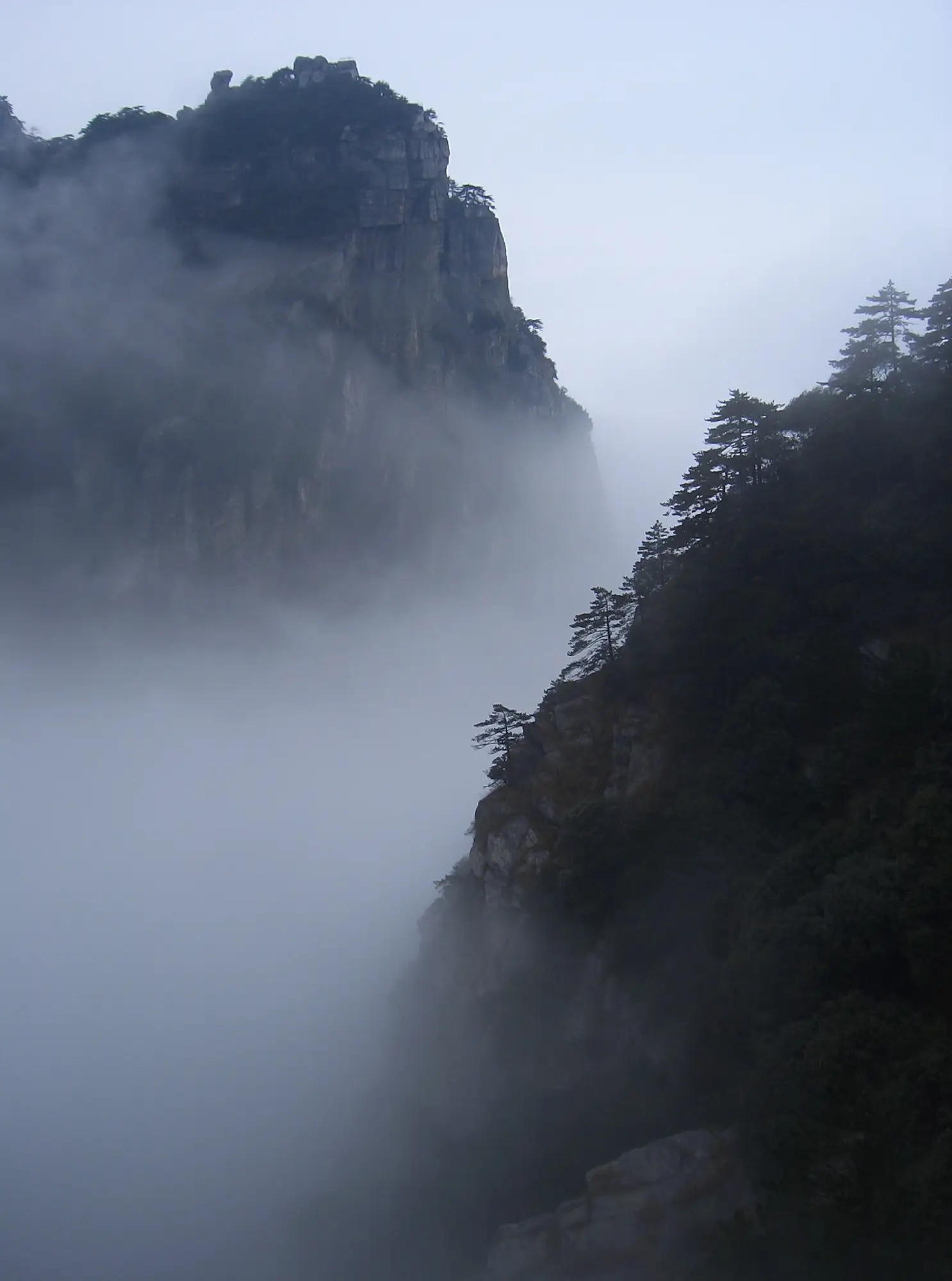
  • Thiên Thai mountain, HuếHis hermitage, later Thiền Tôn pagoda, and his stupa.
  • Viên Thông pagoda, HuếHis last ordination ceremony and his death, 1742.
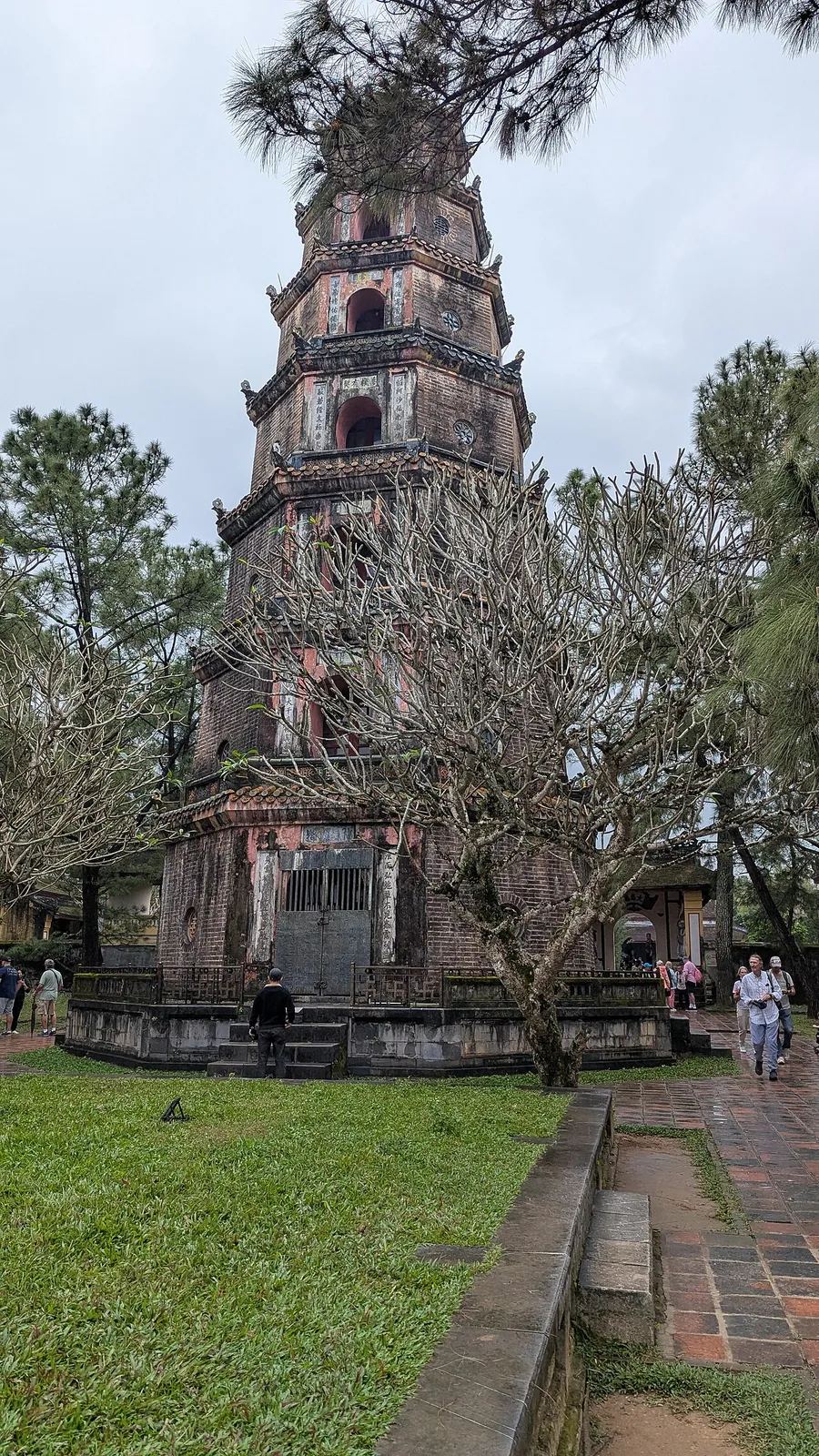
Thiên Mụ pagoda on the Perfume River in Huế
What remains

The Liễu Quán school is the largest line of Vietnamese Zen in the centre and the south. His stupa stands in the pine forest at the foot of Thiên Thai mountain in Huế.

Next teacher Thích Thanh Từ Back to · Mười hai con giáp Vietnam