
From the classics to the Dharma
He wrote later that he first loved the Confucian classics, then found Laozi and Zhuangzi, and only then the Buddhist teaching.
From his letter, tr. in Erik Zürcher, The Buddhist Conquest of China, Brill, 3rd ed. 2007
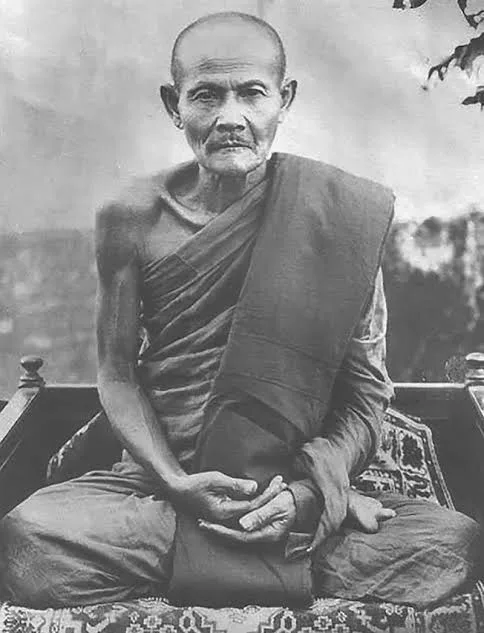
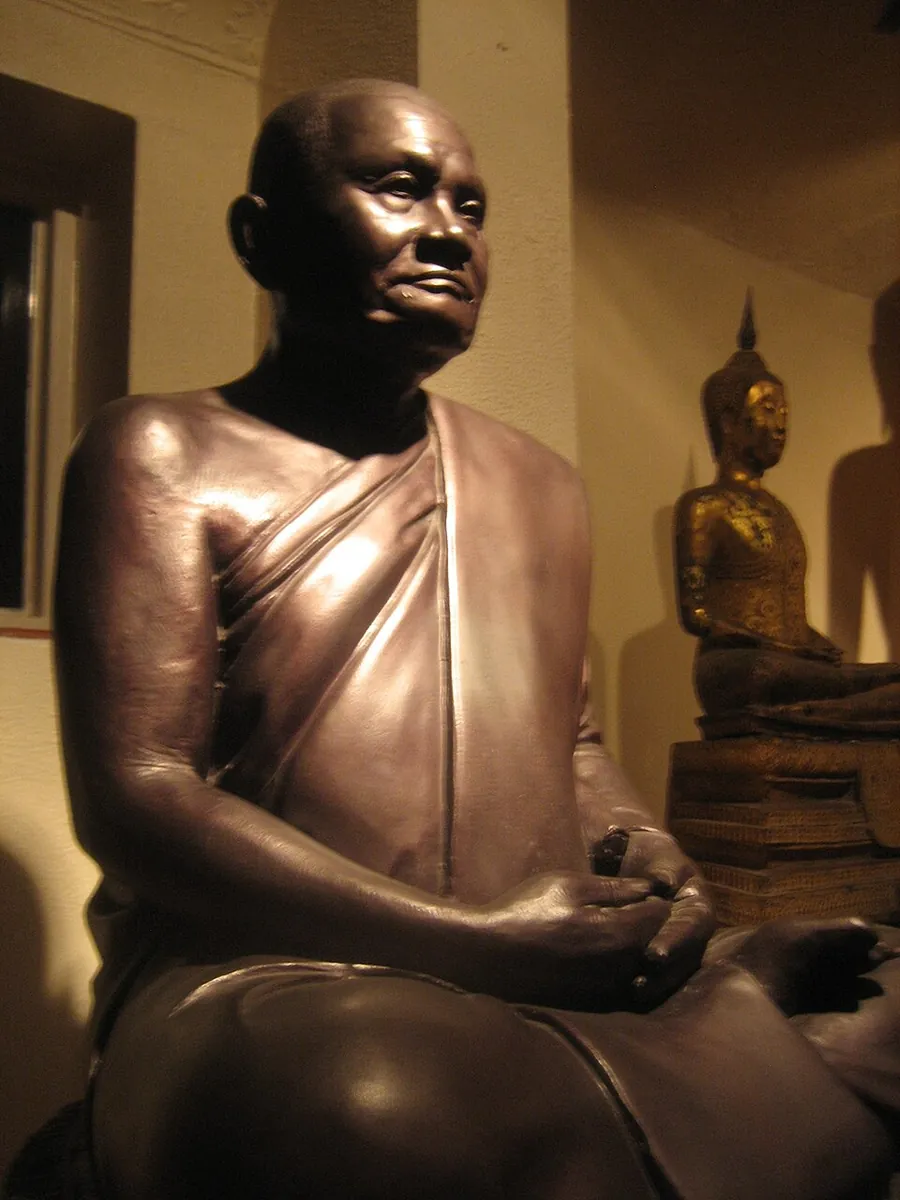
慧遠 Shi Huiyuan · Lushan Huiyuan · 334–416 or 417
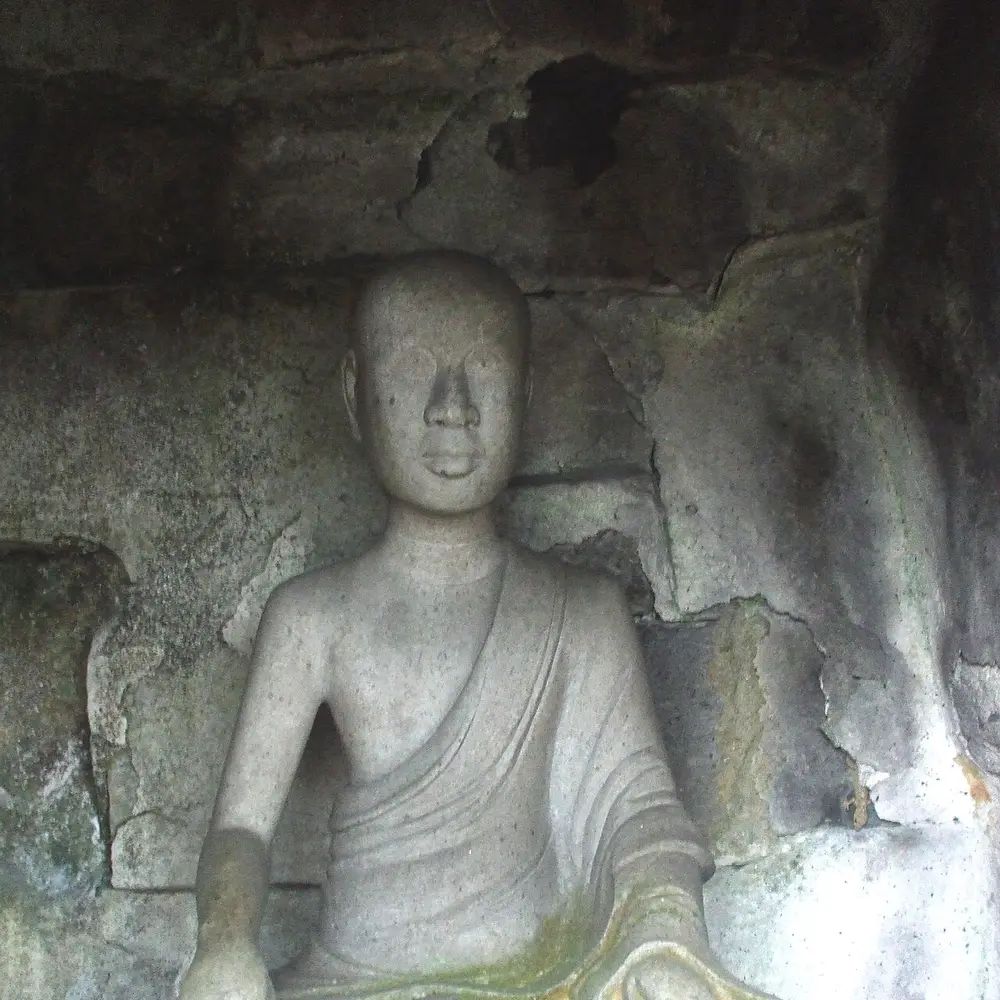
A scholar of the classics who became a monk, climbed Mount Lu and, for the last decades of his life, never left it.
Mahayana · Pure Land devotion
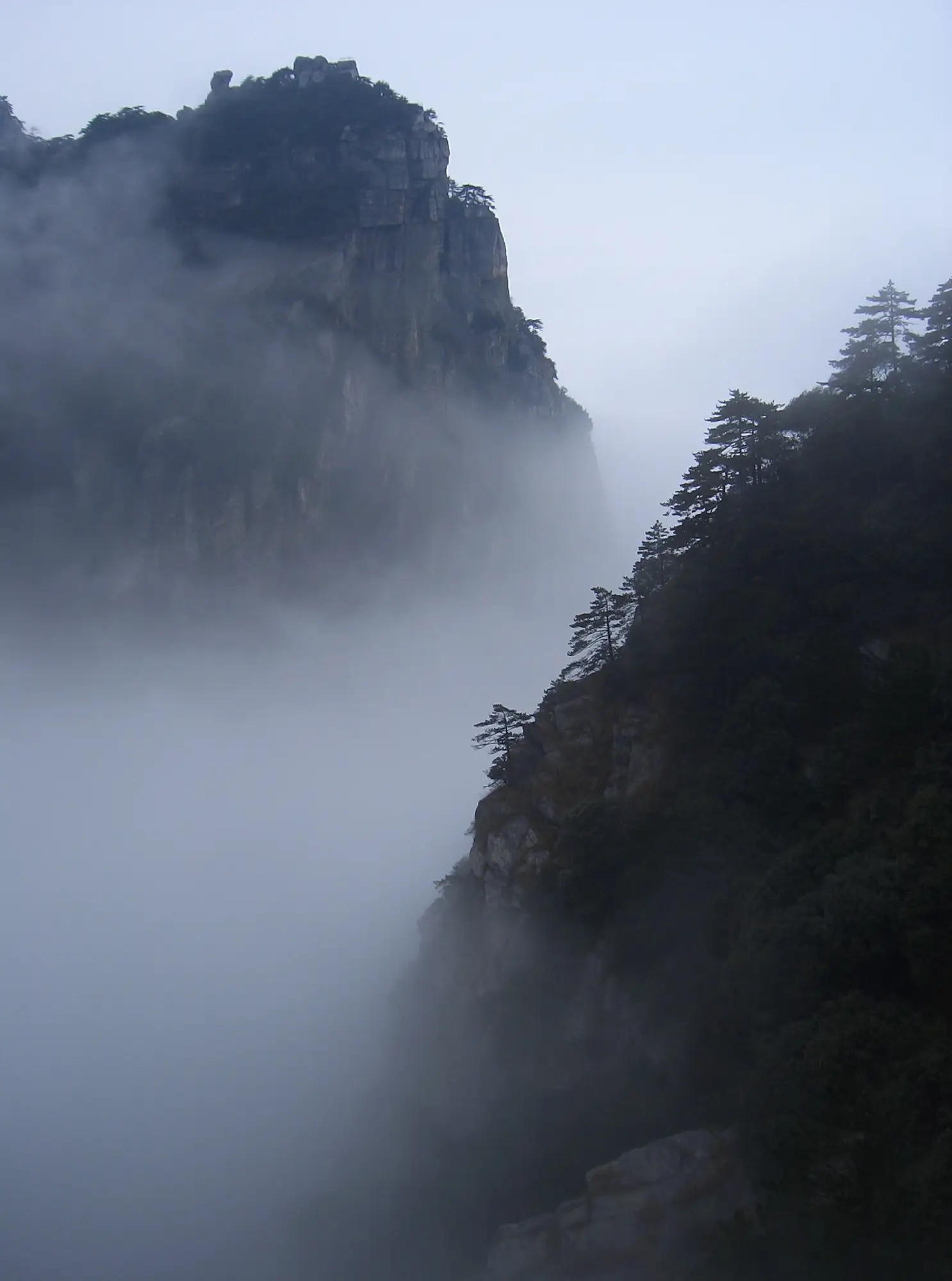
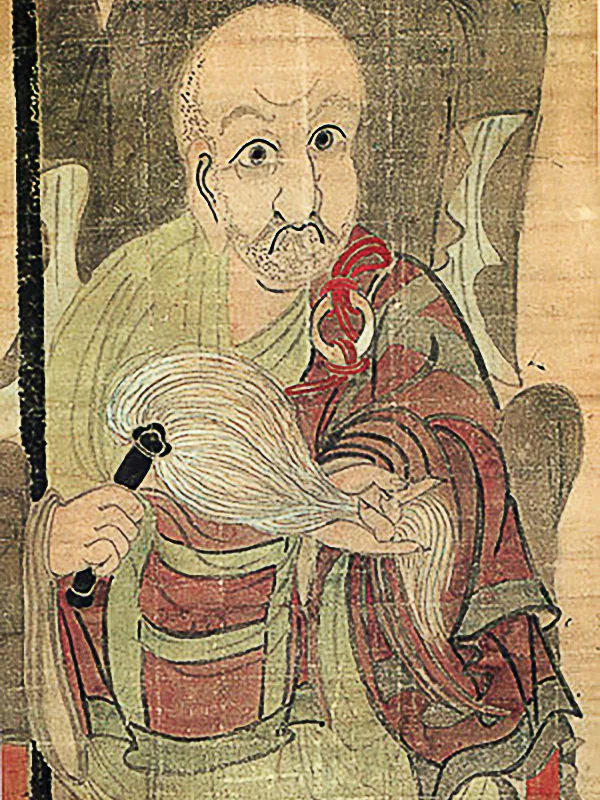
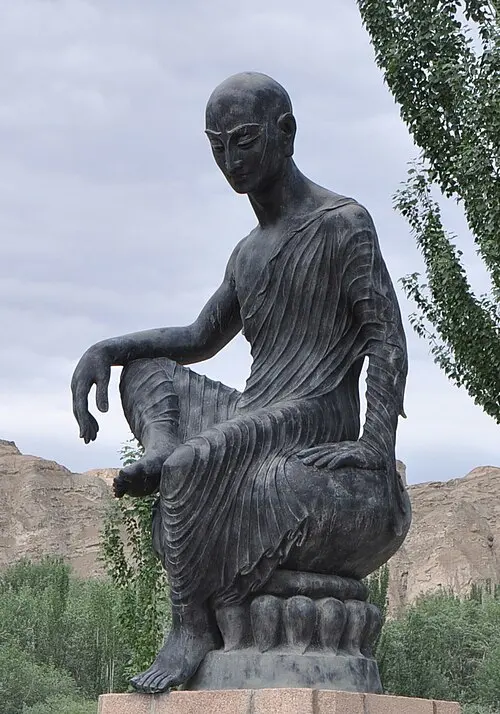
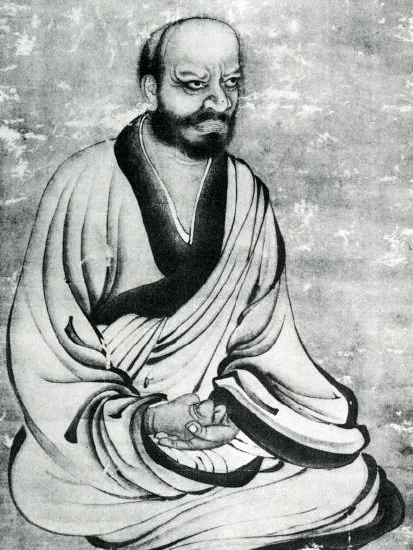
Huiyuan (334–416 or 417) was a Chinese Buddhist monk who led the community at the Donglin monastery on Mount Lu. In 402 he and his followers vowed before an image of Amitābha to be reborn in the Pure Land, and later tradition named him the first patriarch of Pure Land Buddhism. He also defended the right of monks not to bow to the ruler.


On 11 September 402 he gathered his community before an image of Amitābha, an event later taken as the beginning of the Pure Land school in China.

When the powerful demanded that monks bow to the ruler, he answered that a monk is a stranger outside the world, and Erik Zürcher calls him the first great defender of the faith in Chinese Buddhism.

His letters to Kumārajīva, carried by courier across a divided China, are among the most precious documents of early Chinese Buddhism.
From the northern frontier to the academies of Luoyang, to the monk Dao’an, and to the mountain. Scroll, and walk it with him.
Born in Loufan, in the Yanmen commandery of northern China, into the Jia family.
At thirteen goes with his uncle to study at the academies of Xuchang and Luoyang. He masters the Six Classics, and then Laozi and Zhuangzi.
War ruins the north. On his travels he meets the monk Dao’an, hears him explain the Perfection of Wisdom, and becomes his disciple together with his younger brother.
Spends some thirteen years with Dao’an at Xiangyang.
Arrives at Mount Lu, drawn by its scenery, and later leads the new Donglin monastery there.
On 11 September leads the vow before Amitābha with monks and lay followers. In the same years he resists the general Huan Xuan’s demands on the clergy.
Begins his exchange of letters with Kumārajīva in Chang’an.
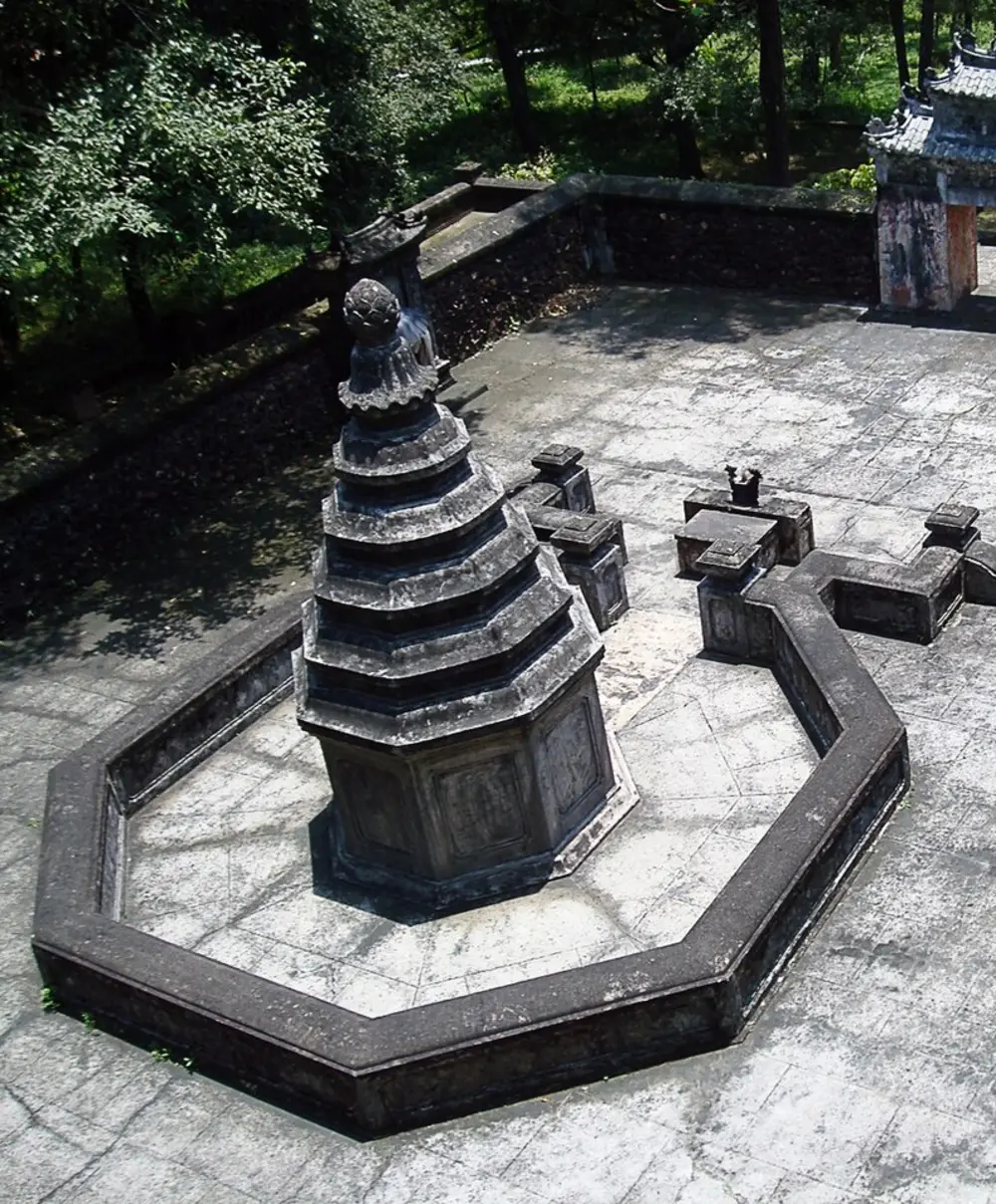
Dies on Mount Lu and is buried near the Donglin monastery. Early sources give either year.


A layman, he wrote, keeps the duties of family and state. A monk has stepped outside them to seek the Way.
He was polite to rulers, but firm: the sangha has its own code and does not bow.
From Erik Zürcher, The Buddhist Conquest of China, Brill, 3rd ed. 2007
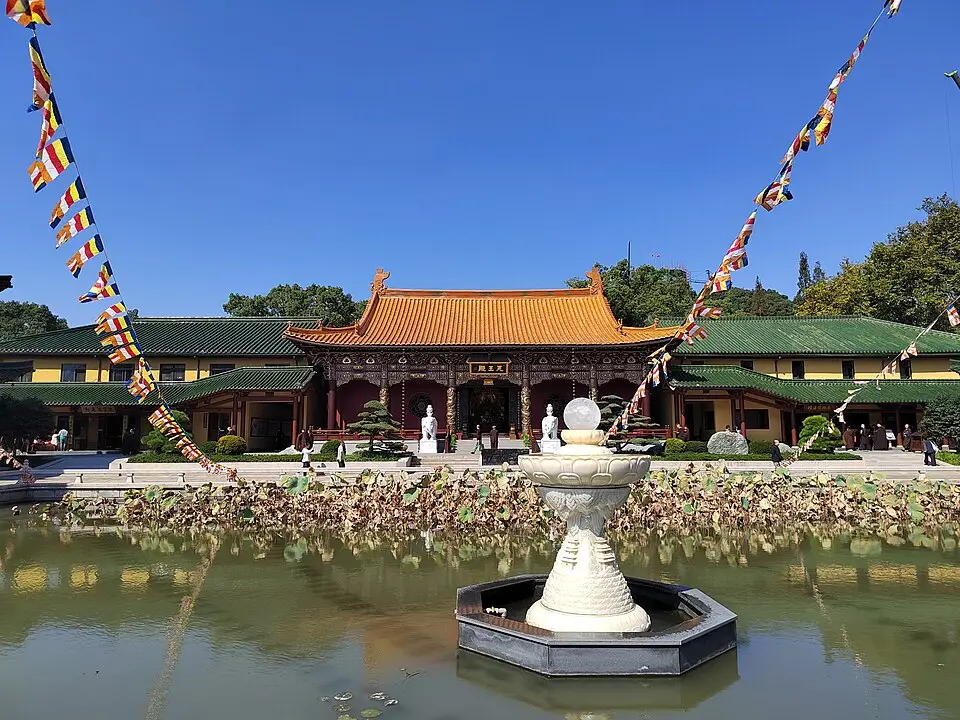
Monks and lay followers stood together before an image of the Buddha Amitābha and vowed to be reborn in Sukhāvatī, the land of bliss in the west.
Later tradition named the group the White Lotus Society, and Huiyuan the first patriarch of Pure Land.
From Erik Zürcher, The Buddhist Conquest of China, Brill, 3rd ed. 2007
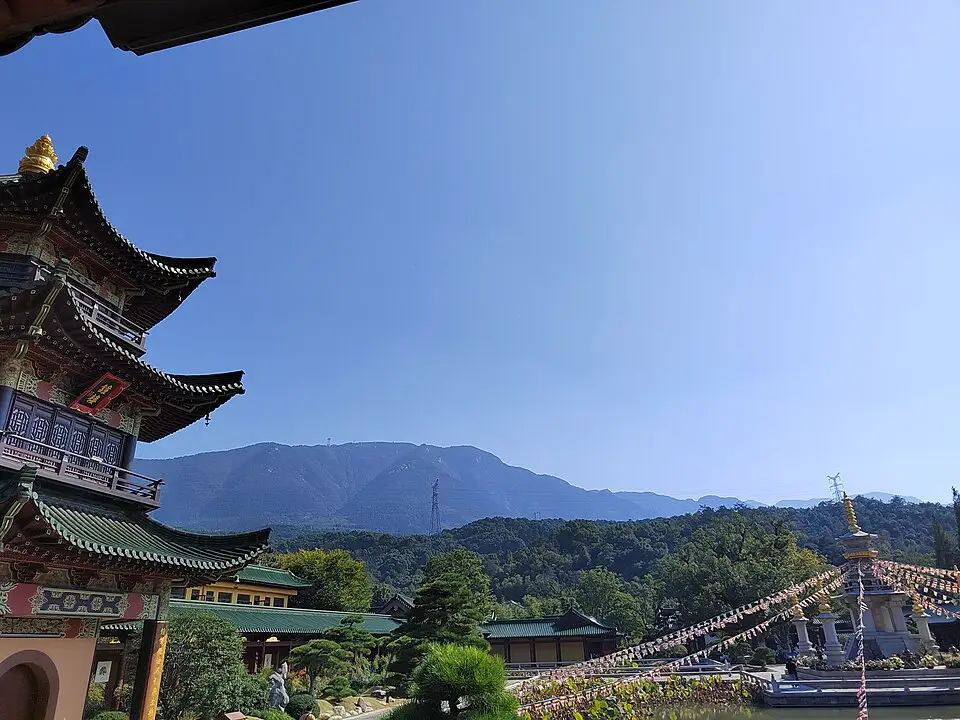
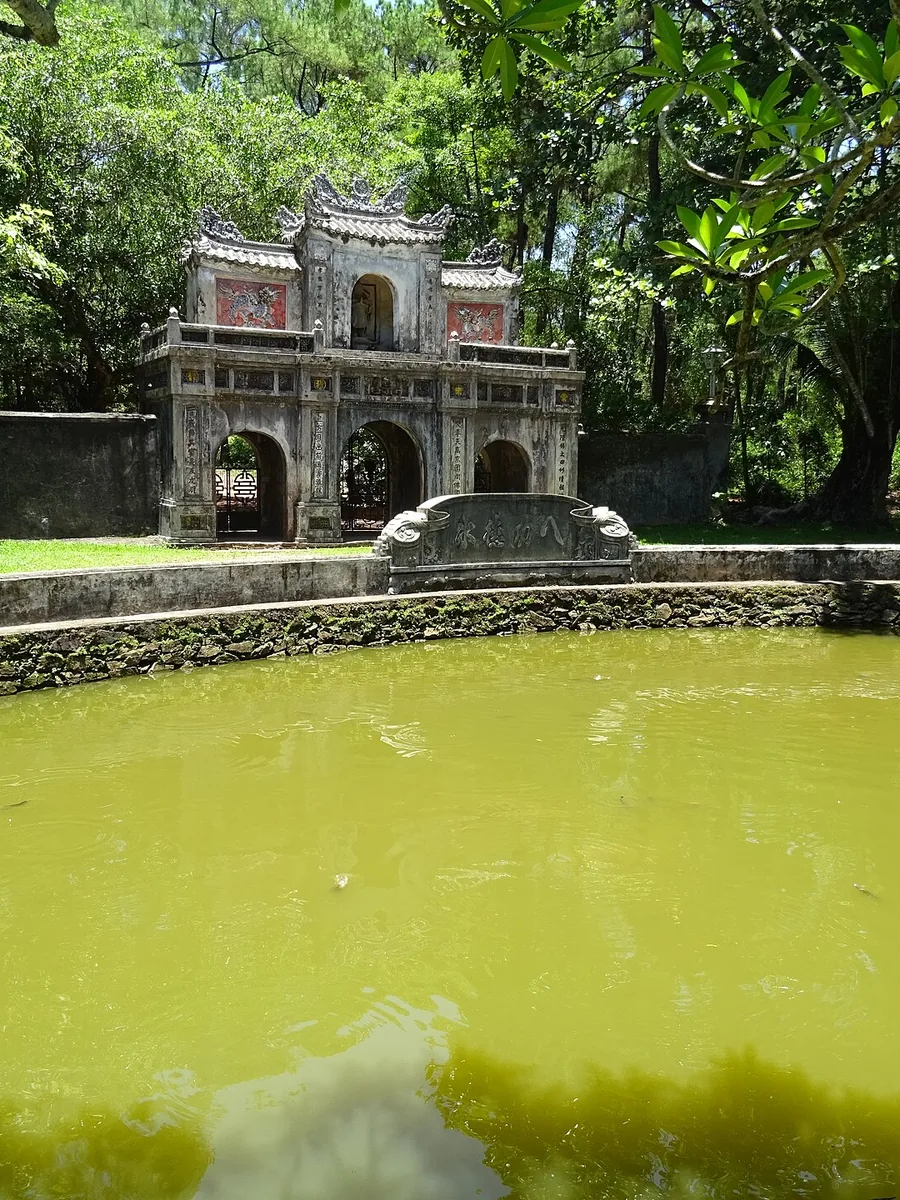
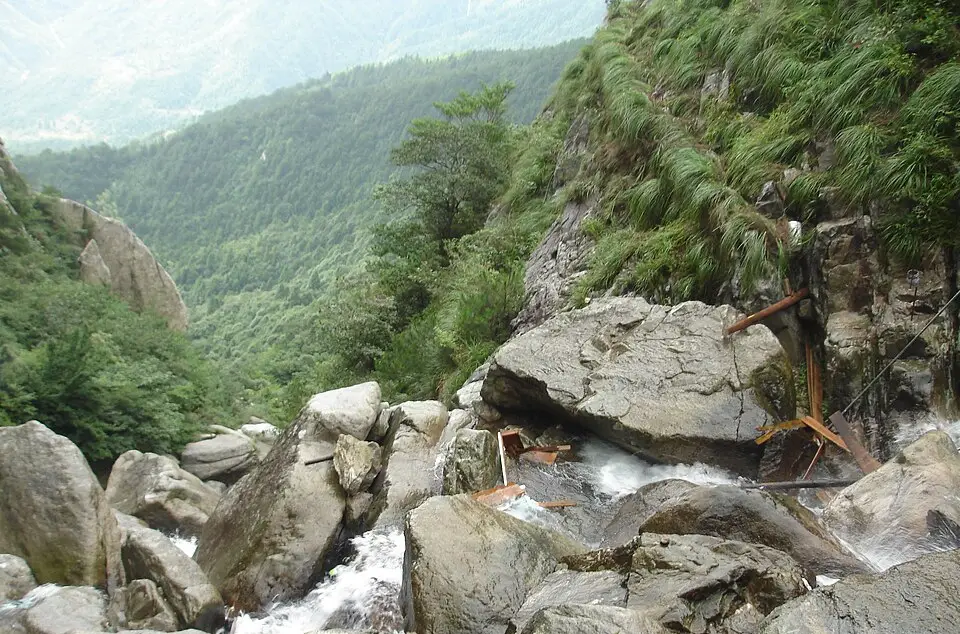
For the last decades of his life he never left the mountain. The Tiger Brook was the border he would not cross.
Even when the general Huan Xuan visited in 399, and the emperor passed by in 404, he stayed.
From Erik Zürcher, The Buddhist Conquest of China, Brill, 3rd ed. 2007
He wrote later that he first loved the Confucian classics, then found Laozi and Zhuangzi, and only then the Buddhist teaching.
From his letter, tr. in Erik Zürcher, The Buddhist Conquest of China, Brill, 3rd ed. 2007
Zürcher notes that no line of masters links him to the later Pure Land patriarchs. The vow of 402 is a landmark all the same.
Erik Zürcher, The Buddhist Conquest of China, Brill, 3rd ed. 2007
出家則是方外之賓。

Choose one boundary this week, your own Tiger Brook: a time or place where training is not interrupted.
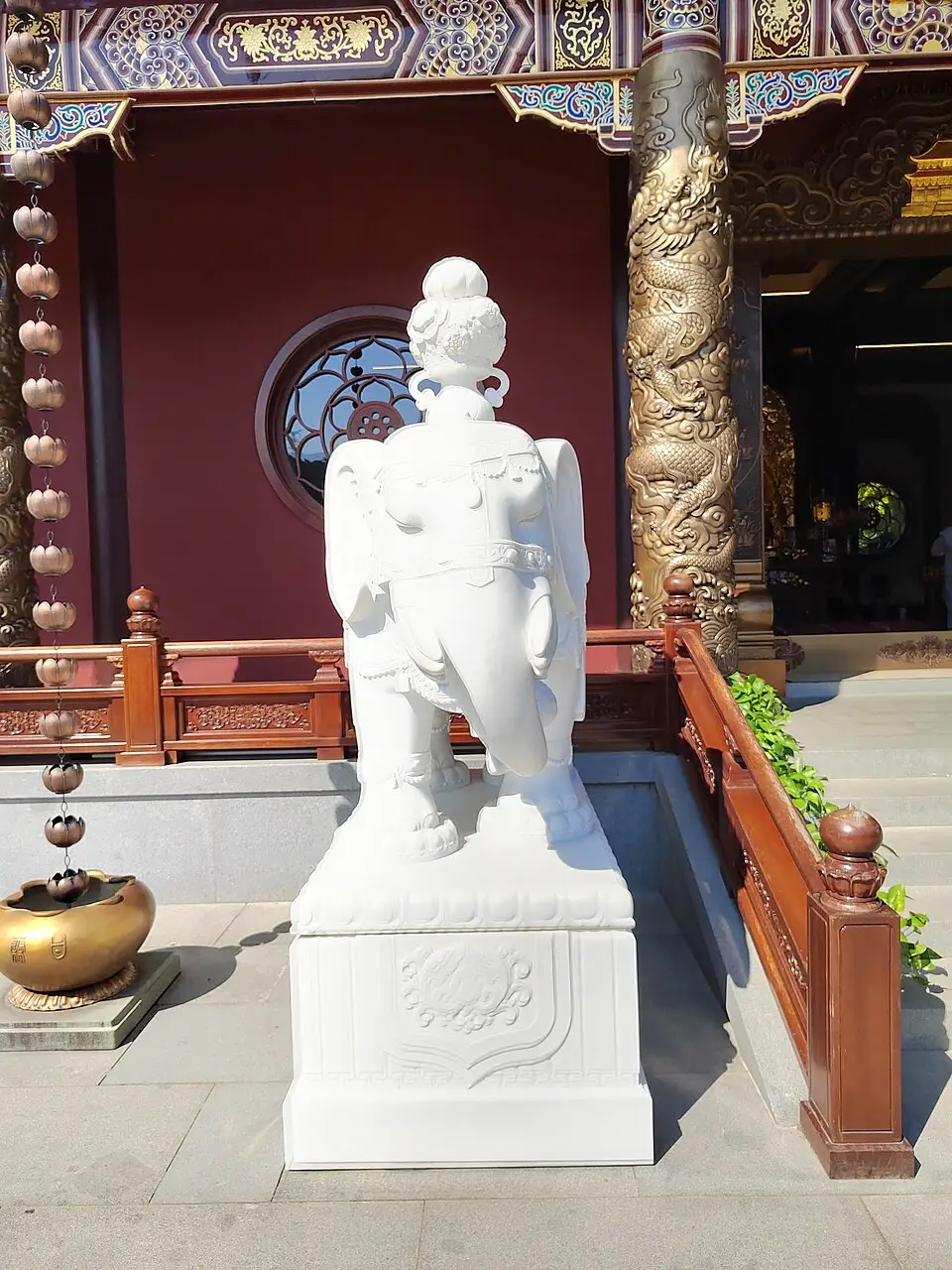
Donglin temple still stands on Mount Lu, and the Pure Land tradition remembers him as the first patriarch of its school.