Each day of the week has its own Buddha image, its own posture, its own colour.
Across Thailand, people visit the image of the day they were born. They light a candle, offer a flower, and remember how to sit, stand or rest with a quiet mind.
Your weekday decides
The posture belongs to the day of the week you were born.
The day begins at dawn
A birth between midnight and 06:00 belongs to the day before.
Wednesday has two halves
Day until 18:00, night after. Eight postures in a week of seven days.
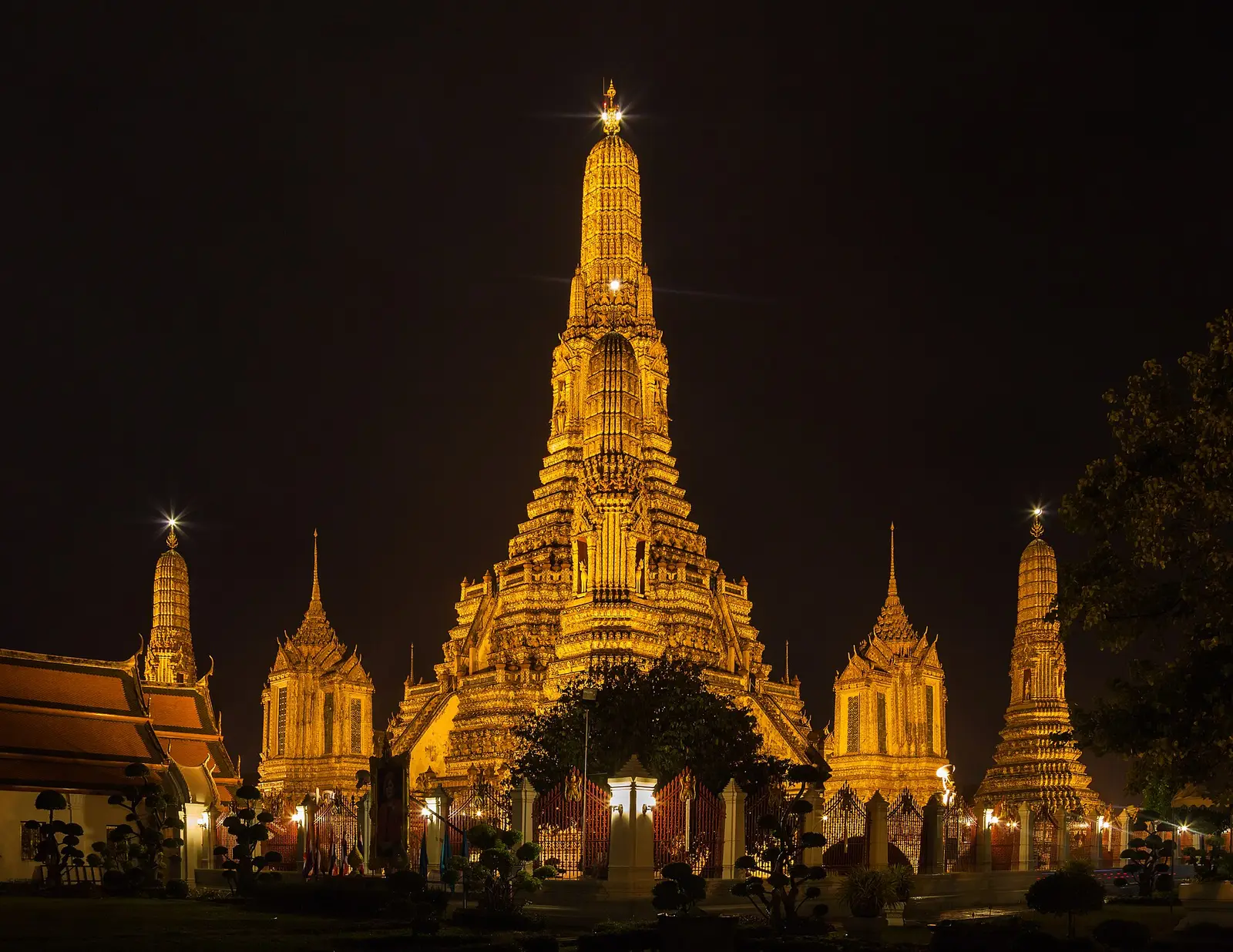
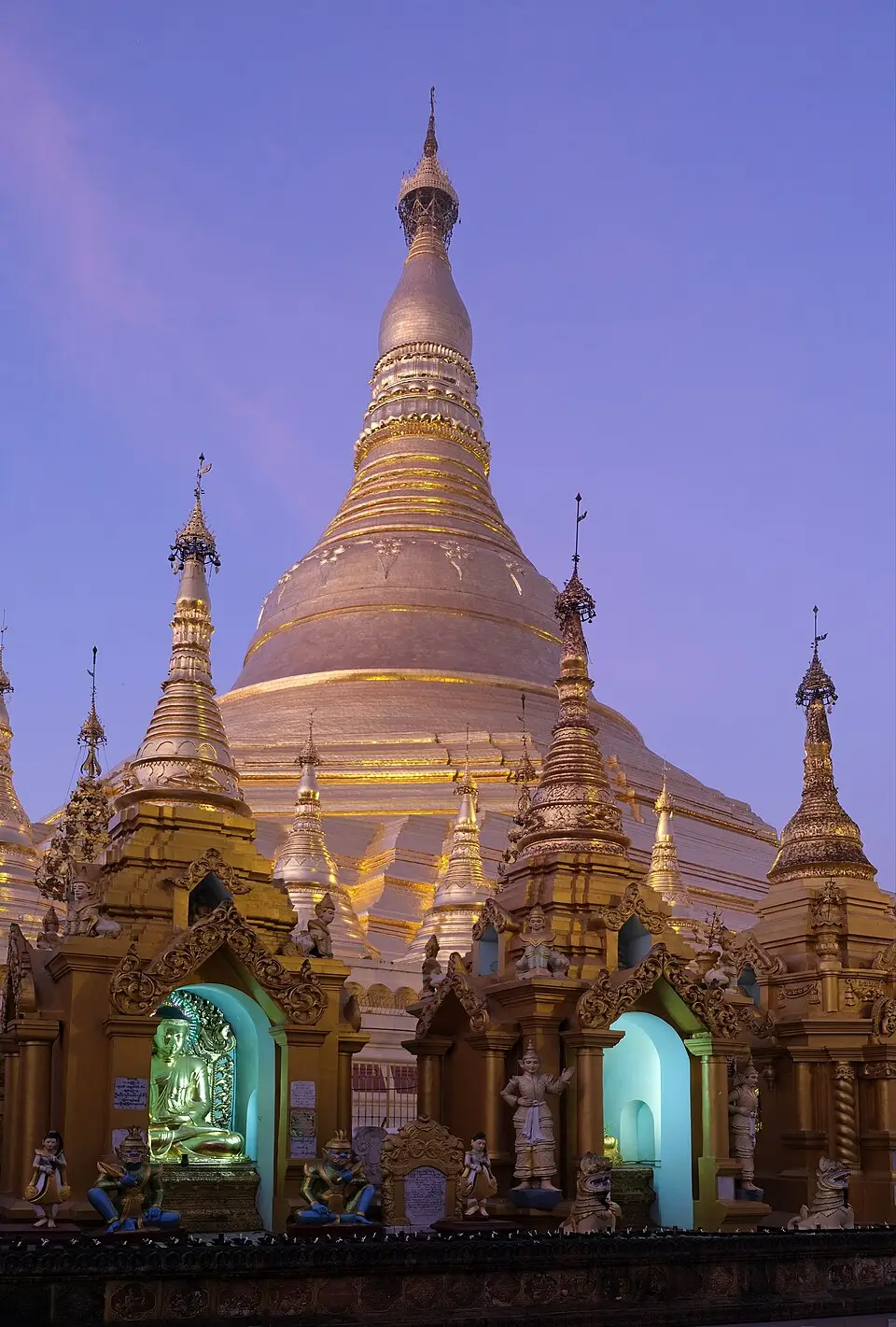
Wat Arun, Bangkok. The temple of dawn.
The way of the elders
Thailand keeps Theravāda, the oldest living school of Buddhism, with its teaching in Pali, the language of the early texts.
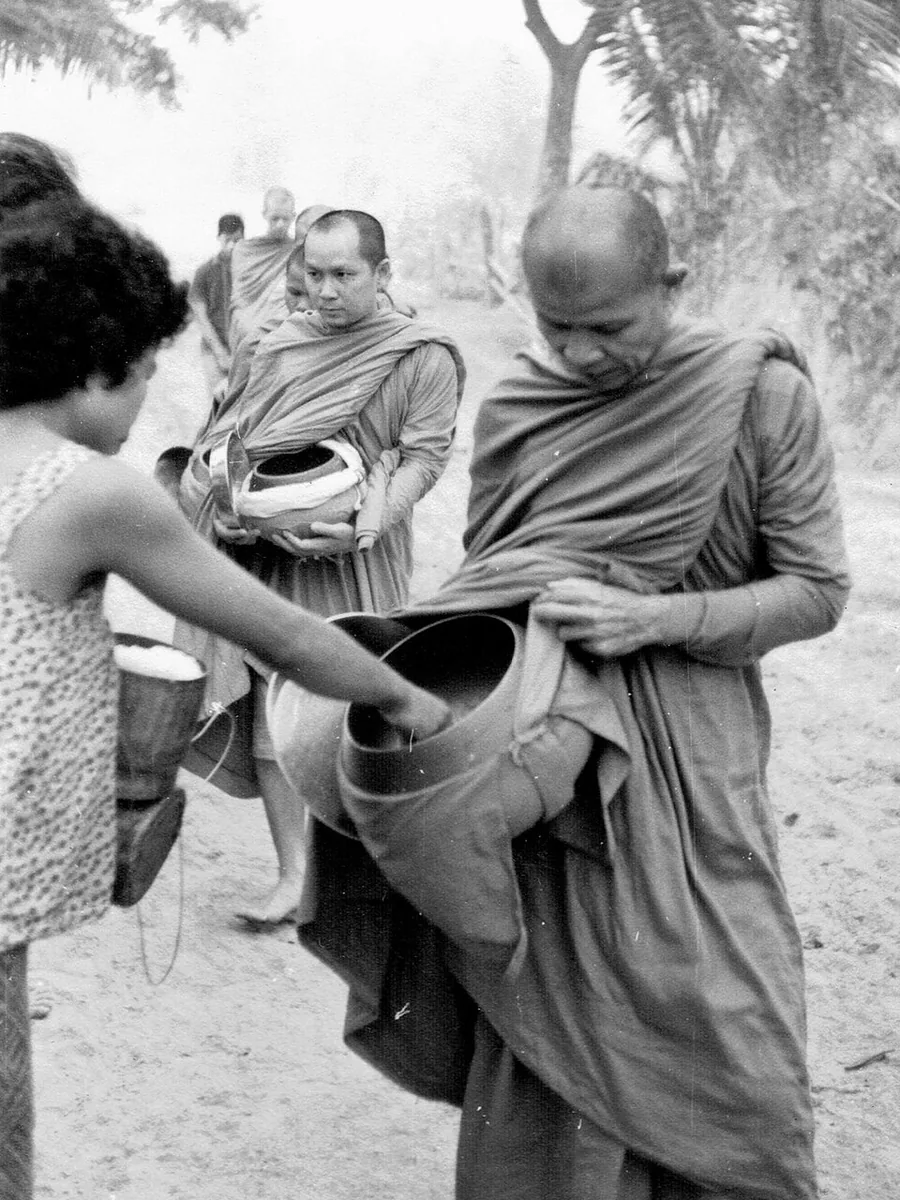
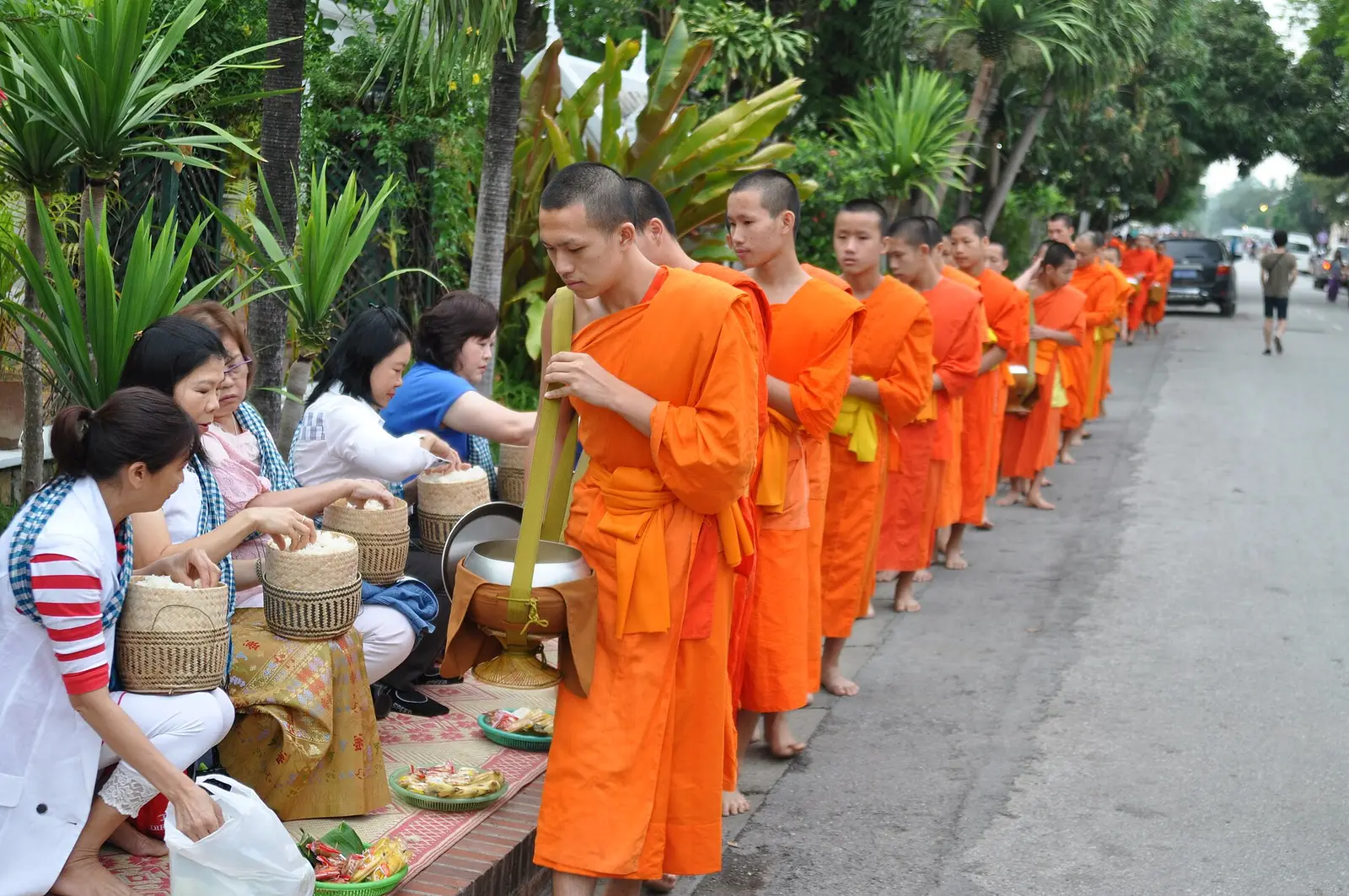
Theravāda is the Buddhism of Sri Lanka, Thailand, Myanmar, Laos and Cambodia. Its scripture is the Pali Canon, the Tipiṭaka, and the community of monks, the Sangha, stands at its heart. A monk keeps 227 rules, walks for alms each morning and owns almost nothing.
Thai Buddhism has two orders: the large Mahānikāya and the smaller, stricter Dhammayuttika, founded in the 1830s. In the twentieth century the forest monks of the northeast brought back the old life of wandering and meditation, and their monasteries still draw people from all over the world.
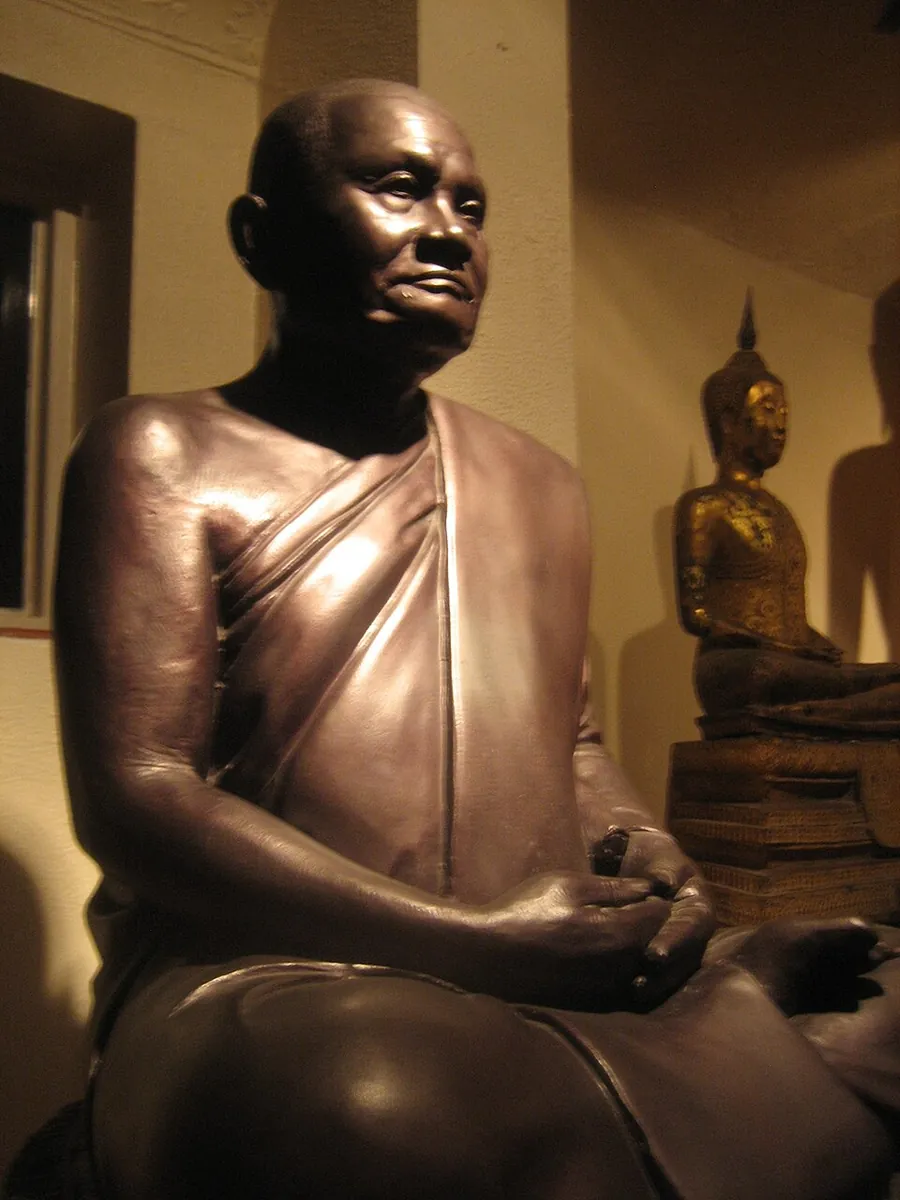
The Buddha of your birth day is a folk custom that lives inside this tradition. Temples such as Wat Pho keep a row of the eight postures, and people stop at their own with a candle, incense and a flower.
- 3rd century BCE
Thai tradition says the monks Sona and Uttara, sent by Emperor Ashoka, brought the teaching to Suvarnabhumi, the Golden Land. Nakhon Pathom claims the place.
- 13th century
In Sukhothai, King Ramkhamhaeng honours a senior monk from Nakhon Si Thammarat in the south, and Theravāda becomes the faith of the kingdom.
- 1830s
Prince Mongkut, a monk for 27 years before he became King Rama IV, founds the Dhammayuttika order to return to the letter of the monastic rule.
- 20th century
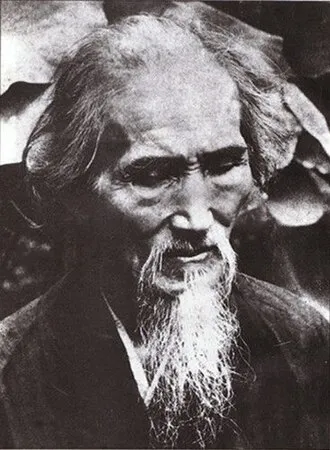
Ajahn Mun and Ajahn Sao revive the forest tradition in the northeast. Their students carry it to Europe, America and Australia.
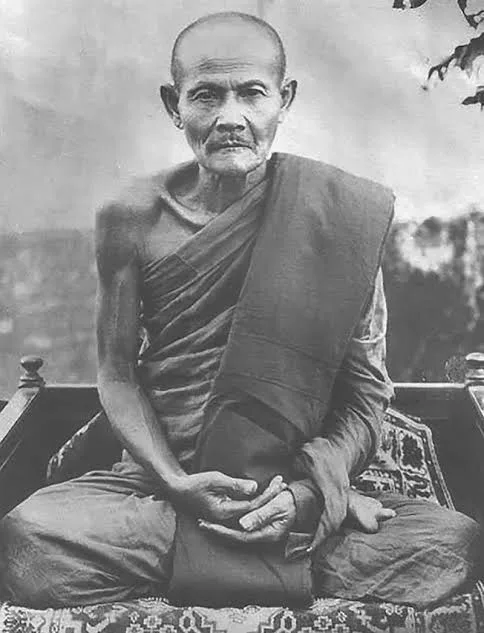
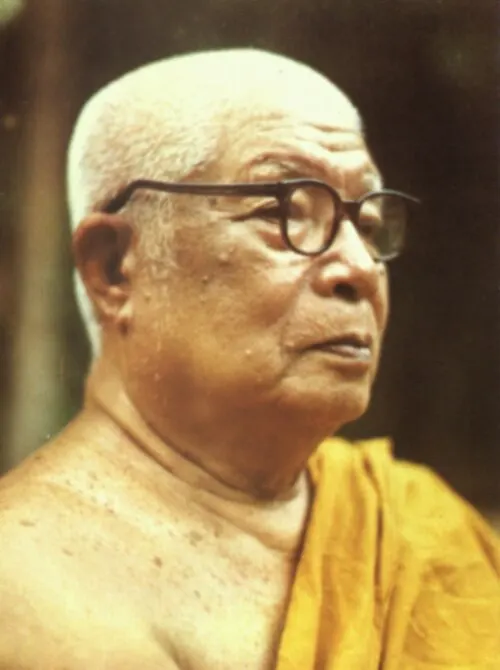
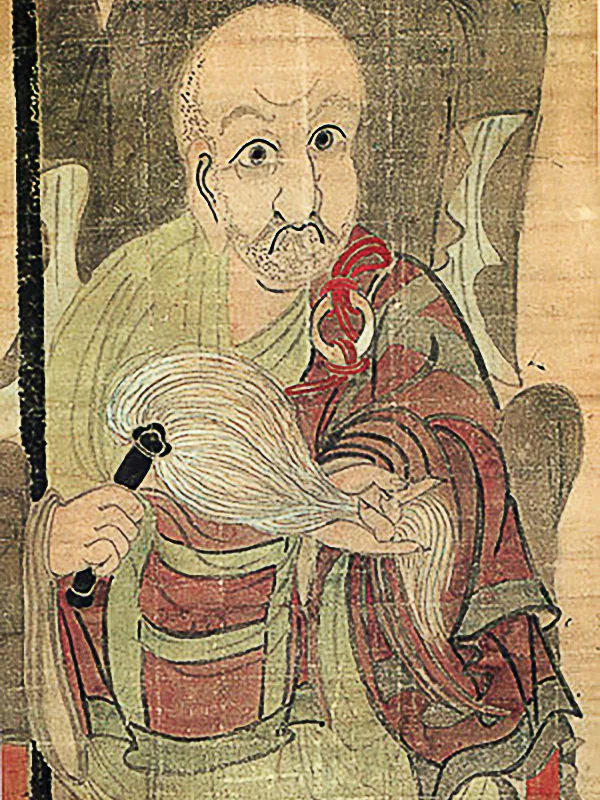
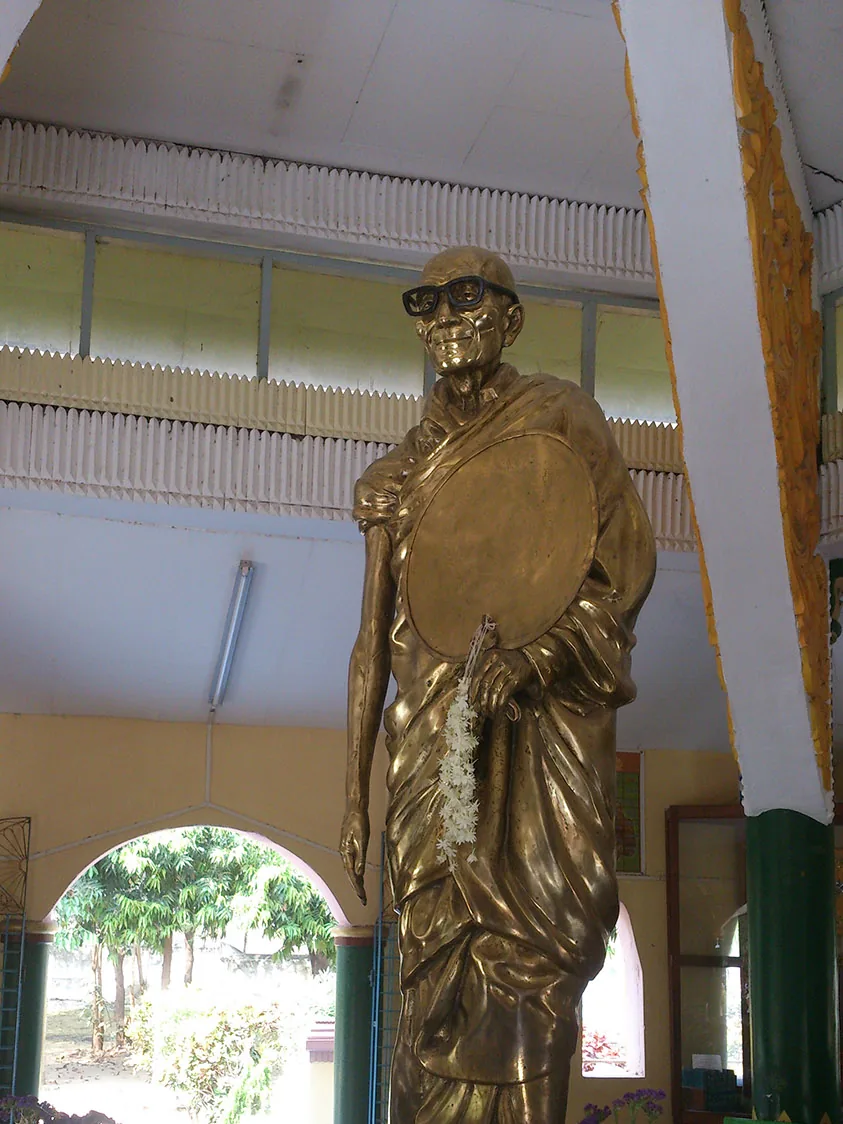
Ajahn Mun Bhūridatto
A wandering meditation master of the northeast and the root of the Thai Forest tradition.
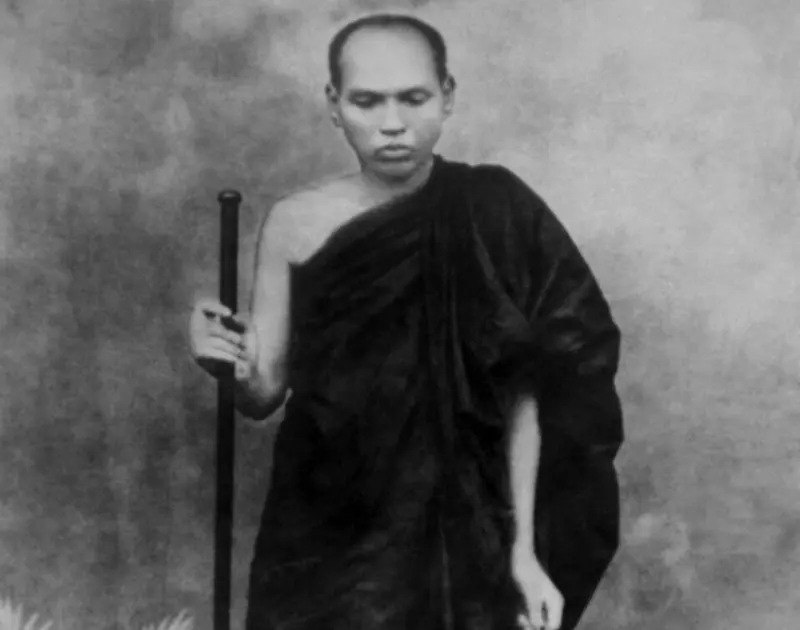
Read about him 1918–1992Ajahn Chah
Student of Ajahn Mun. At Wat Nong Pah Pong he taught simple, direct practice, and in 1975 opened a monastery for monks from abroad.
Read about him 1906–1993Buddhadāsa Bhikkhu
Founded Suan Mokkh in Chaiya in 1932 and taught that awakening is found in everyday work and life.
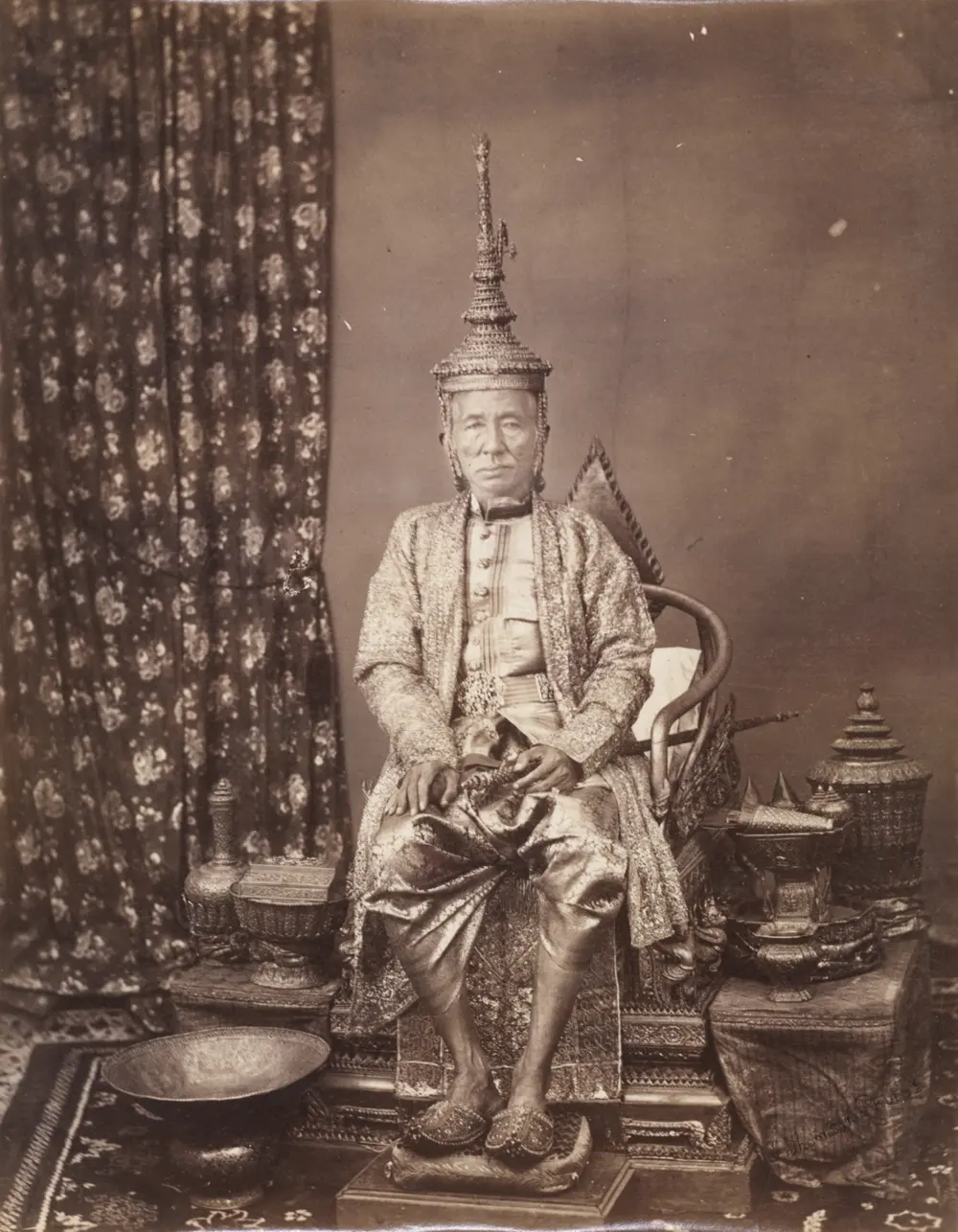
Read about him 1804–1868King Mongkut, Rama IV
A monk for 27 years before he was king, a scholar of Pali and the founder of the Dhammayuttika order.
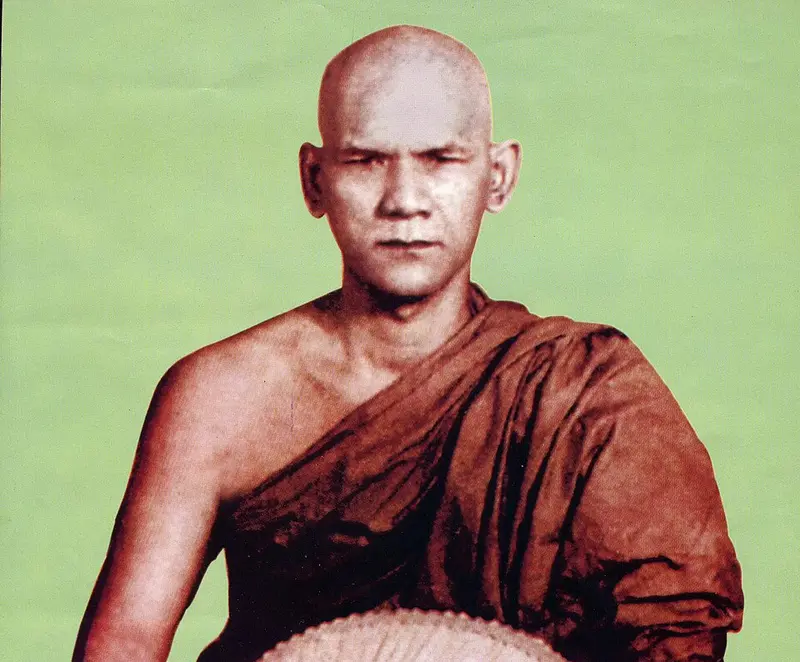
Read about him 1913–2011Ajahn Maha Bua
Student and biographer of Ajahn Mun, founder of Wat Pa Baan Taad, and the voice of Thais Help the Thai Nation in 1997.
Read about himOne for every day, and a second one for Wednesday night.
Where the colours come from. Thai tradition tells that Phra Isuan, the god Shiva, made each god of the week from beings ground to powder, wrapped in cloth and woken with holy water. The colour of the cloth became the colour of the god, and the colour of the god became the colour of the day.
Pick a day to read its story.
Standing, hands folded, eyes resting on the tree of awakening.
Six lions, wrapped in red cloth.
Standing, both palms raised forward.
Fifteen celestial maidens, wrapped in pale yellow cloth.
Lying on the right side, head resting on the hand.
Eight buffalo, wrapped in pink cloth.
Standing, the bowl held close with both hands.
Seventeen elephants, wrapped in leaf green cloth.
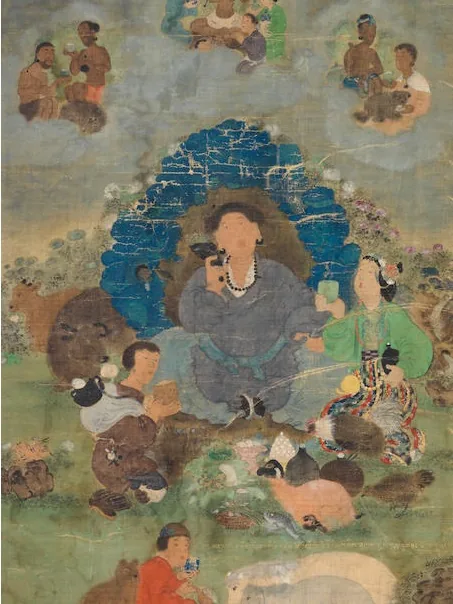
Seated alone, offered water and fruit by an elephant and a monkey.
The hours of Rahu, the shadow planet of the eclipse.
Seated, hands resting in the lap.
Nineteen hermits, wrapped in orange cloth.
Standing, arms crossed over the chest.
Twenty one cows, wrapped in blue cloth.
Seated beneath the hood of a seven headed serpent.
Ten tigers, wrapped in dark cloth.
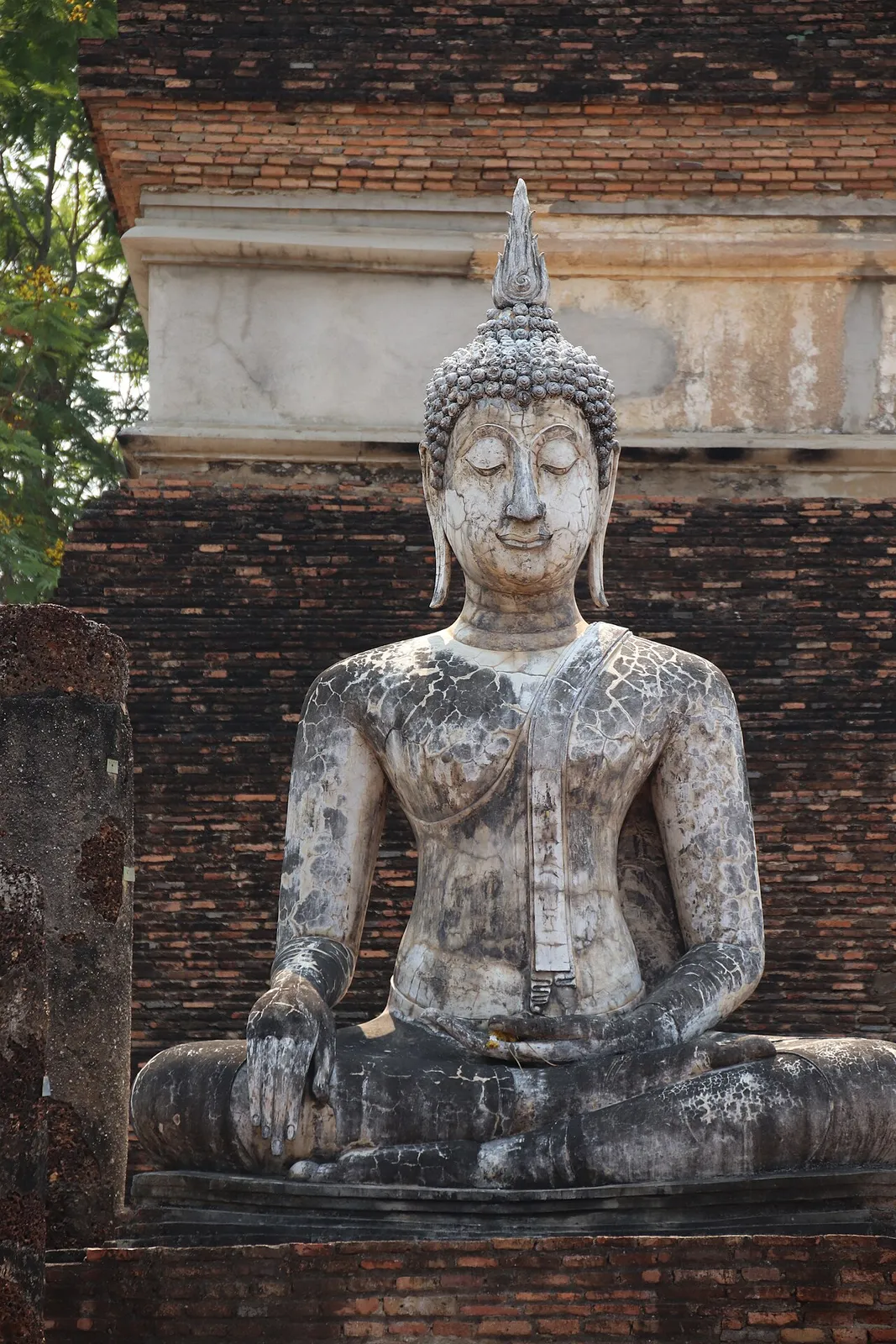
Sit. Stand. Walk. Rest. Every posture is a way of coming home.