
Study for everyone
He wrote his guides so that anyone could learn them in a few months of effort.
From Erik Braun, The Many Lives of Insight, Harvard Divinity Bulletin
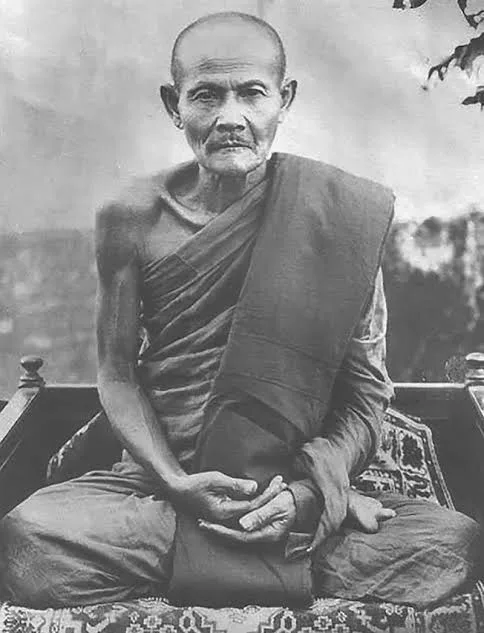
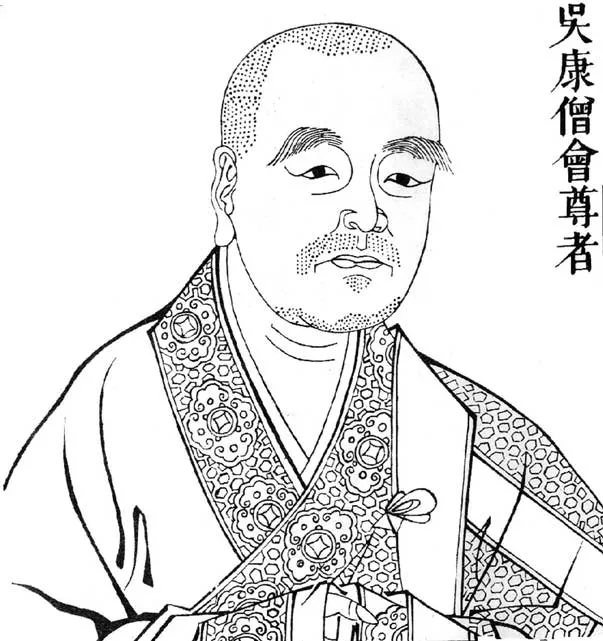
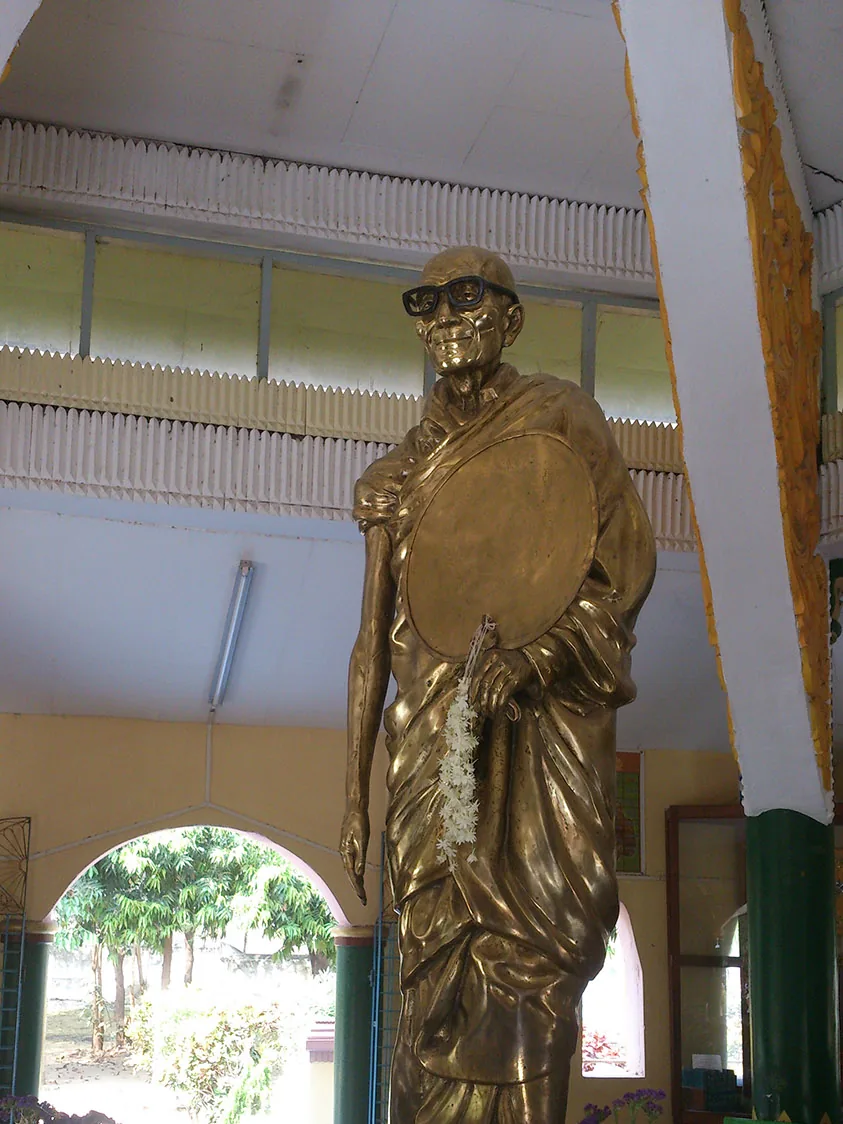
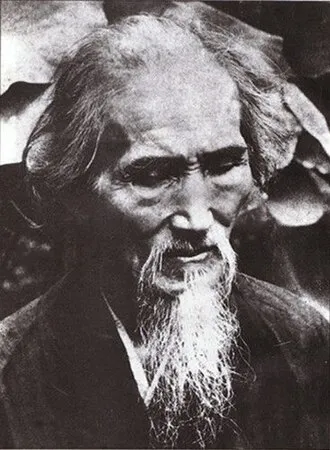
လယ်တီဆရာတော် Ñāṇadhaja · Ledi Sayadaw U Ñāṇadhaja · 1846–1923
A farmer’s son who studied for sixteen years in the royal capital, lost everything in a fire, and went to the forest to practise what he knew.
Theravada · Burmese insight meditation
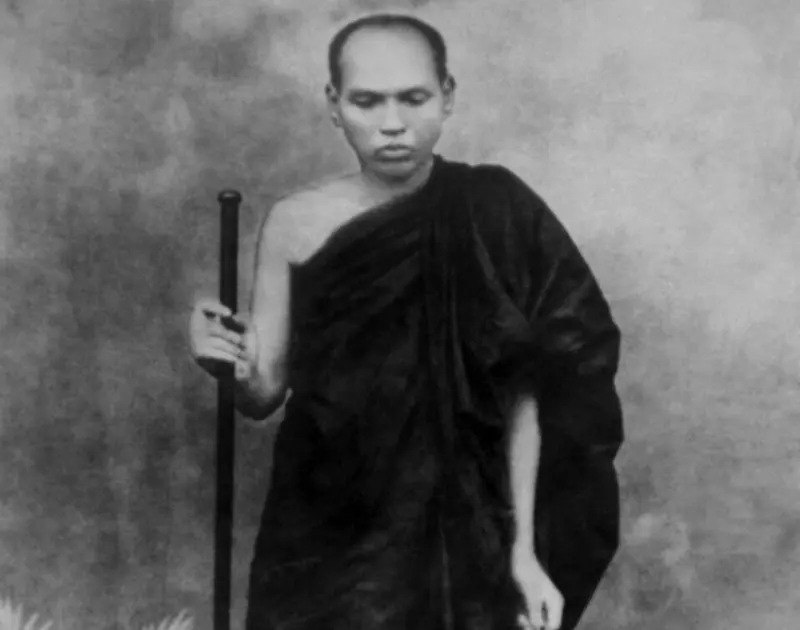
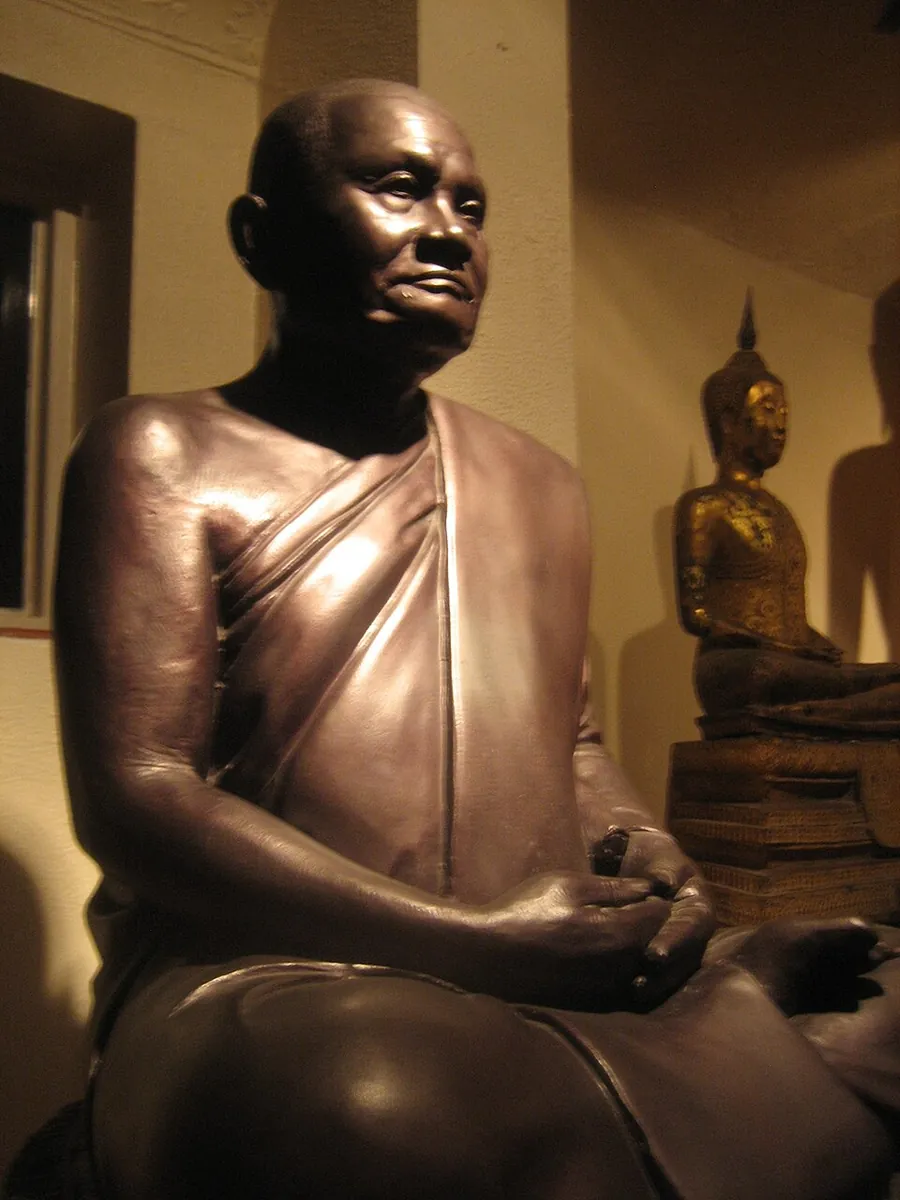
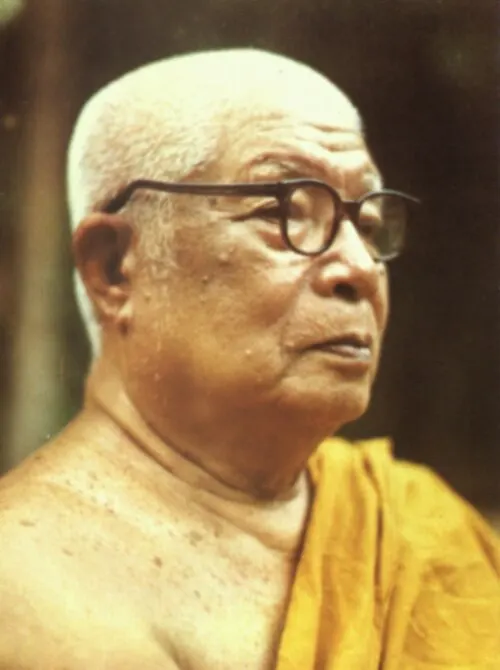
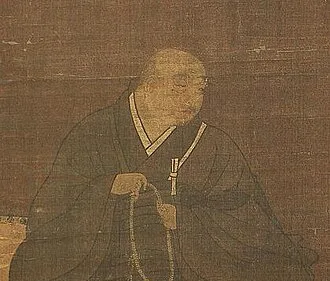
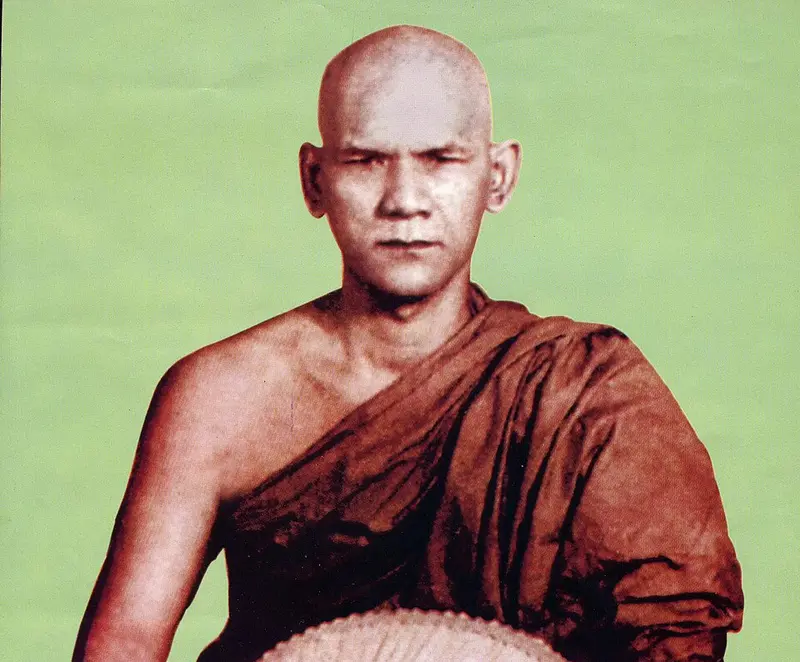
Ledi Sayadaw (1846–1923) was a Burmese Theravāda monk and scholar who made insight meditation, vipassanā, available to lay people. As British rule spread over Burma, he travelled, preached and wrote in plain Burmese, teaching ordinary people the Abhidhamma and meditation, and began the line of teachers that led to the vipassanā movement of today.


Before him, deep meditation was thought to be for monks. He taught it to fishermen, hunters and farmers, and wrote that a layperson could be a monk in the world.

He wrote scores of books, poems and essays in Burmese, and taught lay people the Abhidhamma, which had been thought too difficult for them.

Through his student Saya Thet Gyi and then U Ba Khin, his way of practice became one of the roots of the insight meditation taught around the world today.
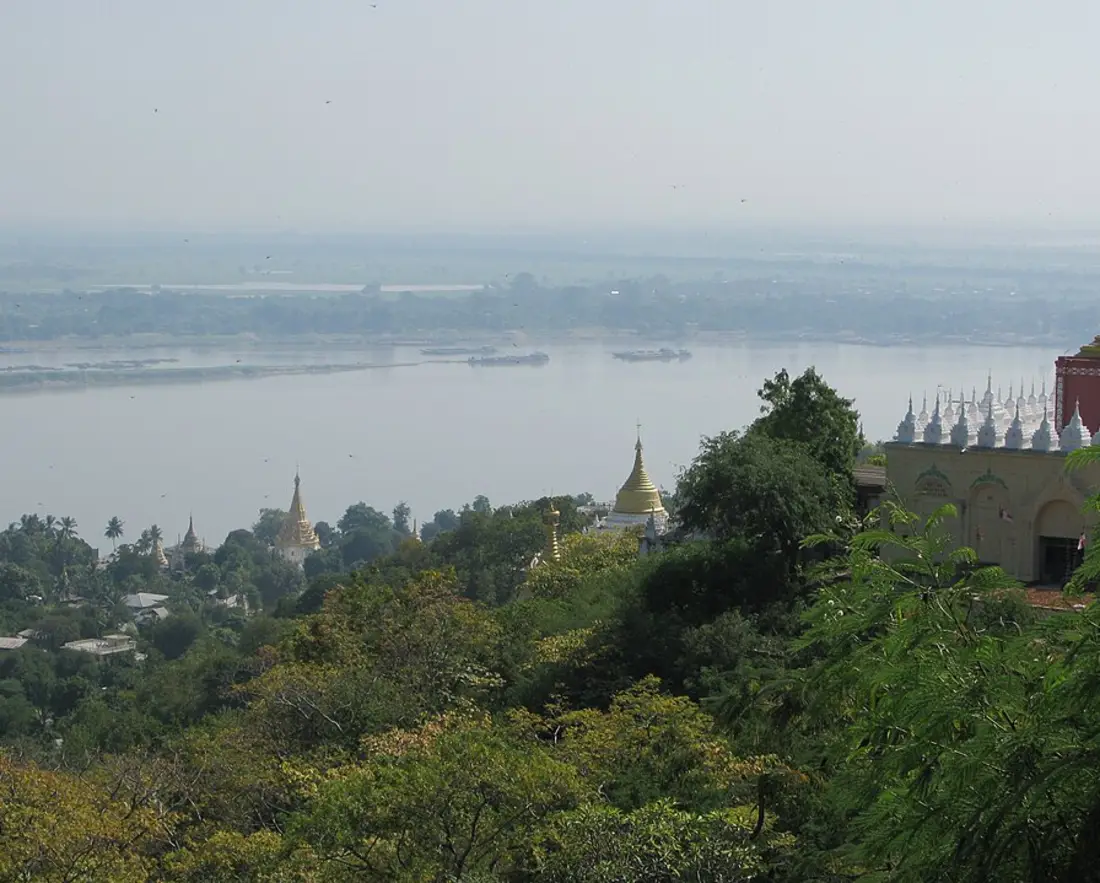
From a jungle village to the royal monastery in Mandalay, to the Ledi forest and the caves of the Chindwin. Scroll, and walk it with him.
Born in Saingpyin, a village in Upper Burma about sixty miles from the royal capital, Mandalay, into a family of farmers. He becomes a novice at ten.
At twenty he sets out alone for Mandalay and wins a place at Thanjaun, one of the most prestigious monasteries in the kingdom. He studies there for sixteen years.
A great fire burns Thanjaun and the whole northern quarter of the city. He loses his home and the notes for a book he had worked on for years.
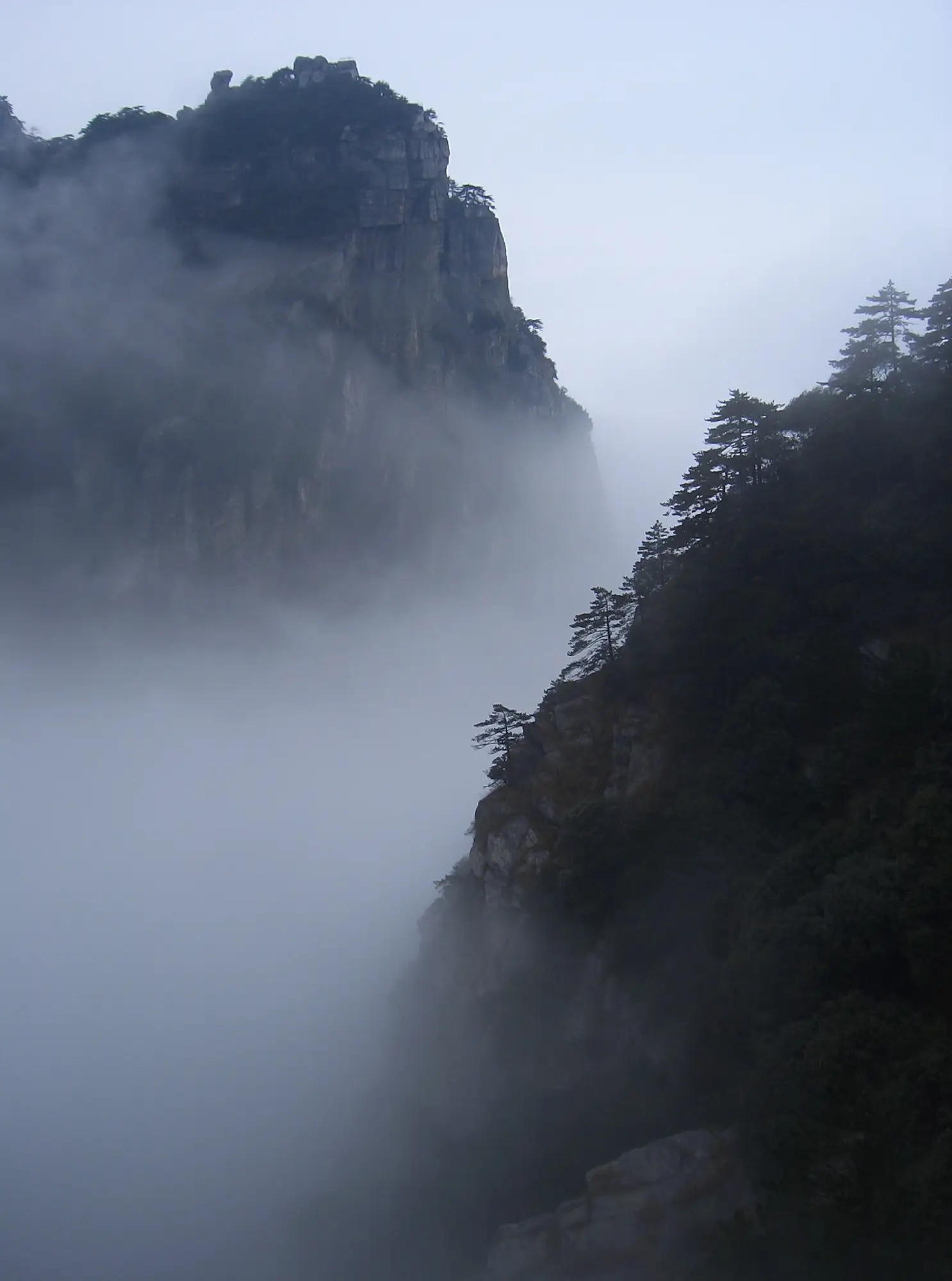
Back near his home region he founds a forest monastery in the Ledi forest, which gives him his name, and begins to meditate in earnest.
The British take the royal capital. He feels there is little time left to keep the teaching alive, and writes a letter in verse urging Burmese Buddhists not to eat beef.
Gives up control of his monastery and moves into mountain caves on the Chindwin River to practise.
Preaches across Burma, writes in Burmese and Pali, and organises lay people into groups for study and practice.
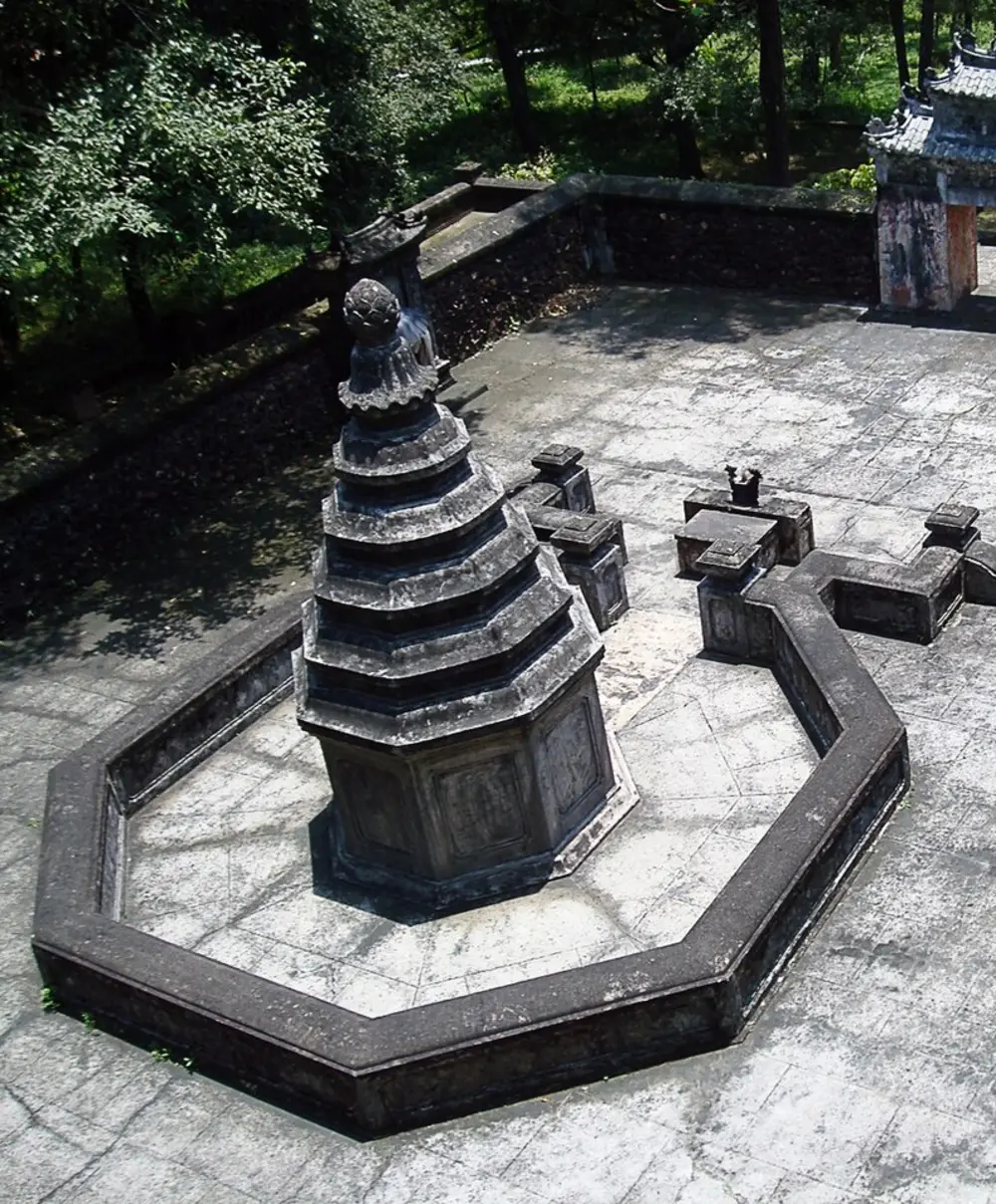
Dies in Pyinmana, having taught meditation to many thousands.

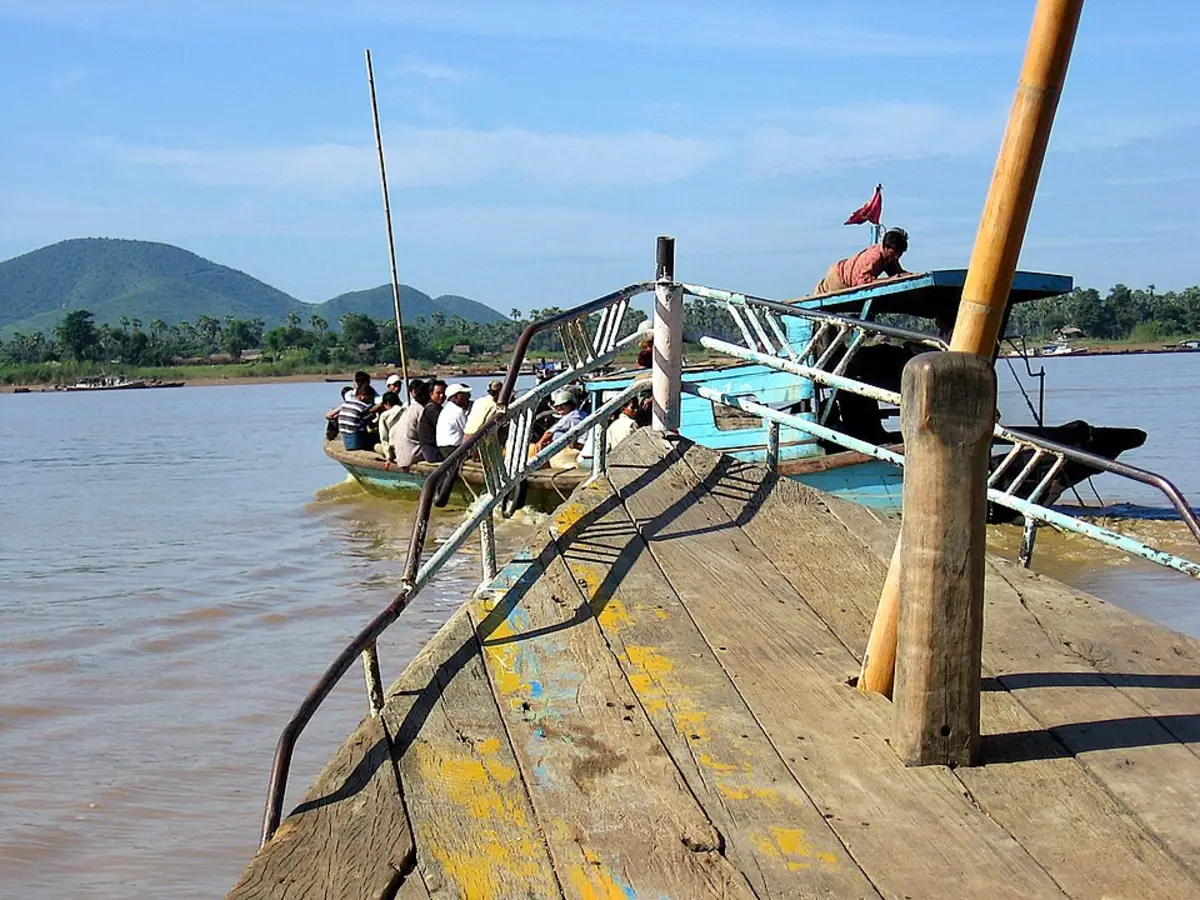

He taught that insight does not need a monastery. If understanding is ready, it can open in the middle of an ordinary day.
A layperson who practised, he said, could be called a monk in the world.
From Erik Braun, The Insight Revolution, Lion’s Roar, 2013
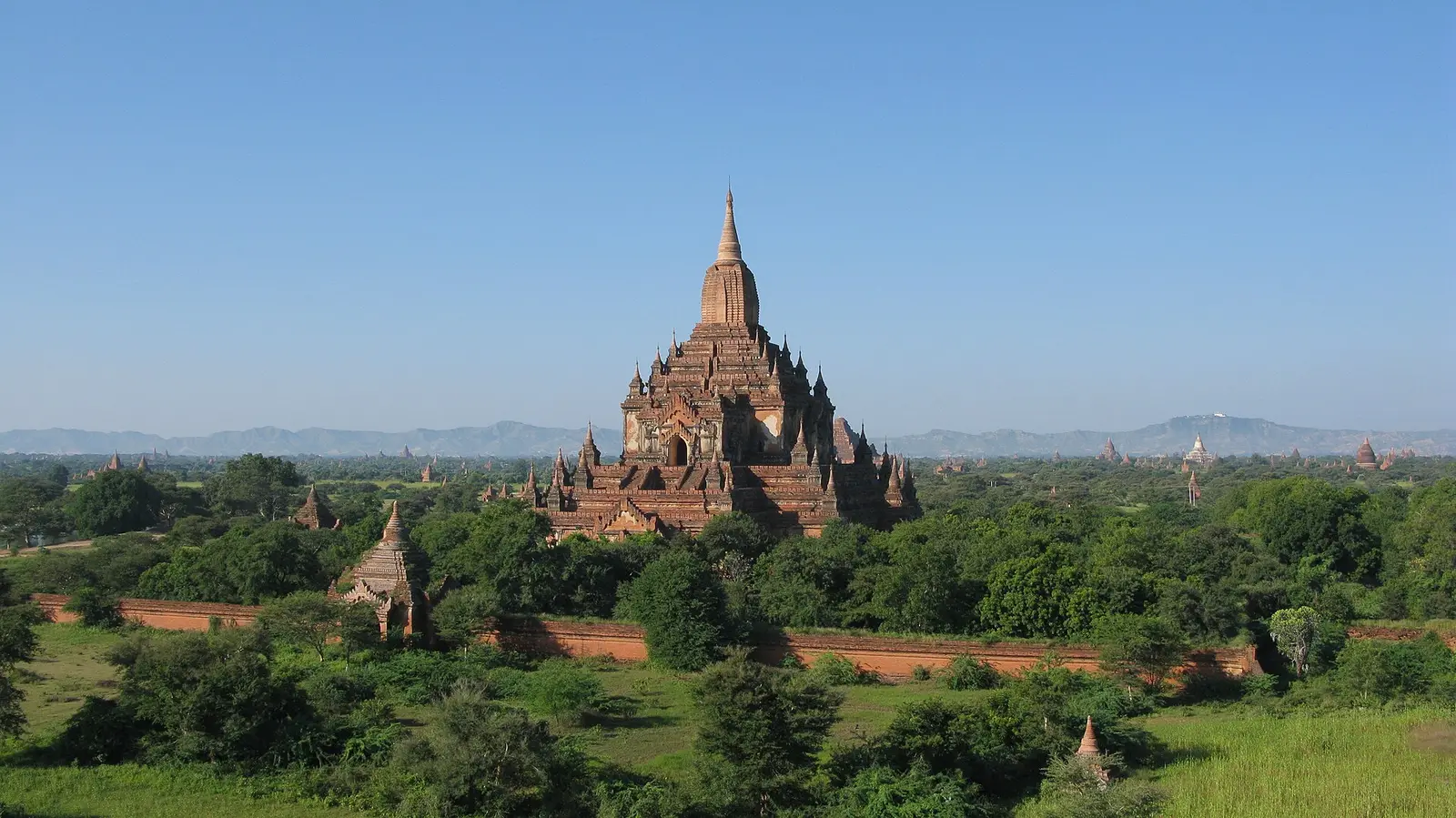
He gave beginners one clear object: the body as earth, water, fire and wind, solidity, cohesion, warmth and movement.
Master that, he said, and the rest of the teaching has somewhere to grow.
From Erik Braun, The Many Lives of Insight, Harvard Divinity Bulletin
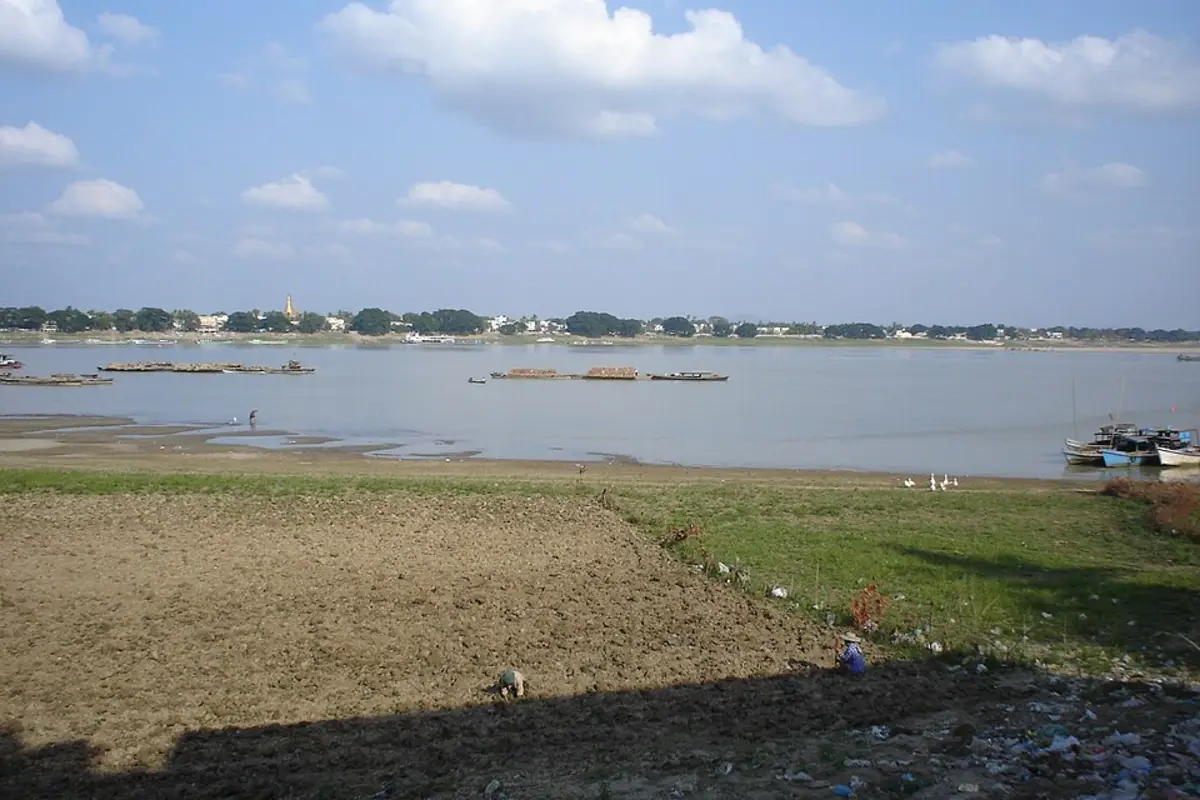
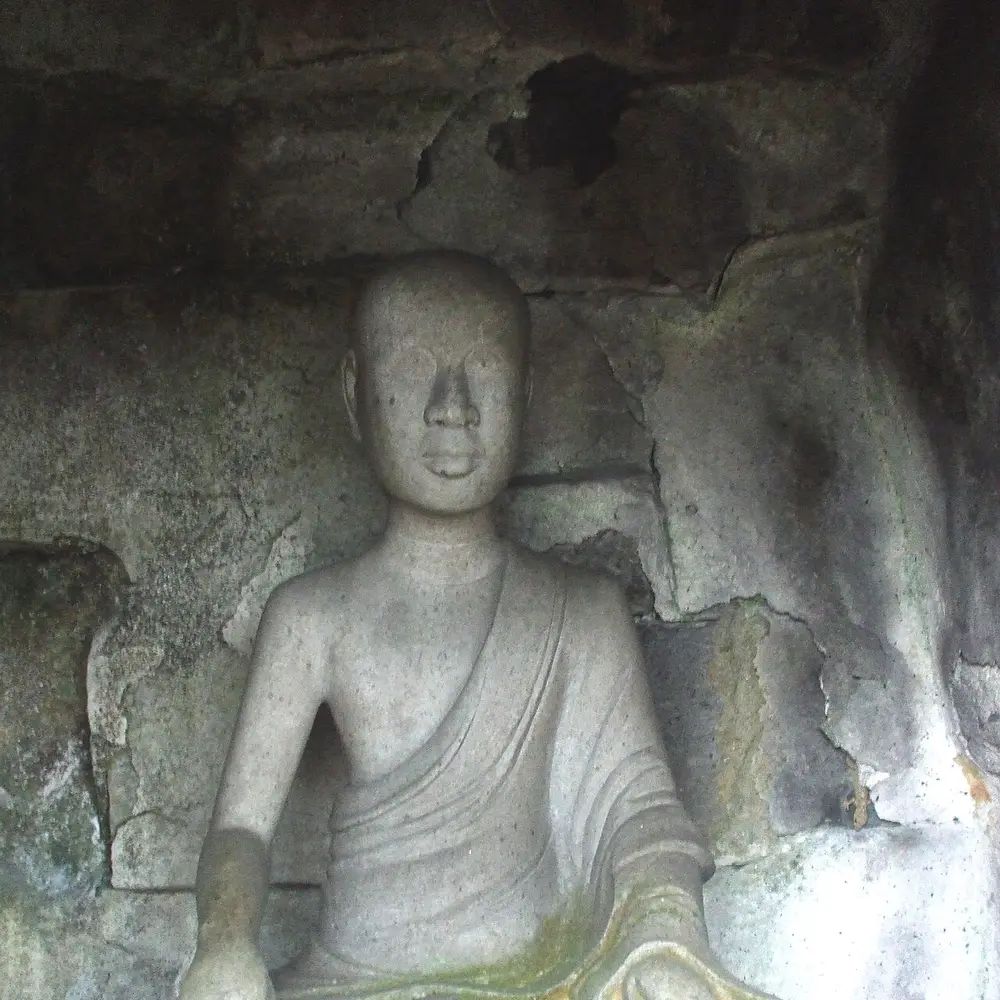
After decades of teaching, he handed over his monastery and went into the caves above the Chindwin to practise alone.
From there he came out again to teach, travel and write.
From Erik Braun, The Insight Revolution, Lion’s Roar, 2013
He wrote his guides so that anyone could learn them in a few months of effort.
From Erik Braun, The Many Lives of Insight, Harvard Divinity Bulletin
Not rank, not robes, not the number of years: what counts is whether understanding has matured.
From Erik Braun, The Many Lives of Insight, Harvard Divinity Bulletin
When understanding is ripe, insight into change can come while listening to a talk, or in the middle of an ordinary household day.

In one session this week, feel the body as four: what is solid, what is fluid, what is warm, what moves.
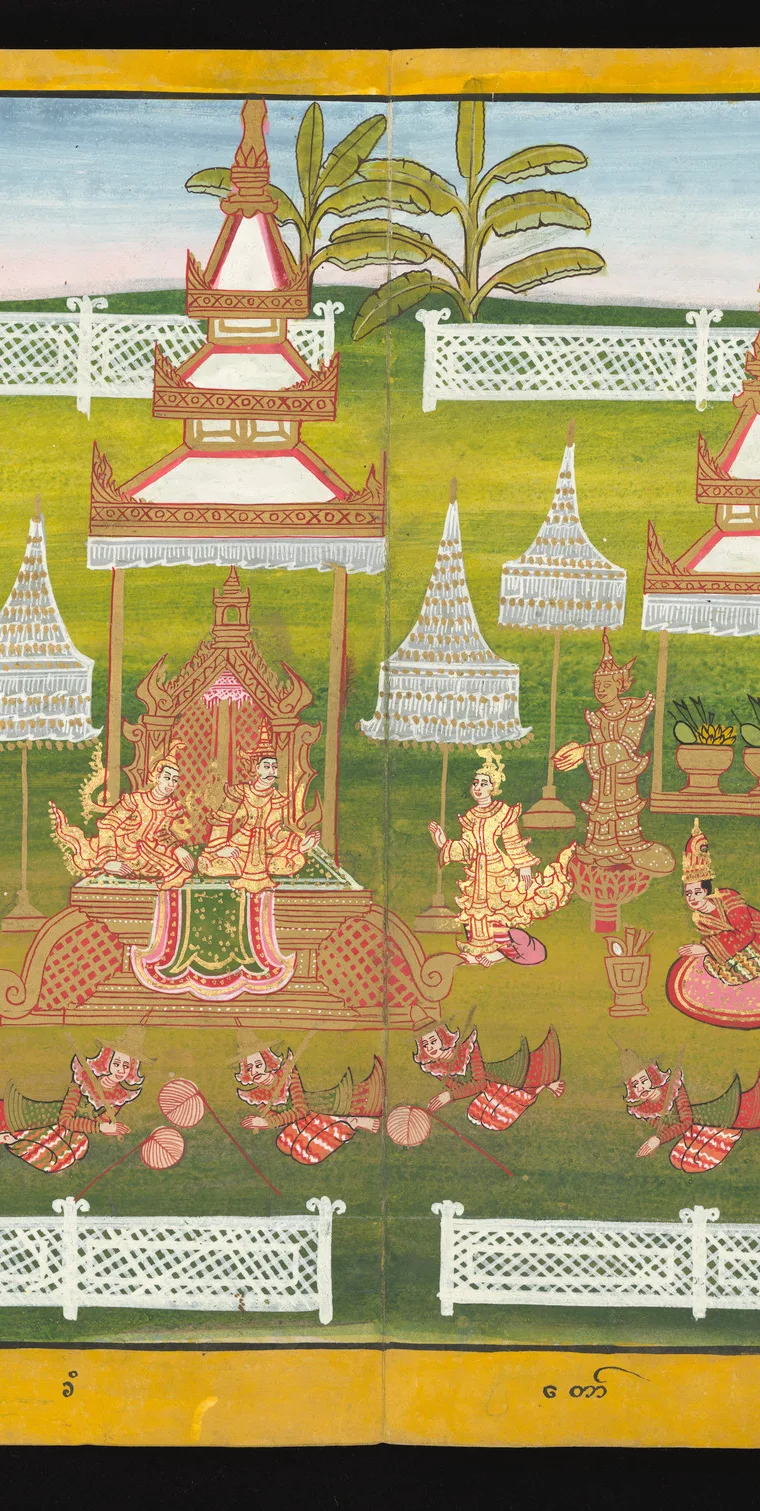
His books are still read in Myanmar, and the line of teachers that began with him and his lay student Saya Thet Gyi runs through U Ba Khin to meditation centres all over the world.