


Myanmar · The path behind it

Mingun Sayadaw

မင်းကွန်းဆရာတော် Vicittasārābhivaṃsa · Maung Khin · 1911–1993

A village boy from the dry heart of Burma who learned the Buddha’s words by heart, all of them.

Theravada · Tipitakadhara

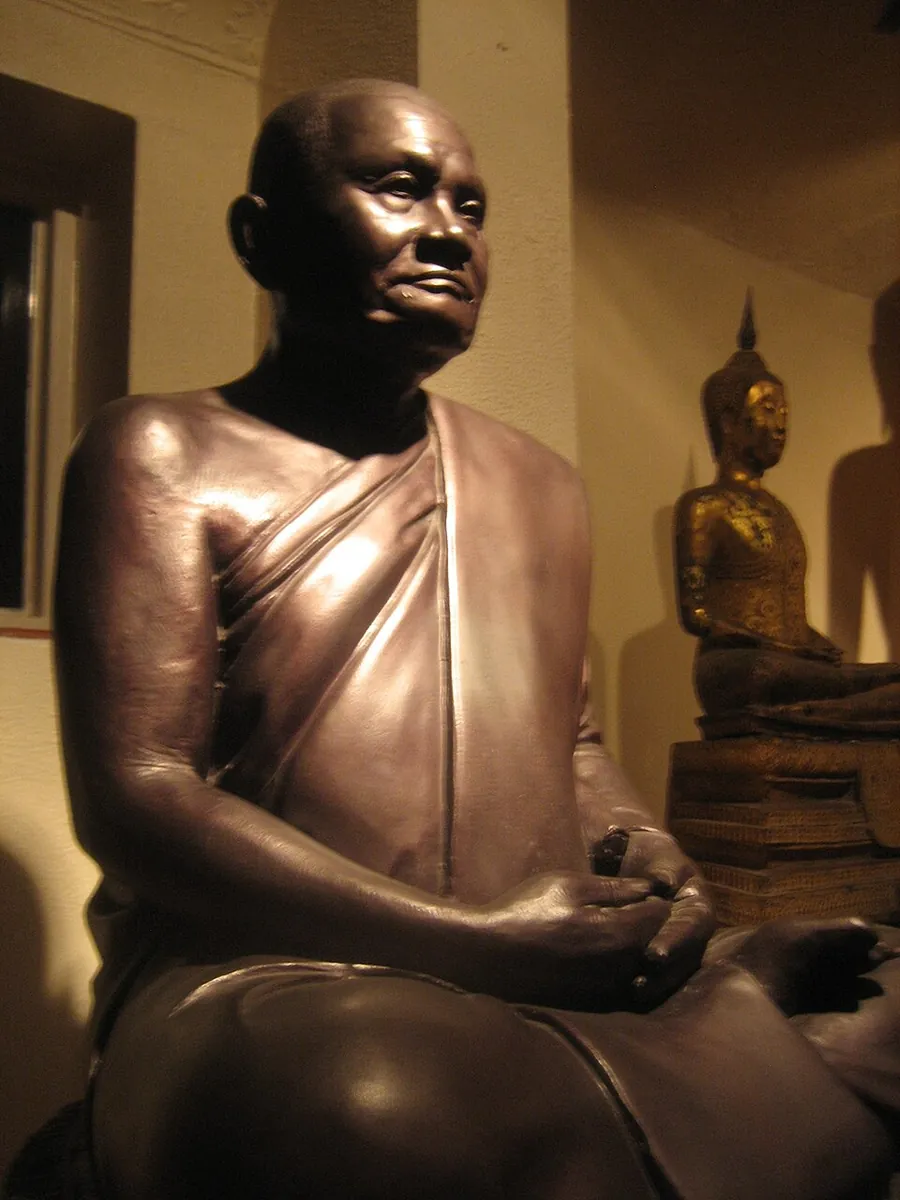
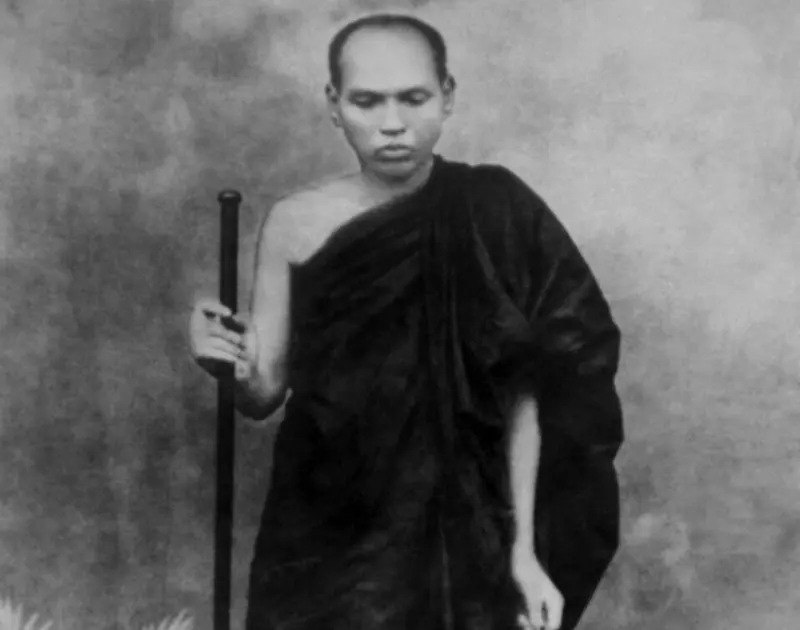
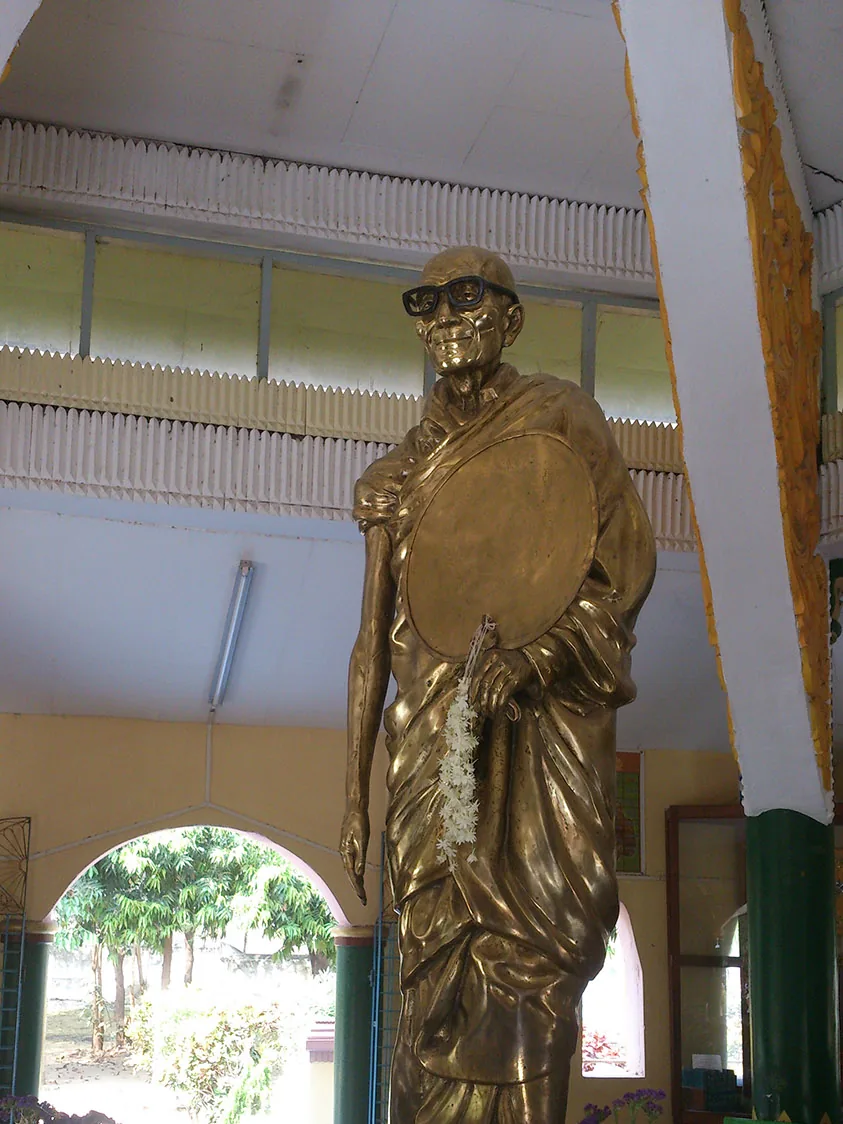
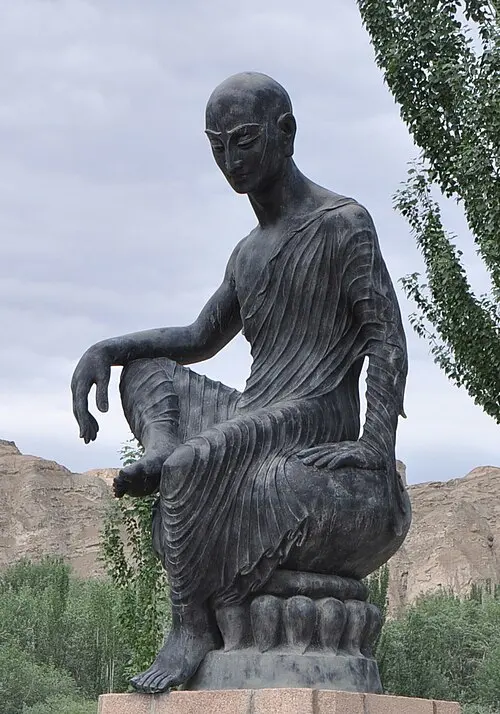
A bronze statue of Mingun Sayadaw

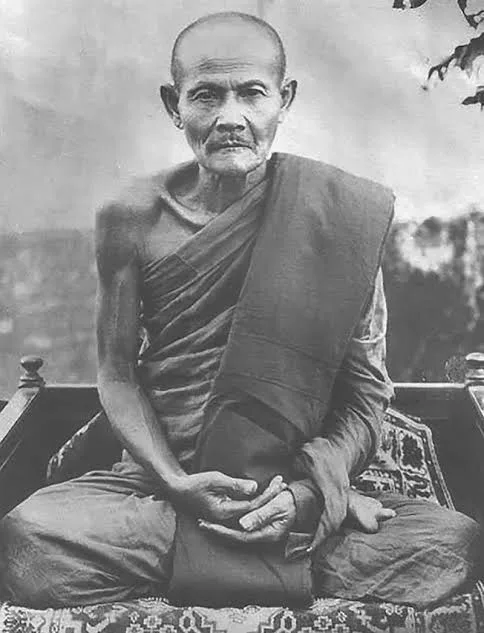
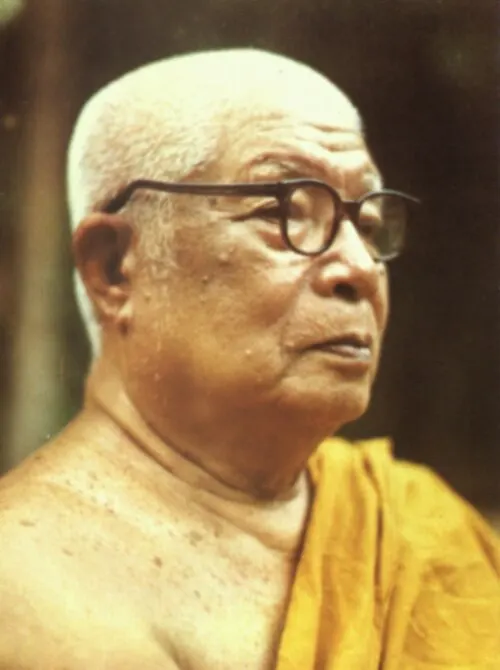
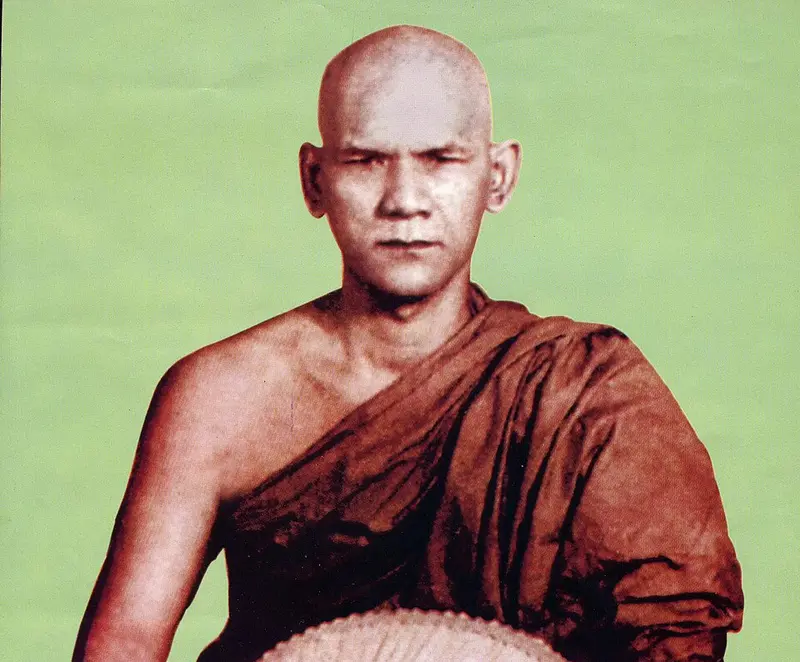
Mingun Sayadaw U Vicittasārābhivaṃsa (1911–1993) was a Burmese monk who in 1953 became the first to earn the title Tipiṭakadhara, bearer of the Three Baskets, by reciting the whole Pali canon from memory. At the Sixth Buddhist Council he answered the questions on the canon, and later he wrote the Great Chronicle of Buddhas.

Why he matters

The whole canon

In 1953 he became the first monk to pass the Tipiṭakadhara examinations. In 1985 the Guinness Book of Records listed his recital of about 16,000 pages of the canon.

The Sixth Council

At the Sixth Buddhist Council of 1954 to 1956 he answered the questions on all three baskets of the canon. The questions were put by Mahāsi Sayadaw.

Care for the Sangha

He worked for hospitals for monks and nuns, for the two Buddhist universities, and for the training of young monks to carry the canon after him.

His life

From a village near Myingyan to Mingun on the Irrawaddy, with the whole canon in his memory. Scroll, and walk it with him.

  1. 1911

    Born in November in a village near Myingyan, in central Burma, and named Maung Khin. The sources differ on the day and the village.

  2. Age 10

    Ordained as a novice by Sayadaw U Sobhita in Myingyan, with the name Shin Vicittasara.

  3. 1930

    Moves to Dhammānanda monastery in Mingun and receives full ordination. The learned nun Daw Dhammacārī and Sir U Thwin support him.

  4. 1950–1953

    Sits the new, long Tipiṭakadhara examinations, and in 1953 becomes the first to hold the title.

  5. 1954–1956

    Answers the questions on the canon at the Sixth Buddhist Council in Yangon.

  6. 1956–1969

    At the request of Prime Minister U Nu he writes the Great Chronicle of Buddhas, six volumes in eight books.

  7. 1985

    The Guinness Book of Records lists his feat of memory.

  8. 1993

    Dies at the age of 81.

What he taught

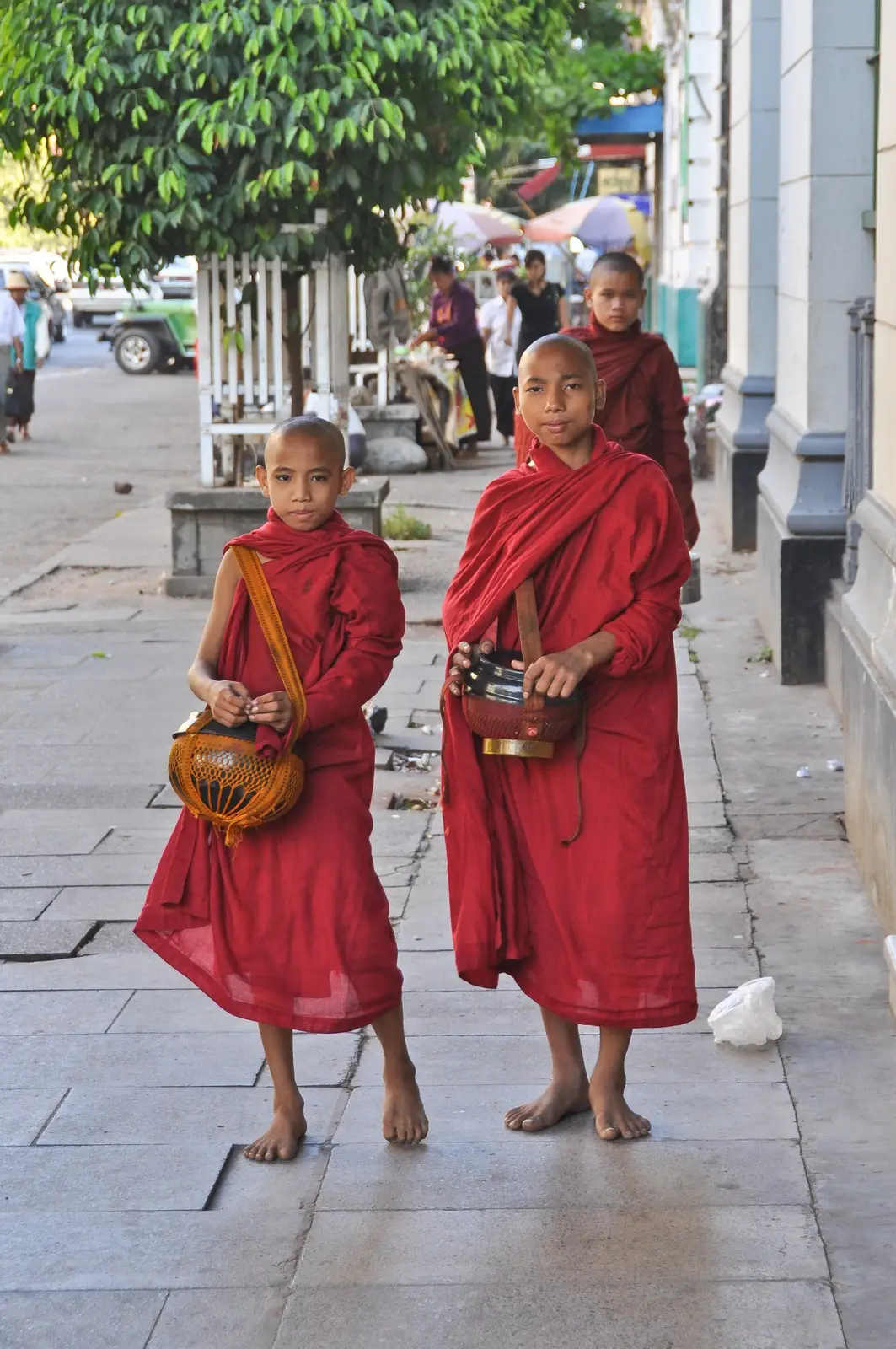
Young novice monks walking together
Teaching 01 · Breath

By heart

From the age of thirteen he sat religious examinations almost every year, and passed them with distinction.

The Tipiṭakadhara examination took him four years: he recited all three baskets of the canon and wrote papers on all the texts and their commentaries.

From The Author, in The Great Chronicle of Buddhas, tr. U Ko Lay and U Tin Lwin (Ancient Buddhist Texts) and Wikipedia: Mingun Sayadaw (cross-check only)

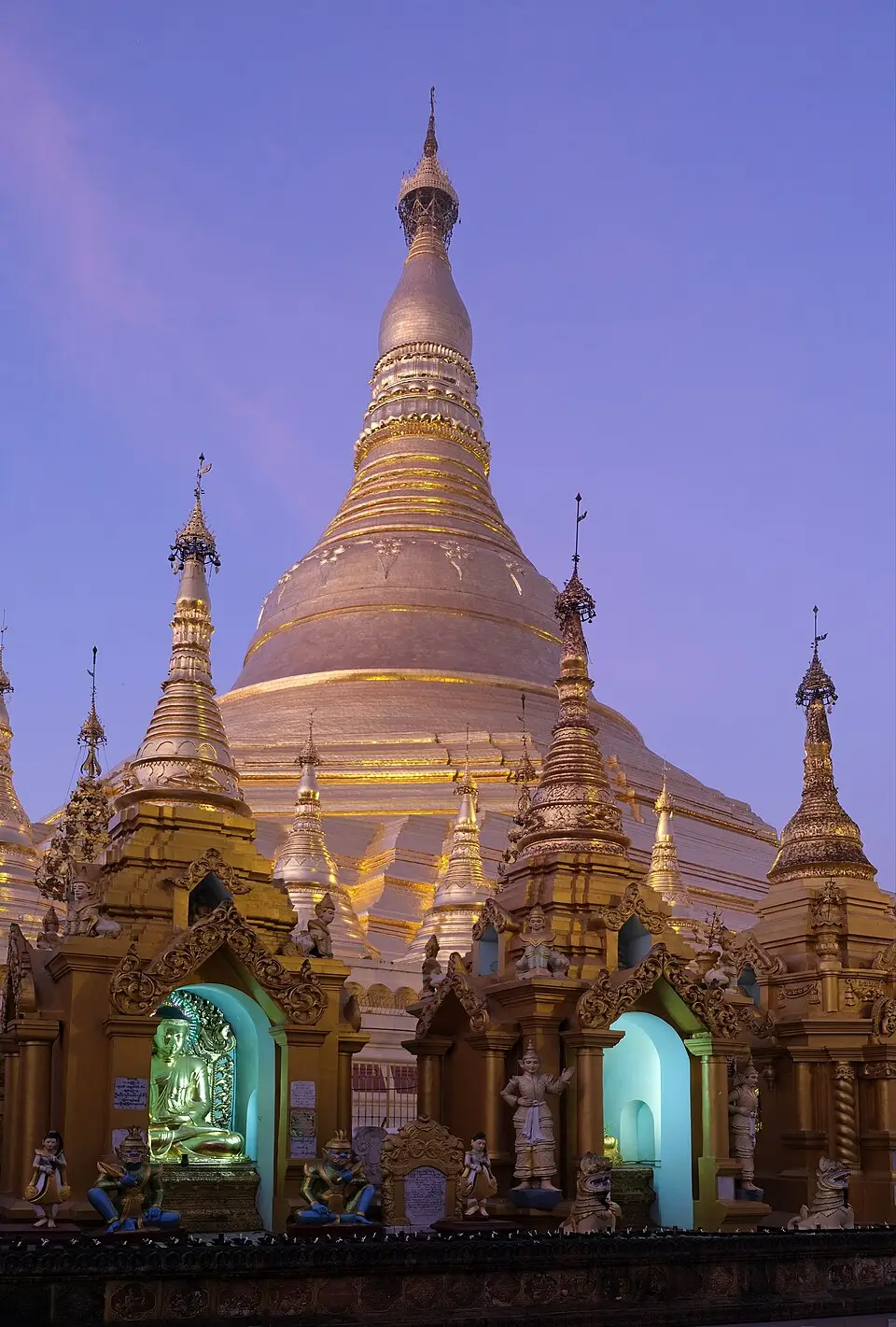
The Shwedagon pagoda in Yangon, the city of the Sixth Council
Teaching 02 · Movement

The Council

At the Sixth Buddhist Council, held in a great hall built for it in Yangon, Mahāsi Sayadaw asked the questions and Mingun Sayadaw answered them, on every part of the canon.

He also edited the canonical texts that the Council approved.

From The Author, in The Great Chronicle of Buddhas, tr. U Ko Lay and U Tin Lwin (Ancient Buddhist Texts) and Wikipedia: Mingun Sayadaw (cross-check only)

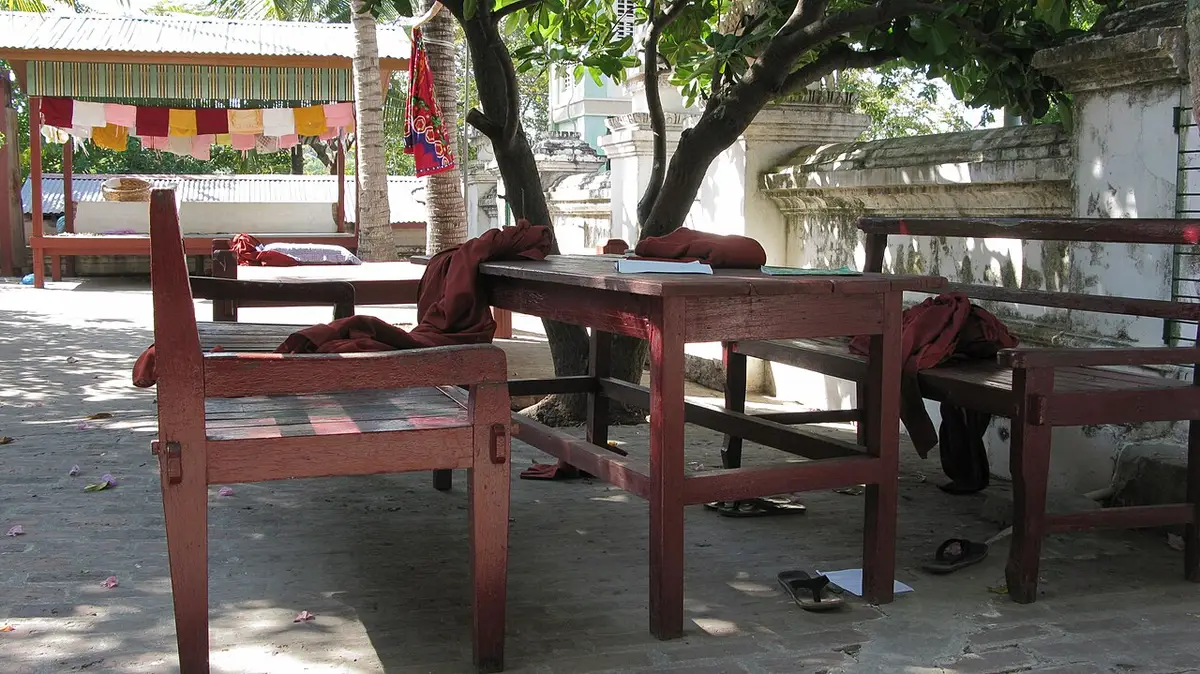
A quiet corner of a Buddhist monastery in Sagaing, with robes drying
Teaching 03 · Stillness

The chronicle

After the Council he wrote, in Burmese, the Great Chronicle of Buddhas: the lives of the Buddhas as the canon tells them.

It took him from 1956 to 1969 and fills six volumes in eight books.

From The Author, in The Great Chronicle of Buddhas, tr. U Ko Lay and U Tin Lwin (Ancient Buddhist Texts)

And two more
Teaching 04

Hospitals before ornaments

When donors offered to decorate his monastery, he asked them to build hospitals, clinics or schools instead. A hospital for monks and nuns was built in Mandalay.

From Wikipedia: Mingun Sayadaw (cross-check only) and The Author, in The Great Chronicle of Buddhas, tr. U Ko Lay and U Tin Lwin (Ancient Buddhist Texts)
Teaching 05

Bearers to come

He founded the Tipiṭaka Nikāya organisation to train young monks to bear the canon after him. Twelve more monks had earned the title by 2023.

From The Author, in The Great Chronicle of Buddhas, tr. U Ko Lay and U Tin Lwin (Ancient Buddhist Texts)
Sabbapāpassa akaraṇaṁ, kusalassa upasampadā; sacittapariyodapanaṁ, etaṁ buddhāna sāsanaṁ.

Mingun Sayadaw · Dhammapada 183, from the canon he carried by heart: not doing evil, doing good, purifying the mind, this is the teaching of the Buddhas
For your week · Stillness

This week, learn four short lines by heart, one a day, and say them slowly before sleep.

Where it happened
  • Myingyan, central BurmaWhere he was born in 1911, and his first years as a novice.
  • Dhammānanda monastery, MingunHis home from 1930 until his death.
  • YangonThe Sixth Buddhist Council, 1954 to 1956.
  • MandalayThe hospital for monks and nuns.
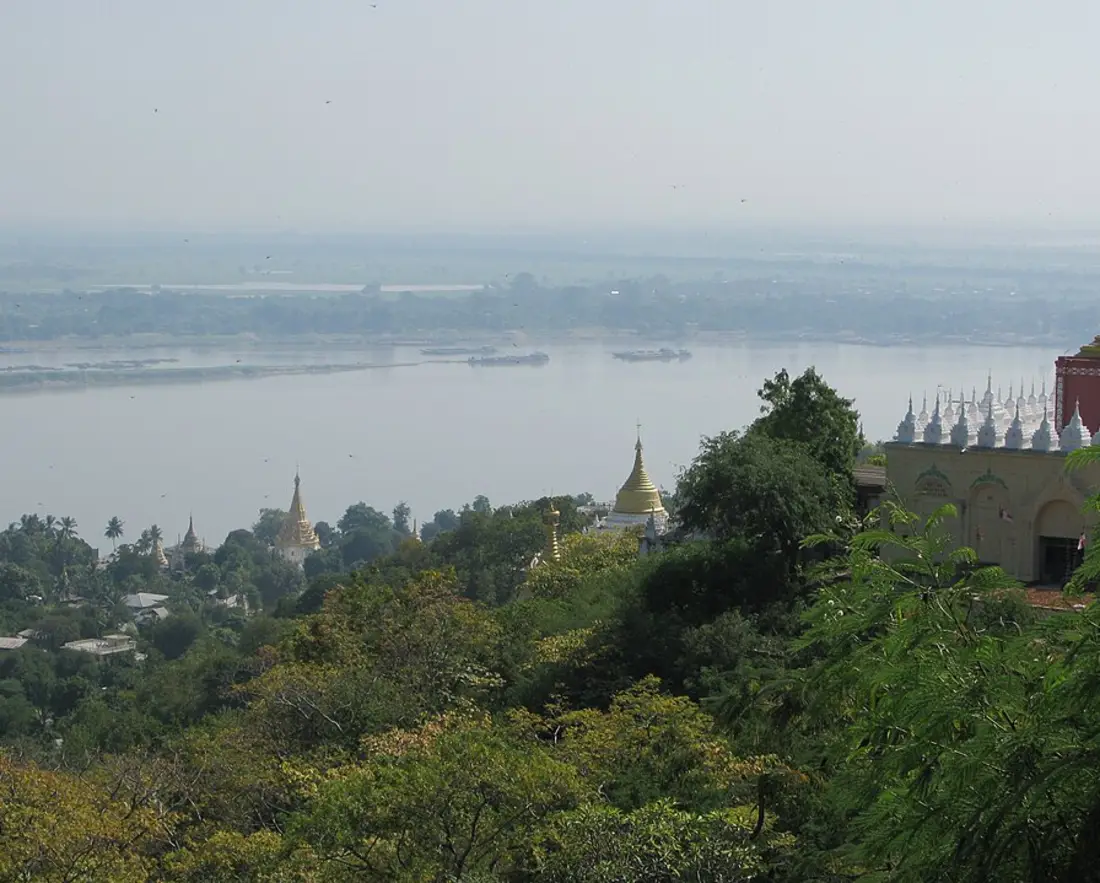
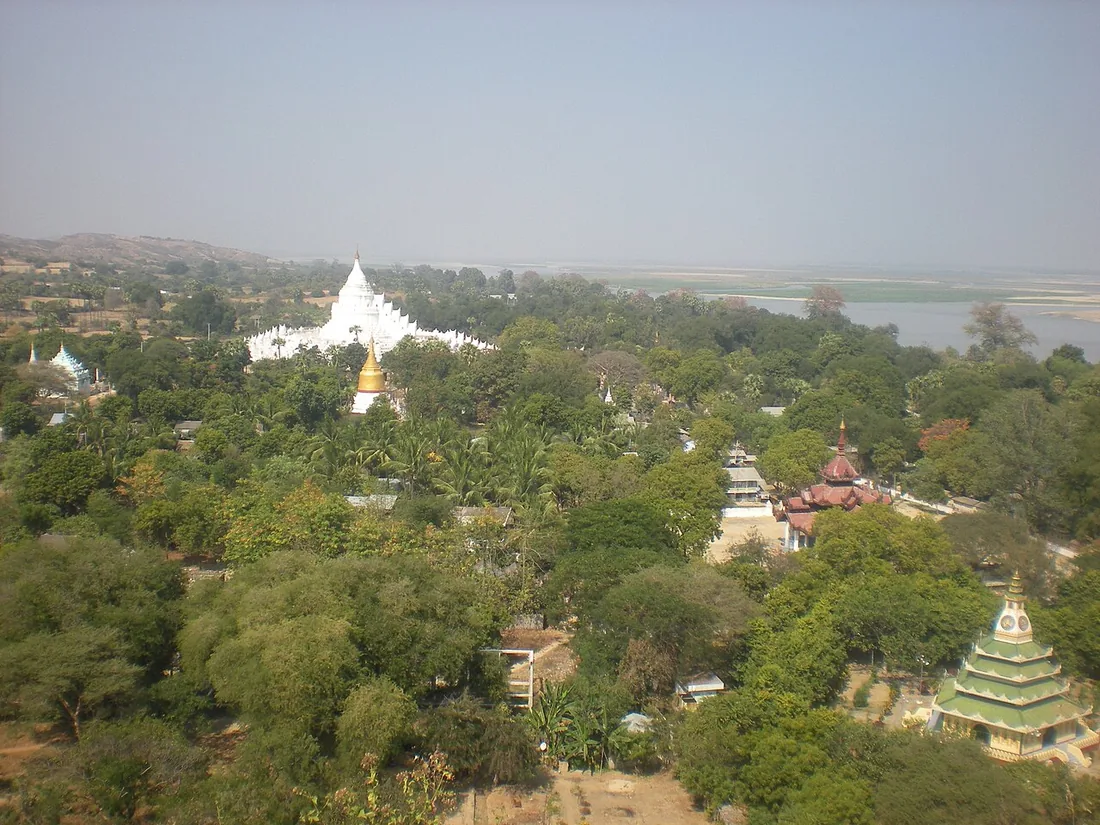
Mingun on the Irrawaddy, with the white Hsinbyume pagoda
What remains

The Tipiṭakadhara examinations go on, and since his title in 1953 a dozen more monks have earned it.

Next teacher Padmasambhava Back to · Mahabote Myanmar