










Tibet · The path behind it

Atiśa Dīpaṃkara

ཇོ་བོ་རྗེ Dīpaṃkara Śrījñāna · Jowo Je · c. 982–1054

A prince of Bengal who sailed for months to find his teacher, and crossed the Himalaya in old age to bring a clear path to Tibet.

Mahayana · Kadam

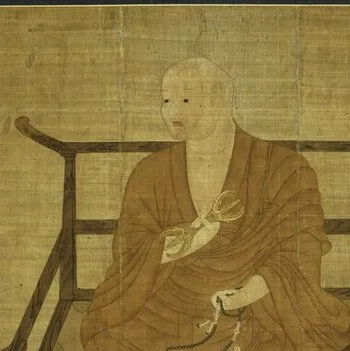
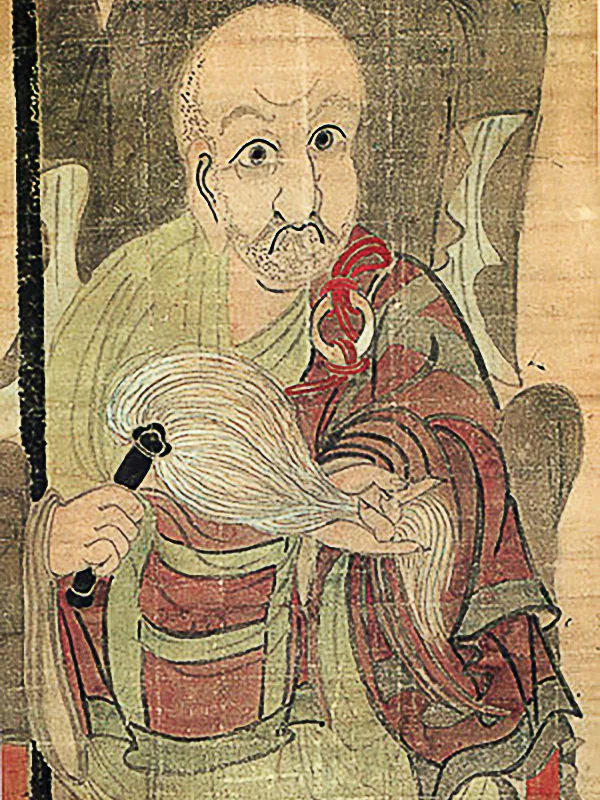
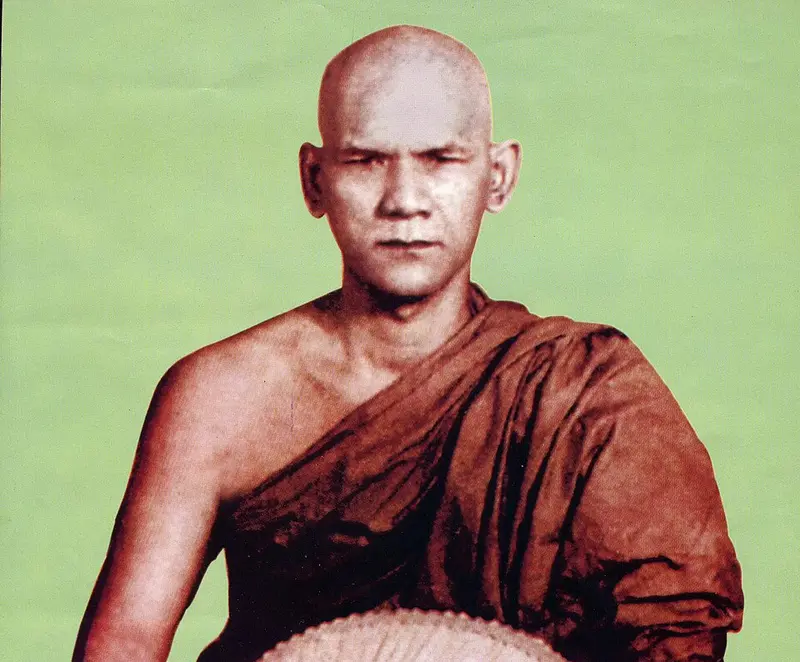
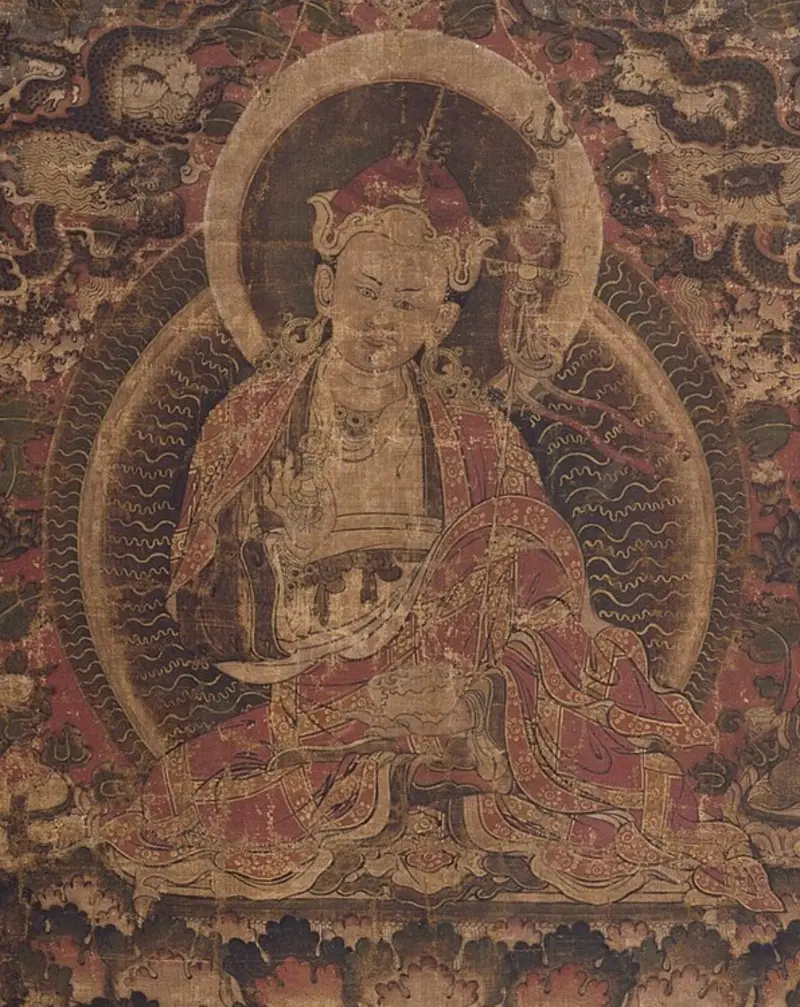
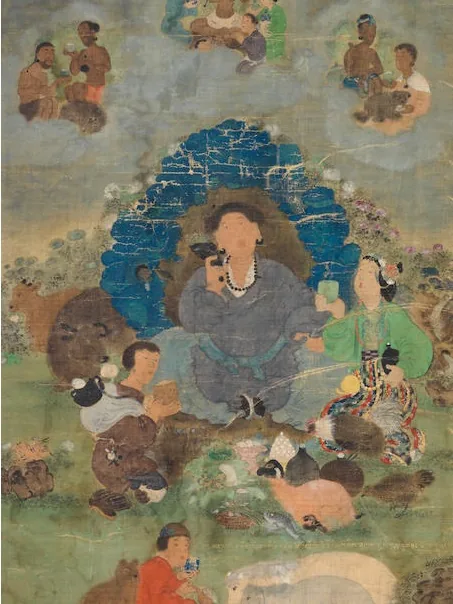
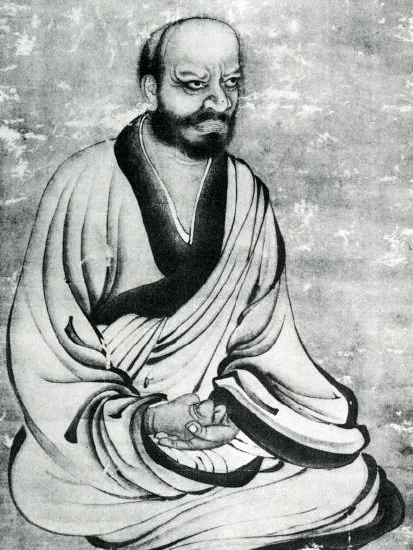
Atiśa holding a palm-leaf manuscript, in a Tibetan painting of the 12th century in the Metropolitan Museum of Art

Atiśa Dīpaṃkara Śrījñāna (c. 982–1054) was a Buddhist master from Bengal, a leading scholar of the monastery of Vikramaśīla, who travelled to Sumatra and later to Tibet. There he wrote the Lamp for the Path to Enlightenment, which shaped every school of Tibetan Buddhism, and with his disciple Dromtön founded the Kadam school.

Why he matters

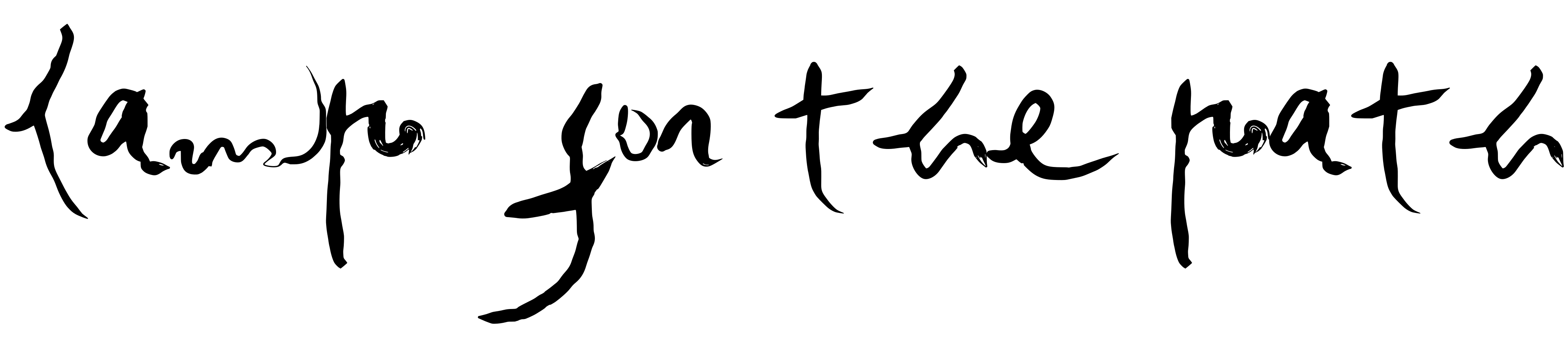
The Lamp for the Path

His short text in sixty-seven verses laid out the whole Buddhist path in stages, and became the model for the lamrim, the stages of the path, in Tibet.

Renewal in Tibet

Invited by the kings of western Tibet, he spent his last years teaching there and helped renew Buddhism after a long decline.

The root of Kadam

With his disciple Dromtön he is regarded as the founder of the Kadam school, whose teachings the Gelug later took up.

His life

From the royal house of Bengal, across the sea to Sumatra, and over the mountains to Tibet. Scroll, and walk it with him.

  1. c. 982

    Born in Vikramapura in Bengal, into a royal family, and named Chandragarbha. The Tibetan biographies give 980.

  2. Youth

    Studies widely in India and receives the name Dīpaṃkara Śrījñāna with his vows at nineteen, as the biographies tell.

  3. Suvarṇadvīpa

    Sails for months with merchants to Suvarṇadvīpa, in Sumatra, to study with its great teacher, and stays twelve years.

  4. Vikramaśīla

    Back in India he becomes the leading scholar of the great monastery of Vikramaśīla, at the request of the king.

  5. Tibet

    The kings of Guge in western Tibet send envoys with gold to invite him. He refuses the gold, then, in the end, agrees to go.

  6. Tholing

    At Tholing, the monastery of the kings, he writes the Lamp for the Path to Enlightenment.

  7. Central Tibet

    Teaches across Tibet for more than a decade. His chief disciple is the layman Dromtön.

  8. 1053 or 1054

    Dies at Nyethang, near Lhasa. The Tibetan biographies say 1053, at seventy three.

What he taught

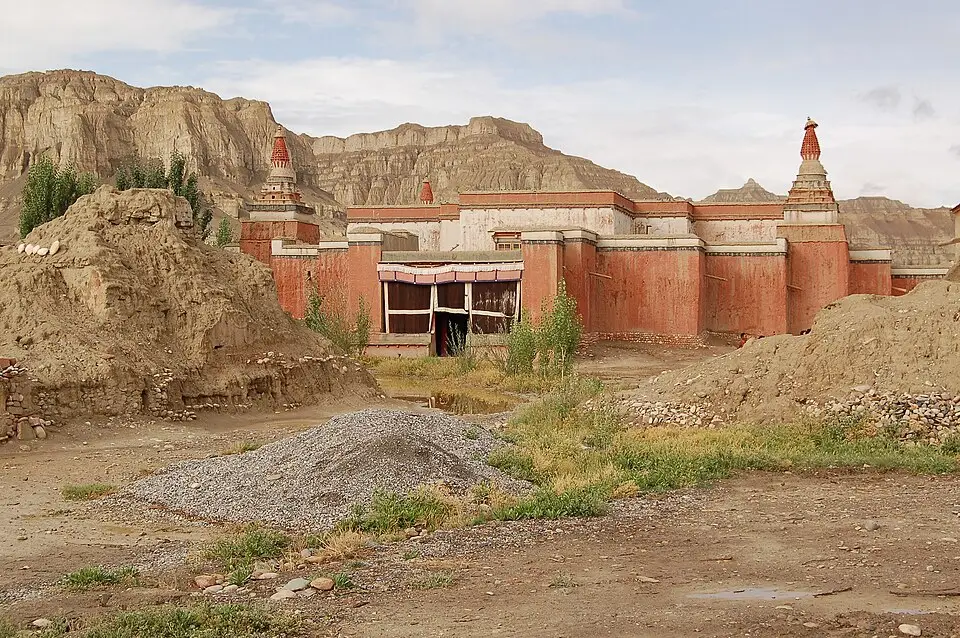
The red temple of Tholing monastery in western Tibet, where he wrote the Lamp
Teaching 01 · Breath

Lamp for the path

He wrote for people who were confused by too many teachings. His Lamp puts them in order: what to practise first, what next, what last.

Every school of Tibetan Buddhism has used its plan of stages since.

From Sarat Chandra Das, Indian Pandits in the Land of Snow, 1893, from the Tibetan biographies (archive.org), and Wikipedia: Atiśa

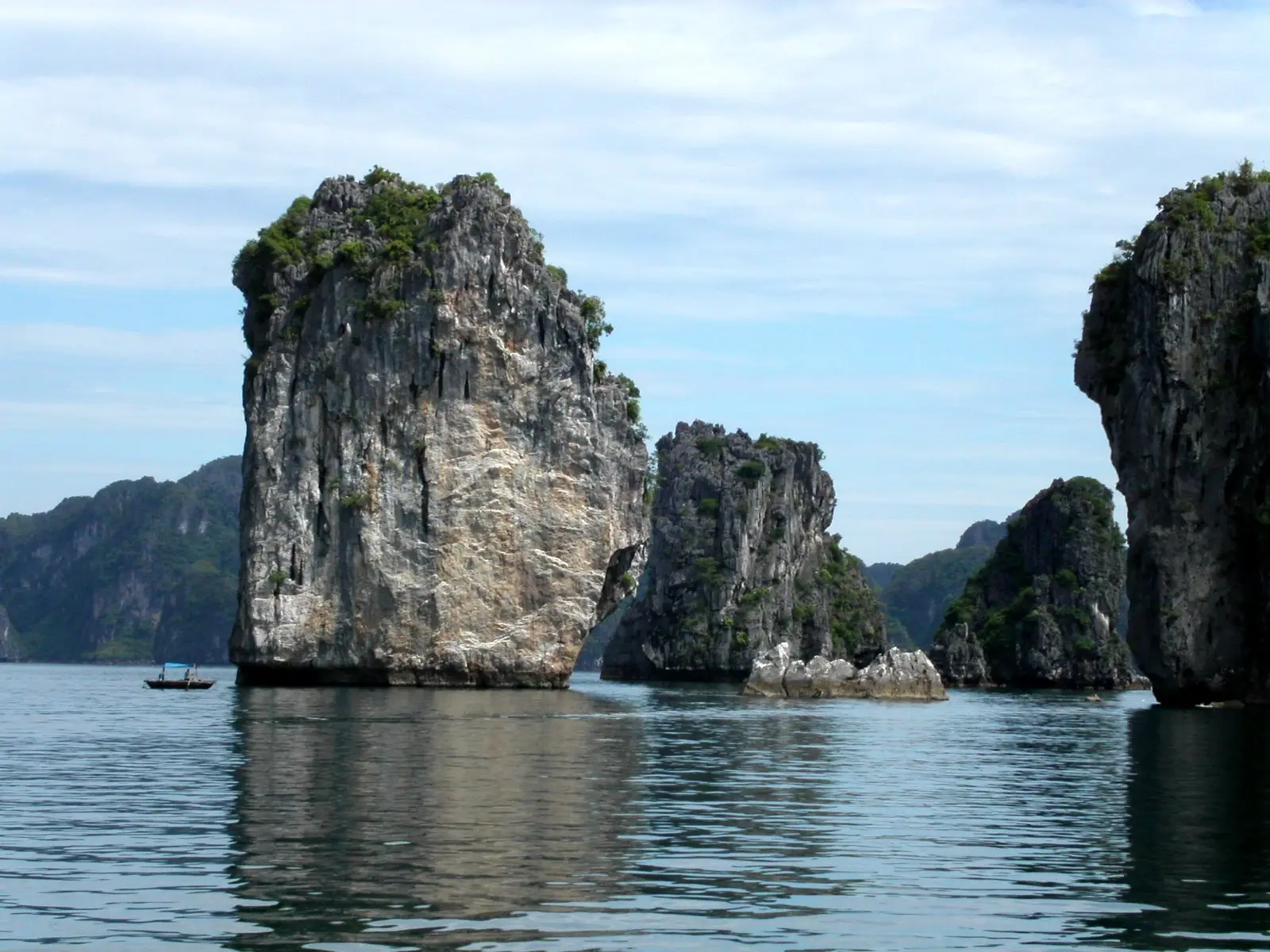
Limestone islands in a misty sea
Teaching 02 · Movement

Across the sea

To find the teacher he wanted, he took ship with merchants on a voyage of many months, through storms.

He stayed twelve years, and came home with the teaching he had gone for.

From Sarat Chandra Das, Indian Pandits in the Land of Snow, 1893, from the Tibetan biographies (archive.org)

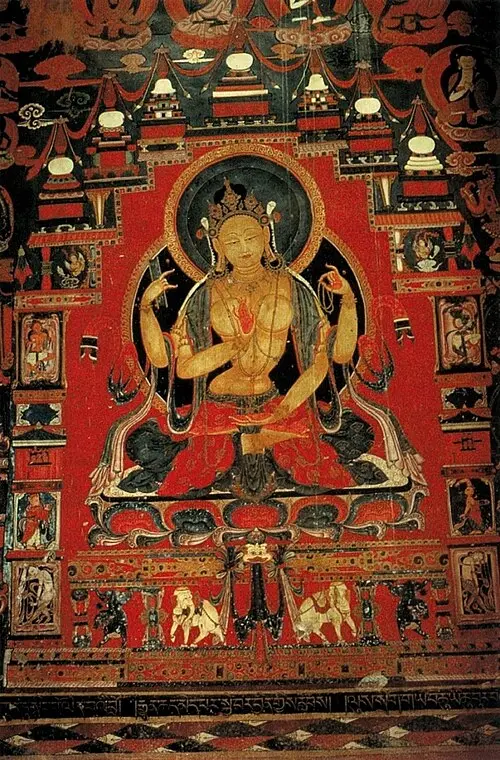
Prajñāpāramitā, the Perfection of Wisdom, in a wall painting at Tholing monastery
Teaching 03 · Stillness

No need for gold

When the first envoy from Tibet laid a bar of gold before him, he turned it down.

Later tradition tells that the Tibetan king died a captive while gathering gold to invite him, and asked that the gold be spent on bringing the teacher instead.

“I have no necessity for gold nor any anxiety for the second at present.”

his reply to the envoy, in Sarat Chandra Das, Indian Pandits in the Land of Snow, 1893, from the Tibetan biographies (archive.org)

And two more
Teaching 04

Wisdom and method

He wrote the Lamp for a Tibet divided between scholars and tantric practitioners, and showed how study, ethics, compassion and tantra fit into one path.

From Sarat Chandra Das, Indian Pandits in the Land of Snow, 1893, from the Tibetan biographies (archive.org)

Teaching 05

A teacher of teachers

Before he left India, the biographies say, he was told he would help Tibet through one lay devotee. That devotee was Dromtön, his chief disciple, who carried his work on.

From Sarat Chandra Das, Indian Pandits in the Land of Snow, 1893, from the Tibetan biographies (archive.org)

Under his guidance the Lamas of Tibet discovered what is called the real and sure path of the exalted excellence.

Atiśa Dīpaṃkara · Sarat Chandra Das, Indian Pandits in the Land of Snow, 1893, from the Tibetan biographies (archive.org)
For your week · Breath

This week, write your training as three steps: what comes first, what comes next, what comes last. Follow the order.

Where it happened
  • Vikramapura, BengalWhere he was born.
  • Suvarṇadvīpa, SumatraHis twelve years with his teacher.
  • Vikramaśīla, BiharThe great monastery where he taught.
  • Tholing, western TibetWhere he wrote the Lamp for the Path.
  • Nyethang, near LhasaWhere he died.
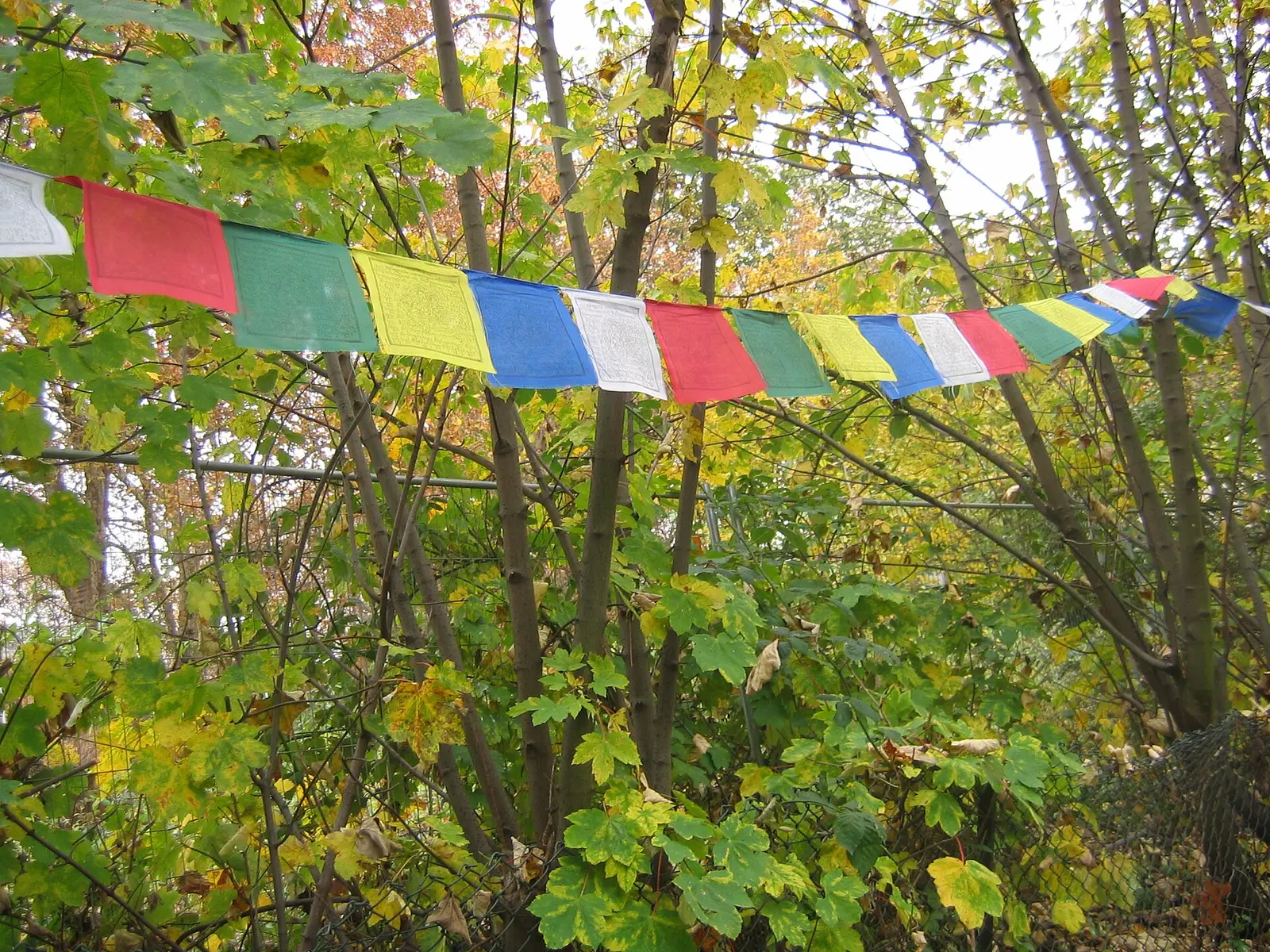
Prayer flags strung between trees
What remains

The Kadam school he began was absorbed into the Gelug in the 14th century, and the stages of the path he set out are still taught in every Tibetan school.

Read him yourself
  • Indian Pandits in the Land of Snow Sarat Chandra Das, 1893, with the life of Atiśa from the Tibetan. Public domain.
  • A Lamp for the Path to Enlightenment His sixty-seven verses; several modern translations exist.
Sources
Other teachers of Tibet
Next teacher Milarepa Back to · Lo-khor and Mewa Tibet