



No seeking
He warned that striving for higher states can be greed in disguise, and asked for no seeking: to be free of being pushed around by practices or ideas, people or circumstances.
From Linji, Encyclopedia of Religion (Encyclopedia.com)
臨濟義玄 Yixuan · Rinzai Gigen · died 866 or 867
A student who, as the story goes, asked his teacher three times what Buddhism is, was struck three times, and woke up on a visit to someone else.
Chan · Linji school

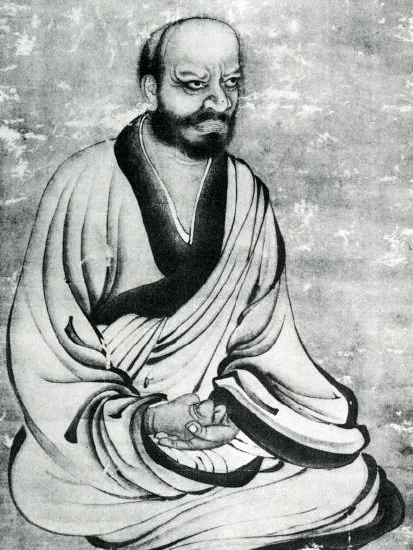
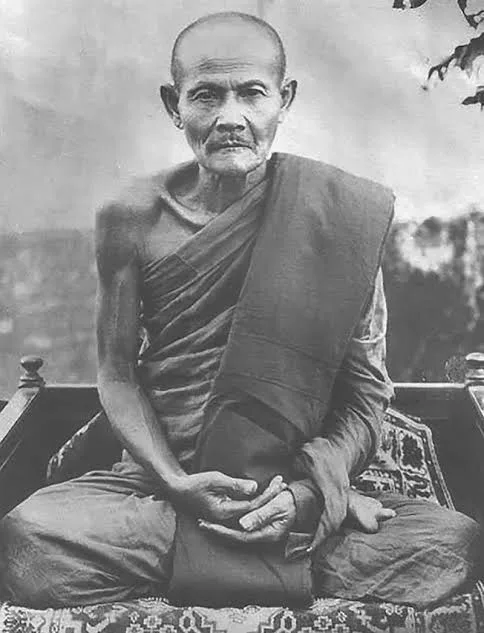
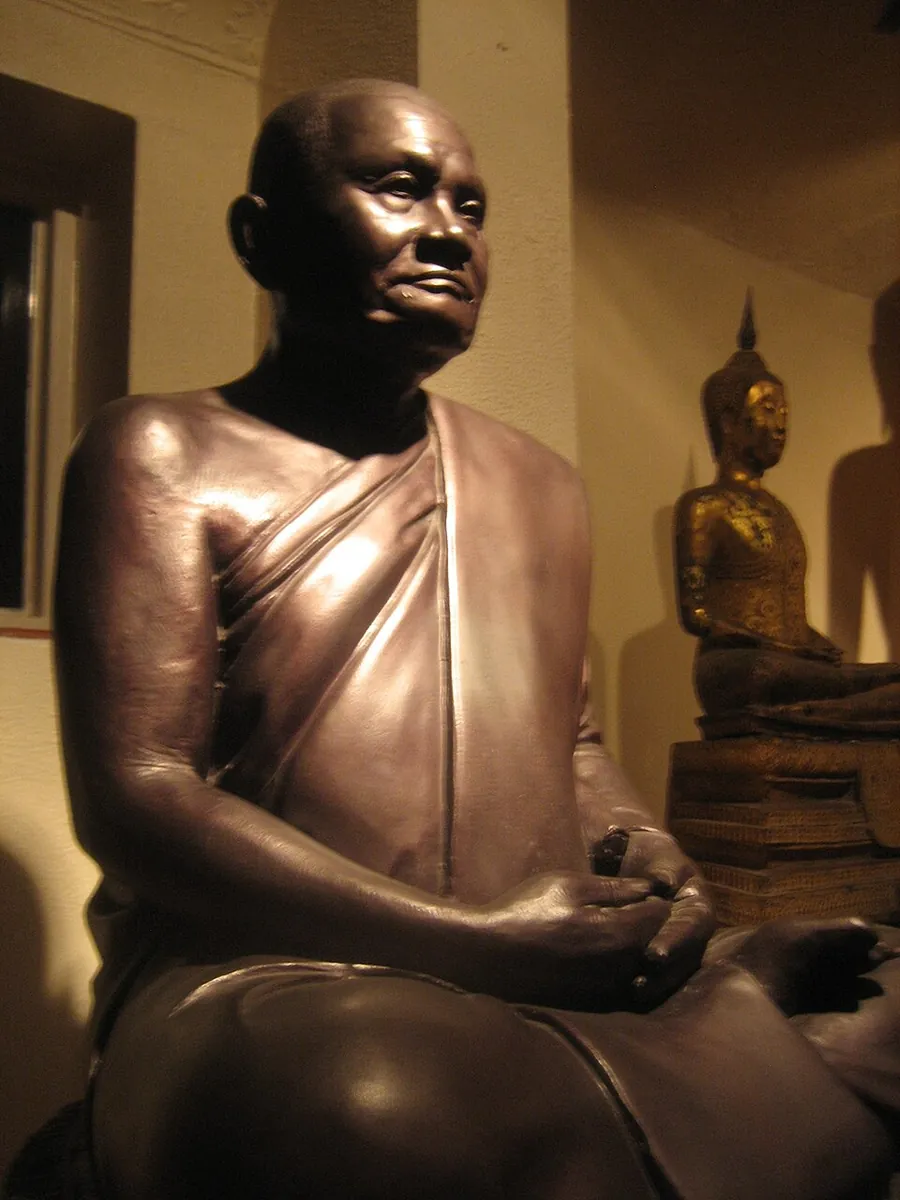
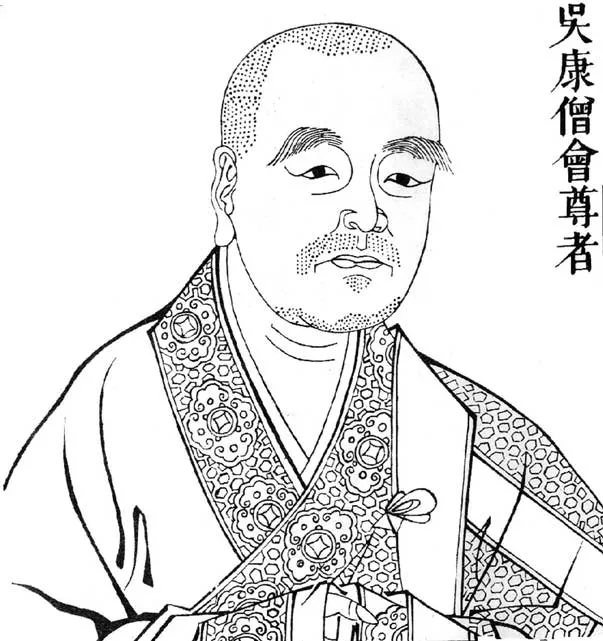
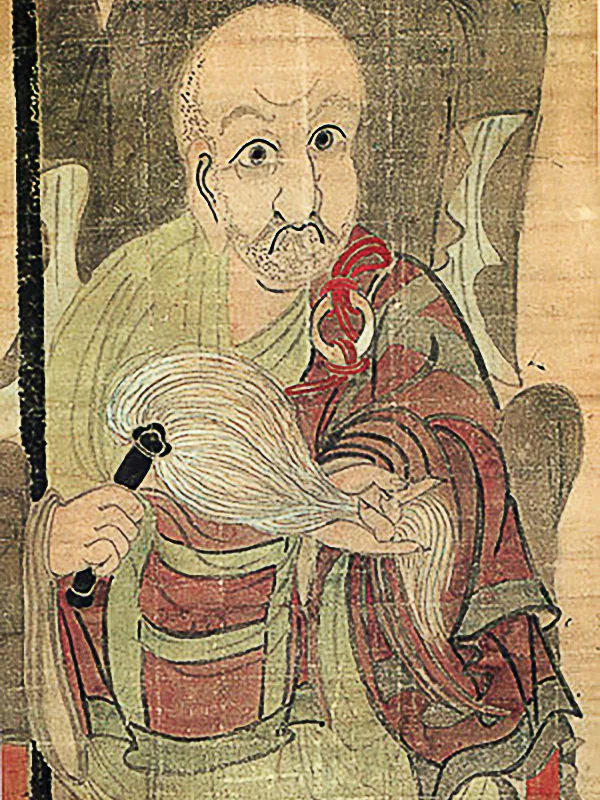
Linji Yixuan (died 866 or 867) was a Chinese Chan master of the Tang dynasty and a student of Huangbo Xiyun. He taught at a small temple by a river ford in Hebei, which gave him his name. He is the ancestor of the Linji school, known in Japan as Rinzai and in Vietnam as Lâm Tế.


He pointed to the true person of no rank in every listener: a freedom that no status, study or special practice can give.

He was famed for his shout, a way to cut a train of thought, test a student or show what words cannot. It was imitated so widely that his own heirs warned against copying it.

The Linji school became one of the Five Houses of Chan. Rinzai Zen in Japan, Korean Seon and the Lâm Tế school of Vietnam all trace themselves to him.

Almost everything known of him passed through later hands. The outline is old, the colour is legend. Scroll, and walk it with him.
Born in south west Shandong. The sources differ even on his family name.
Studies the discipline and the scriptures, then puts them aside and turns to meditation.
With the master Huangbo Xiyun he asks three times for the meaning of Buddhism and is struck three times. Sent to the hermit Dayu, he awakens, returns to Huangbo and answers with a shout.
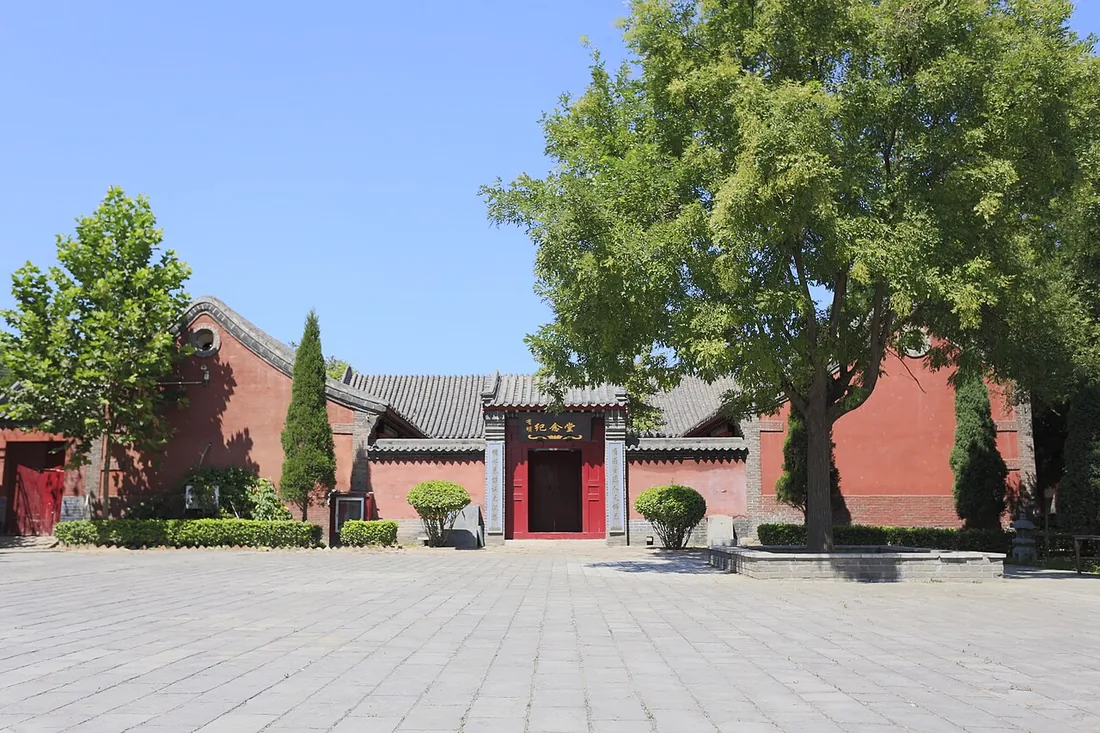
Settles at a small temple by a ford of the Hutuo river near Zhenzhou, in Hebei. Its name, Linji, “overlooking the ford”, becomes his own.
Dies. The Record of Linji says he sat upright and quietly passed away.
Yuanjue Zongyan compiles the Record of Linji, the main source of his teaching.


In one of his best-known sermons he told his listeners that in each of them, in this very body, lives a true person without rank, going in and out through the gates of the face.
Look, he said, and see.
“赤肉團上有一無位真人,常從汝等諸人面門出入”
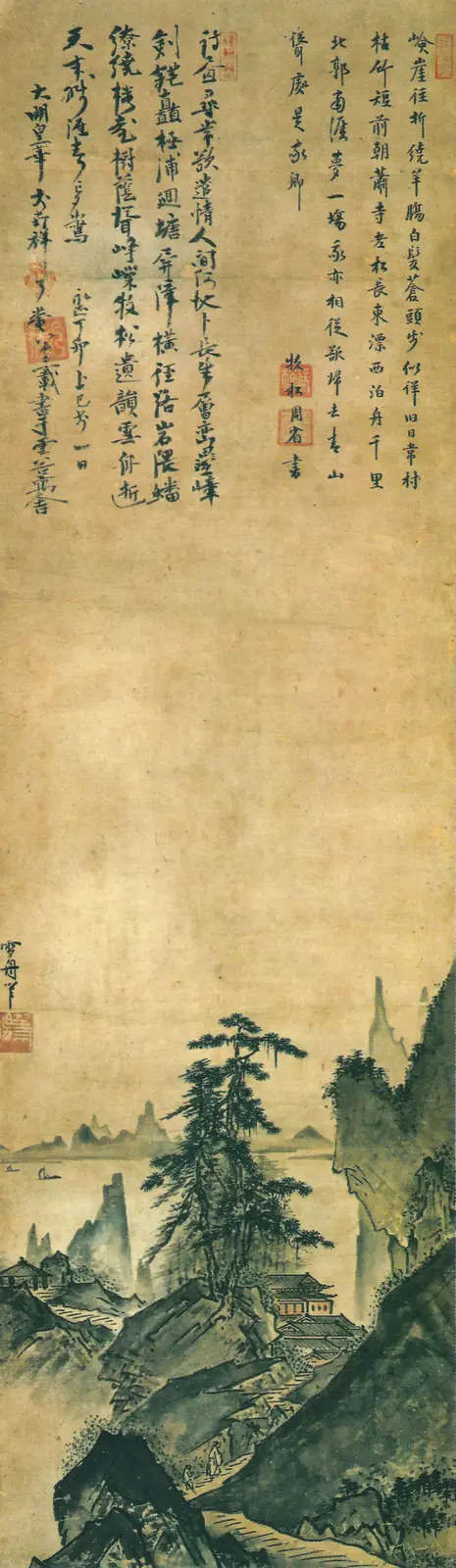

Linji used the shout in many ways: to break a train of thought, to loosen a fixed attention, to test a student, or to draw him into an exchange.
“Linji’s shout” became a set phrase in Chan.
From Linji, Encyclopedia of Religion (Encyclopedia.com)

He summed up the work of Chan in four views: take away the world and leave the person; take away the person and leave the world; take away both; take away neither.
Each describes something a practitioner goes through, as the need arises.
From Linji, Encyclopedia of Religion (Encyclopedia.com)
He warned that striving for higher states can be greed in disguise, and asked for no seeking: to be free of being pushed around by practices or ideas, people or circumstances.
From Linji, Encyclopedia of Religion (Encyclopedia.com)
Most of his twenty or so successors are obscure, and his line flourished only half a century after his death. Many stories about him were written by the later Linji school.
From Linji, Encyclopedia of Religion (Encyclopedia.com) and Urs App, Yixuan, Encyclopedia of Buddhism (Encyclopedia.com)
隨處作主,立處皆真。

This week, when you catch yourself waiting for a better moment to be present, stop and say quietly: here. Then do the next thing fully.
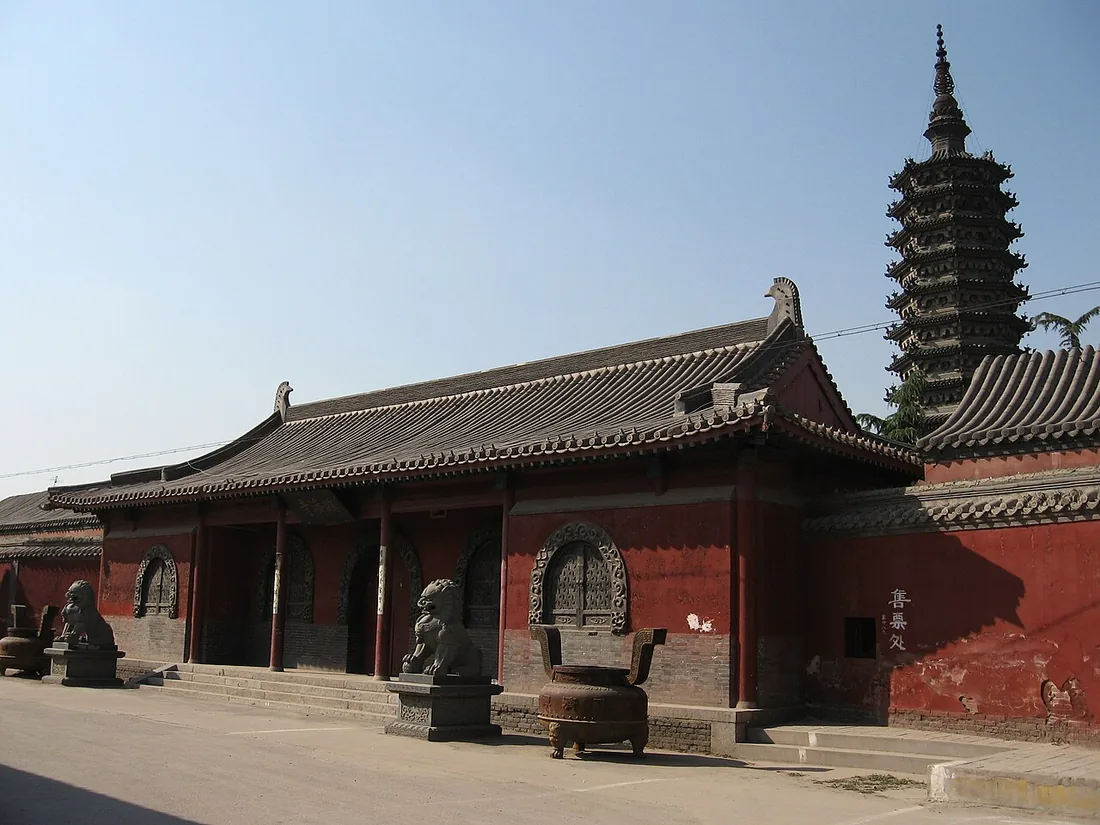
The Linji school lives on as Rinzai Zen in Japan, in Korean Seon, and in the Lâm Tế line of Vietnam.