






Vietnam · The path behind it

Khương Tăng Hội

康僧會 Kang Senghui · Tăng Hội · died 280

A merchant’s son from the Red River delta who took the practice of the breath north, to a capital that had never seen a monk.

Early Buddhism of Jiaozhi · Dhyana

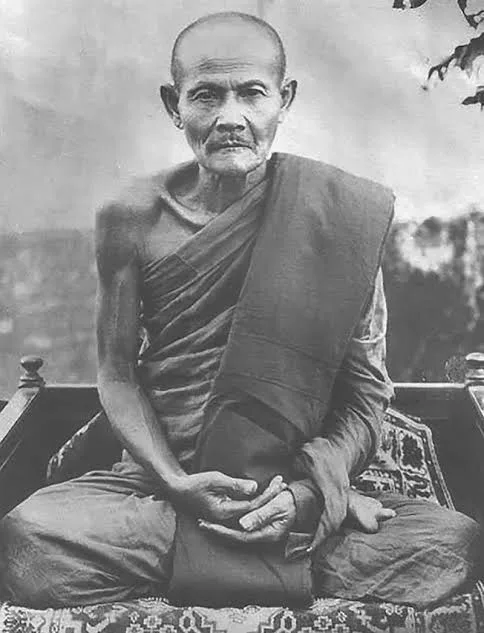
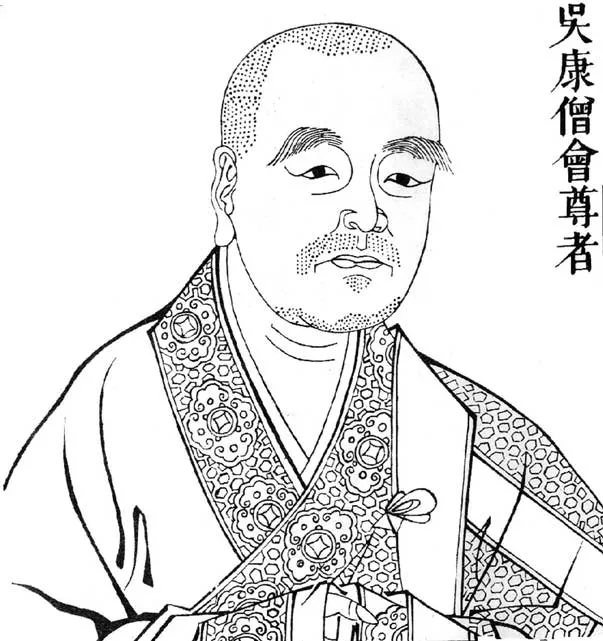
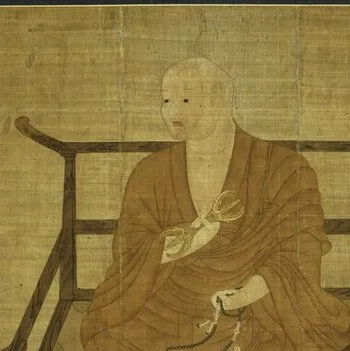
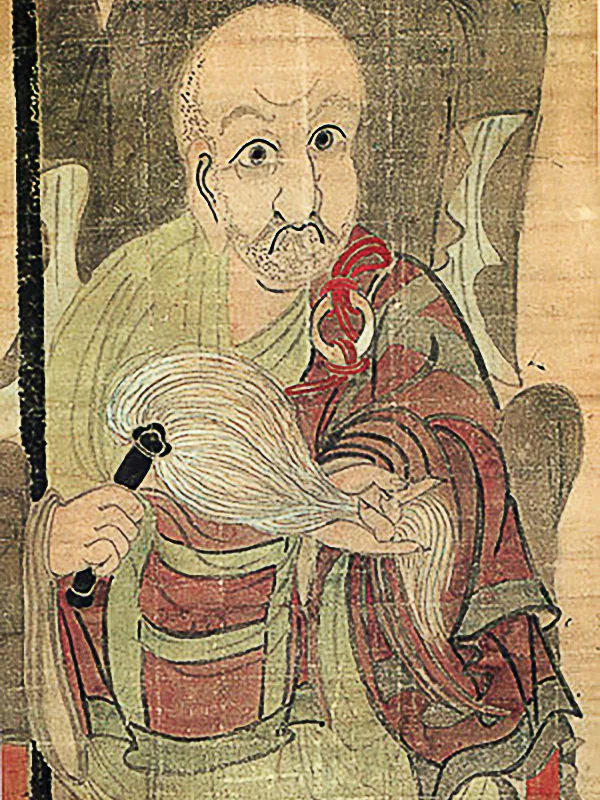
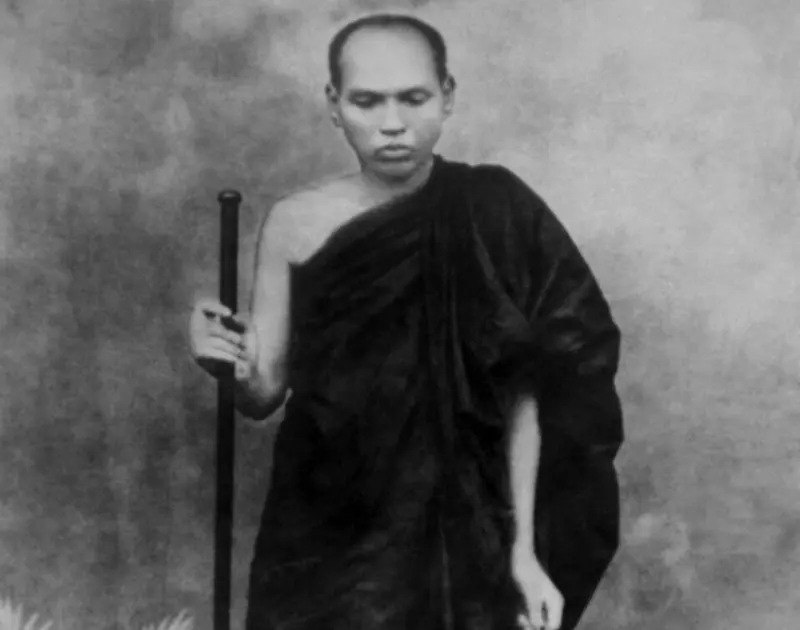
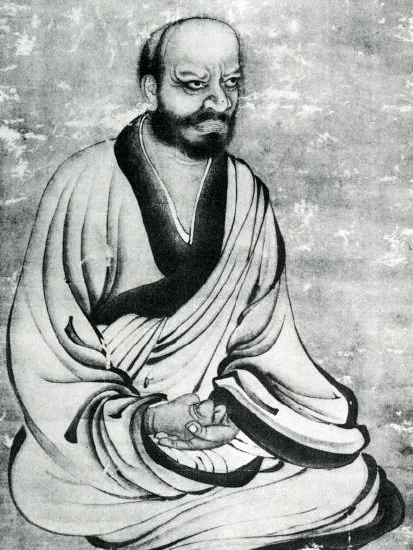
Khương Tăng Hội as imagined in a later Chinese woodblock print, titled Venerable Kang Senghui of Wu

Khương Tăng Hội, known in Chinese as Kang Senghui (died 280), was a Buddhist monk born in Jiaozhi, in today’s northern Vietnam, to a family of Sogdian origin. He wrote on the sutra of mindful breathing, founded the first Buddhist temple in the southern Chinese capital Jianye and translated scriptures there.

Why he matters

Born in Jiaozhi

He grew up in the Red River delta, where Buddhism had arrived by sea from India, and he is one of the first Buddhist teachers from the land of today’s Vietnam whose name and writings survive.

The breath, written down

His preface to the sutra on mindful breathing is among the oldest Buddhist writings in Chinese by a known author.

A temple in the south

In Jianye, capital of the Wu kingdom, he founded Jianchu, the First Established Temple, and began a community of monks where there had been none.

His life

From a trading port in the delta to the capital of a southern kingdom. Scroll, and walk it with him.

  1. Early 3rd century

    Born in Jiaozhi, the Red River delta of today’s northern Vietnam. His family is of Sogdian origin, and his father trades as a merchant.

  2. Youth

    Reads the Chinese classics as well as the Buddhist scriptures. His parents die when he is in his teens, and he becomes a monk.

  3. Jiaozhi

    With three lay scholars from the north, Han Lin, Pi Ye and Chen Hui, he studies the sutra on mindfulness of breathing that An Shigao had translated, and writes a commentary and preface to it.

  4. 240s

    Travels north to Jianye, today’s Nanjing, the capital of the Wu kingdom. The sources give 241 or 247 for his arrival.

  5. Jianye

    In the story of the Biographies of Eminent Monks, he prays for a relic of the Buddha to show the ruler Sun Quan, and the king builds a temple for him: Jianchu, the First Established Temple.

  6. Translation

    At Jianchu he translates scriptures, among them the Liudu ji jing, a collection of stories on the six perfections.

  7. 280

    Dies in 280, the year the Wu kingdom falls.

What he taught

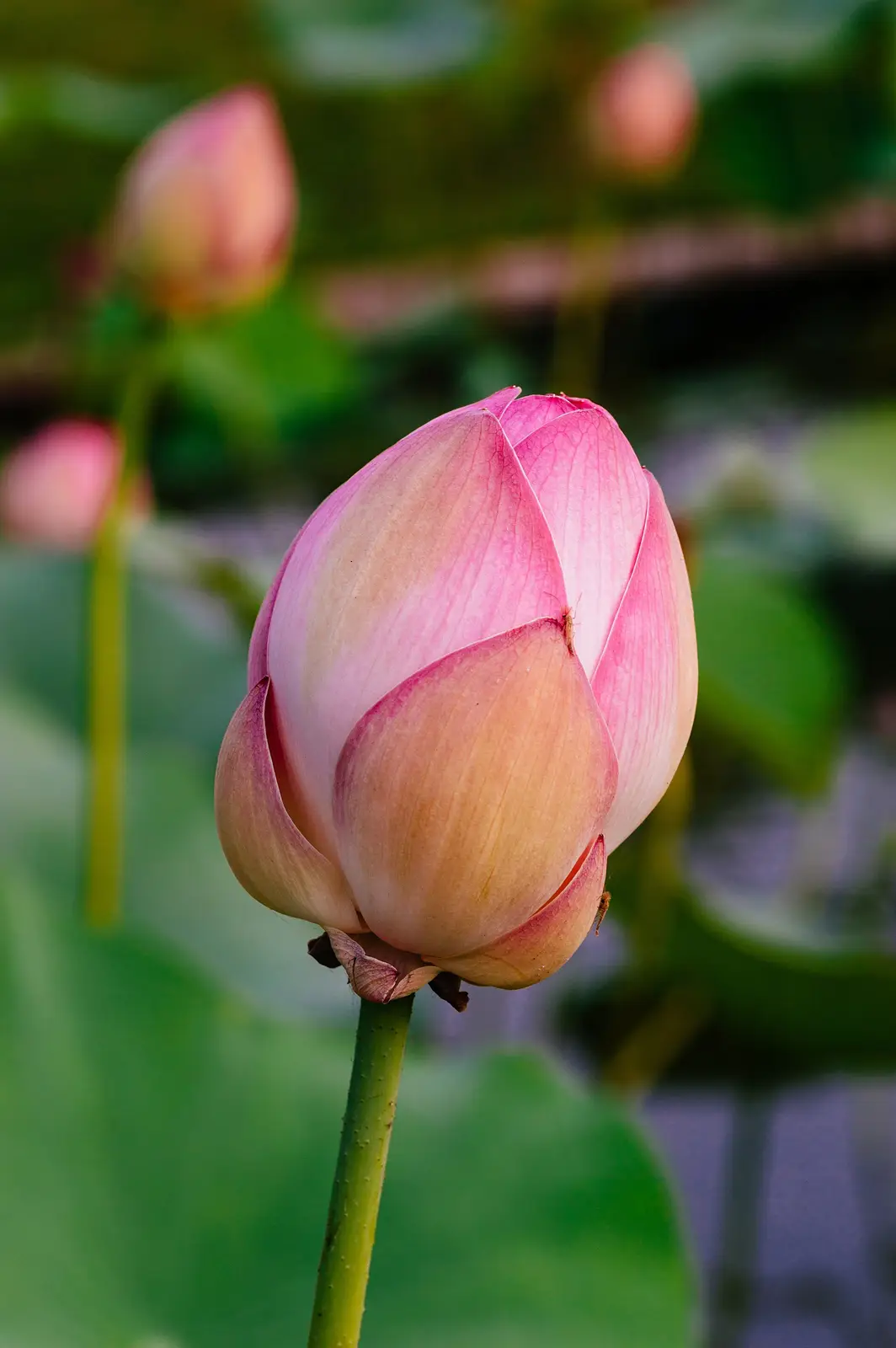
A lotus bud on its stem
Teaching 01 · Breath

The breath

The sutra he studied most teaches the oldest of meditations: counting the breath as it comes in and goes out, until the mind settles.

For him it was the whole path in one practice.

From Kang Senghui, preface to the Anban shouyi jing, tr. Arthur E. Link, quoted in Huynh 2016

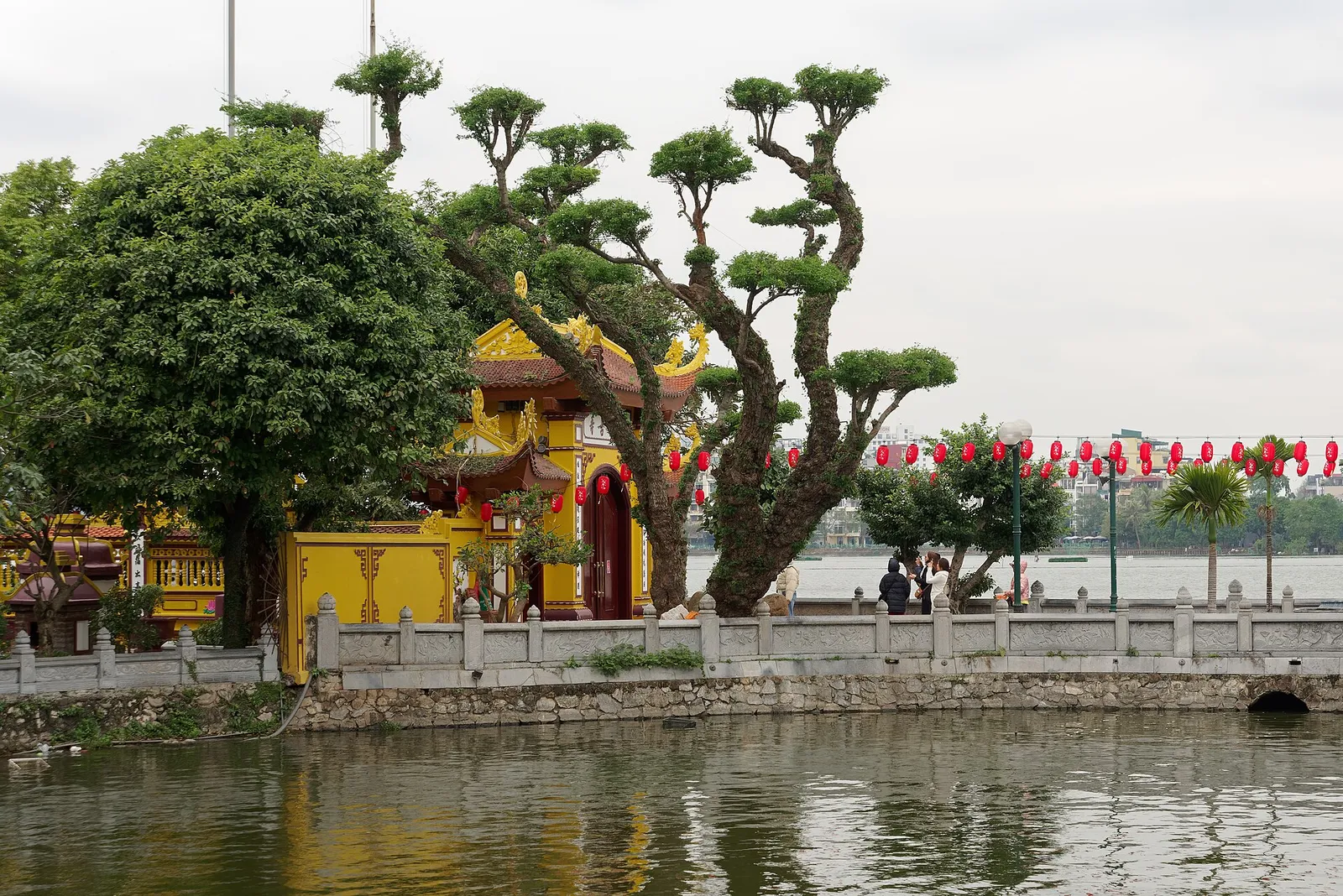
Trấn Quốc pagoda in Hanoi, in the Red River delta where he was born
Teaching 02 · Movement

Six perfections

The Liudu ji jing gathers stories of the Buddha’s earlier lives, arranged by the six perfections: giving, conduct, patience, effort, meditation and wisdom.

Many of its stories are about rulers. A good king, they say, feels his people’s hunger and cold as his own.

From Trung Huynh, The Early Development of Buddhism in the Red River Delta Basin, Jiaozhi, and Southern China: The Case of Kang Senghui, PhD dissertation, University of the West, 2016

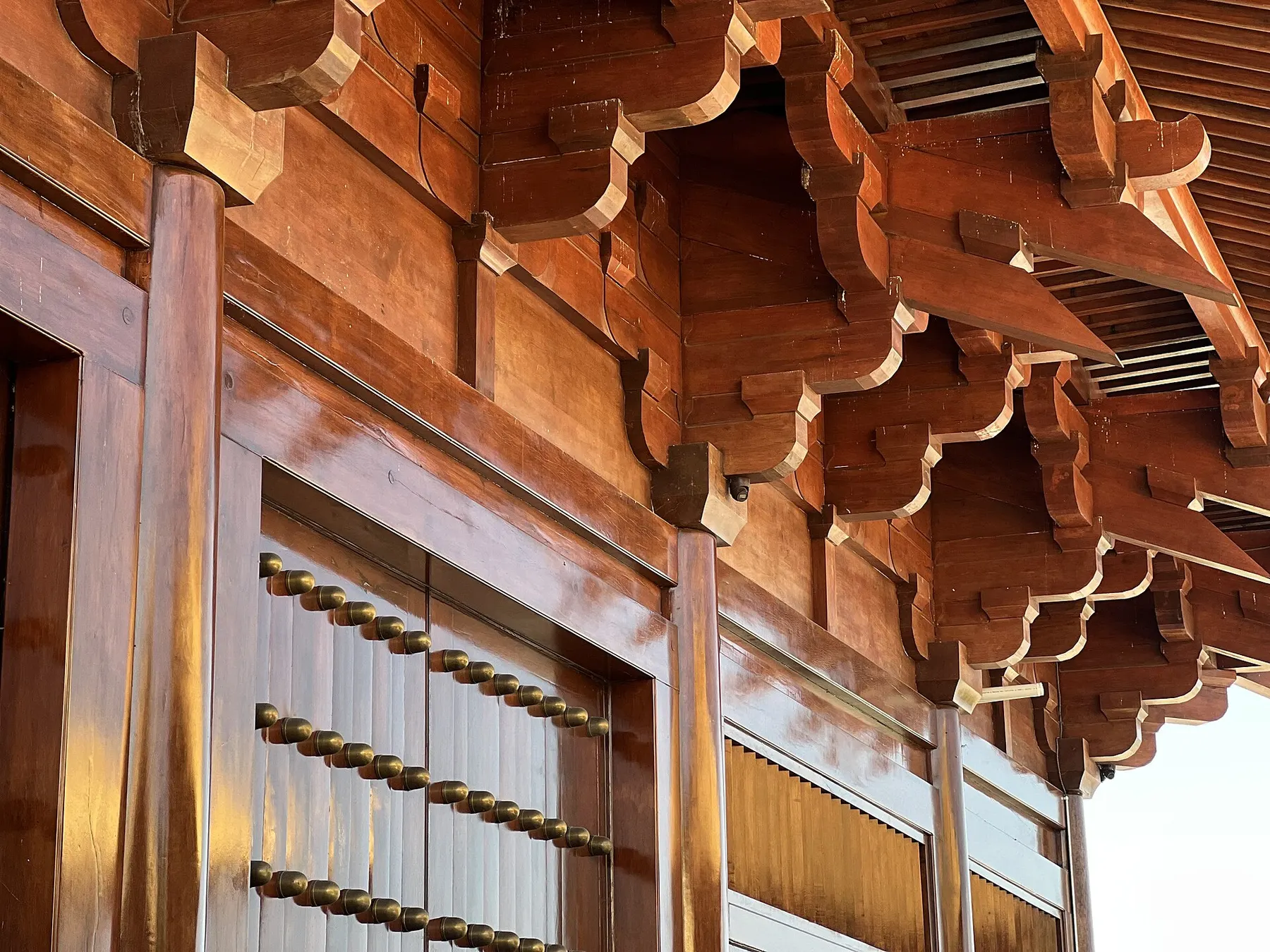
Carved wooden eaves of a Chinese Buddhist temple
Teaching 03 · Stillness

A temple in Wu

When he reached Jianye, people there had never seen a Buddhist monk, and doubted him.

The temple that grew around him became the first home of a Buddhist community in southern China.

From Trung Huynh, The Early Development of Buddhism in the Red River Delta Basin, Jiaozhi, and Southern China: The Case of Kang Senghui, PhD dissertation, University of the West, 2016
And two more
Teaching 04

Two worlds in one teacher

He wrote for Chinese readers in the words they knew. He set the monk’s life beside the Confucian virtue of filial piety, and showed how the two could stand together.

From Trung Huynh, The Early Development of Buddhism in the Red River Delta Basin, Jiaozhi, and Southern China: The Case of Kang Senghui, PhD dissertation, University of the West, 2016
Teaching 05

Remembered in Vietnam

Many Vietnamese Buddhists honour him as the first patriarch of Thiền. In 1096 the monk Thông Biện named him among the sources of Buddhism in Vietnam; no independent evidence confirms that line.

Wikipedia: Kang Senghui; Huynh 2016

眷言顧之,澘然出涕。

Khương Tăng Hội · his preface to the Anban shouyi jing, in Chinese: looking back on them with love, my tears fell
For your week · Breath

Before you train, count ten breaths: in and out is one. If you lose the count, begin again at one, without blame.

Where it happened
  • Jiaozhi, Red River deltaWhere he was born and became a monk.
  • Luy LâuThe old capital of Jiaozhi, remembered as its first great Buddhist centre.
  • Jianye, today’s NanjingCapital of the Wu kingdom, where he arrived in the 240s.
  • Jianchu Temple, JianyeThe First Established Temple, his home until his death in 280.
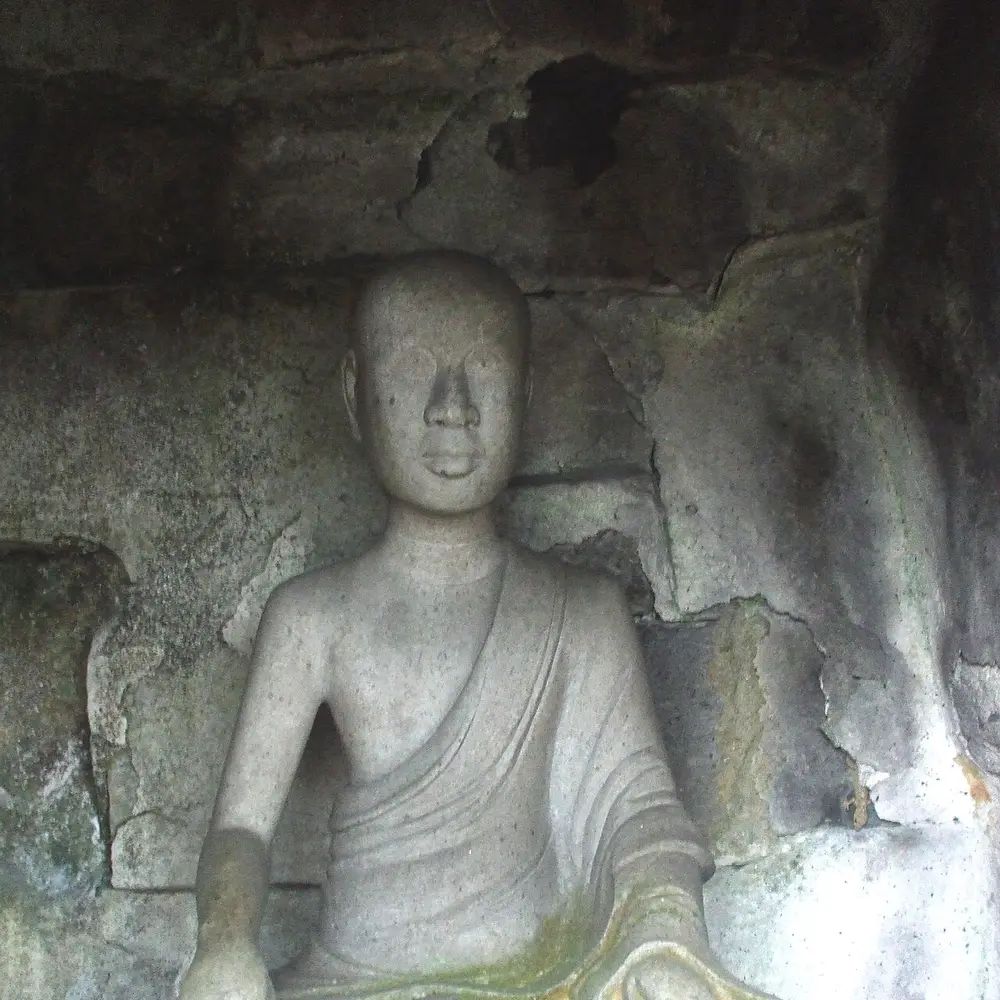
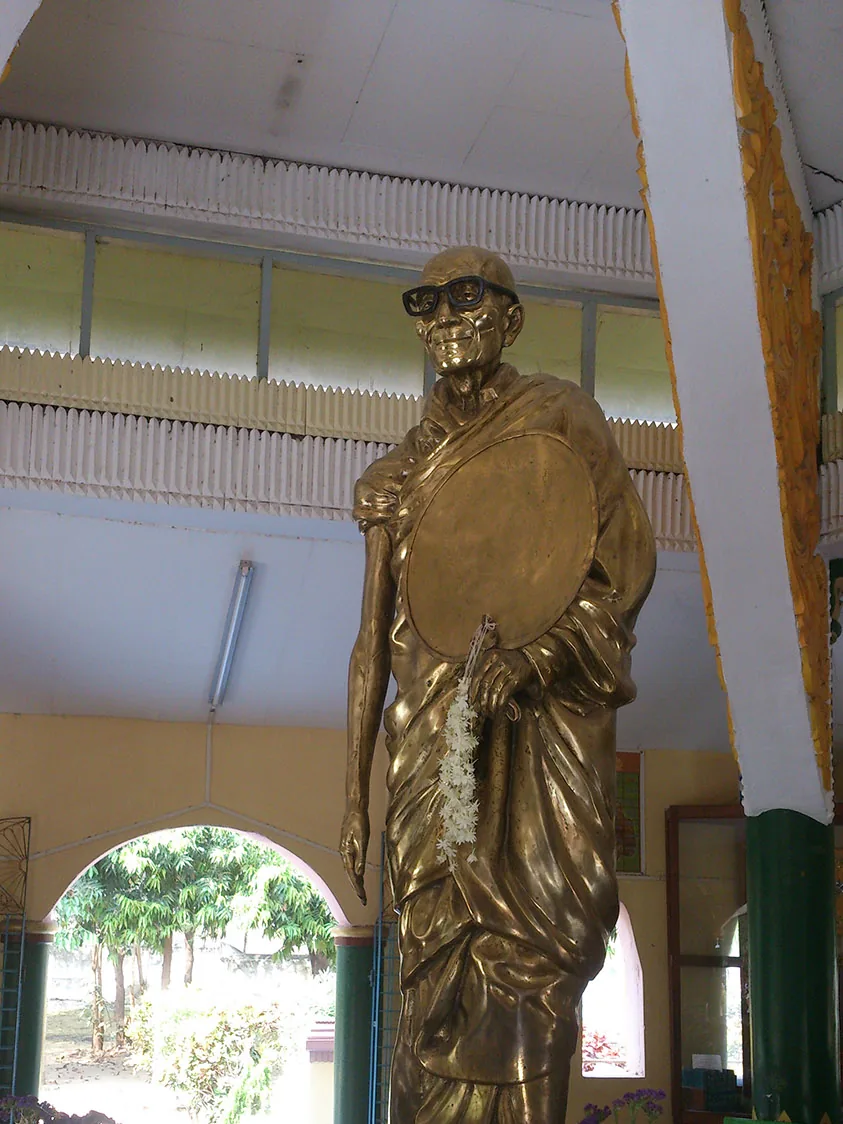
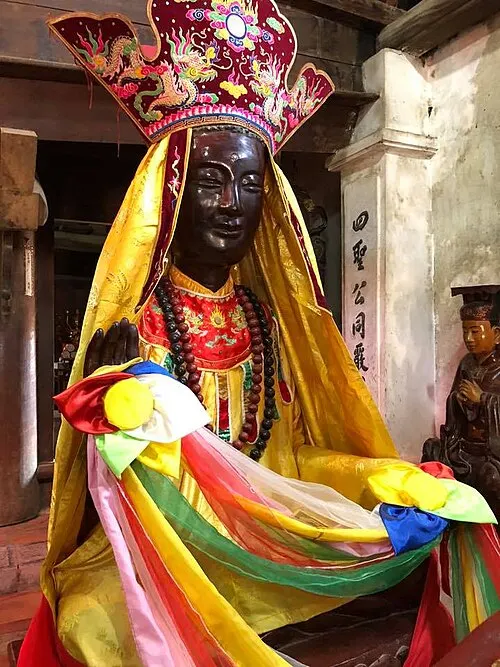
The statue of Pháp Vũ, Buddha of Rain, one of the Four Dharmas of the Luy Lâu region near Hanoi
What remains

Around Luy Lâu, the old capital of Jiaozhi, pagodas still honour the Four Dharmas, Buddhas of cloud, rain, thunder and lightning, from the same early Buddhism of the delta that he grew up in.

Next teacher Trần Nhân Tông Back to · Mười hai con giáp Vietnam