
The radiant mind
The mind is bright by nature. What darkens it are passing visitors, the defilements, and the practice is learning to see them as visitors.
From A Heart Released, Ajaan Mun, tr. Thanissaro Bhikkhu, §10
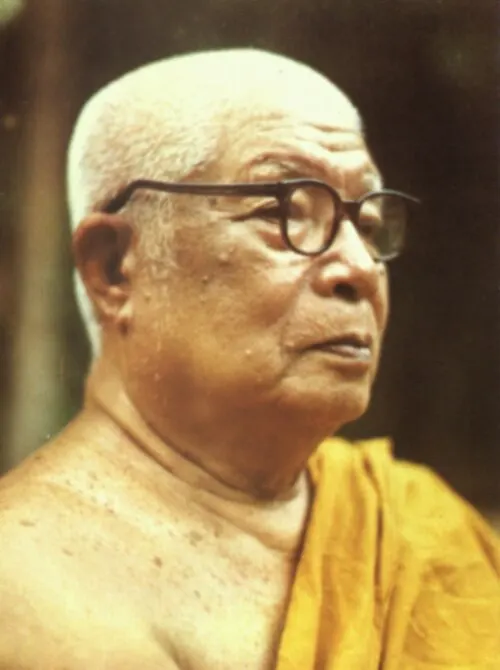
หลวงปู่มั่น ภูริทตฺโต Bhūridatta · Luang Pu Mun · 1870–1949
A folk singer from a village in Ubon who became a wandering monk, and the root from which the whole Thai forest tradition grew.
Theravada · Thai Forest Tradition
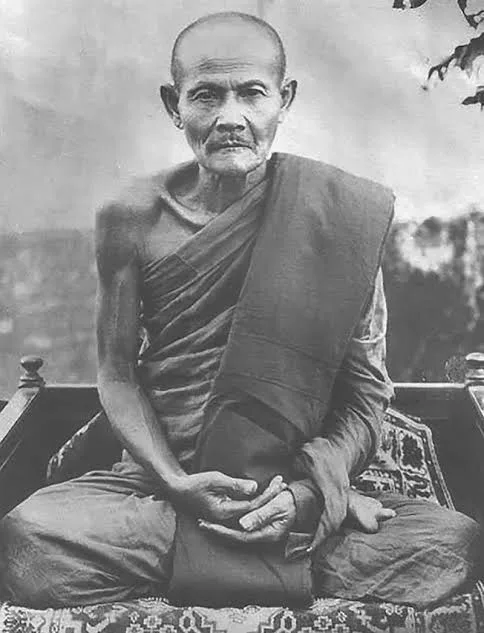
Ajahn Mun Bhūridatta (1870–1949) was a Thai Buddhist monk who, with his teacher Ajahn Sao, revived the forest tradition of wandering meditation. He lived most of his life in the forests of Thailand, Burma and Laos, and trained the teachers who carried the tradition across Thailand and abroad.


With his teacher Ajahn Sao he revived the life of the wandering forest monk. The tradition they began has spread throughout Thailand and to several countries abroad.

He told two monks who were proud of their scholarship that the great commentaries were only stories until virtue, concentration and discernment were brought into being in their own hearts.

Very little of his teaching was written down. He left it in people: the monks who lived with him, among them Ajahn Mahā Boowa, who wrote his life, and Ajahn Chah, who stayed three days.
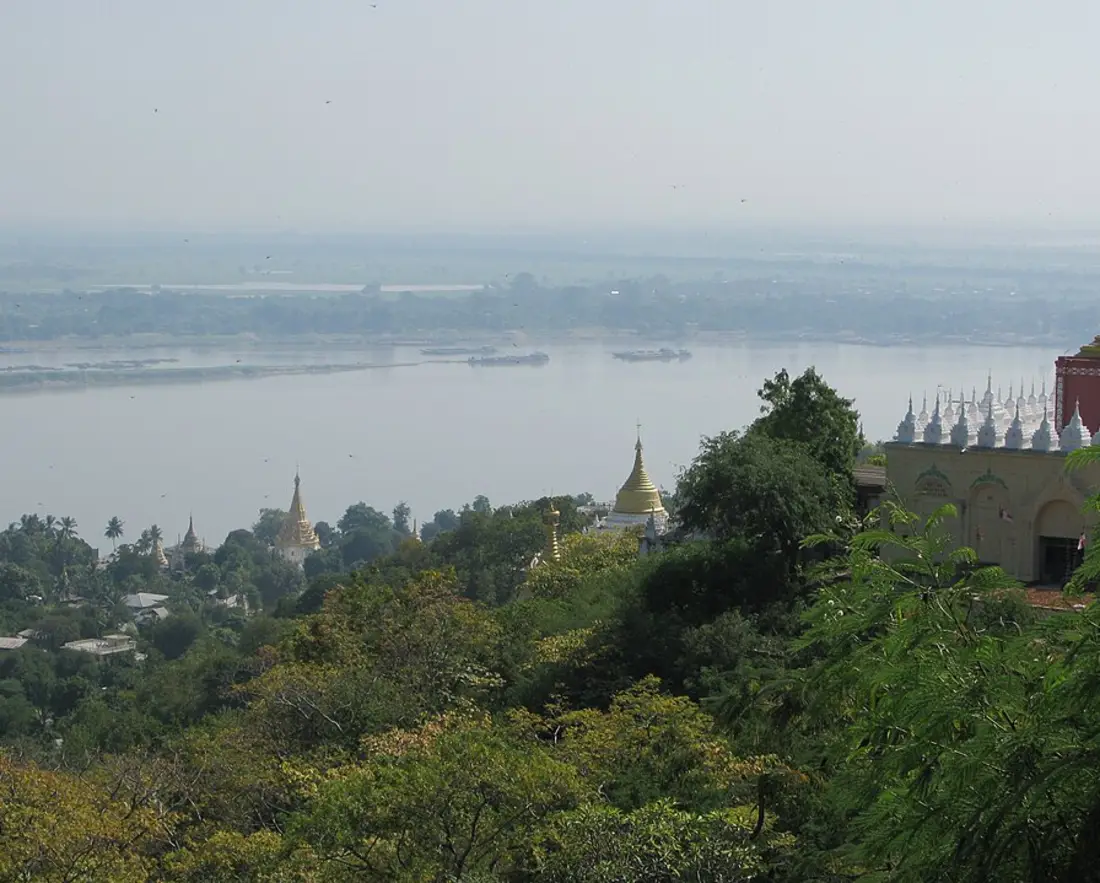
From village stages to the mountain forests of three countries. Scroll, and walk it with him.
Born on Thursday, 20 January, in Ban Khambong, in the Khong Chiam district of Ubon Ratchathani. He is the eldest of eight children of Khamduang and Jun Kaenkaew.
Becomes a novice at fifteen in his village monastery, and leaves after two years when his father needs him at home. As a young man he sings in maw lam, the improvised rhyming contests of village fairs.
Ordained as a monk on 12 June at Wat Liap in Ubon, with the name Bhūridatta. He stays at the meditation centre of Ajahn Sao and repeats one word as his meditation: buddho.
Walks with Ajahn Sao through the northeast, then on alone across Thailand, into Burma and Laos, keeping the ascetic practices day after day.
Spends a rains retreat at Wat Pathumwan and goes often to Chao Khun Upāli at Wat Boromaniwat for advice on developing wisdom.
More than ten years in the forests and mountains of Chiang Mai and Chiang Rai, with one rains retreat at Wat Chedi Luang in the city.
Aged about seventy five, he settles at Ban Nong Pheu in Sakon Nakhon for his last five years. Two monks note down his sermons, and with his permission the notes are printed and given away: A Heart Released.
A young monk named Chah arrives, stays three days, and leaves with the instruction that will guide his life.
Dies in November at Wat Suddhawat in Sakon Nakhon, aged 79.
Cremated on 31 January 1950.

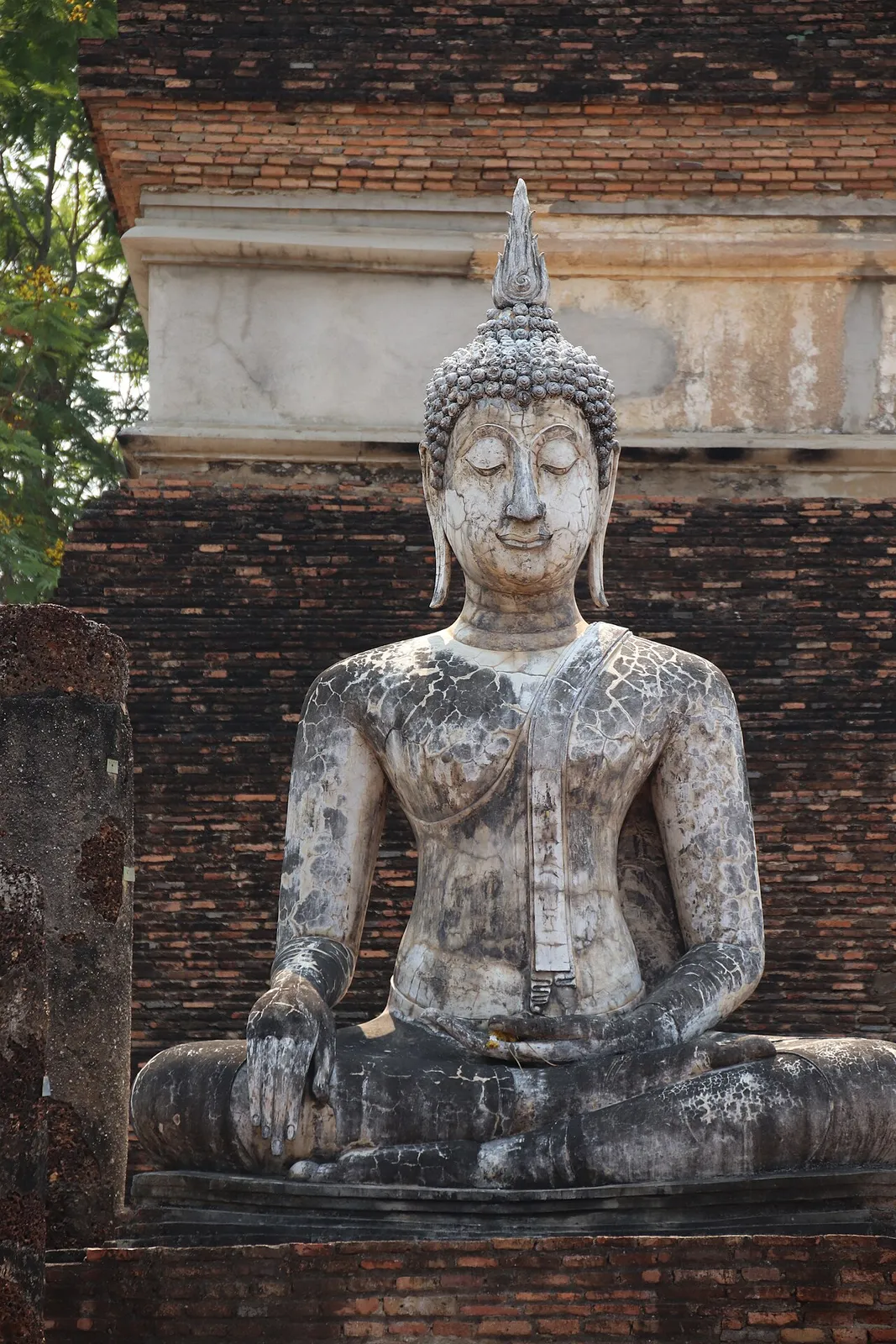
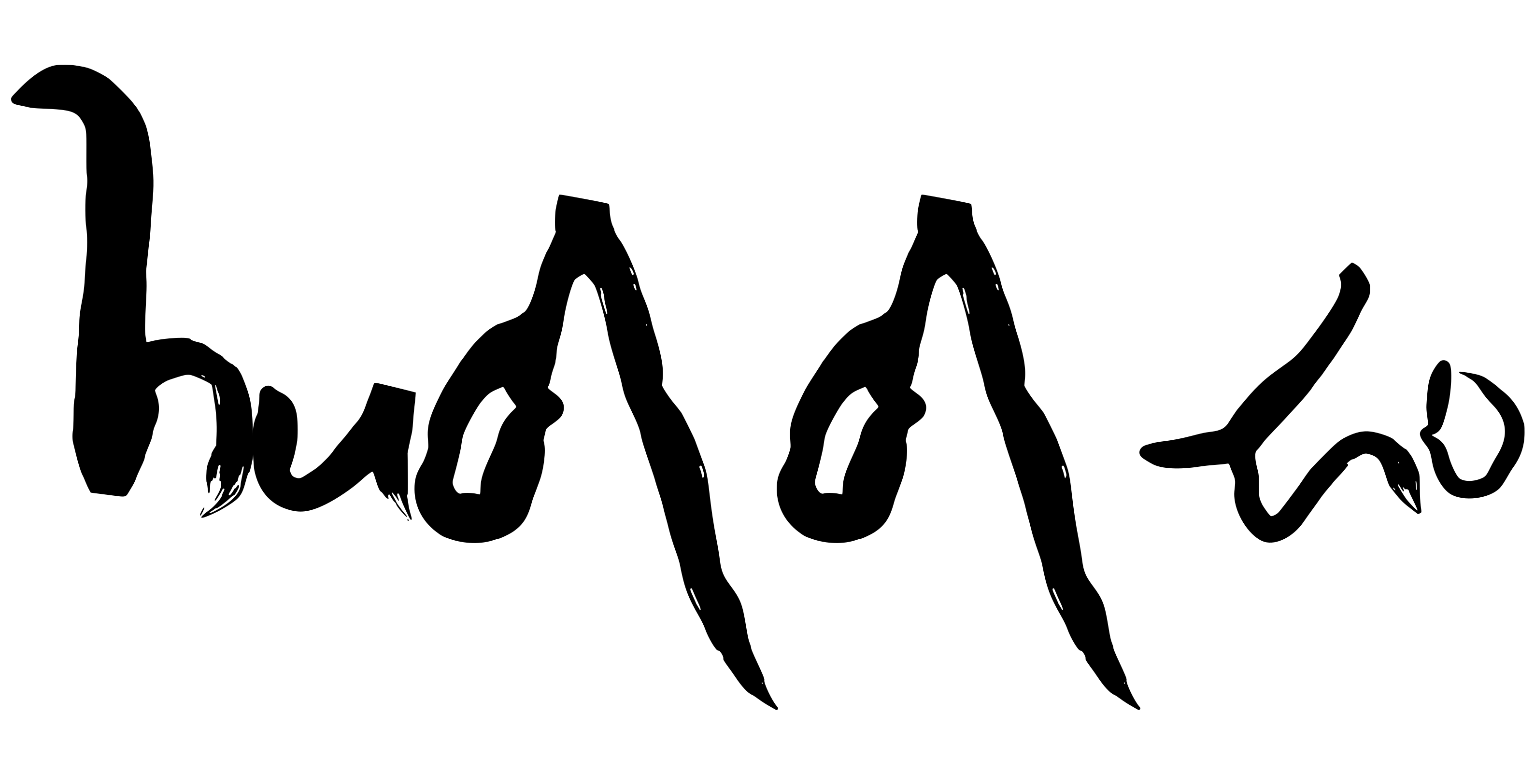
From the first months of his practice he took one word as his meditation: buddho, the recollection of the Buddha. He repeated it inwardly through all his daily affairs.
In his own teaching, buddho means one who knows. The Buddha trained himself first, he said, and taught only after.
From A Heart Released, Ajaan Mun, tr. Thanissaro Bhikkhu, §2
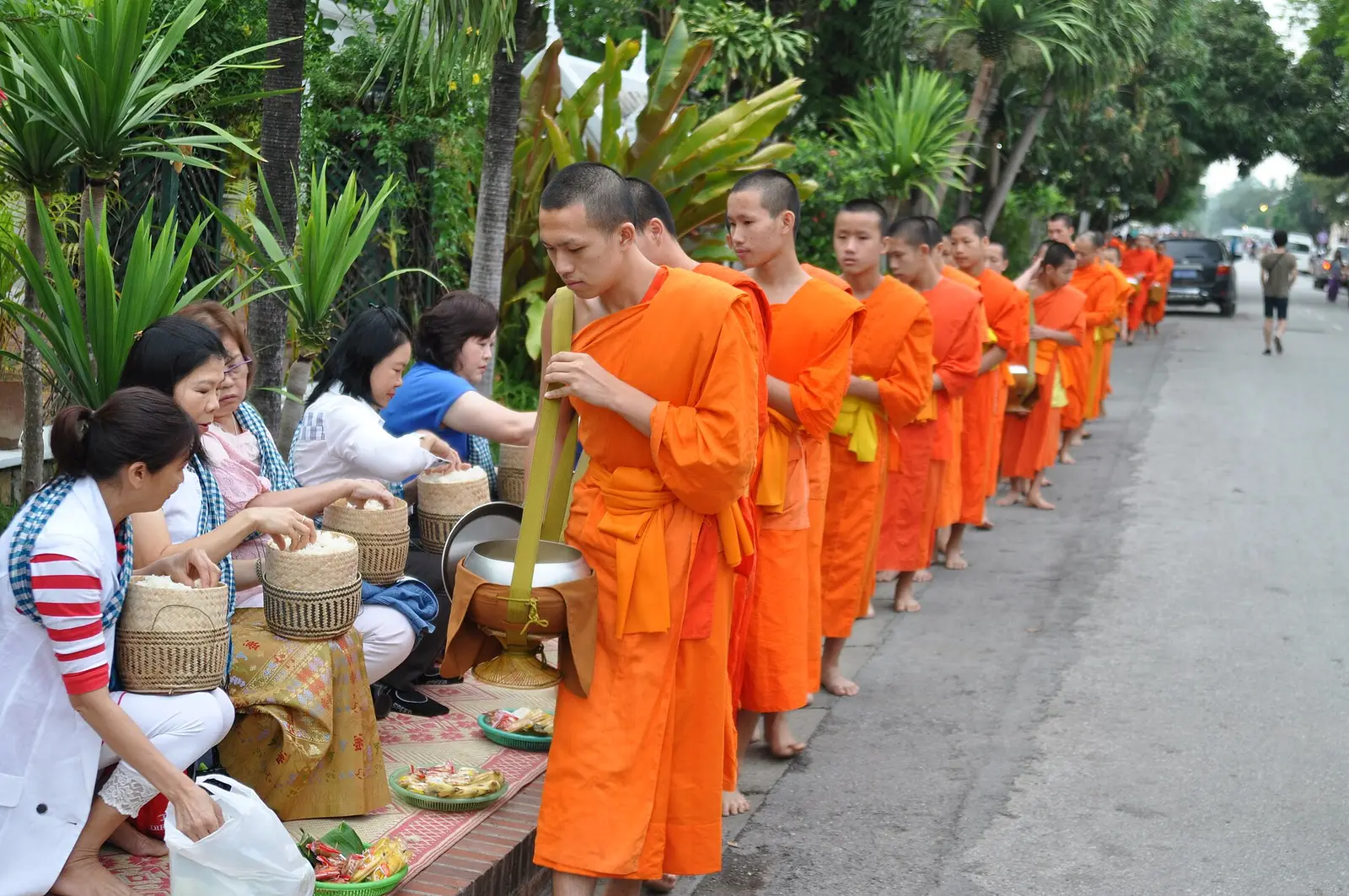
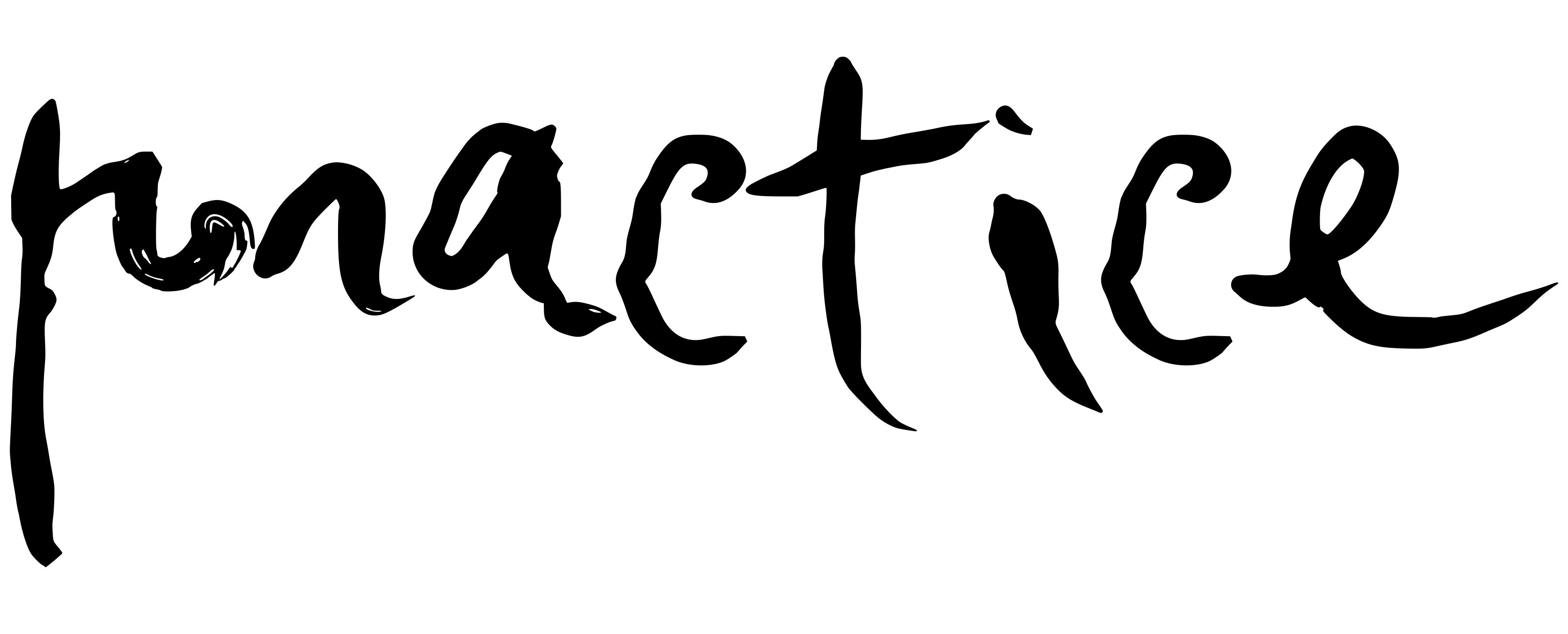
Two visiting monks were proud of how well they knew The Path of Purification. He told them its chapters on virtue, concentration and discernment were just stories until those qualities were brought into being in their own hearts.
He taught the texts by asking his monks to live them.
From A Heart Released, Ajaan Mun, tr. Thanissaro Bhikkhu, §1
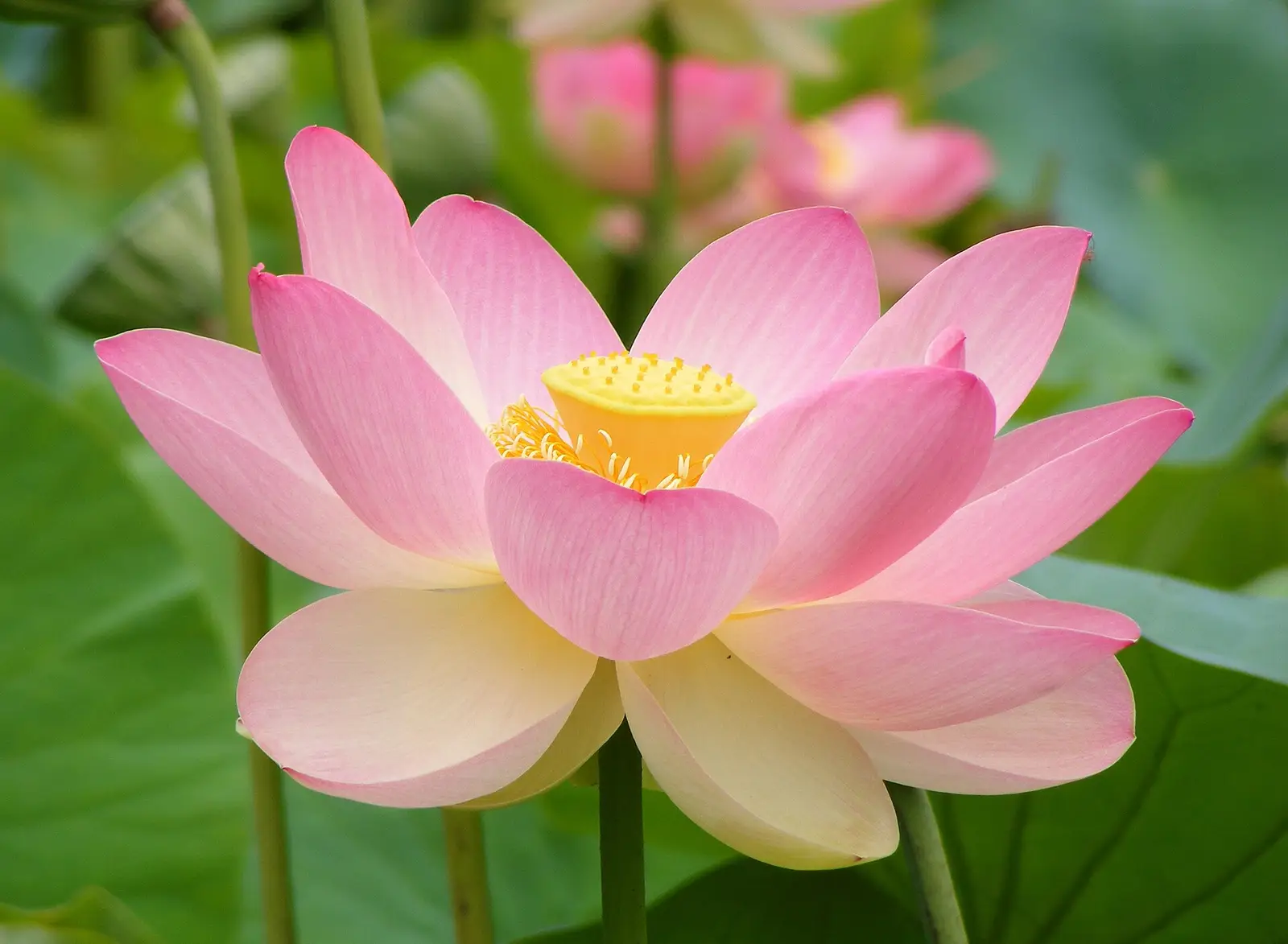
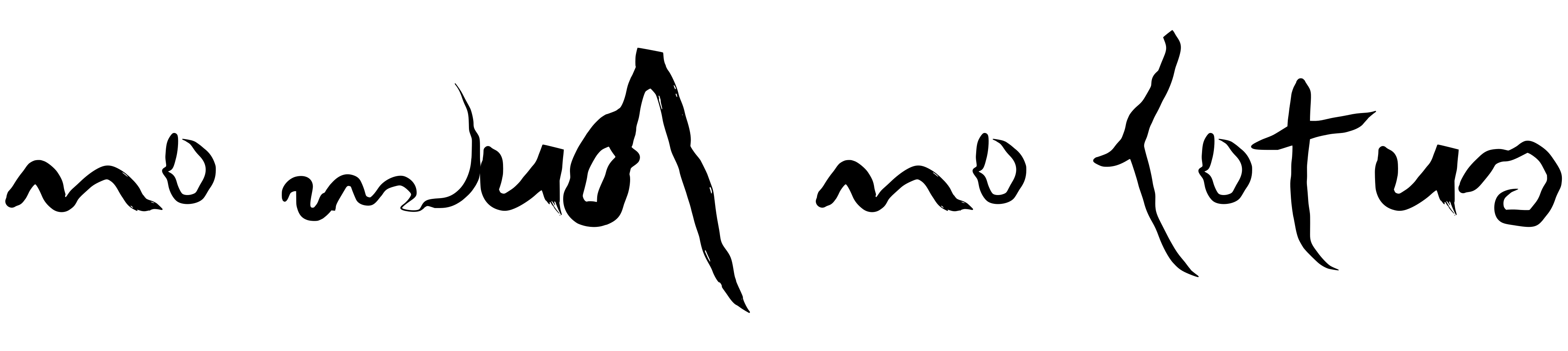
Good things grow out of what is not good. The lotus rises out of the mud and, once clear of it, never goes back.
He used the image for the work of the mind: clear insight grows out of what is still unclear.
From A Heart Released, Ajaan Mun, tr. Thanissaro Bhikkhu, §9
The mind is bright by nature. What darkens it are passing visitors, the defilements, and the practice is learning to see them as visitors.
From A Heart Released, Ajaan Mun, tr. Thanissaro Bhikkhu, §10
He had been a maw lam singer, and he kept the singer’s play with sounds. Rearranging the letters of namo, the homage that begins every chant, he found mano, the heart.
From A Heart Released, Ajaan Mun, tr. Thanissaro Bhikkhu, §4
Train yourself well first. Only then are you ready to train others.
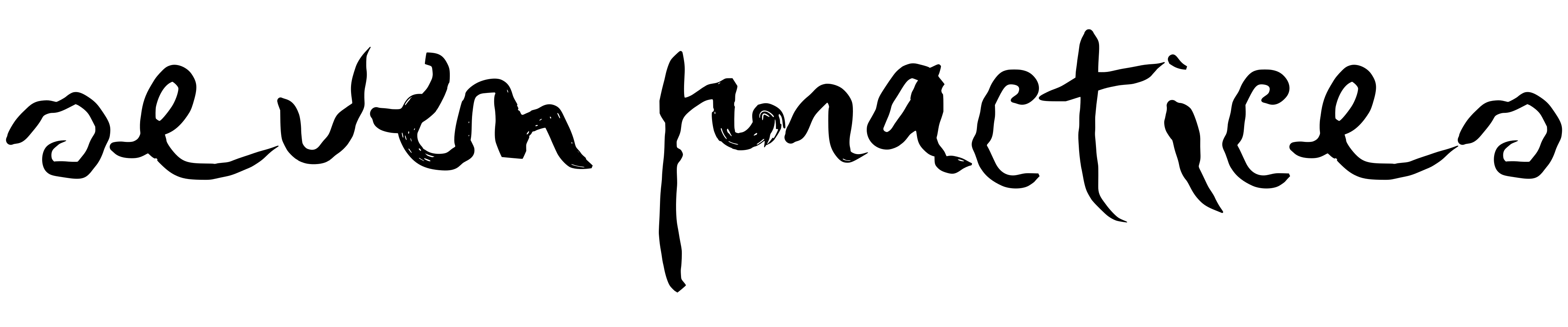
Of the thirteen ascetic practices the Buddha allowed, he took on seven at his ordination and kept them until he died. The others he kept when circumstances allowed.
From Venerable Ācariya Mun Bhūridatta Thera: A Spiritual Biography, Ācariya Mahā Boowa, tr. Bhikkhu Sīlaratano, 2003
Only robes made from discarded cloth, never robes offered directly by lay people.
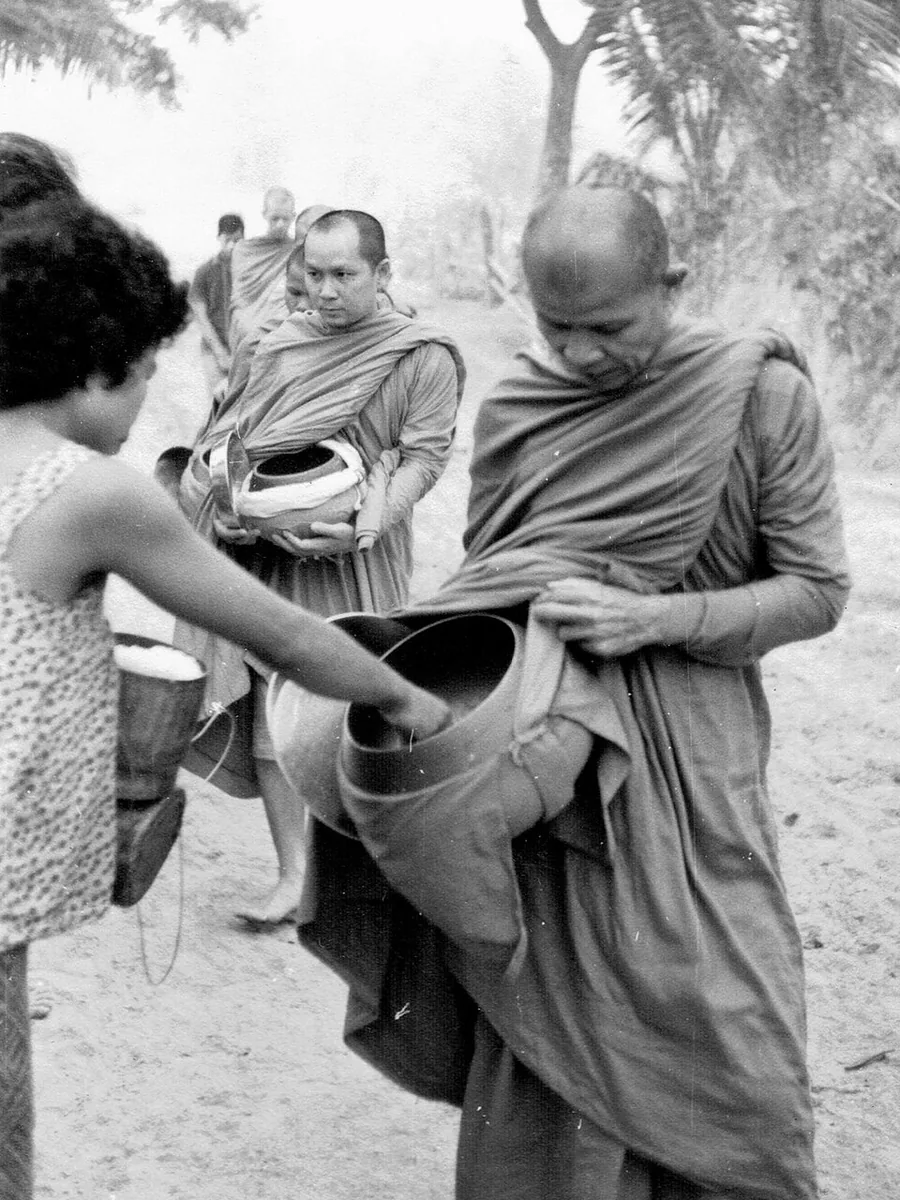
An alms round every day, except the days he chose to fast.
Only food received in the bowl on the alms round, nothing offered afterwards.
One meal a day, and nothing after it.
Eating only from the bowl, from that one vessel.
Living in the forest: in the mountains, in caves, under overhanging cliffs.
Only his three robes, with a bathing cloth.

Before you train, repeat buddho silently for ten breaths. When the mind wanders, let the word bring it home.
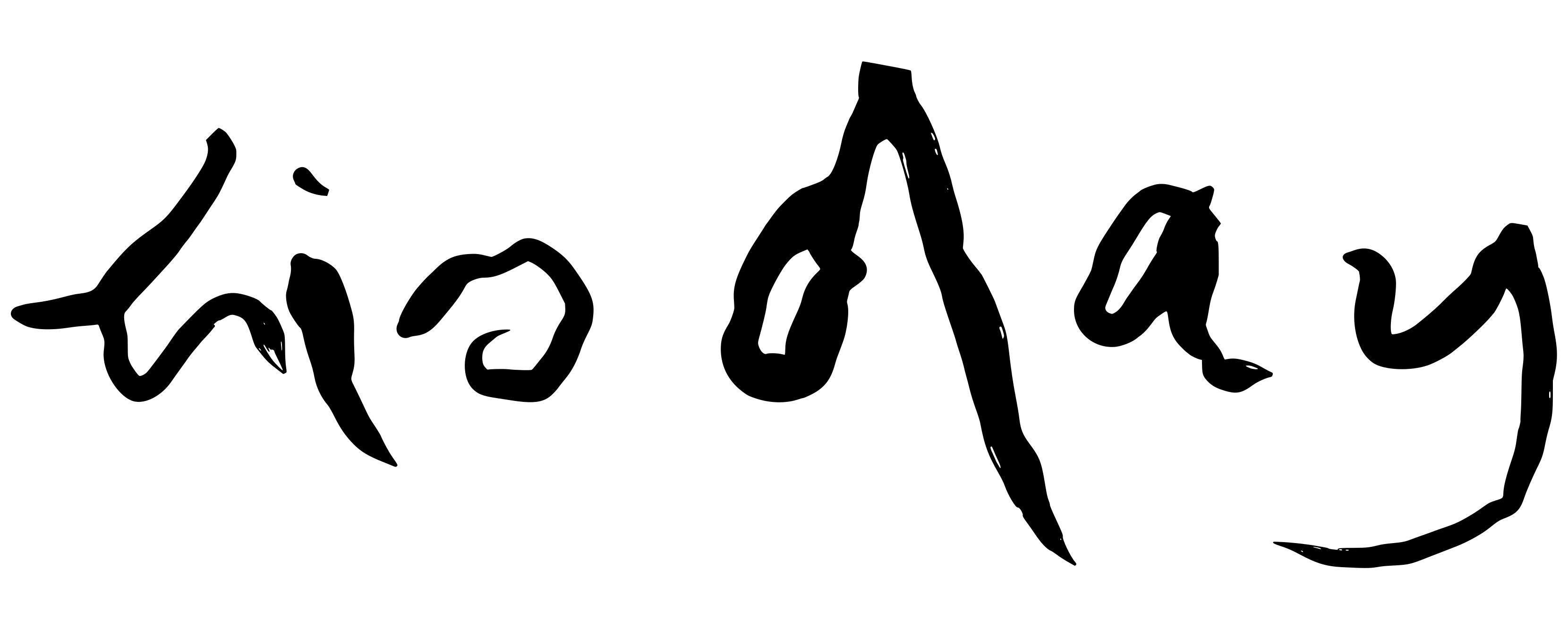
Ajahn Mun was born on 20 January 1870, a Thursday. Here is that day, read by the same calculator as yours. The lunar year of a birth before 1900 is beyond our calculator, so it stays out.
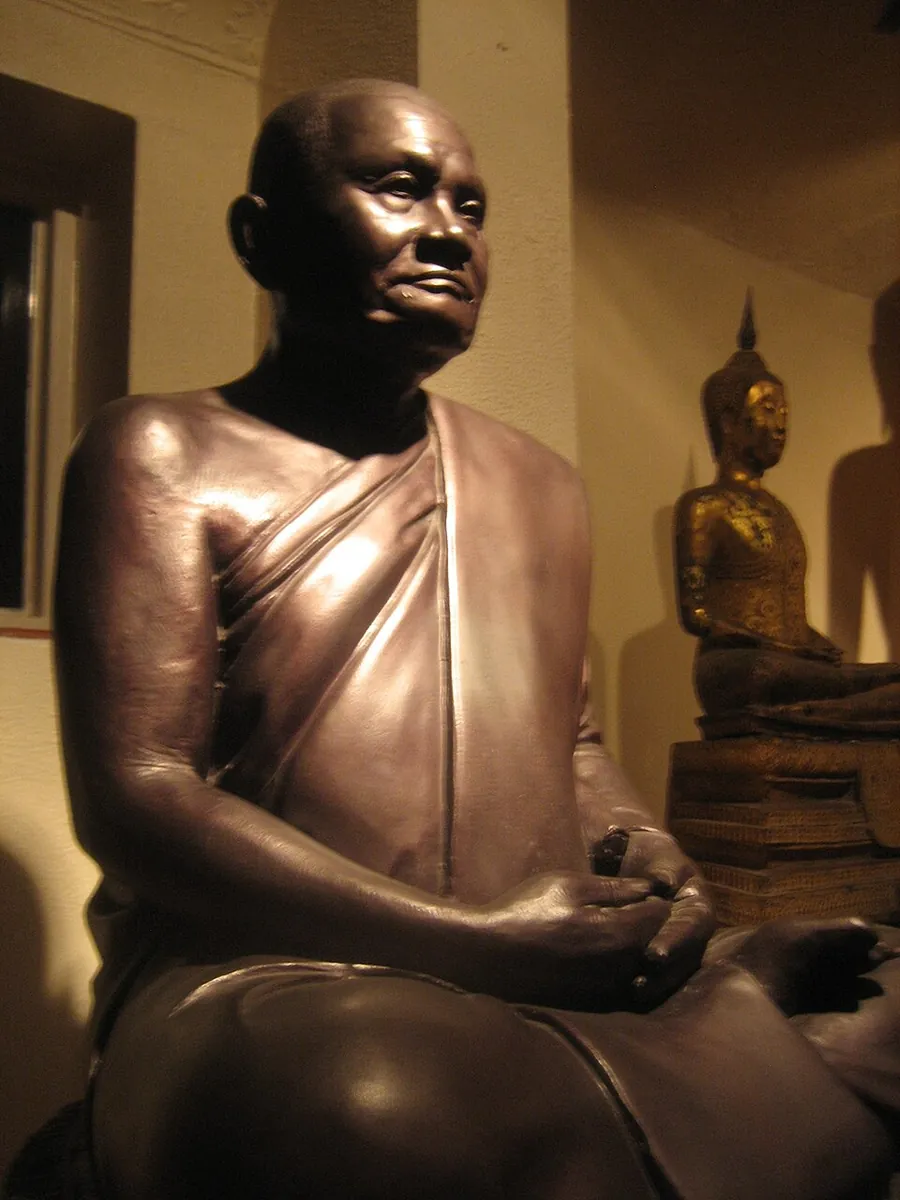
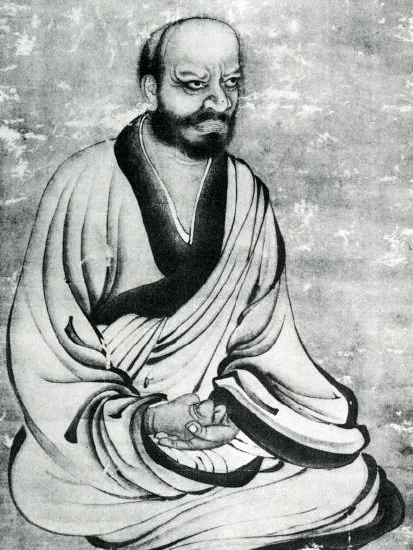
Seated, hands resting in the lap.
Jupiter · West
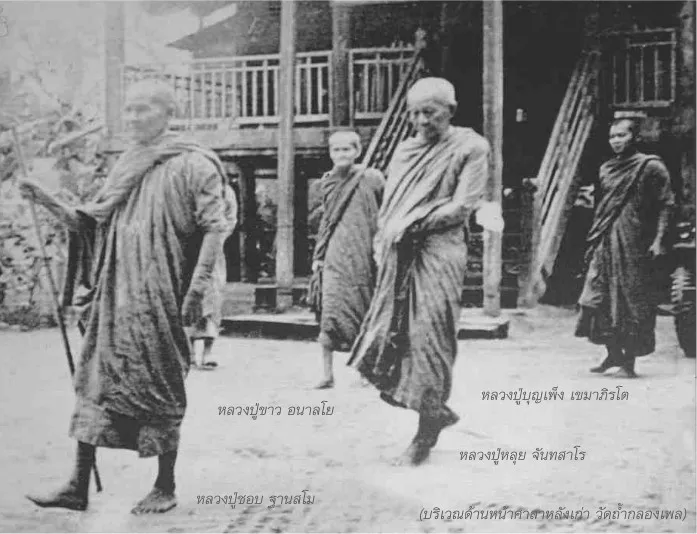
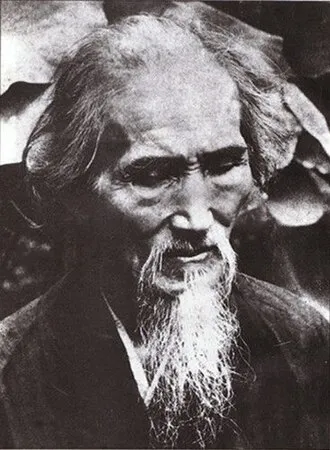
His students and their students lead forest monasteries across Thailand and abroad. The photograph shows four of them, often mistaken for him and Ajahn Mahā Boowa: Luang Pu Chob, Luang Pu Khao, Luang Pu Lui and Luang Pu Bunpeng.