
The one who knows
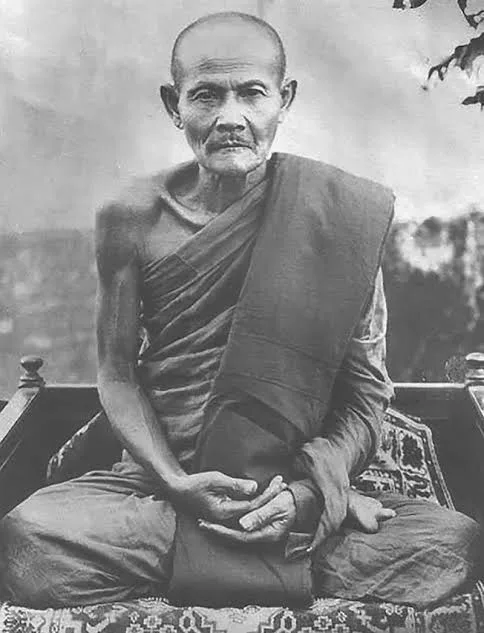
From Ajahn Mun he learned to tell the mind apart from what passes through it. A mood comes and goes. The knowing of it stays.
From Ajahn Chah, in Stillness Flowing, Ajahn Jayasaro, 2017
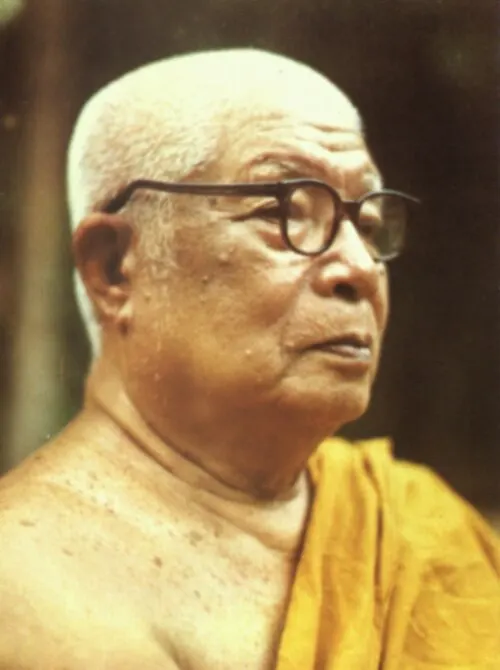
อาจารย์ชา Subhaddo · Luang Por Chah · 1918–1992
A rice farmer’s son from northeast Thailand who showed that the whole path fits into an ordinary day: walking, sweeping, letting go.
Theravada · Thai Forest Tradition
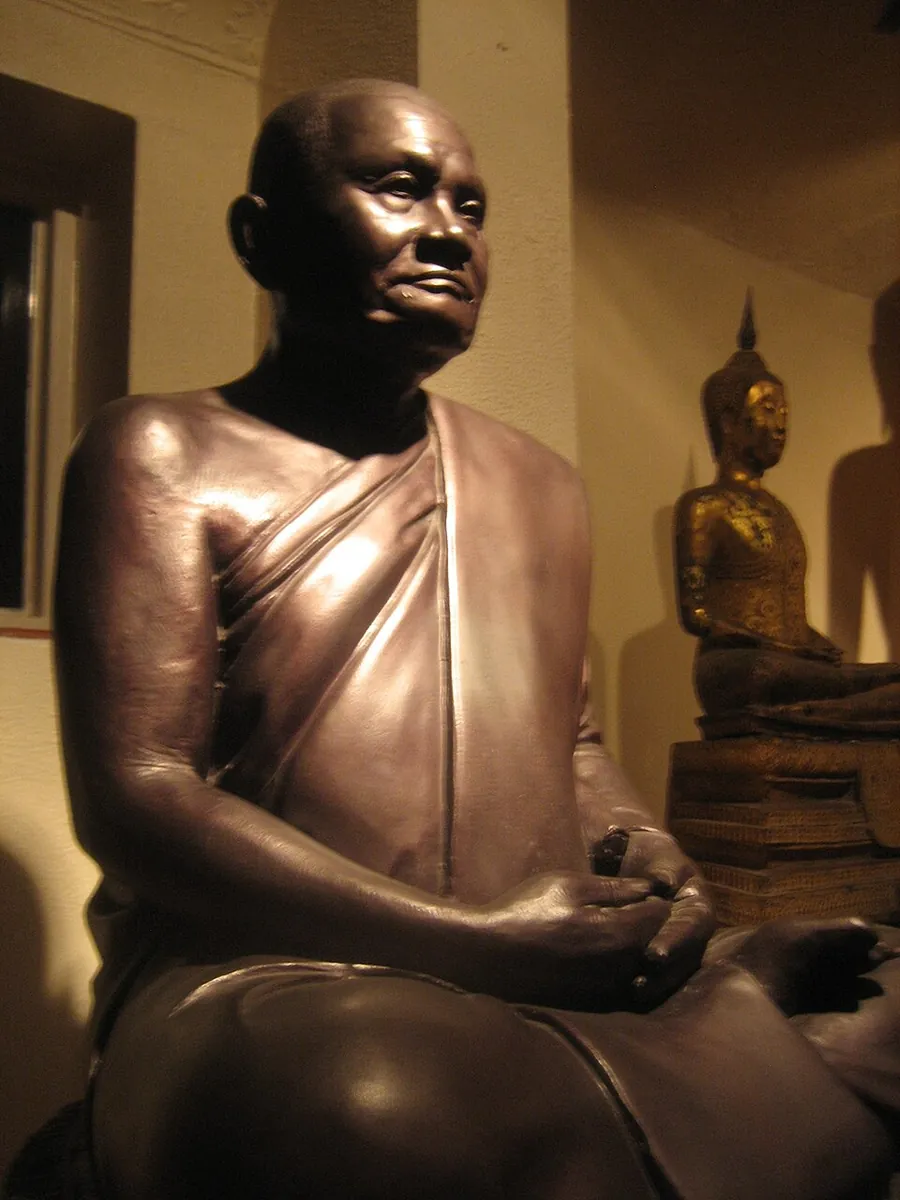
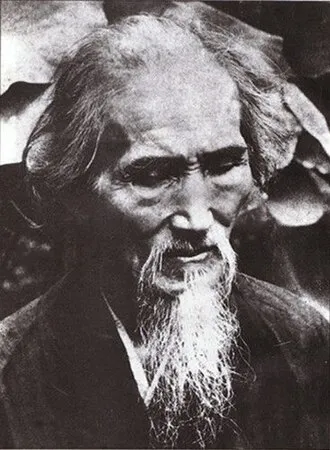
Ajahn Chah (1918–1992) was a Thai Buddhist monk of the forest tradition. He founded Wat Nong Pah Pong in Ubon Ratchathani, taught a simple and strict way of meditation, and trained the first Western monks of his lineage, who carried it to England and America.


He fitted every explanation to the person in front of him, with images from village life. His talks sound simple the first time and reveal more each time they are heard again.

From one forest grove near his village grew 153 branch monasteries by 1992. Today the lineage counts more than three hundred, in Thailand and around the world.

In 1975 he opened a monastery for monks from abroad. He travelled to England in 1977, and to England and America in 1979, and his students founded the first monastery of his lineage in the West.
From a rice village to a forest that reached three continents. Scroll, and walk it with him.
Born in Bahn Kor, a small village a few kilometres south of Ubon, on the seventh waning day of the seventh moon in the Year of the Horse: 17 June. He is the fifth of eleven children of Mah and Pim Chuangchot, rice farmers. Chah means clever, capable, resourceful.
Takes the novice vows in March, aged thirteen. His friends call him Bullfrog for his round belly and deep voice. A few years later he returns to the farm.
Ordained as a monk on 26 April at Wat Kor Nai. His monastic name, Subhaddo, means well developed.
His father’s death turns him toward serious practice. At the beginning of 1947 he sets off barefoot on tudong, the wandering life of a forest monk, sleeping in forests, caves and cremation grounds.
Spends three days with Ajahn Mun at Wat Pah Nong Peu. Two evenings of instruction give him the key he had been missing, and he never returns.
Settles in a forest near his home village, known for its cobras, tigers and ghosts. He calls it the perfect place for a forest monk. It becomes Wat Nong Pah Pong.
An American monk, Ajahn Sumedho, arrives and becomes his first Western disciple.
Almost twenty Western monks now live at Wat Pah Pong. He opens Wat Pah Nanachat, the International Forest Monastery, with Ajahn Sumedho as abbot.
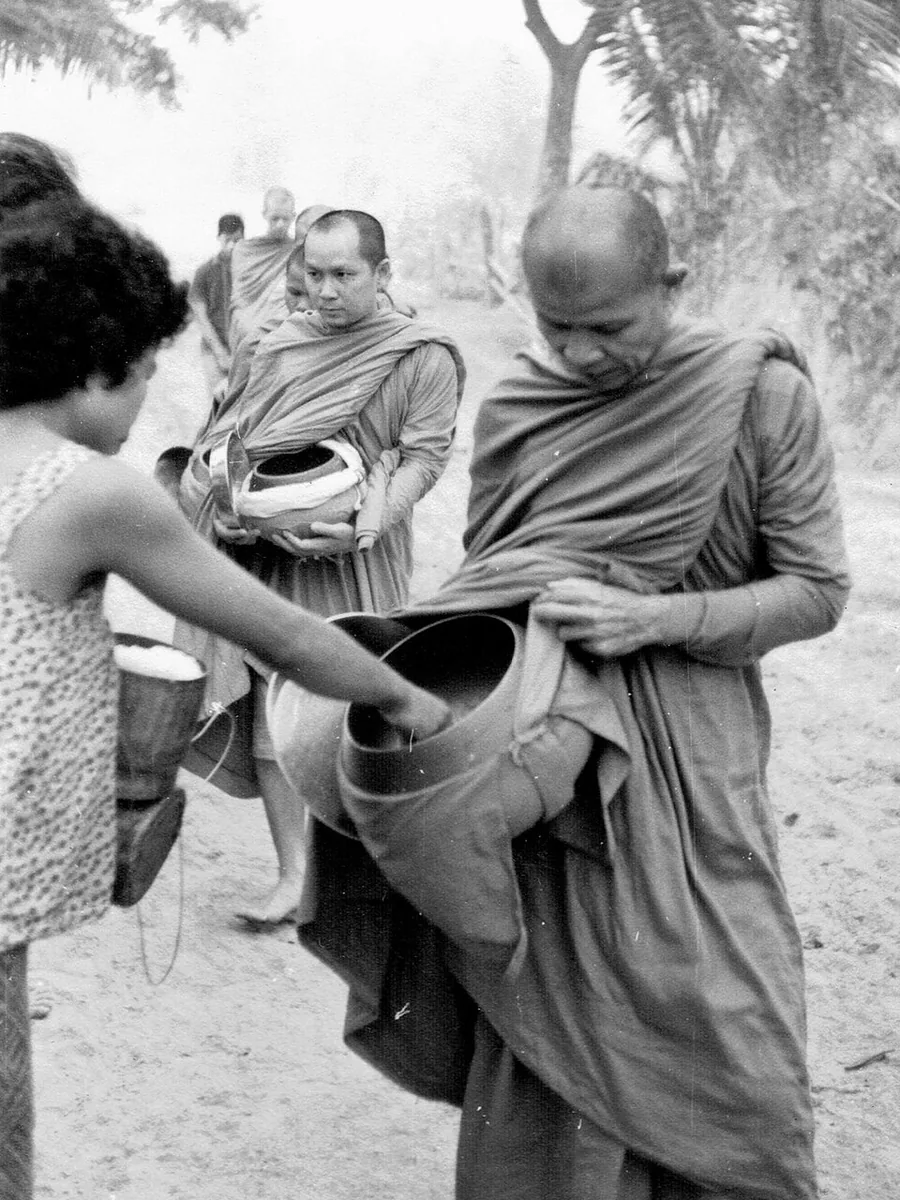
First journey to the West. In London he walks the first alms round of his lineage in England.
Second and last journey abroad, to England and America. His students settle at Chithurst, the first monastery of the lineage in the West.
Diabetes and poor blood flow to the brain were found in 1980. In early 1983 he stops speaking, and his monks care for him for more than nine years of stillness and silence.
Dies at 5.20 in the morning on 16 January, at Wat Nong Pah Pong. Over the following year more than a million people come to bow to his body.
Cremated on 16 January, in the presence of the King and Queen of Thailand, beside a stupa his monks built in six months.

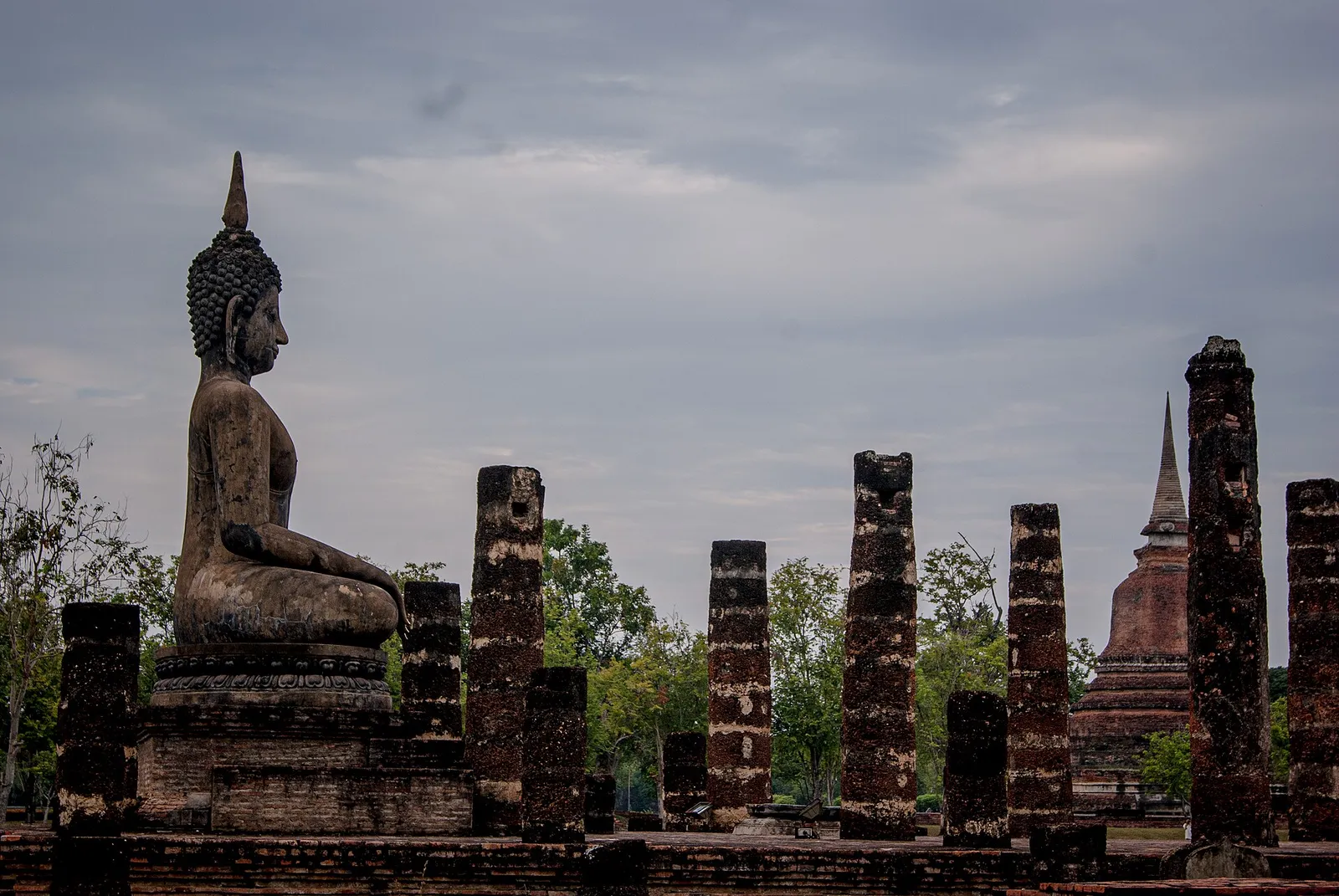
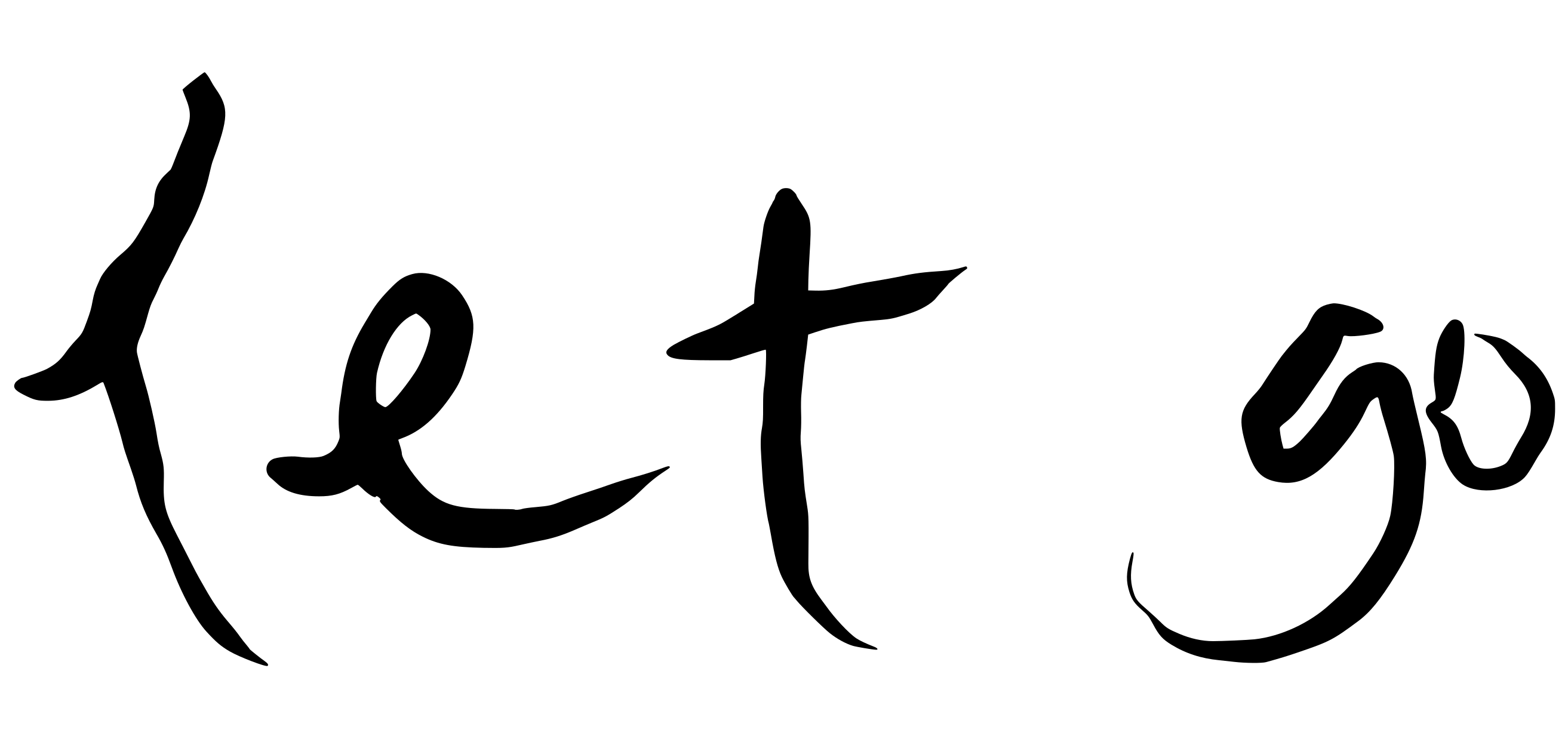
Suffering comes from holding on. Peace grows exactly as much as we put things down: a little, a lot, or completely.
He never asked anyone to take this on faith. Try it, he said, and watch what happens.
From A Still Forest Pool, Jack Kornfield and Paul Breiter, 1985
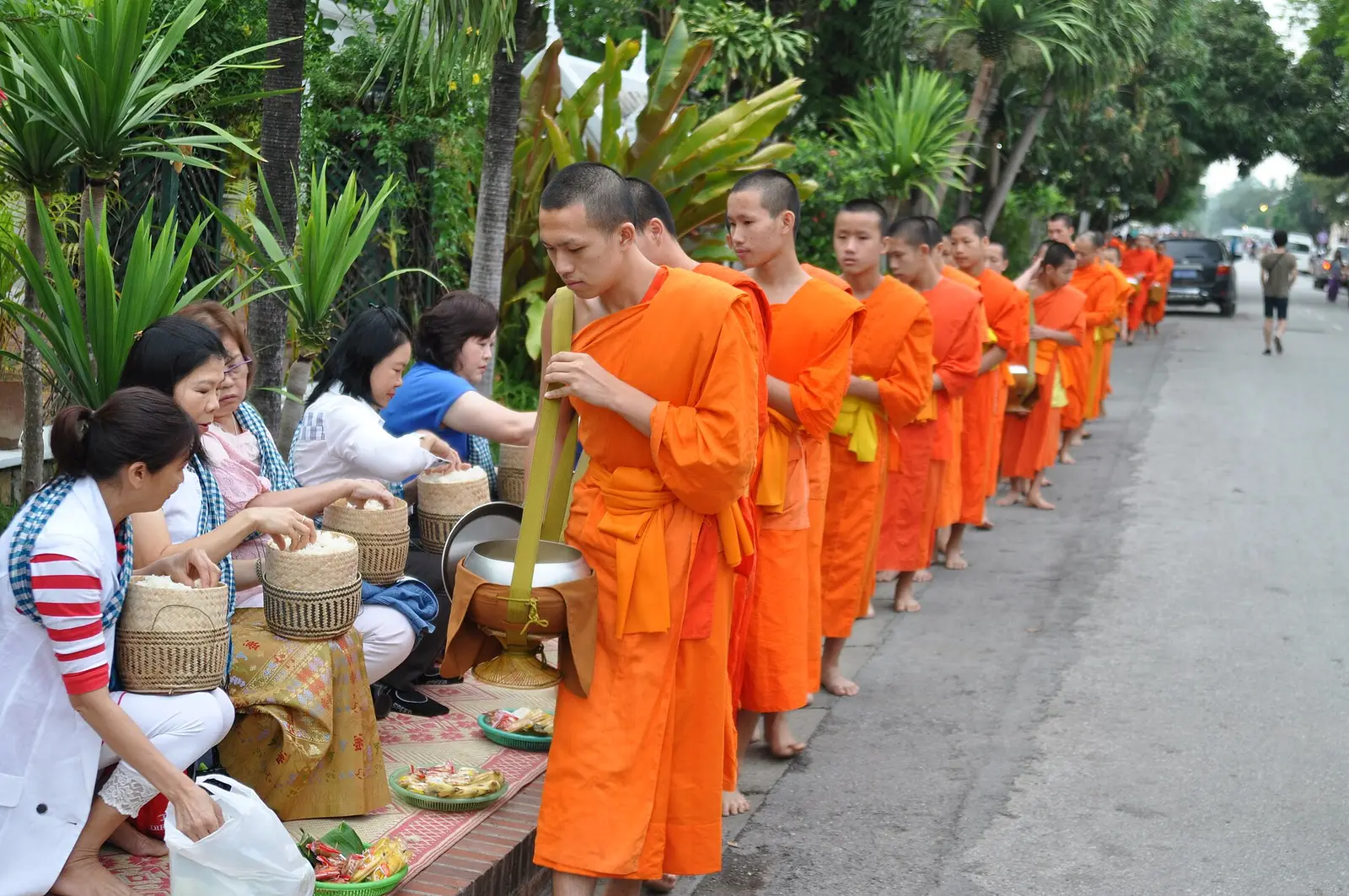
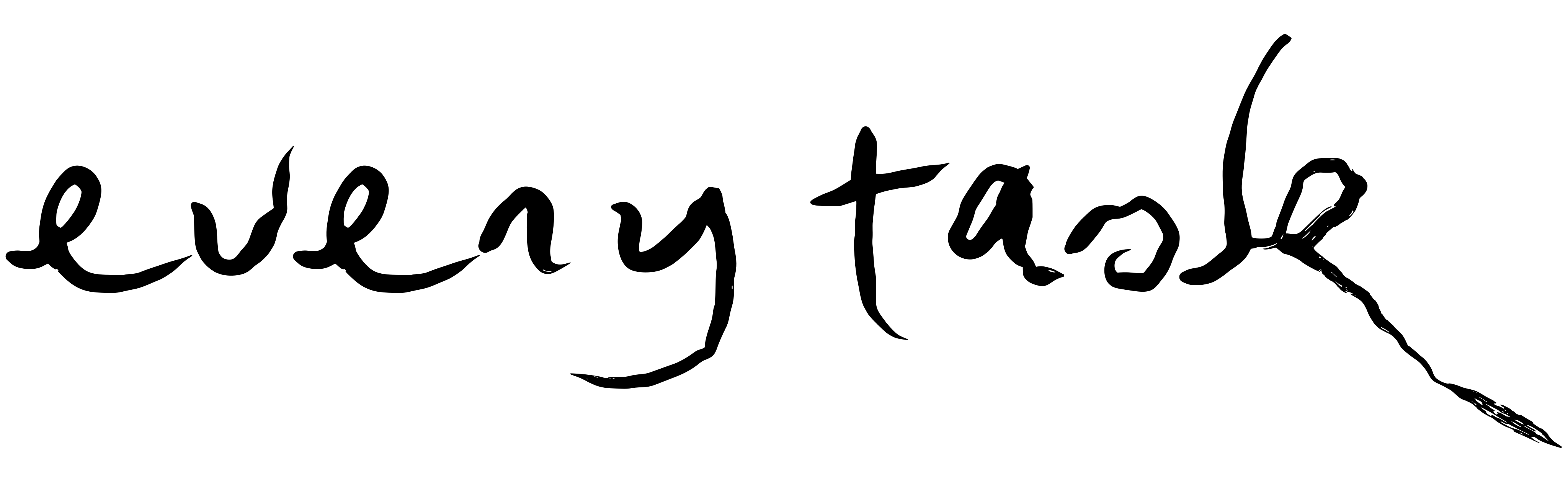
Sweeping leaves, hauling water, washing the bowl. At Wat Pah Pong the work was done in silence, and he did it beside his monks.
Done with full attention, ordinary work is the training itself. The broom teaches as much as the meditation hall.
From A Still Forest Pool, Jack Kornfield and Paul Breiter, 1985, “The Dharma of Menial Tasks”


A mind that is calm and awake at the same time. Still like a pool, moving like a stream.
He described the settled mind as a pool in the forest, where rare animals come to drink, and you can watch them without being moved.
From A Still Forest Pool, Jack Kornfield and Paul Breiter, 1985
From Ajahn Mun he learned to tell the mind apart from what passes through it. A mood comes and goes. The knowing of it stays.
From Ajahn Chah, in Stillness Flowing, Ajahn Jayasaro, 2017
Mai nae, “not sure”, was a phrase he used all the time. Whatever you feel certain of, happiness or sorrow or even your own progress, keep it lightly. Ajahn Amaro, his student, practises it with a cup of tea: you lift it to your lips and you do not know yet how it will taste.
From Ajahn Chah, in Stillness Flowing, Ajahn Jayasaro, 2017
He would not let anyone lean on his authority. Asked whether there is life after this one, he answered with a question, and then explained that belief built on someone else’s words is not yet knowing.
From Ajahn Chah, in Stillness Flowing, Ajahn Jayasaro, 2017
He compared seeing impermanence to seeing a drinking glass as already broken. The Buddha, he said, sees the broken glass within the unbroken one. Knowing that, you can drink from it and enjoy it without clinging to it.
Retold from Stillness Flowing, Ajahn Jayasaro, 2017, and Thoughts Without a Thinker, Mark Epstein, 1995
A little letting go gives a little peace. Let go of everything, and the peace is complete.
A day at Wat Pah Pong in the early years, as one of his first monks remembered it.
Ajahn Jun, remembering the early years, in Stillness Flowing, Ajahn Jayasaro, 2017
The bell. Fifteen minutes to reach the Dhamma Hall in the dark. Sitting meditation, then chanting. He was usually there first.
The monks on the long alms routes leave first. He picks up a broom and sweeps, then walks a short route. He never went for alms to Bahn Kor, his own village, so that old attachments would not wake up.
One meal a day, the food that was offered, eaten from the bowl.
The bell again. Monks sweep the forest floor in one long line. Nobody speaks, you hear only the brooms. Then water is hauled from the well, and he pulls on the rope with the others.
A bath, walking meditation on the forest paths.
Evening sitting and chanting, then a talk from him. Often until ten or eleven, sometimes past midnight.

Sweep, wash or walk for ten minutes as if it were the most refined work there is. When the mind wanders, come back to the broom.

Ajahn Chah was born on 17 June 1918, a Monday. Here is that day, read by the same calculator as yours.
Standing, both palms raised forward.
Moon · East
The year turns at the lunar new year, as for everyone.
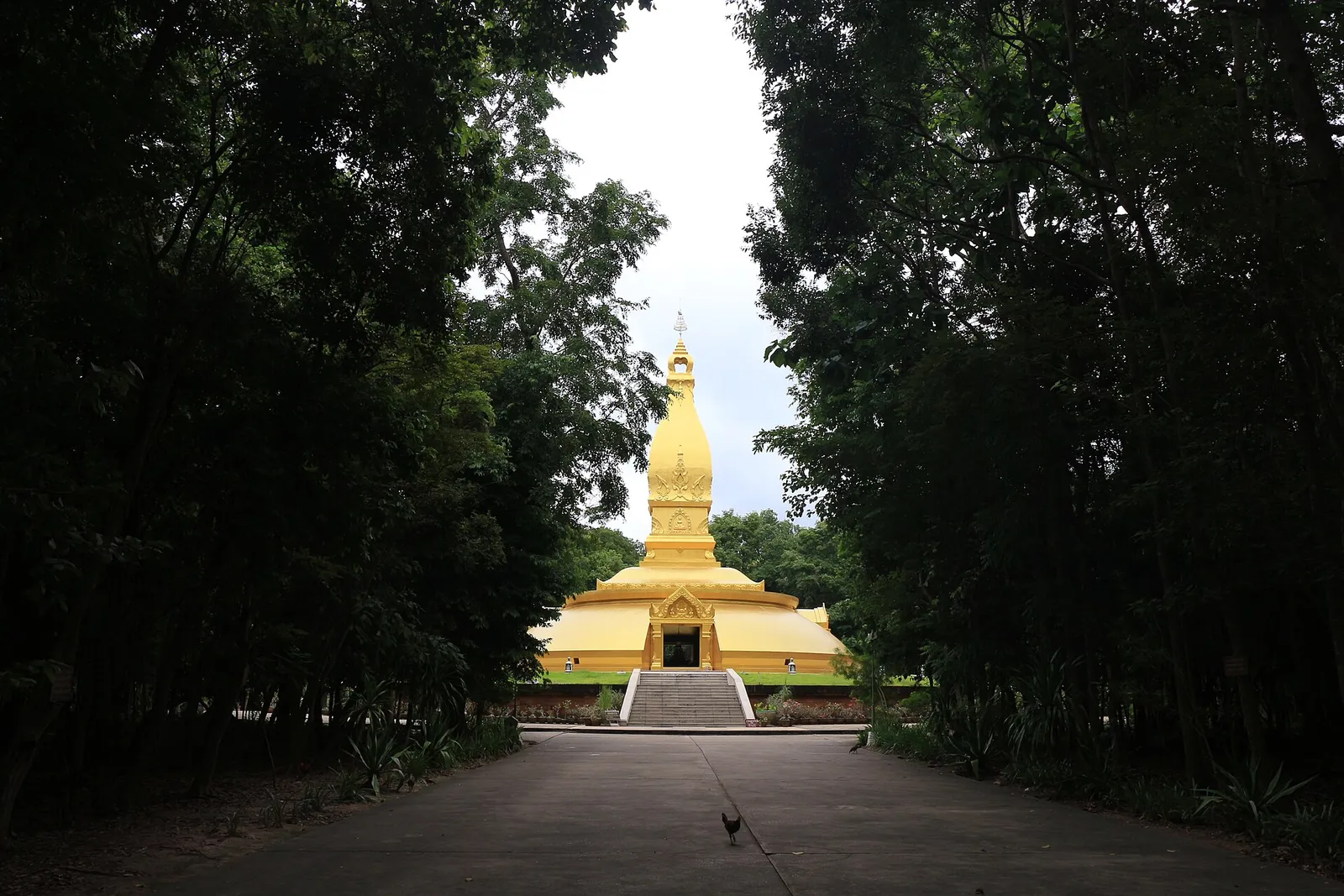
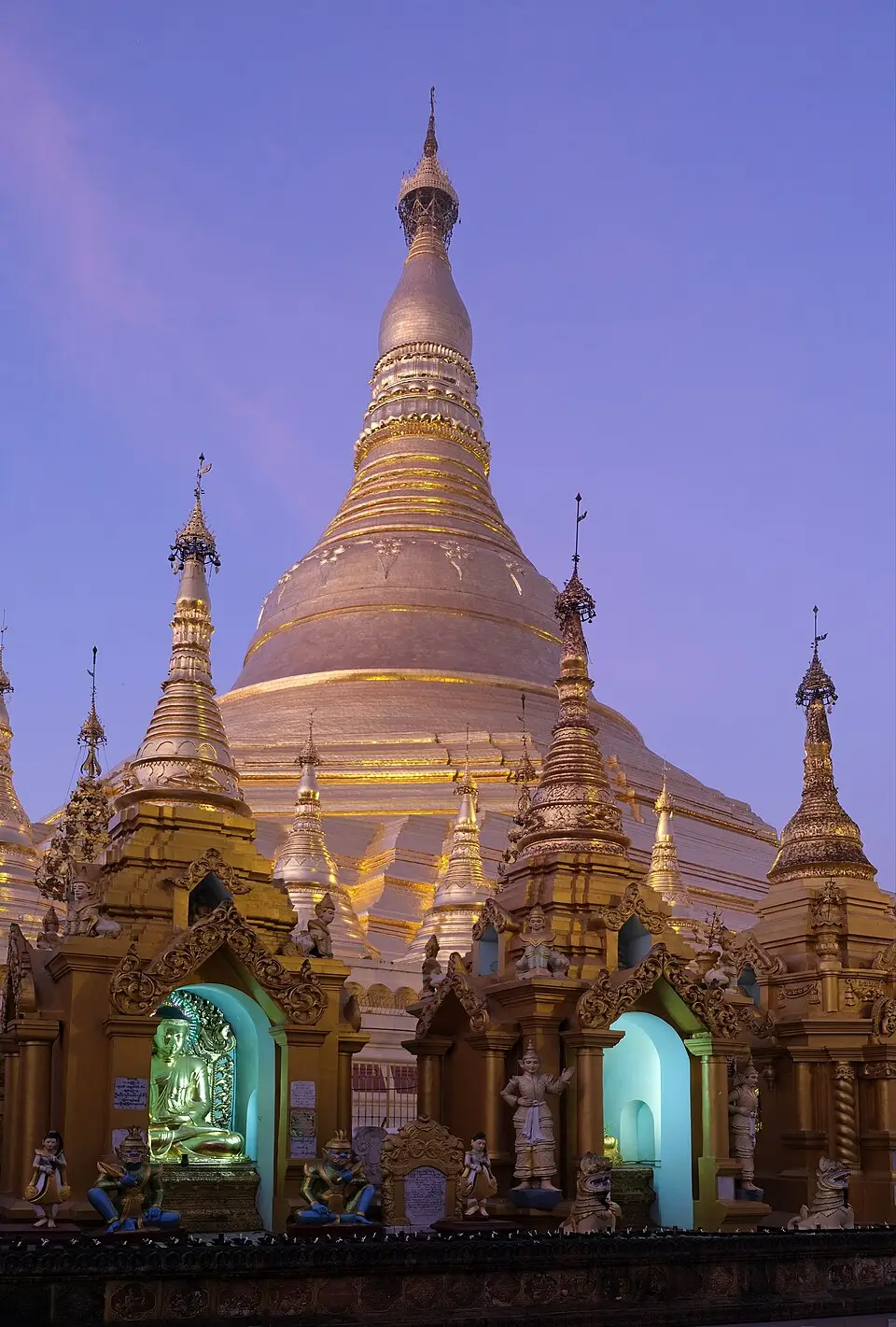
A white and gold stupa stands in his memory in the forest of Wat Nong Pah Pong. His students lead monasteries in Thailand, England and America, and his talks are given away for free.