Who is mindful of the Buddha?
He taught the huatou: holding one question, such as who is it that recites the Buddha’s name, until thinking stops.
Wikipedia: Xuyun
虛雲 Xuyun · Empty Cloud · said 1840–1959
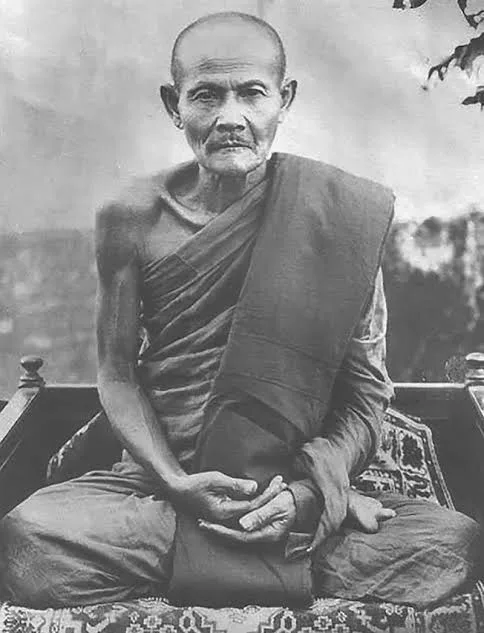
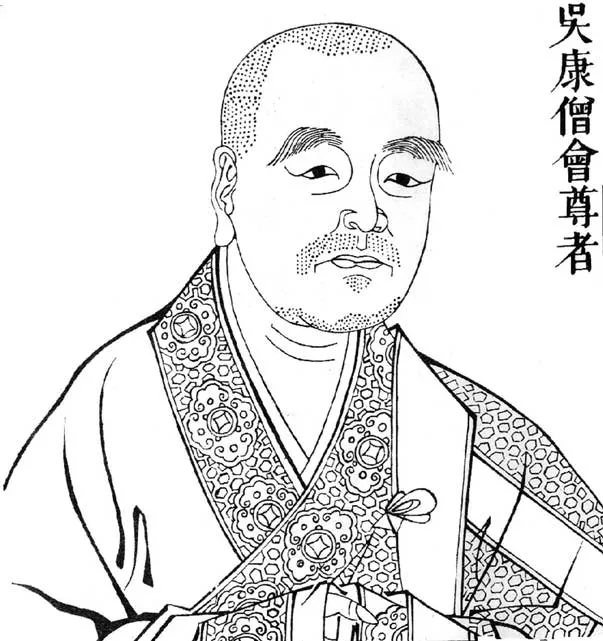
A monk who walked across China bowing every three steps, and spent his old age rebuilding the monasteries of the past.
Chan · the five houses
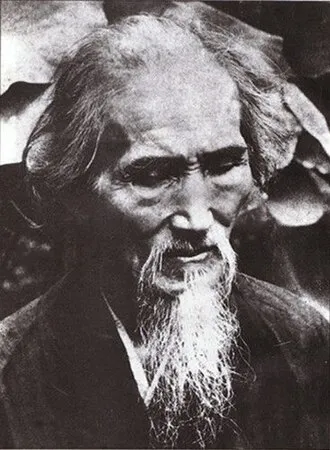
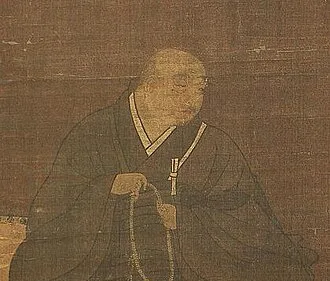
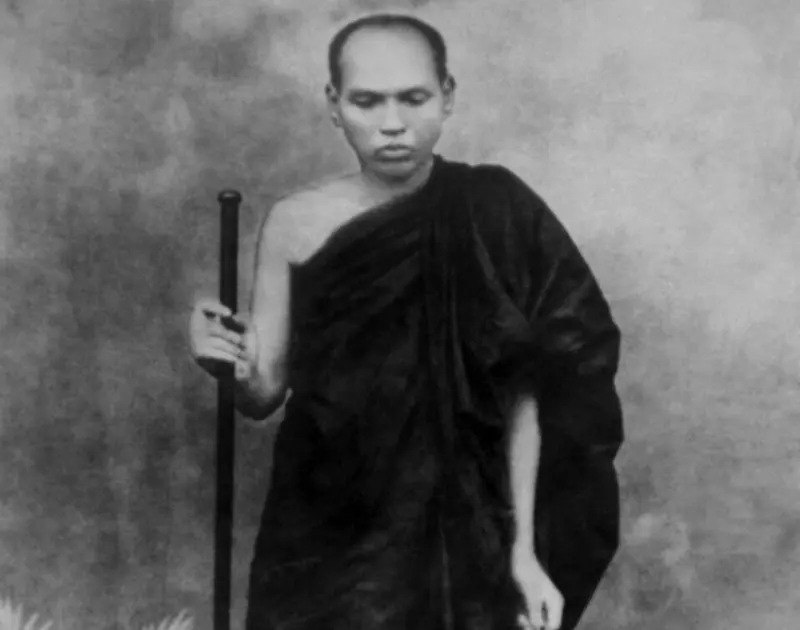
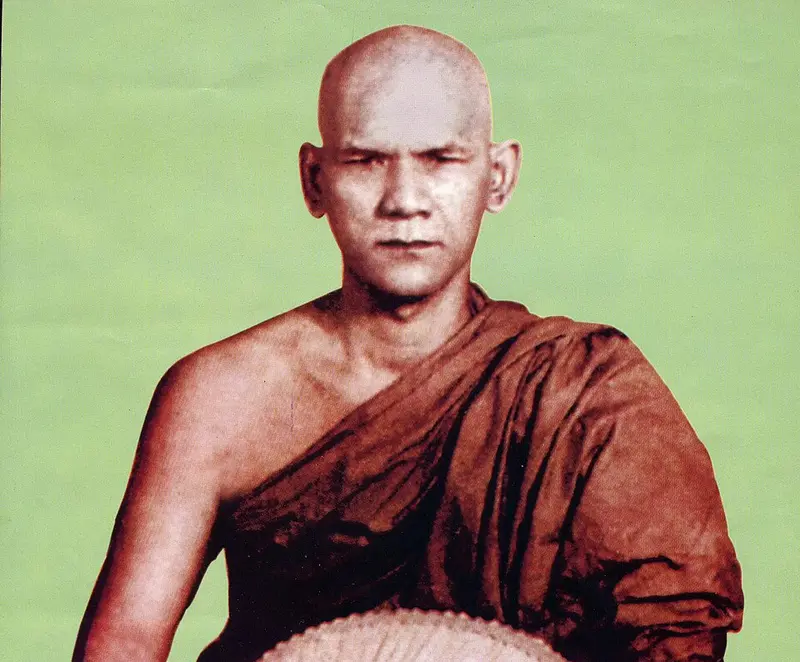
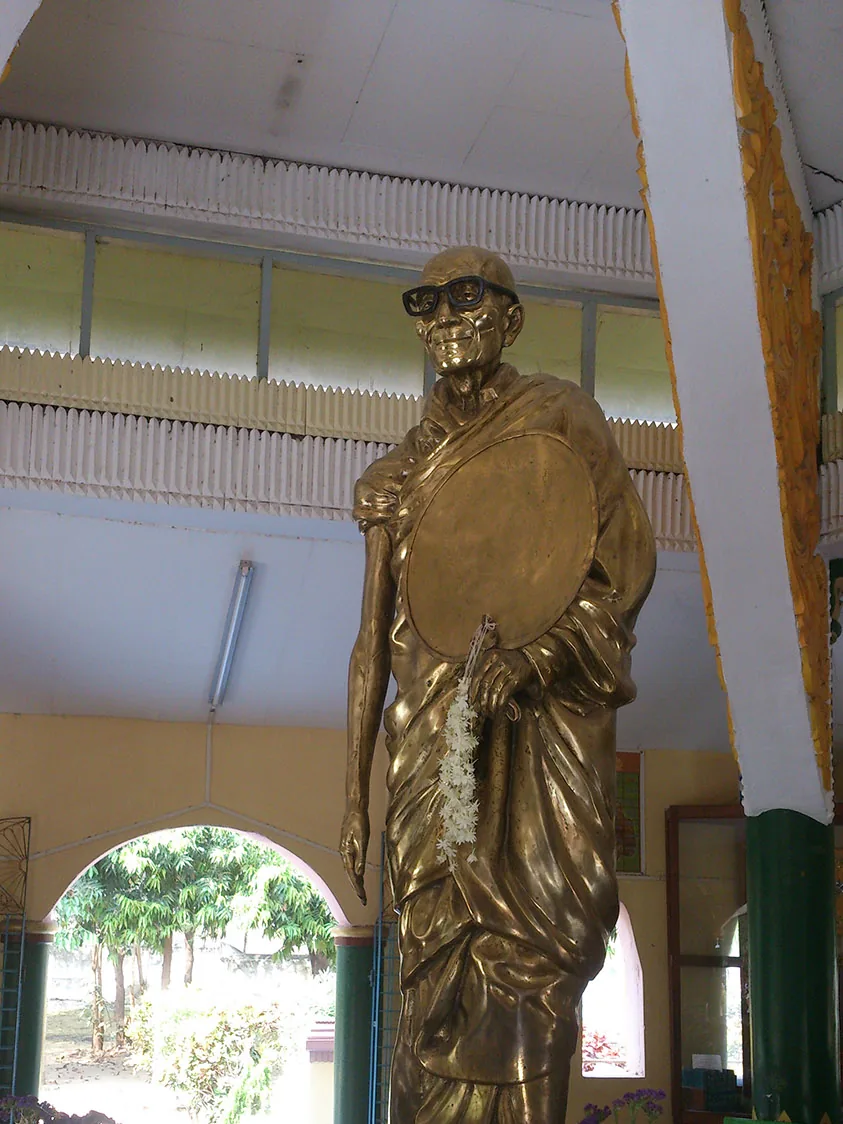
Xuyun, Empty Cloud, was the most revered Chinese Chan master of modern times. By his own account he was born in 1840 and lived to 1959; scholars treat that age with caution. He rebuilt many ruined monasteries, among them Huineng’s Nanhua and Yunmen, renewed the teaching of the five houses of Chan, and stayed in China after 1949.

He revived the teaching of the five schools of Chan at a time when many monasteries lay in ruins.
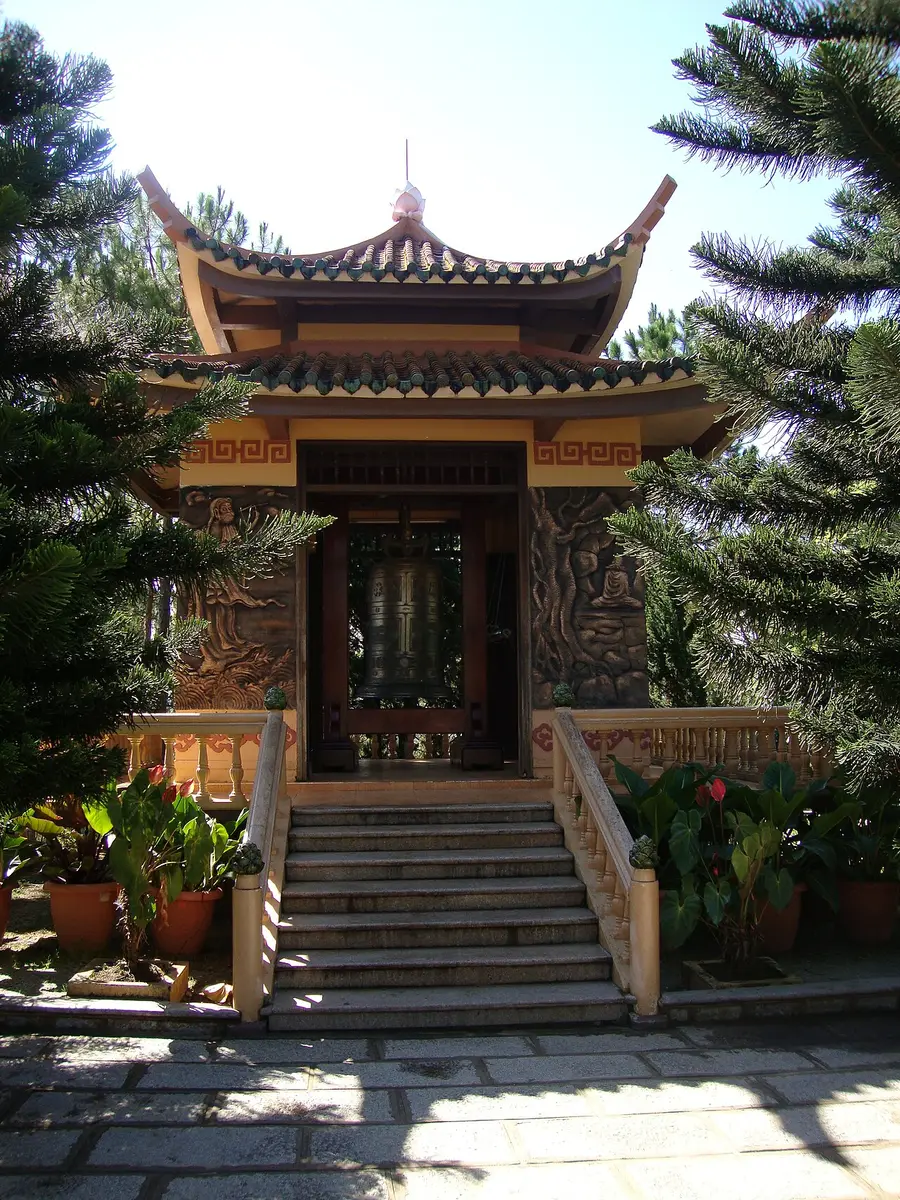
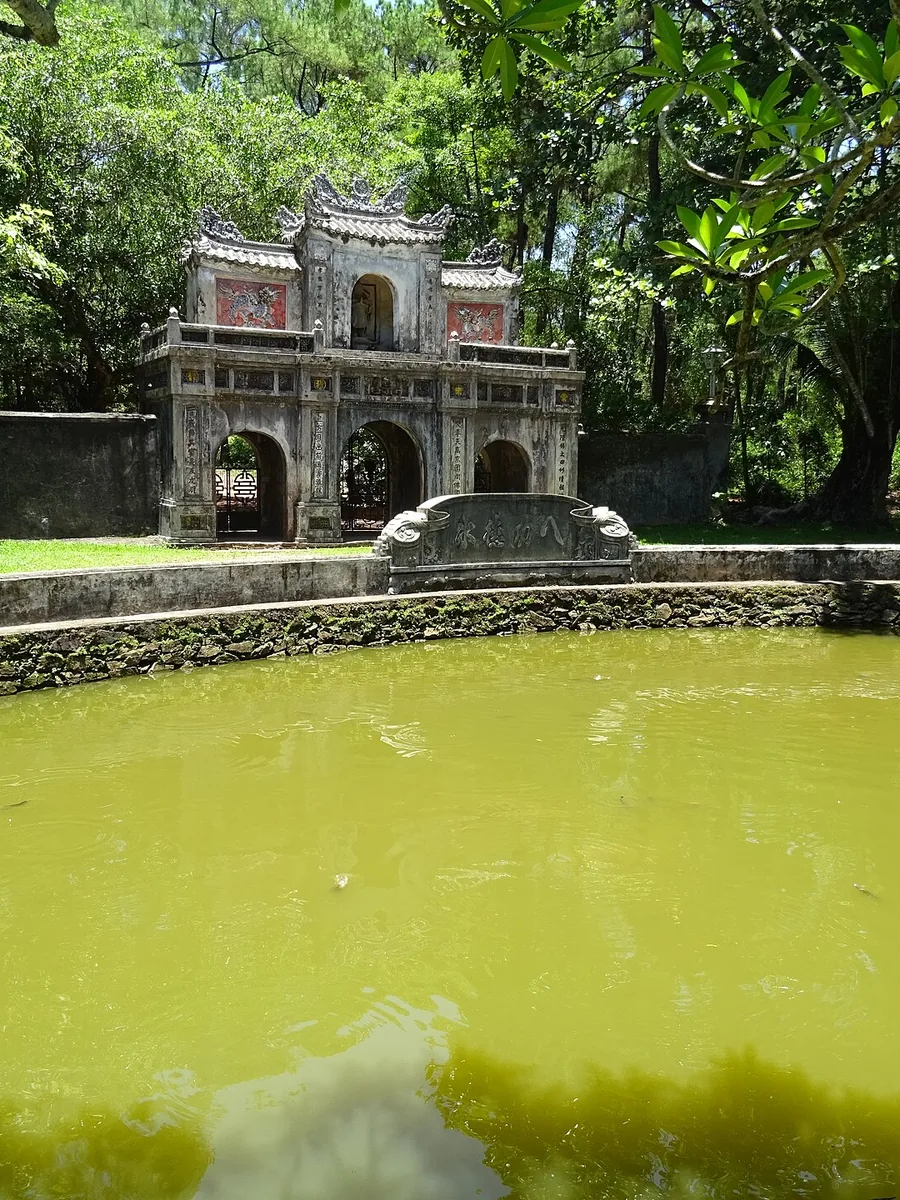
He restored old monasteries one after another, among them Nanhua, where Huineng is said to have taught, and Yunmen.
After 1949 he remained in mainland China, suffered beatings in the Yunmen incident of 1951, and helped found the Buddhist Association of China in 1953.
The life as he told it in his autobiography, Empty Cloud, dictated to his 112th year. Its age and its marvels are his account. Scroll, and walk it with him.
Born, by his own account, in Quanzhou, Fujian. His mother dies at his birth.
Reads Buddhist sūtras after his grandmother’s funeral. His father sends him to study Daoism instead, and arranges his marriage to two wives.
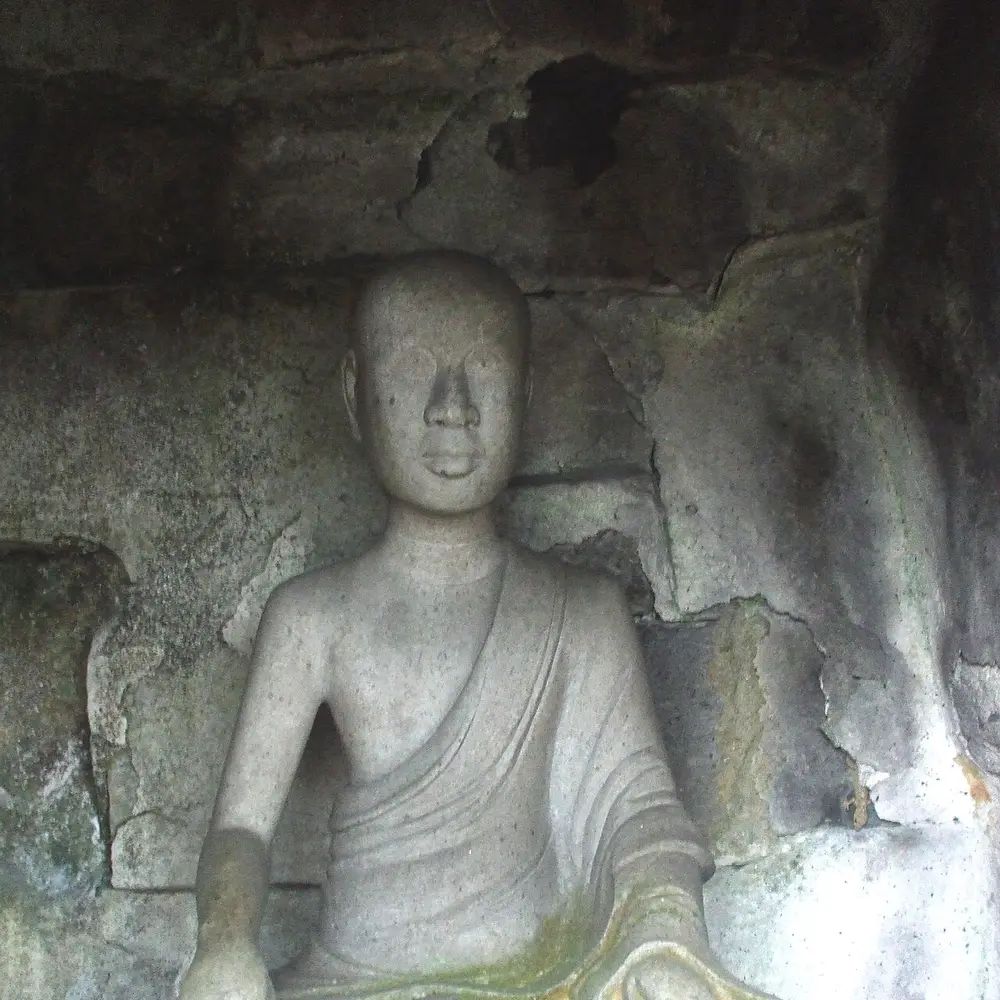
Leaves home for Gushan, Drum Mountain, near Fuzhou, is ordained there, and hides for three years in a grotto behind the monastery.
In his forties he walks to Mount Wutai, making a full prostration every three steps, to repay his parents’ kindness.
Wanders through Tibet, India, Ceylon and Burma, and returns to China.
At Gaomin temple in Yangzhou, during a long meditation retreat, the sound of a falling cup brings his awakening.
Restores ruined monasteries across China, among them Nanhua and Yunmen.
At Yunmen he and other monks are arrested and beaten for three months, until the government intervenes.
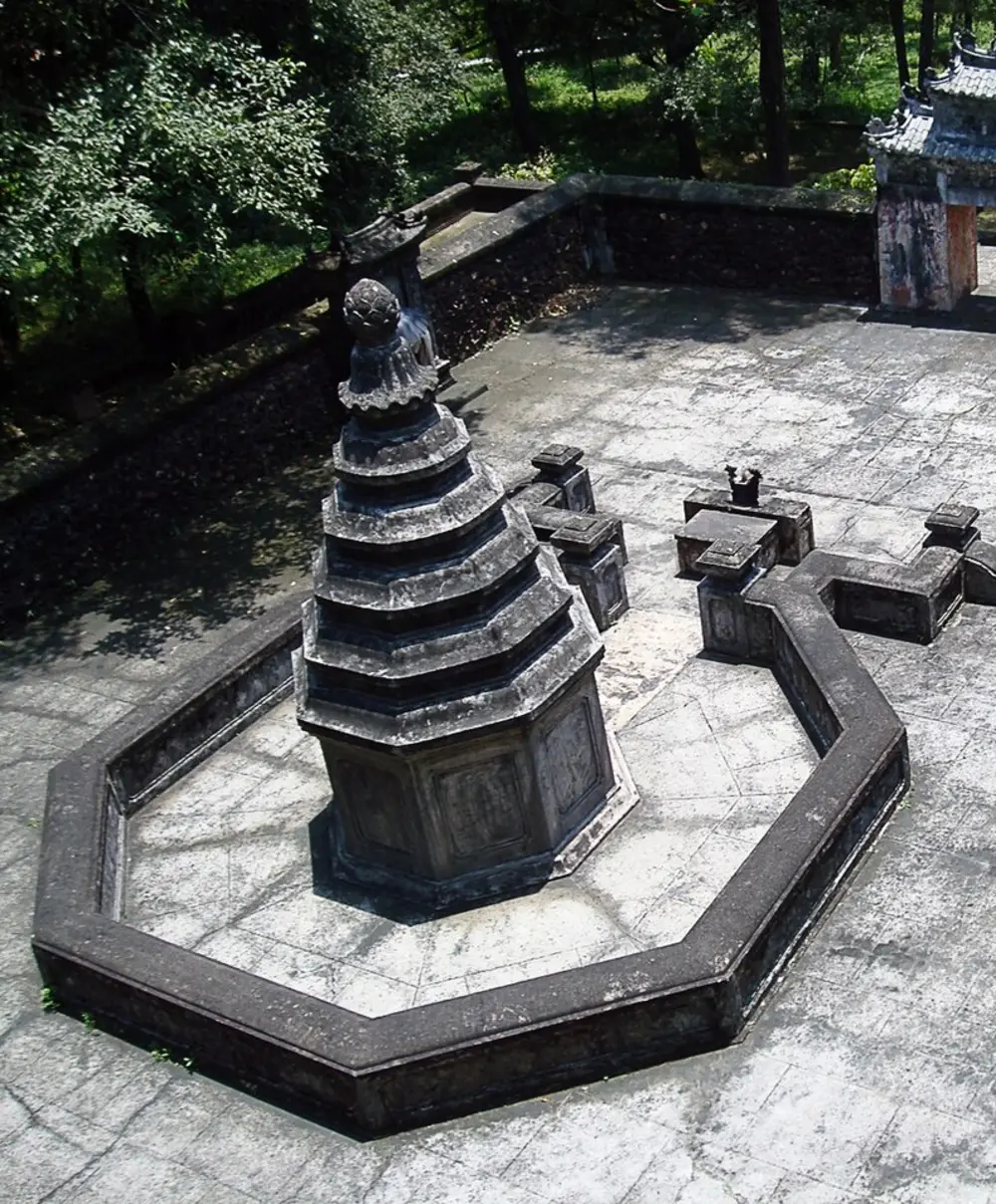
Dies on 13 October at Mount Yunju in Jiangxi, aged 120 by Chinese reckoning.

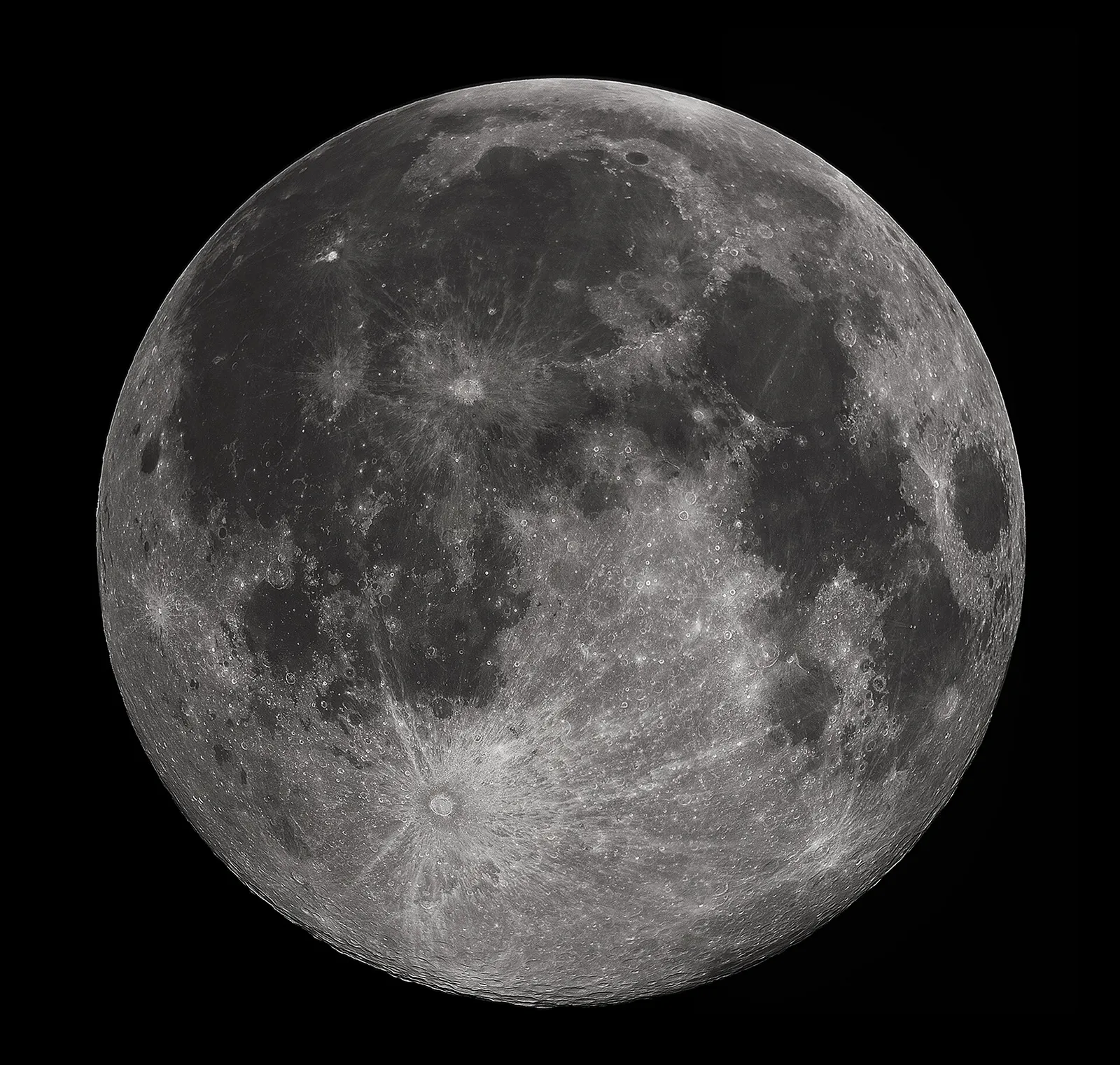
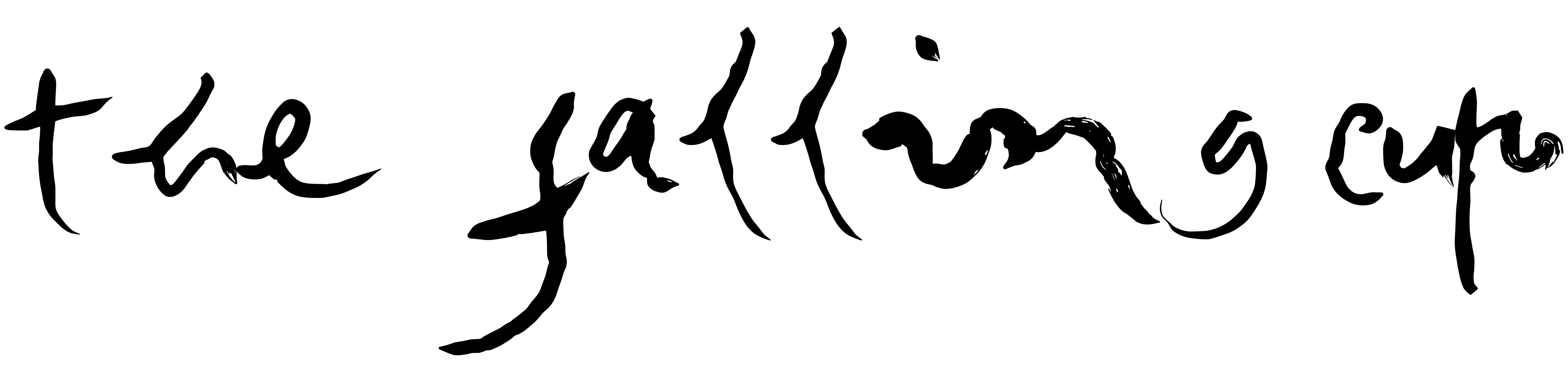
After weeks of sitting, a cup fell in the meditation hall and broke. In that sound, he said, the restless mind stopped.
He marked it with a short verse, still among the best known in modern Chan.
From Empty Cloud: The Autobiography of the Chinese Zen Master Xu Yun, tr. Charles Luk

To repay his parents, he set out from the coast to Mount Wutai, bowing to the ground once every three steps.
In his account, a beggar named Wenji twice saved his life on the way; he later came to believe the beggar was Mañjuśrī.
From Empty Cloud: The Autobiography of the Chinese Zen Master Xu Yun, tr. Charles Luk; Wikipedia: Xuyun
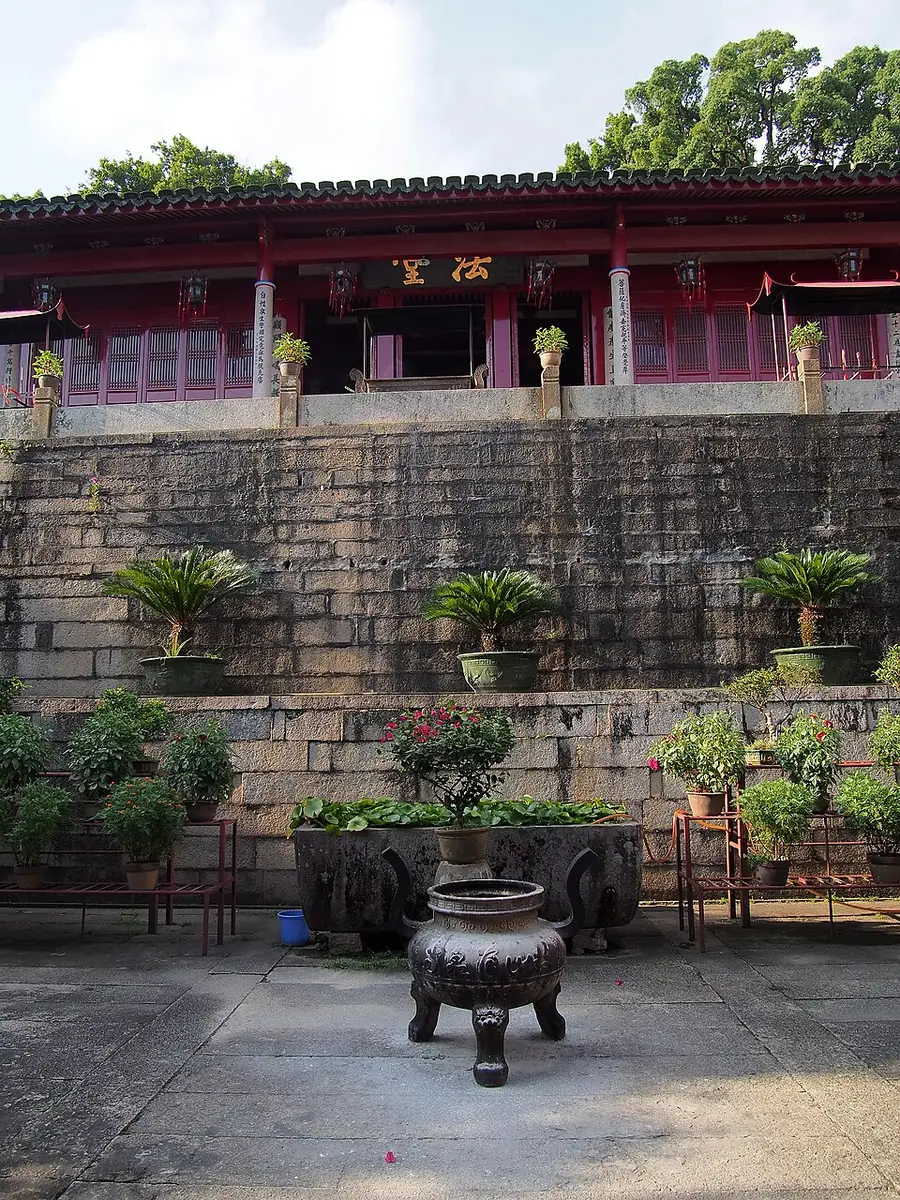
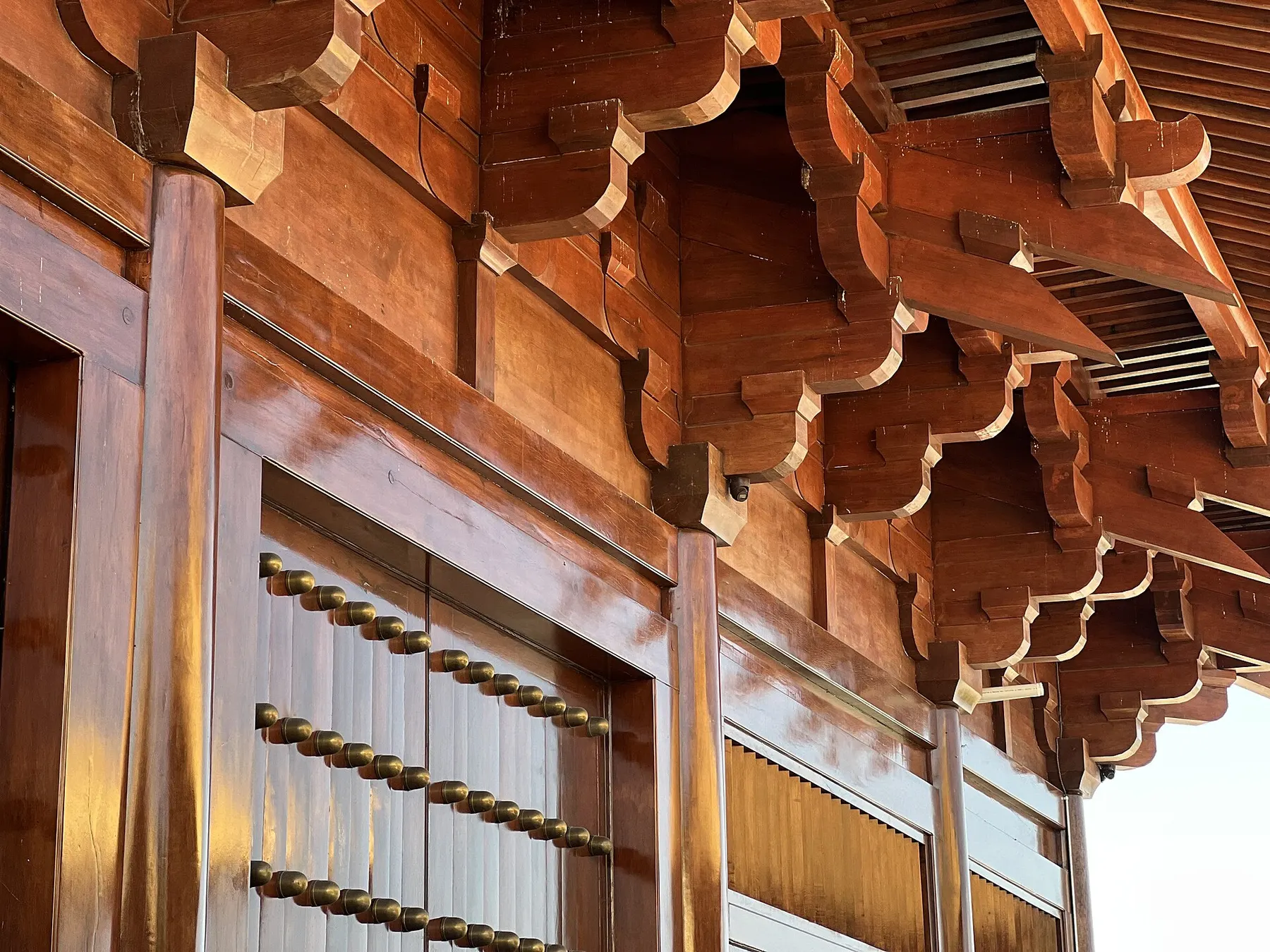
Much of his long life went into restoring monasteries that had fallen into ruin: halls, discipline and teaching together.
At Nanhua he worked where the Sixth Patriarch is said to have taught.
From Empty Cloud: The Autobiography of the Chinese Zen Master Xu Yun, tr. Charles Luk
He taught the huatou: holding one question, such as who is it that recites the Buddha’s name, until thinking stops.
Wikipedia: Xuyun
The historian John Kieschnick takes his autobiography as the best source for his life, and still cannot accept its marvellous birth story. The stories show how a holy monk was expected to live.
John Kieschnick, The Eminent Monk, University of Hawai‘i Press, 1997
When space shattered, the restless mind came to rest.
This week, when a sudden sound breaks your concentration, use it: let it end the thought you were in.
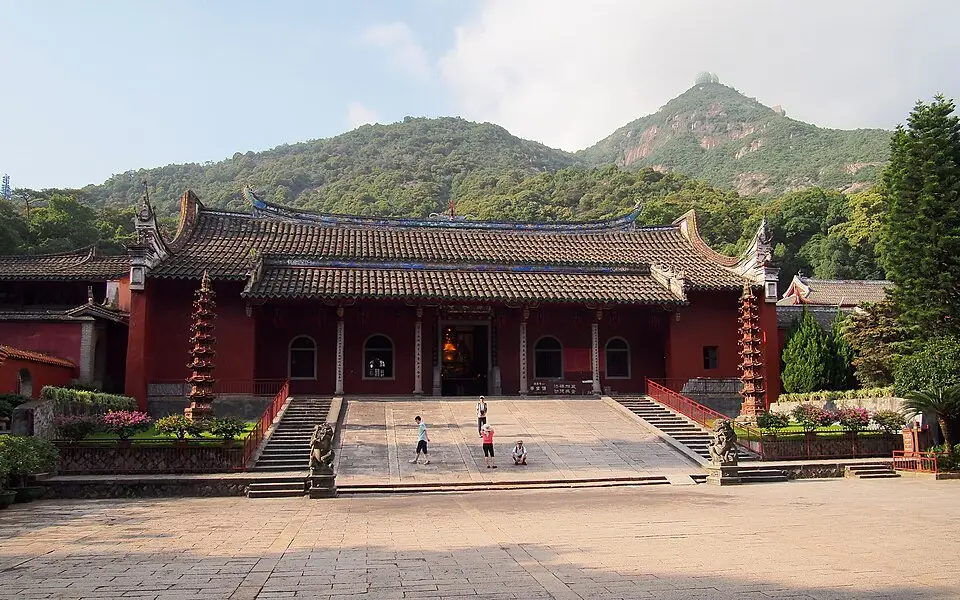
Monasteries he restored, among them Nanhua and Yunmen, still stand. The historian John Kieschnick calls him perhaps the most revered figure in modern Chinese Buddhism.