A shortcut
After his years alone he told his village that the practice of the breath was open to everyone.
From The Essential Practice, Part I: Dhamma Discourses of Venerable Webu Sayadaw, tr. Roger Bischoff, BPS Wheel 375/376 (Access to Insight)
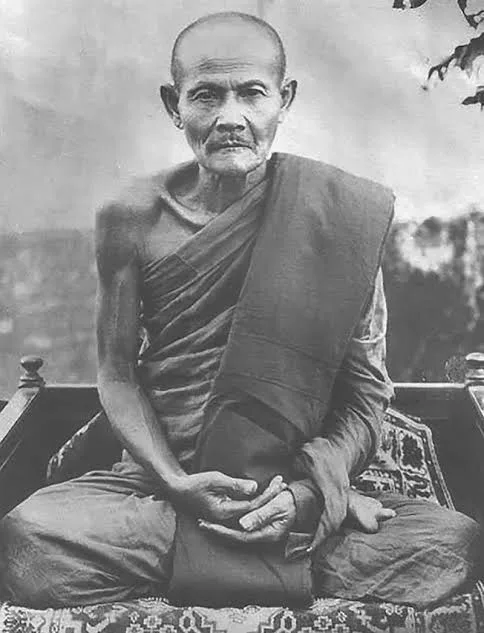
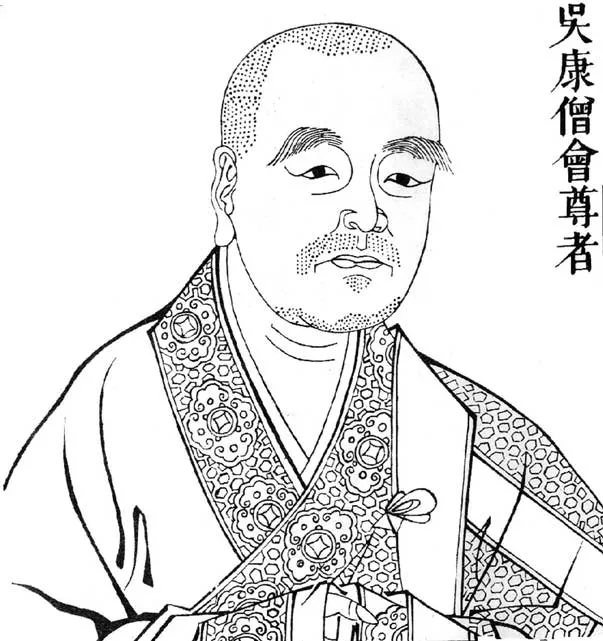
ဝေဘူ ဆရာတော် Kumāra · U Kumāra · 1896–1977
A monk who left the great monastery of Mandalay for four years alone, and came back with one instruction: know the breath, right under your nose.
Theravada · forest meditation
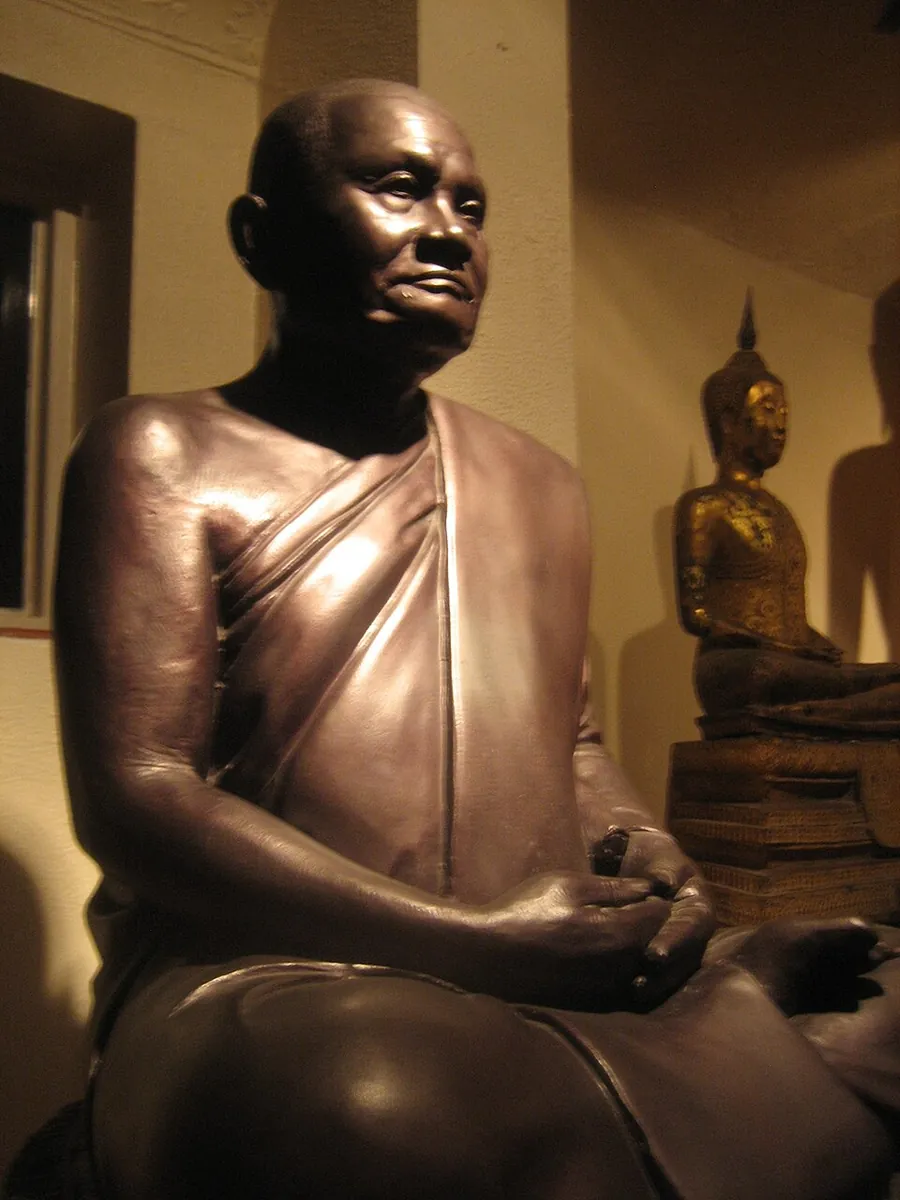
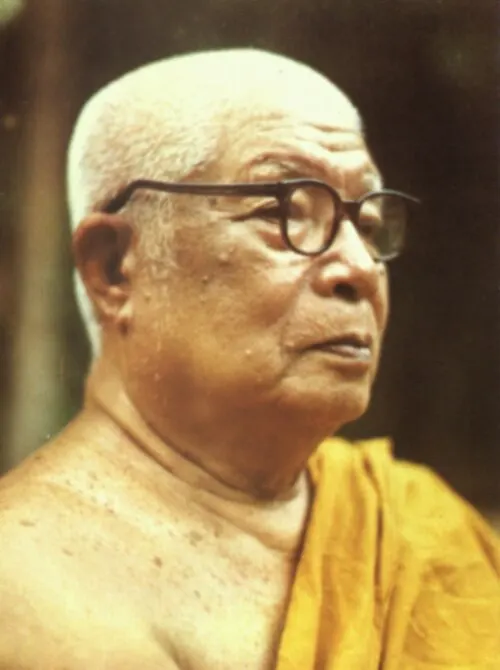
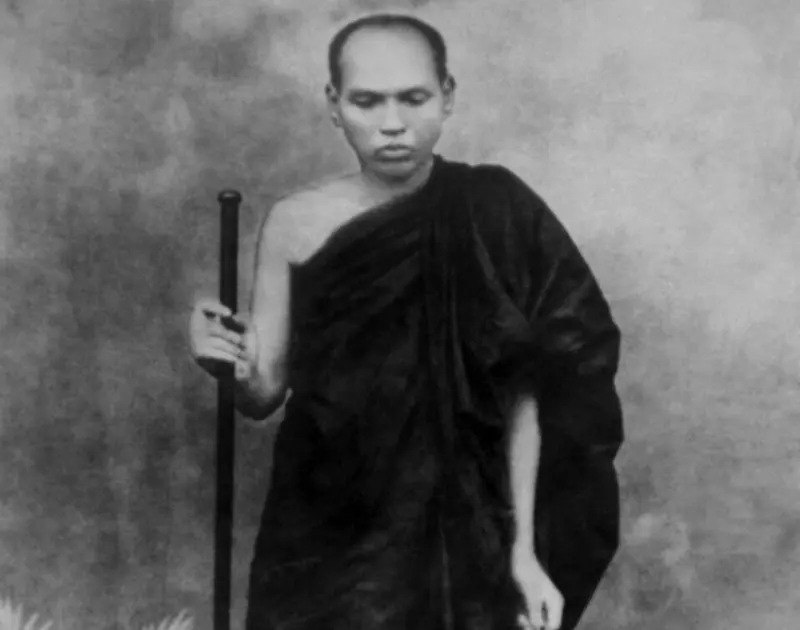
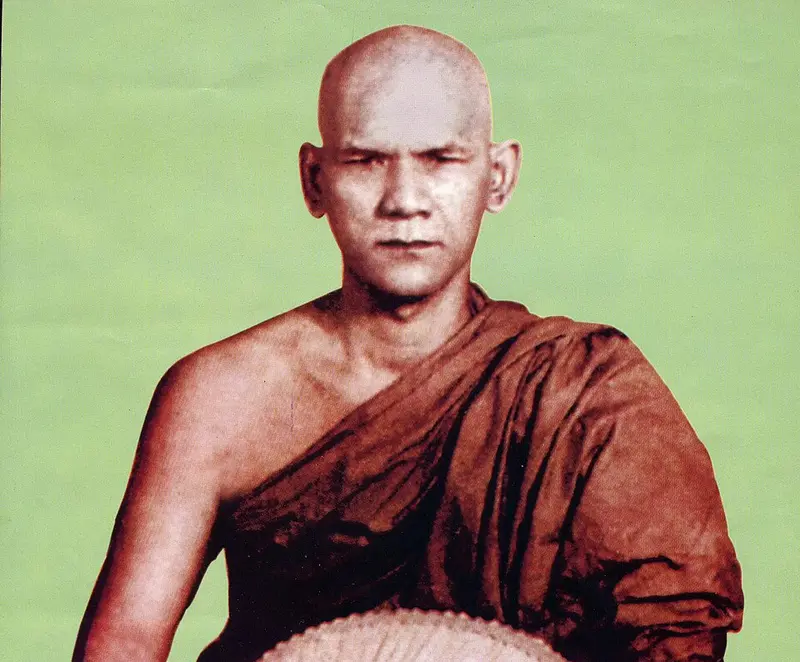
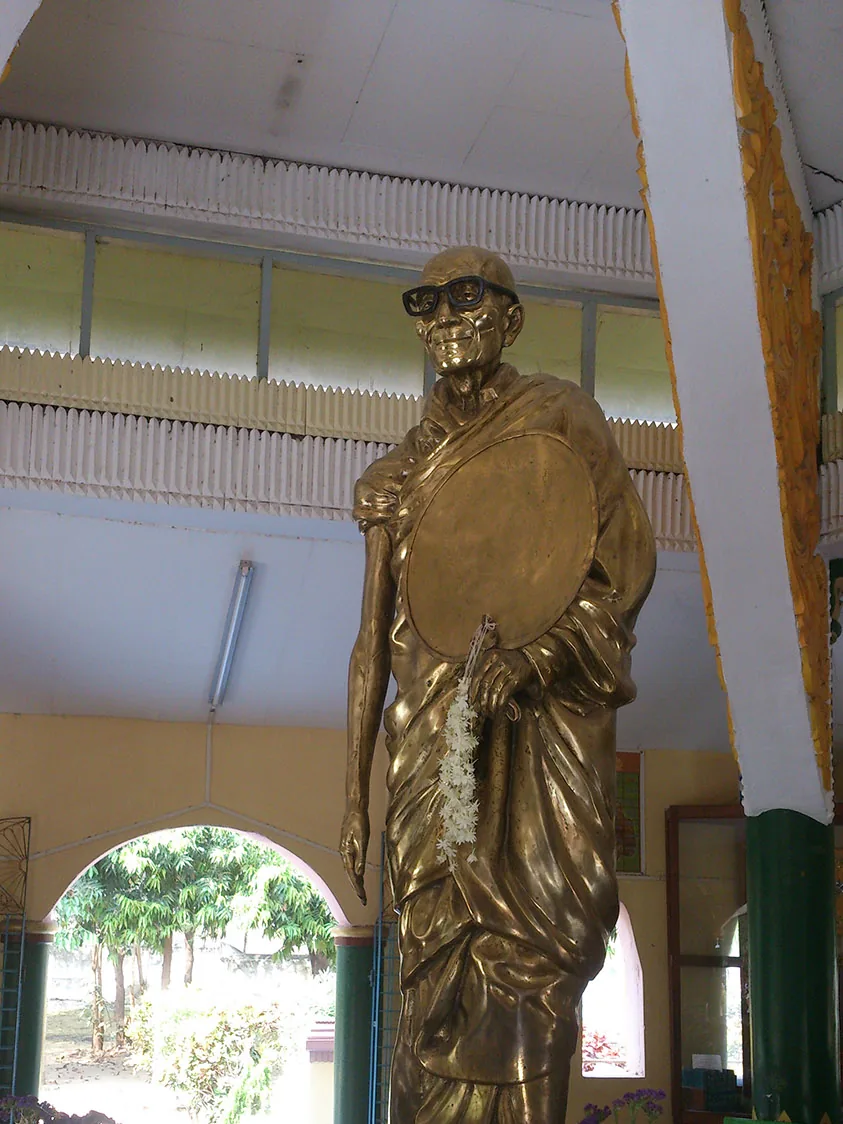
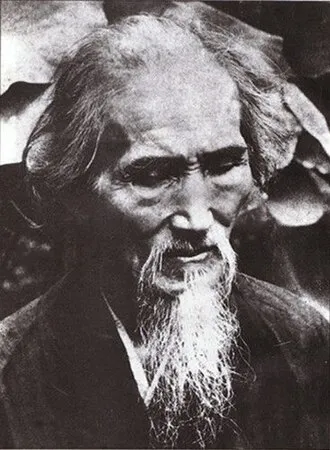
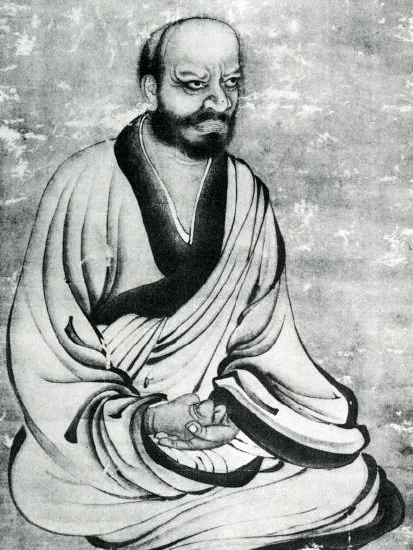
Webu Sayadaw (1896–1977) was a Burmese Theravāda monk and meditation master, known for his tireless practice and his long years of solitude. He taught ānāpāna, awareness of the breath where it touches below the nose, as the straight path to Nibbāna, and in 1941 urged the layman U Ba Khin to start teaching.

He taught one thing above all: be aware of the breath as it touches near the nostrils, sitting, walking and working. In it, he said, the whole teaching is found.
He trained at a leading monastic university, then left it to practise what he had learned, and asked his listeners to do the same.
His order to U Ba Khin, teach now, set in motion the line of lay teachers that took vipassanā around the world.
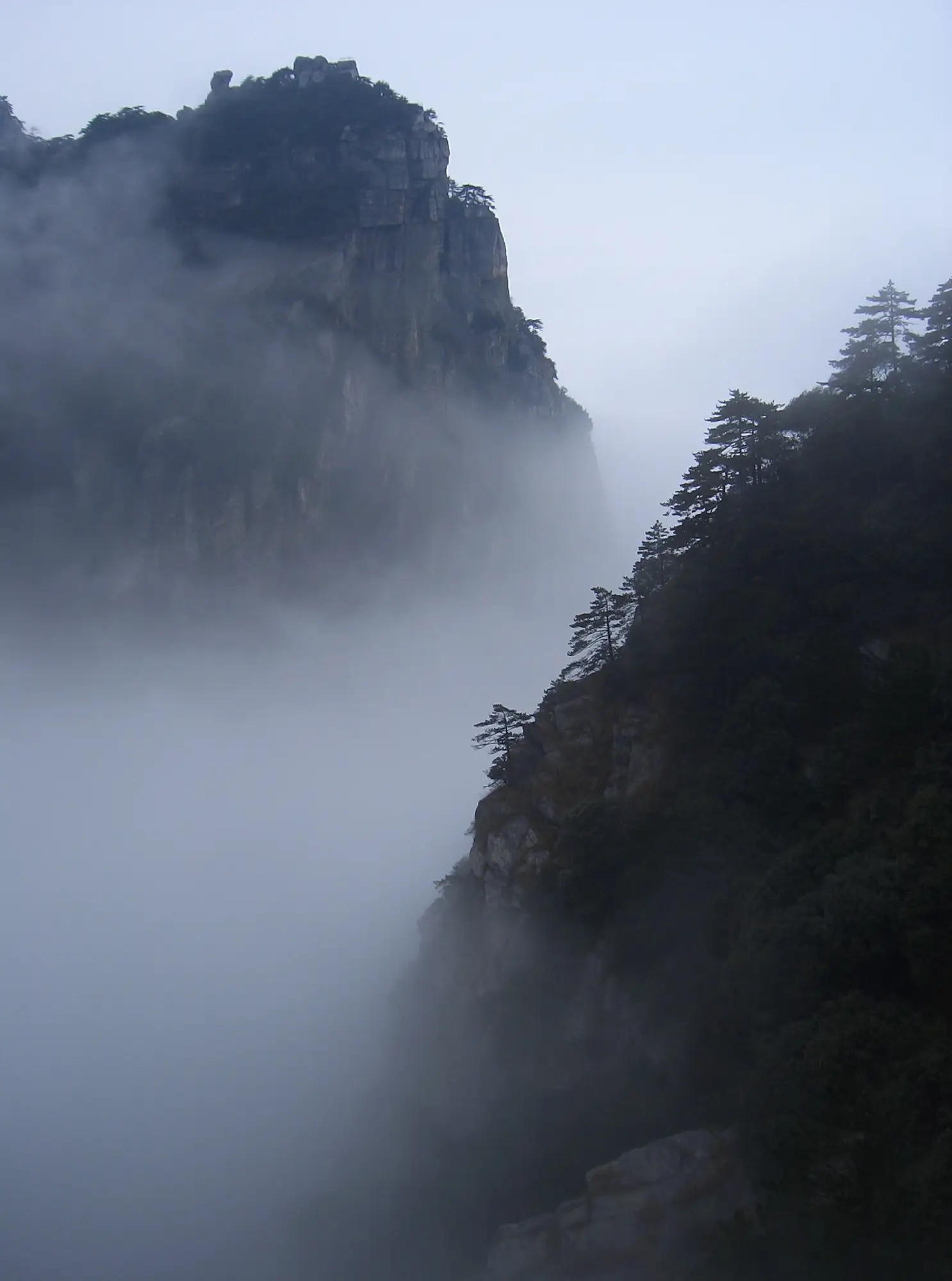
From a village in Upper Burma to the monastic university of Mandalay, four years of solitude, and home. Scroll, and walk it with him.
Born on 17 February in Ingyinpin, a village in Upper Burma.
Becomes a novice at nine with the name Shin Kumāra, and studies the Pali scriptures.
Ordained as a monk at twenty, he goes to Mandalay to study at Masoyein, the leading monastic university of the time.
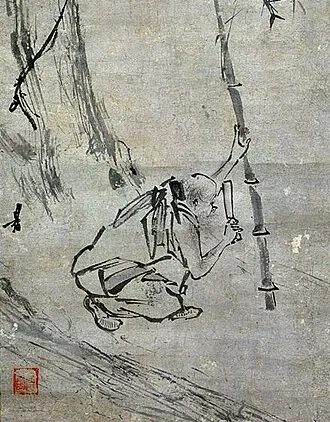
In the seventh year after his ordination he leaves the monastery and spends four years in solitude.
Visits his native village and teaches the meditation he has practised. He becomes known as the holy teacher from Webu.
A railway carriage is uncoupled by mistake at Kyaukse, and the accountant U Ba Khin walks to his monastery. He tells him to start teaching.
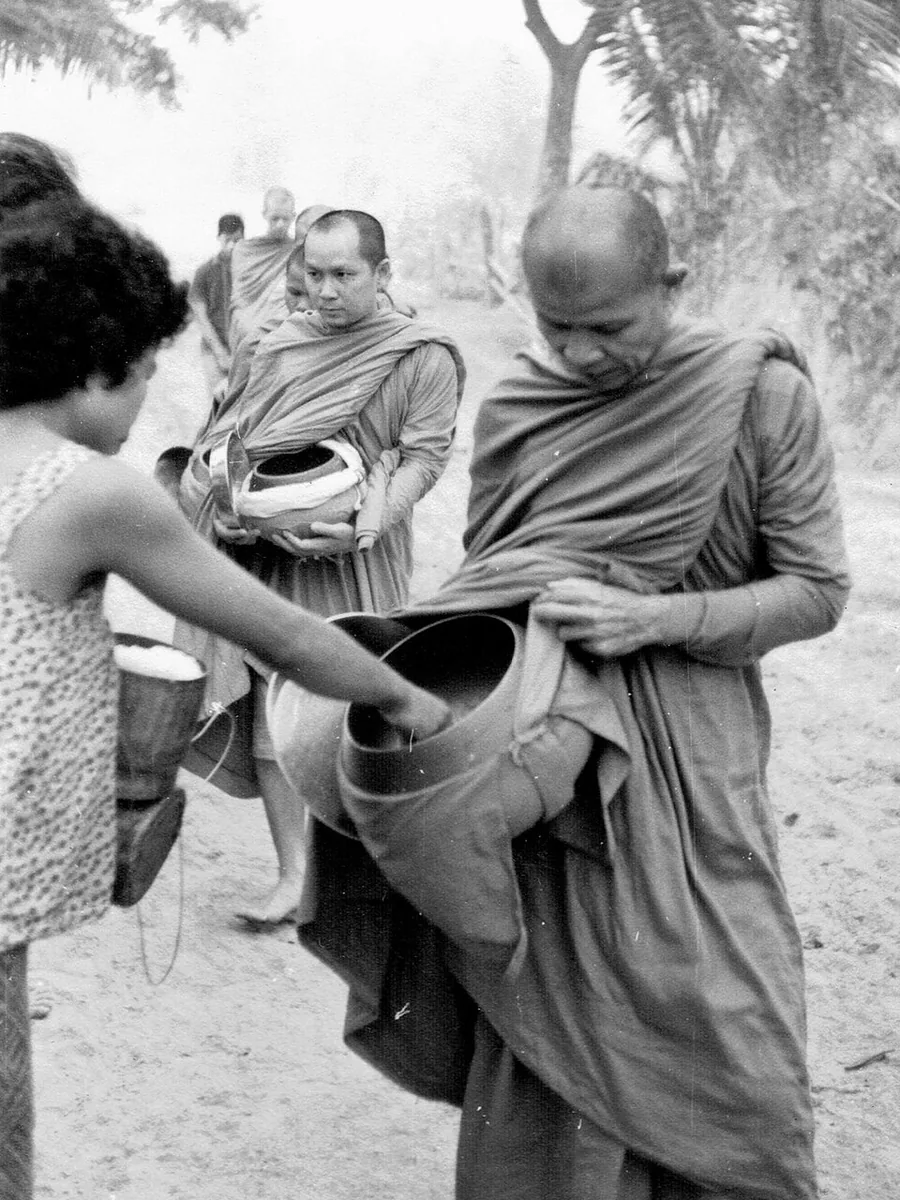
After years confined to his three meditation centres at Kyaukse, Shwebo and Ingyinpin, he travels to Rangoon at U Ba Khin’s invitation, and afterwards teaches in the south every year.
Travels to India and Sri Lanka.
Dies on 26 June at the meditation centre in the village where he was born, aged eighty one.

Breathing in, know you are breathing in. Breathing out, know you are breathing out. And know the small place below the nose where the air touches.
He asked for this attention all day long, not only on the cushion.
From The Essential Practice, Part I: Dhamma Discourses of Venerable Webu Sayadaw, tr. Roger Bischoff, BPS Wheel 375/376 (Access to Insight)
In plain awareness of breathing there is no room for a self that owns it.
For him this was not a theory to learn but something to see for yourself.
From The Essential Practice, Part I: Dhamma Discourses of Venerable Webu Sayadaw, tr. Roger Bischoff, BPS Wheel 375/376 (Access to Insight)
The teachings may look vast and varied, he said, but they are one single way out of suffering. Take one object of meditation and stay with it to the end.
It is said he kept the practice of never lying down, even to sleep, all his life.
From The Essential Practice, Part I: Dhamma Discourses of Venerable Webu Sayadaw, tr. Roger Bischoff, BPS Wheel 375/376 (Access to Insight)
After his years alone he told his village that the practice of the breath was open to everyone.
From The Essential Practice, Part I: Dhamma Discourses of Venerable Webu Sayadaw, tr. Roger Bischoff, BPS Wheel 375/376 (Access to Insight)
Breathing does not stop when you stand up, so neither does the practice.
From The Essential Practice, Part I: Dhamma Discourses of Venerable Webu Sayadaw, tr. Roger Bischoff, BPS Wheel 375/376 (Access to Insight)
This path can be tested, it agrees with the scriptures, and it leads straight to Nibbāna.
Ten times today, wherever you are, feel one breath touch below the nose. That is all.
Webu Sayadaw was born on 17 February 1896, a Monday. Here is that day, read by the same calculator as yours. The lunar year of a birth before 1900 is beyond our calculator, so it stays out.
Standing, both palms raised forward.
Moon · East
His discourses, recorded and translated, are read by meditators around the world, and the teachers of the U Ba Khin line remember him as the monk who sent their tradition out into the world.