
Ten states of mind
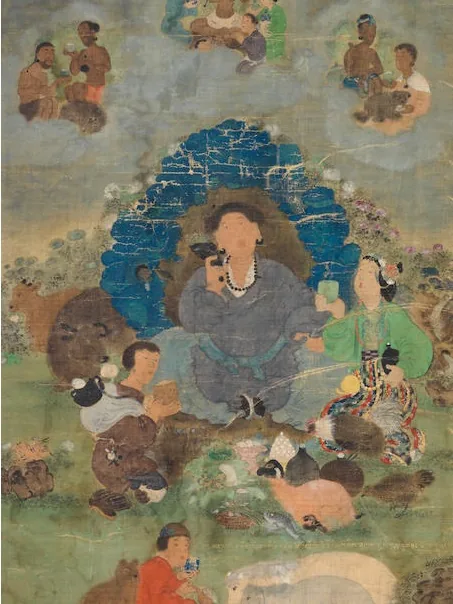
His great treatise of 830 maps the mind in ten stages, from a life driven only by appetite to the mind that knows itself as the mandala.
From John W. M. Krummel, Kūkai, Stanford Encyclopedia of Philosophy, 2019
空海 Henjō Kongō · Kōbō Daishi · 774–835
A student who walked out of the capital’s university into the mountains of Shikoku, and came back from China with a whole school of practice.
Shingon · Esoteric Buddhism
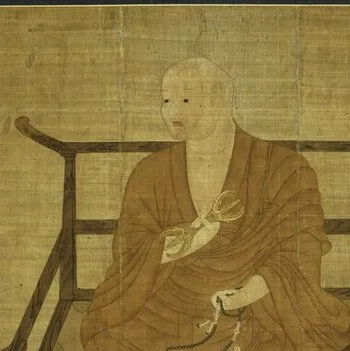
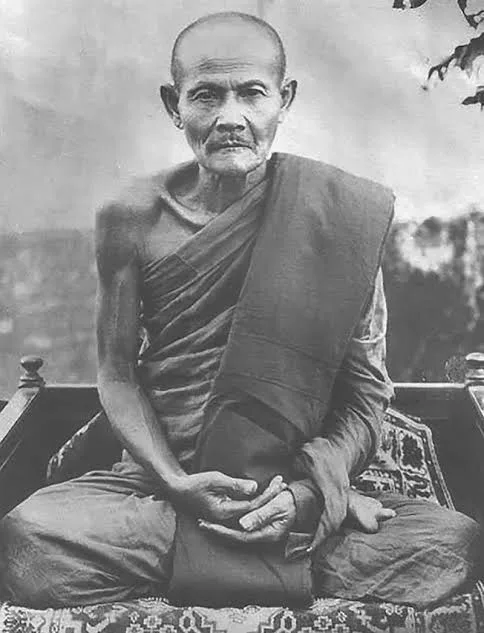
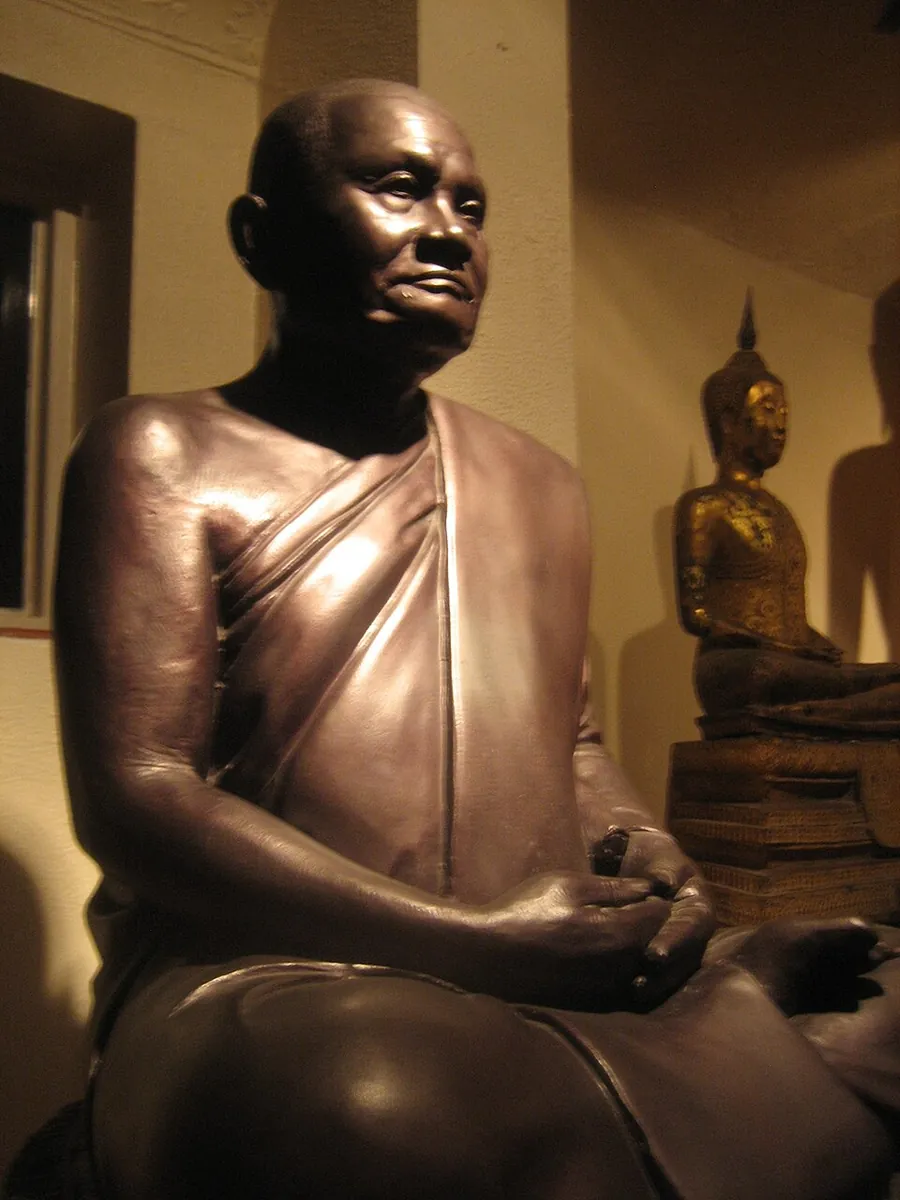
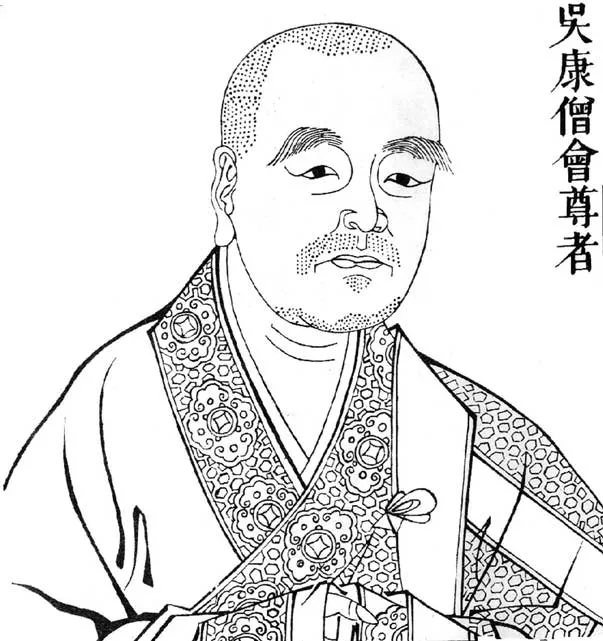
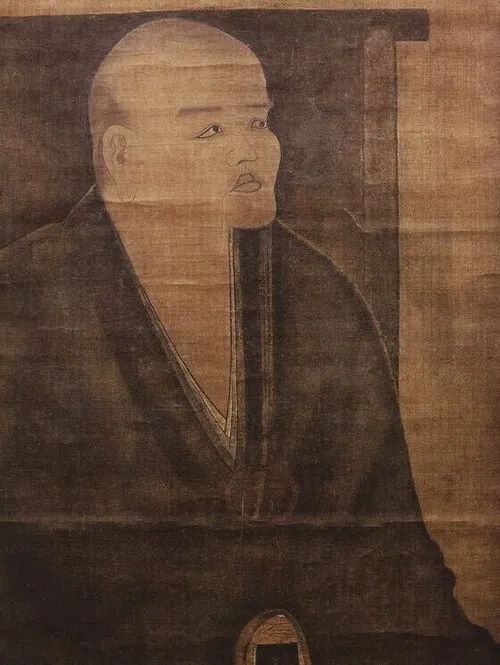
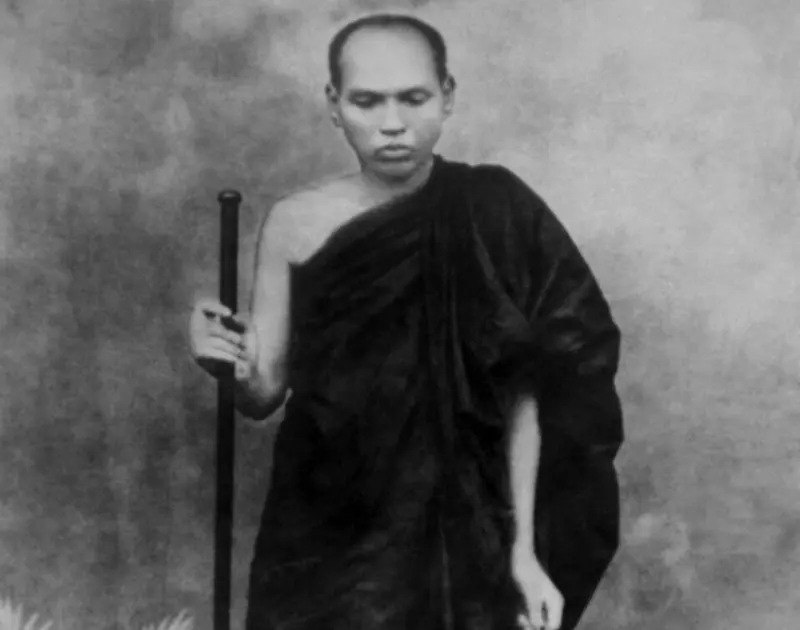
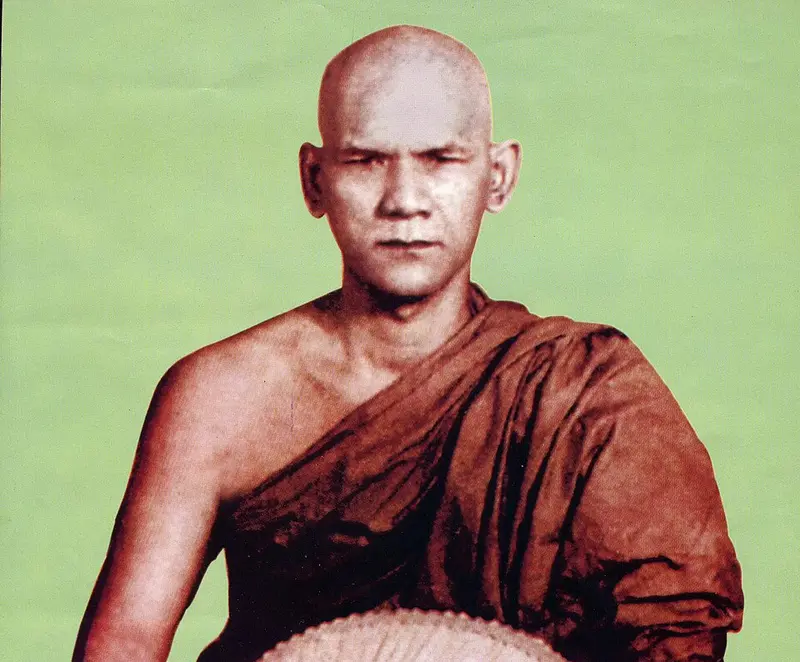
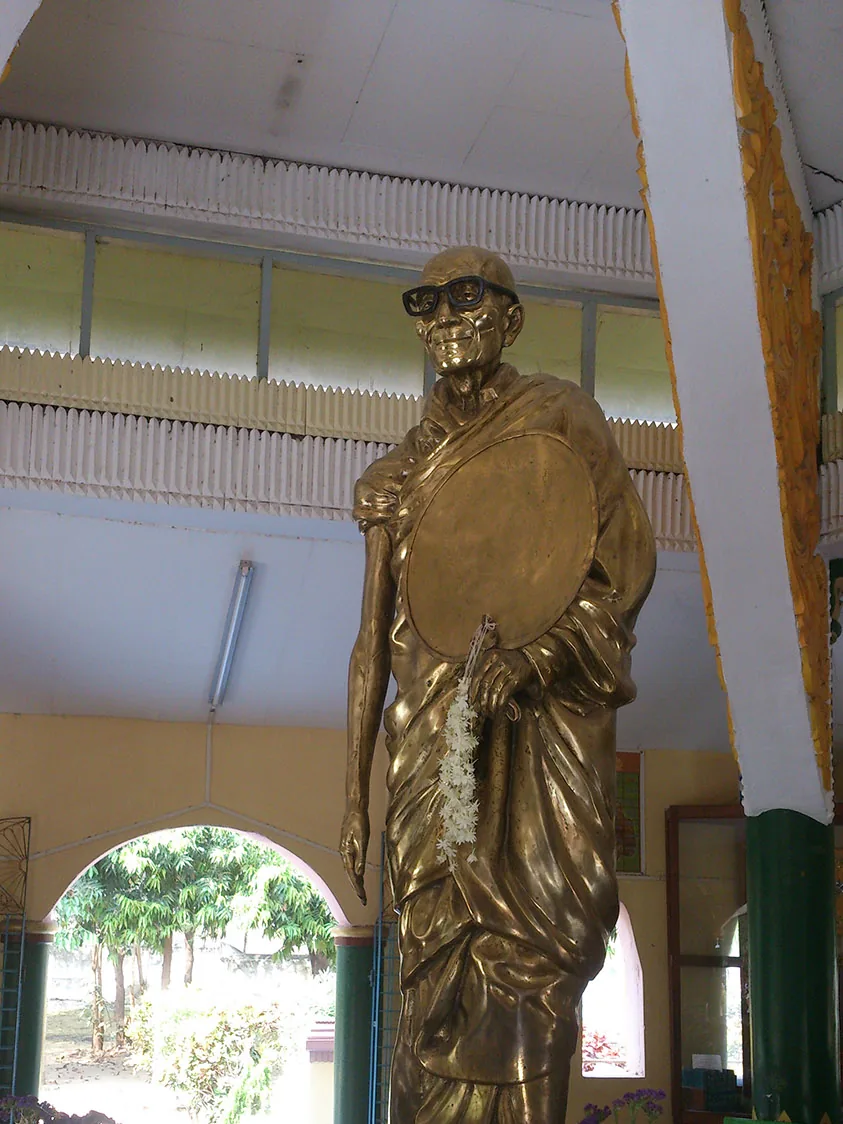
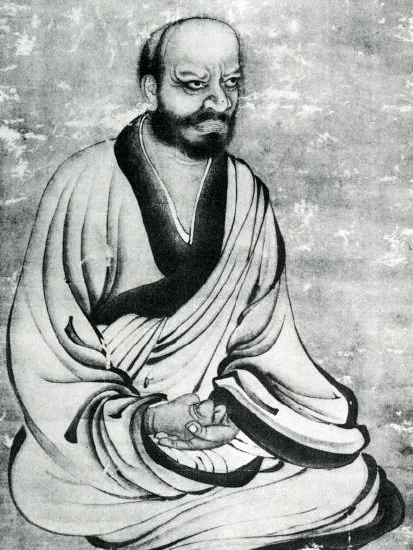
Kūkai (774–835), honoured as Kōbō Daishi, was the Japanese monk who founded Shingon, the esoteric school of Buddhism. He studied in China under the master Huiguo, returned in 806, and taught that one can become a buddha in this very body. In 816 he began the monastery on Mount Kōya.


He brought esoteric Buddhism from China and built it into Shingon, the word of truth, one of the great schools of Japan.

He taught that awakening is not lifetimes away. Through body, speech and mind it can be realised in this very life.

The monastery he began on Mount Kōya still stands, and pilgrims walk the 88 temples of Shikoku in his name.
From the Saeki family of Shikoku to the monastery in the clouds of Kōya. Scroll, and walk it with him.
Born in Sanuki province on Shikoku, into the Saeki family. As a boy he is taught by his uncle, a Confucian scholar.
Enters the state university at seventeen or eighteen, grows disappointed with its learning and leaves for the mountains, where a monk teaches him a practice of reciting a mantra a million times.
At twenty four he finishes his first book, the Sangō shiiki, comparing Confucianism, Taoism and Buddhism.
Ordained, he sails with an official embassy to Tang China. On the same embassy is Saichō, founder of Tendai.
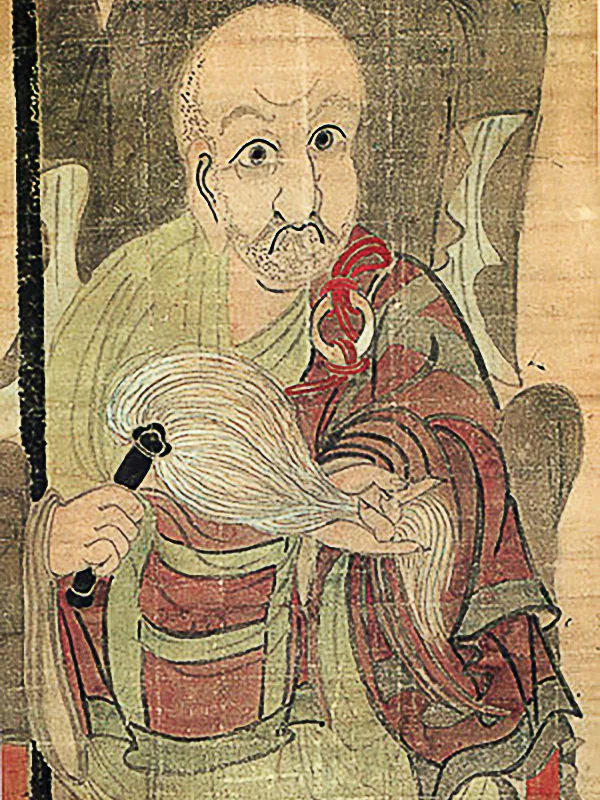
Studies Sanskrit and receives both lines of esoteric teaching from the master Huiguo, who dies at the end of 805.
Returns to Japan with scriptures, mandalas and ritual objects, and waits in Kyushu until 809, when he is called to Takaosan-ji near Kyoto.
Receives Mount Kōya from Emperor Saga for a monastery of meditation.
Writes his treatises on becoming a buddha in this body and on sound, word and reality. In 828 he opens a school in Kyoto open to all, whatever their rank.
Dies on Mount Kōya. In 921 the emperor gives him the title Kōbō Daishi, great teacher who spread the Dharma.


Other schools said awakening takes countless lifetimes. Kūkai said it can be realised in this very body, sokushin jōbutsu.
For him the body was not an obstacle to awakening. It was where awakening happens.
From John W. M. Krummel, Kūkai, Stanford Encyclopedia of Philosophy, 2019
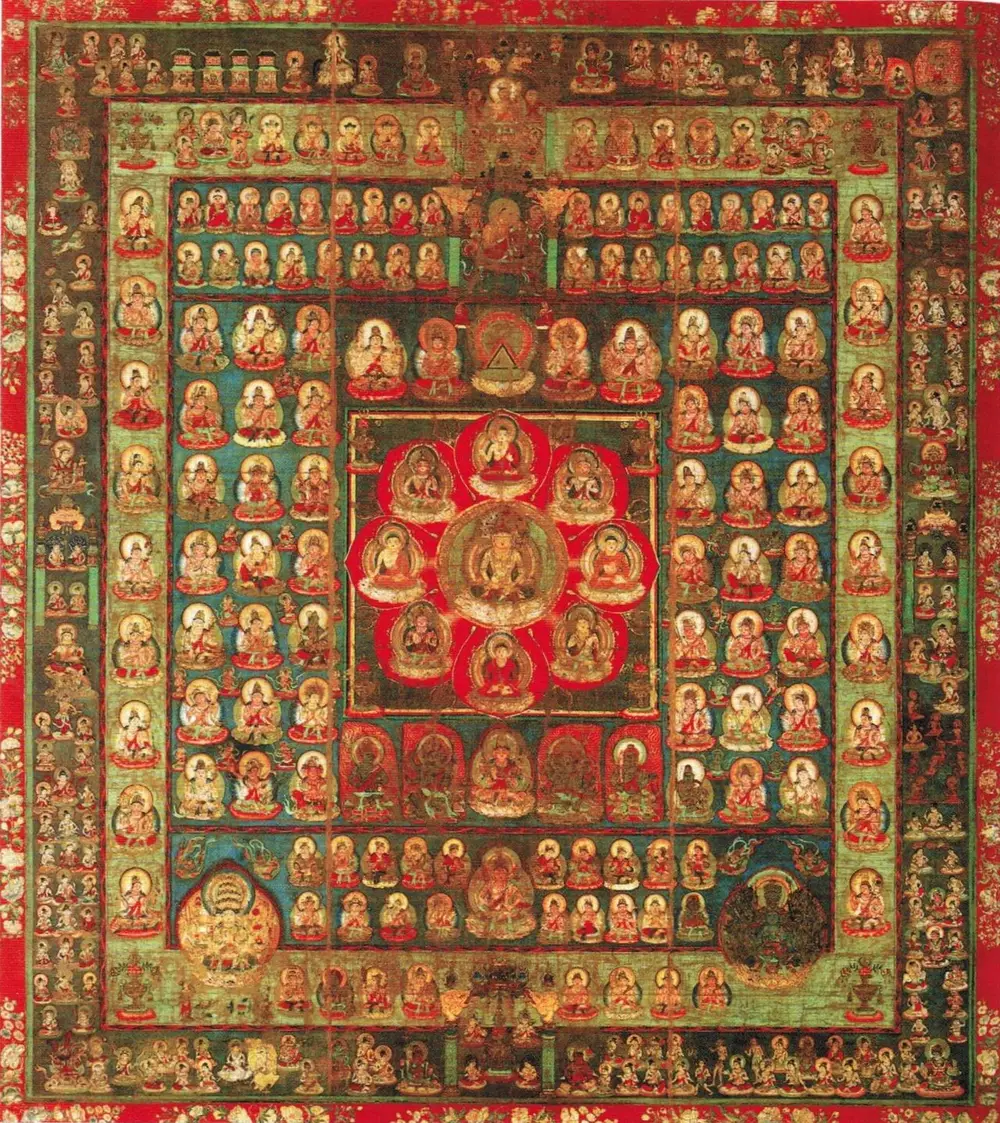

Practice works through three doors at once: the hands in mudrā, the voice in mantra, the mind in meditation on the mandala.
In every stone, plant and person, he taught, the same three are already at work.
From John W. M. Krummel, Kūkai, Stanford Encyclopedia of Philosophy, 2019
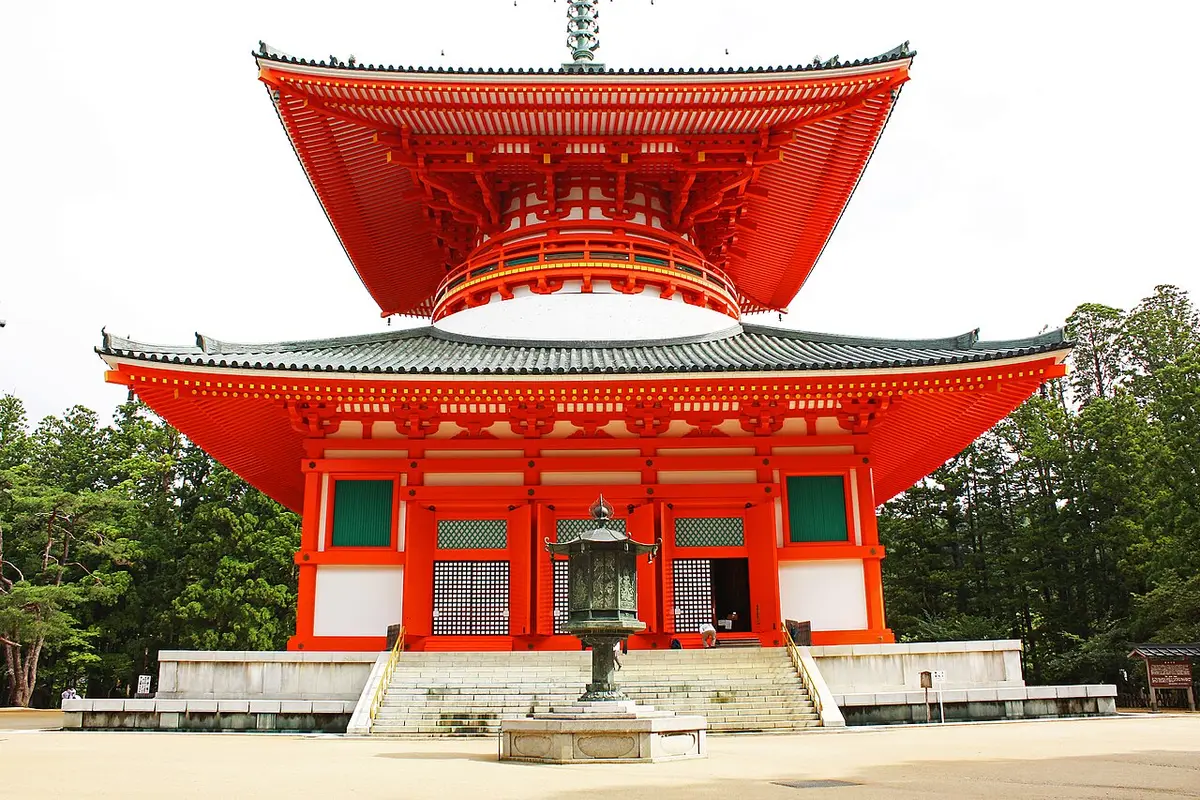

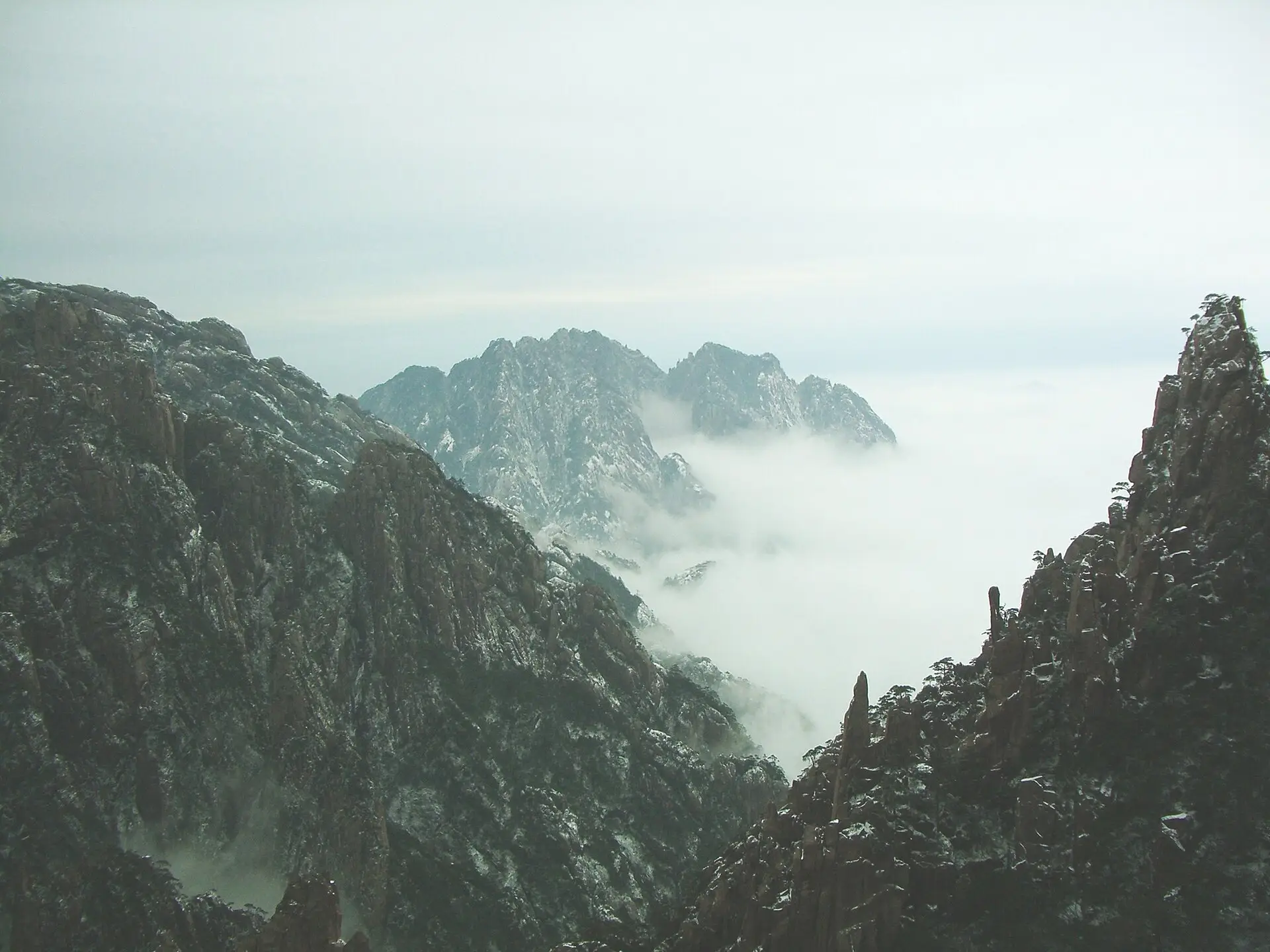
In 816 he asked the emperor for a mountain far from the capital, for meditation. On Kōya he laid out a monastery among the cedars.
In 832 he held the first festival of ten thousand lights there, with a vow without end.
From John W. M. Krummel, Kūkai, Stanford Encyclopedia of Philosophy, 2019, and 空海 (Japanese Wikipedia)
His great treatise of 830 maps the mind in ten stages, from a life driven only by appetite to the mind that knows itself as the mandala.
From John W. M. Krummel, Kūkai, Stanford Encyclopedia of Philosophy, 2019
In 828 he opened a school in Kyoto where anyone could study, whatever their birth, at a time when schools were for the sons of nobles.
Wikipedia: Kūkai (cross-check)
虚空盡き、衆生盡き、涅槃盡きなば、我が願いも盡きなん

Before you train, join your hands for three breaths. Body, breath and attention, all in the same place.
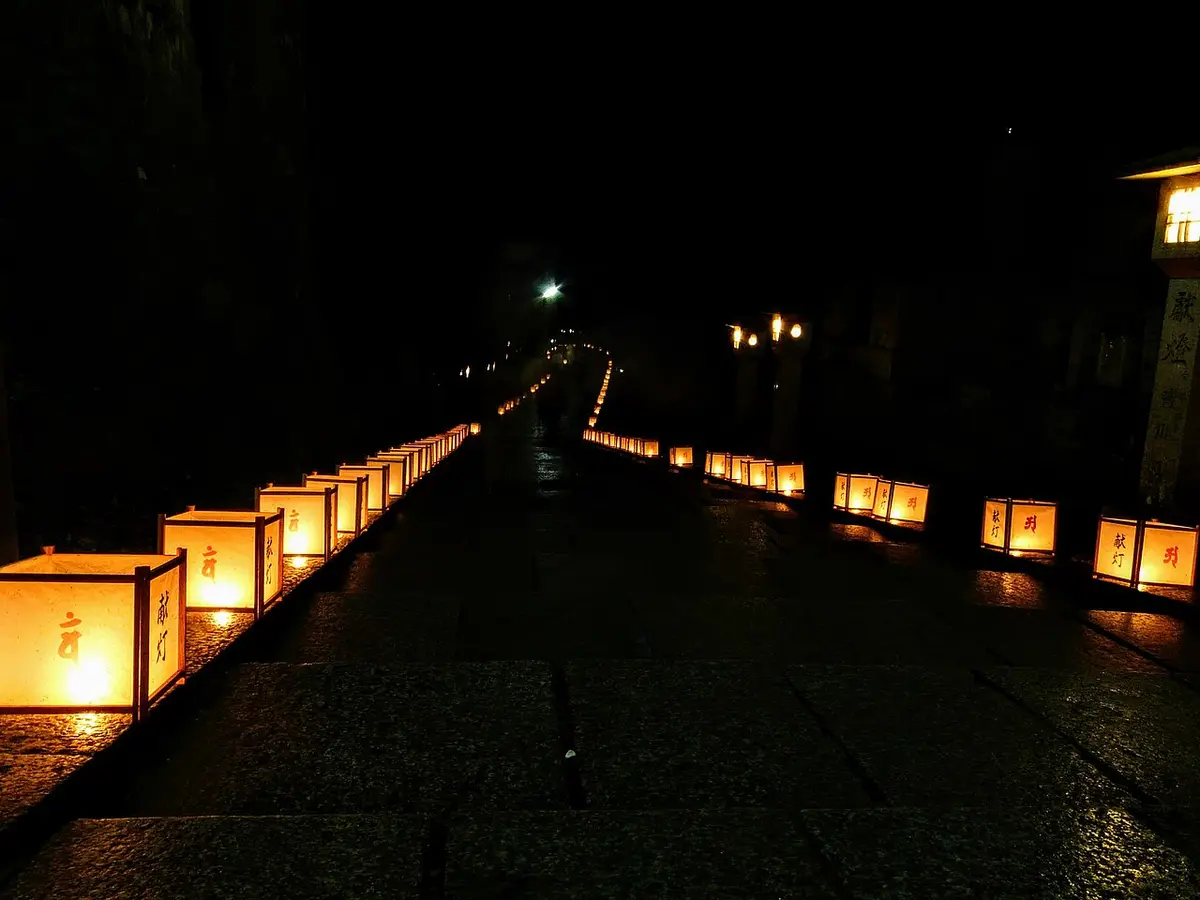
Shingon followers hold that he did not die but entered lasting meditation. At Okunoin on Kōya, monks still bring food to his mausoleum every day, and lanterns light the path.