

Wear no airs
Even the learned, he said, should practise like someone who has never read a book.
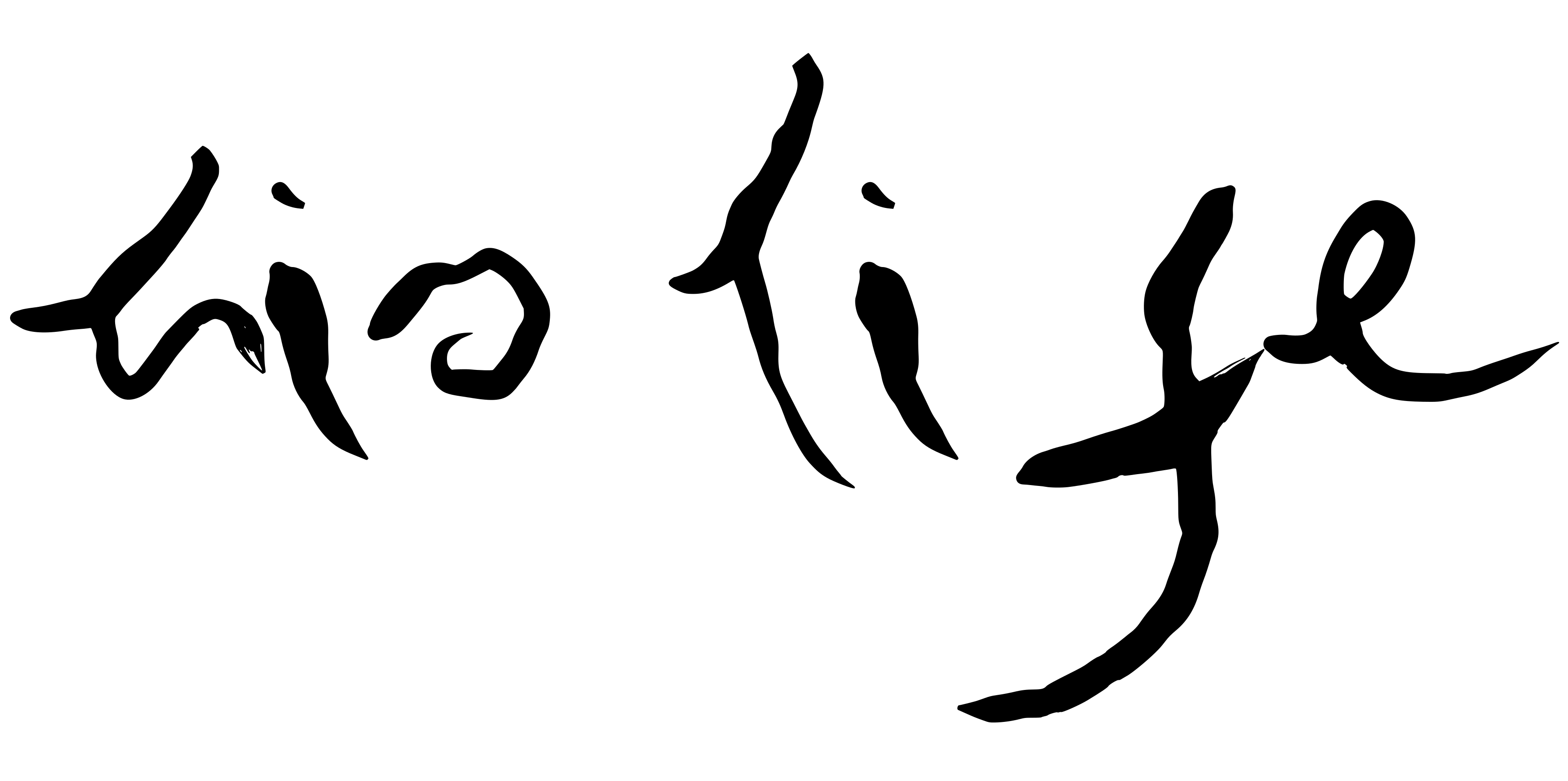
From The One Sheet Document (Ichimai-kishōmon), official Jodo Shu translation (jodo.org, archived 2016)
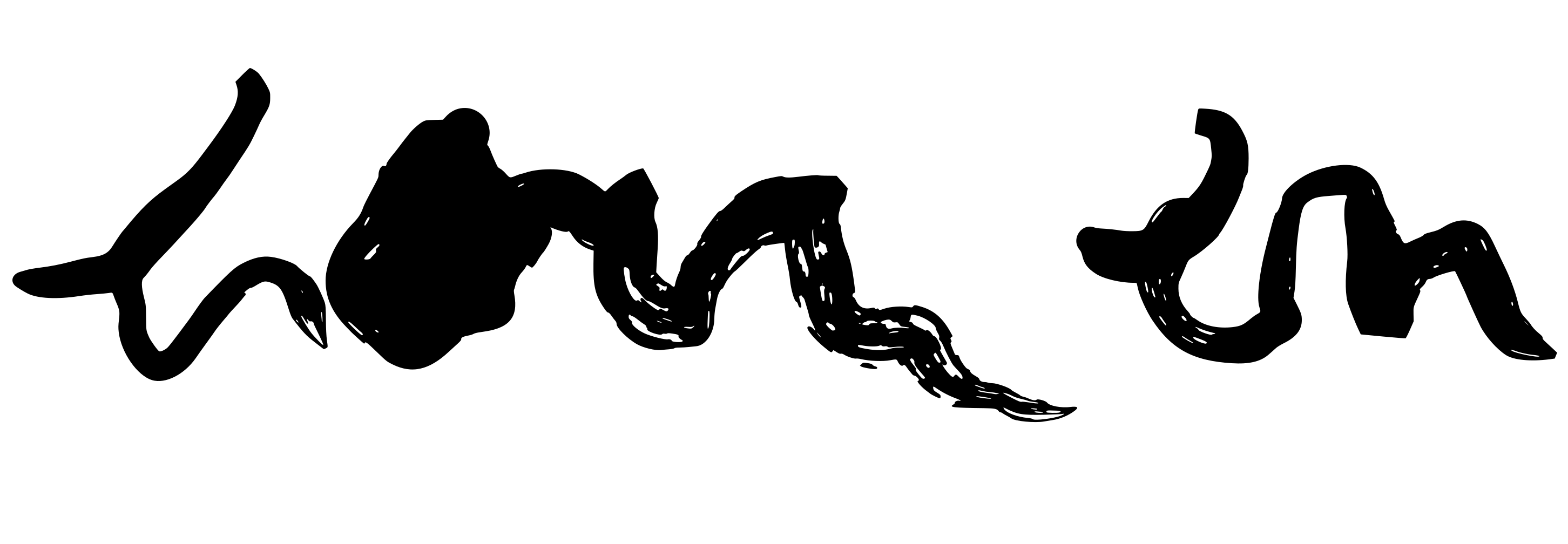
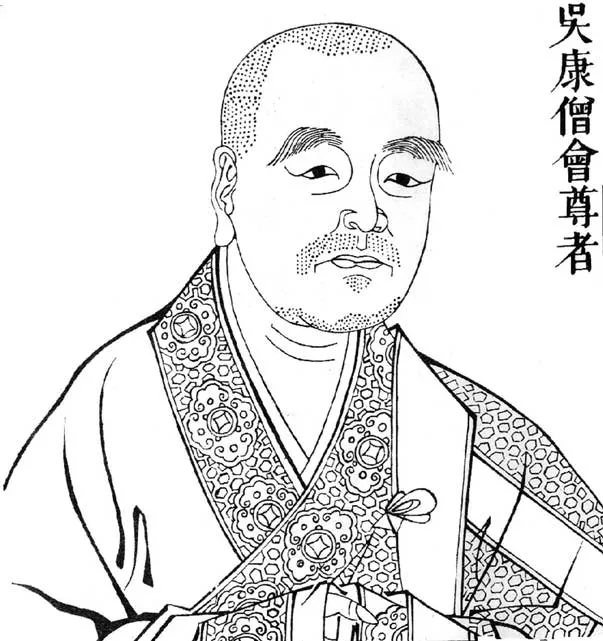
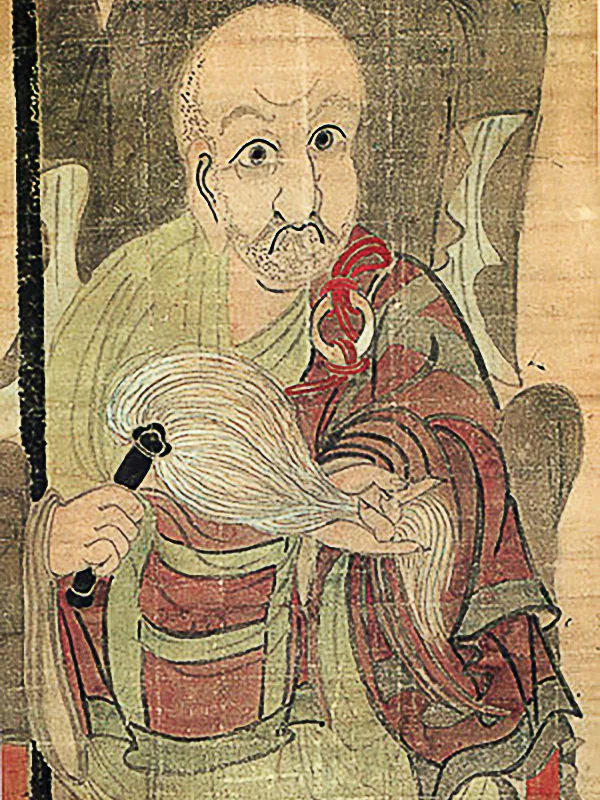
法然 Hōnen-bō Genkū · Genkū · 1133–1212
The boy whose dying father told him not to hate, who searched every scripture for a way open to even him, and found it in a single phrase.
Pure Land · Jodo Shu
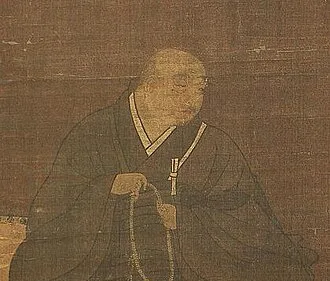
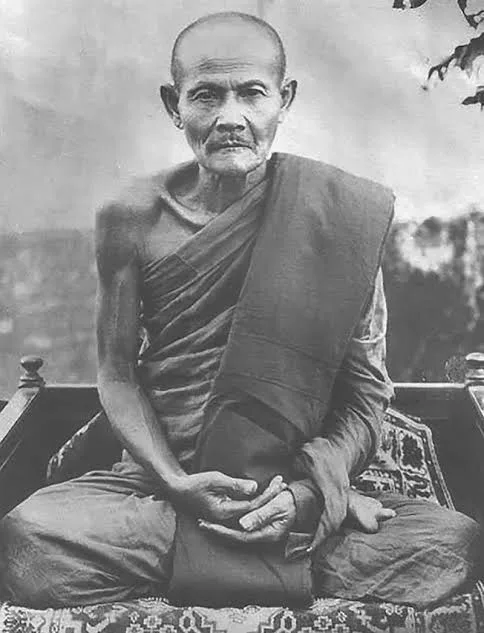
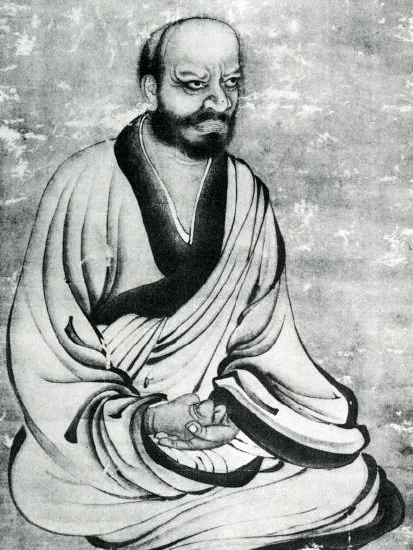
Hōnen (1133–1212) was the Japanese monk who founded Jōdo Shū, the Pure Land school. After some thirty years on Mount Hiei, he taught from 1175 that reciting the name of Amida Buddha, Namu Amida Butsu, is enough for anyone to be born in the Pure Land, whatever their learning, rank or way of life.


He taught that saying the name of Amida Buddha is enough. No learning, wealth or strict discipline is needed, so the path is open to everyone.

Jōdo Shū, which he founded in 1175, made Pure Land Buddhism an independent school in Japan, with its own head temple, Chion-in.

Among his students was Shinran, who went on to found Jōdo Shinshū, the other great Pure Land school of Japan.
From a provincial house in Mimasaka to Mount Hiei, Kyoto and exile, and back. Scroll, and walk it with him.
Born in Kume, in Mimasaka province, son of the local official Uruma no Tokikuni, and named Seishimaru.
At nine he sees his father fatally wounded in an attack. The dying man asks him not to hate the enemy, but to become a monk and pray.
At thirteen he goes to Mount Hiei, the great Tendai monastery, and is ordained there. He later receives the name Hōnen-bō Genkū.
Reads the whole Buddhist canon three times, searching for a way that someone like him could follow.
At forty three, reading the Chinese master Shandao, he finds it: the nembutsu. He leaves the mountain for Yoshimizu in Kyoto, where Chion-in stands today, and founds Jōdo Shū.
At the request of his patron Kujō Kanezane he writes the Senchakushū, his main work.
After attacks from rival schools and an incident at court, he is exiled to Shikoku. On the way he teaches fishermen, warriors, villagers and prostitutes.
Pardoned, he is finally allowed back into Kyoto in the eleventh month.
Two days before he dies, he dictates the One Sheet Document to his disciple Genchi.

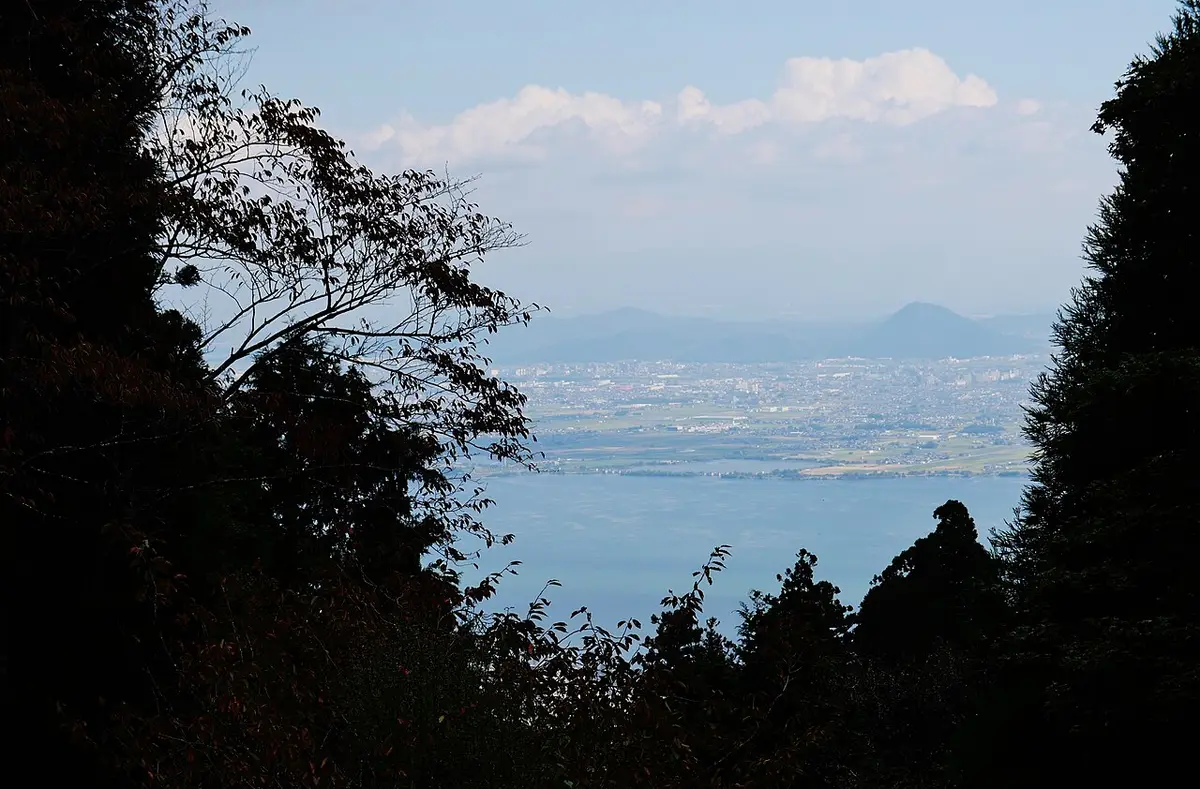
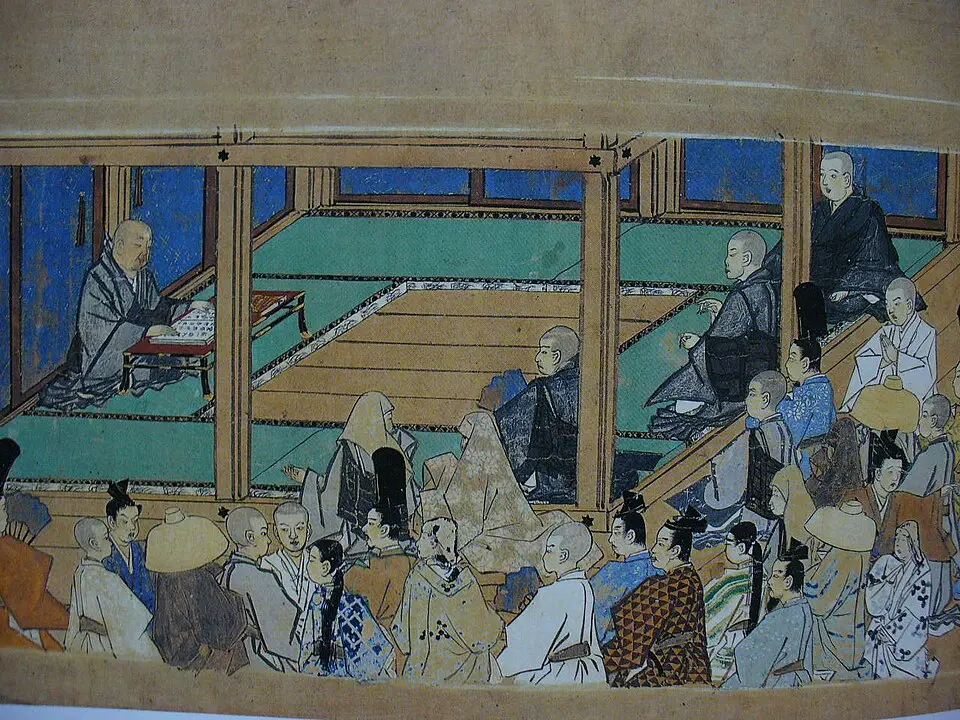
On Mount Hiei he was known for his learning, and yet he felt he could not keep the precepts, master concentration or reach wisdom.
His question was not how to become a great monk. It was whether there was a way for an ordinary person.
From Life of Honen, official Jodo Shu English homepage (jodo.org, archived 2013)

The nembutsu is saying Namu Amida Butsu, I take refuge in Amida Buddha, with trust in Amida’s vow to receive all who call.
Others taught it as deep meditation. He taught it as simple recitation, and nothing more was needed.
From The One Sheet Document (Ichimai-kishōmon), official Jodo Shu translation (jodo.org, archived 2016)
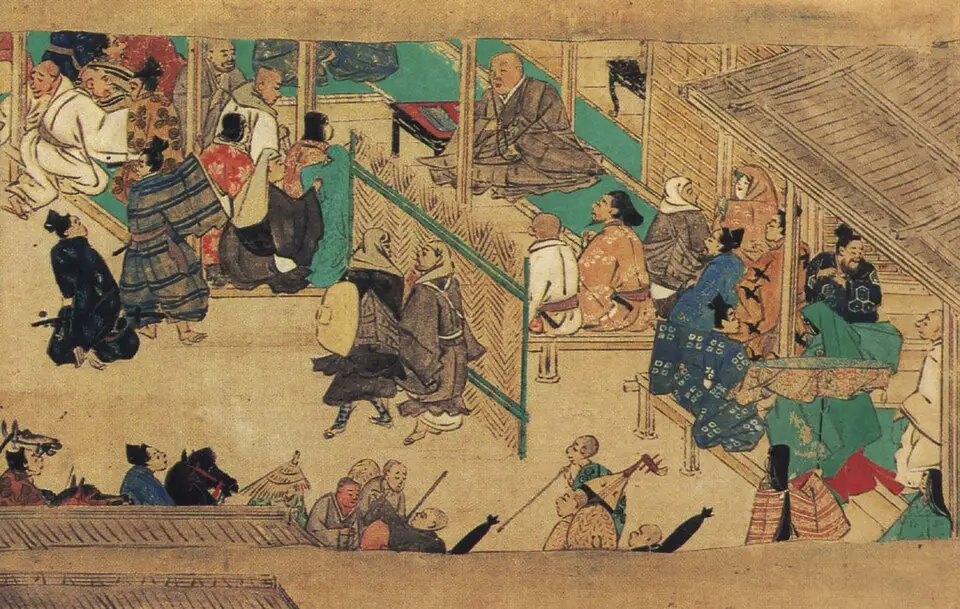
Emperors took the precepts from him, and so did fishermen and prostitutes on the road to exile.
In a time of war and famine, he offered a practice that did not depend on who you were.
From Life of Honen, official Jodo Shu English homepage (jodo.org, archived 2013)
Even the learned, he said, should practise like someone who has never read a book.
From The One Sheet Document (Ichimai-kishōmon), official Jodo Shu translation (jodo.org, archived 2016)
His life began with a refusal to take revenge. His father’s last request turned an official’s son into a monk.
From Life of Honen, official Jodo Shu English homepage (jodo.org, archived 2013)
Beyond the nembutsu, he said at the end, he had no teaching at all.

This week, before you train, say one phrase you trust, slowly, three times. Let it be enough.
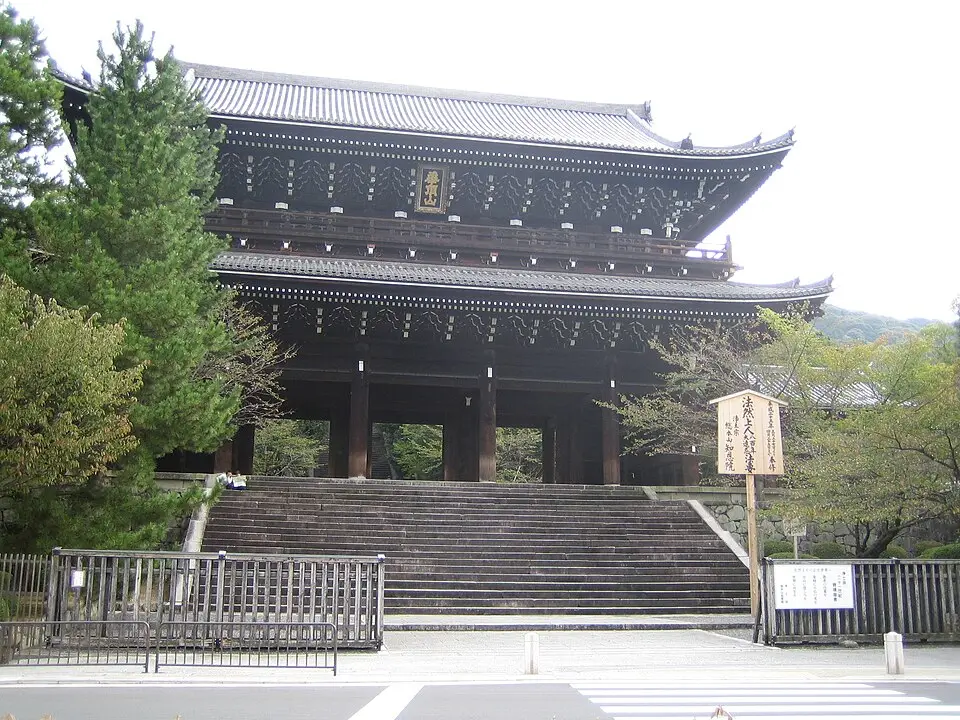
Chion-in in Kyoto, on the site where he taught, is the head temple of Jōdo Shū, and his One Sheet Document is recited in the daily services of its priests.