








Vietnam · The path behind it

Trần Nhân Tông

陳仁宗 Hương Vân Đại Đầu Đà · Trần Khâm · 1258–1308

A king who won two wars, gave away his throne, and climbed Yên Tử to look for the Buddha in the house.

Thien · Truc Lam Yen Tu

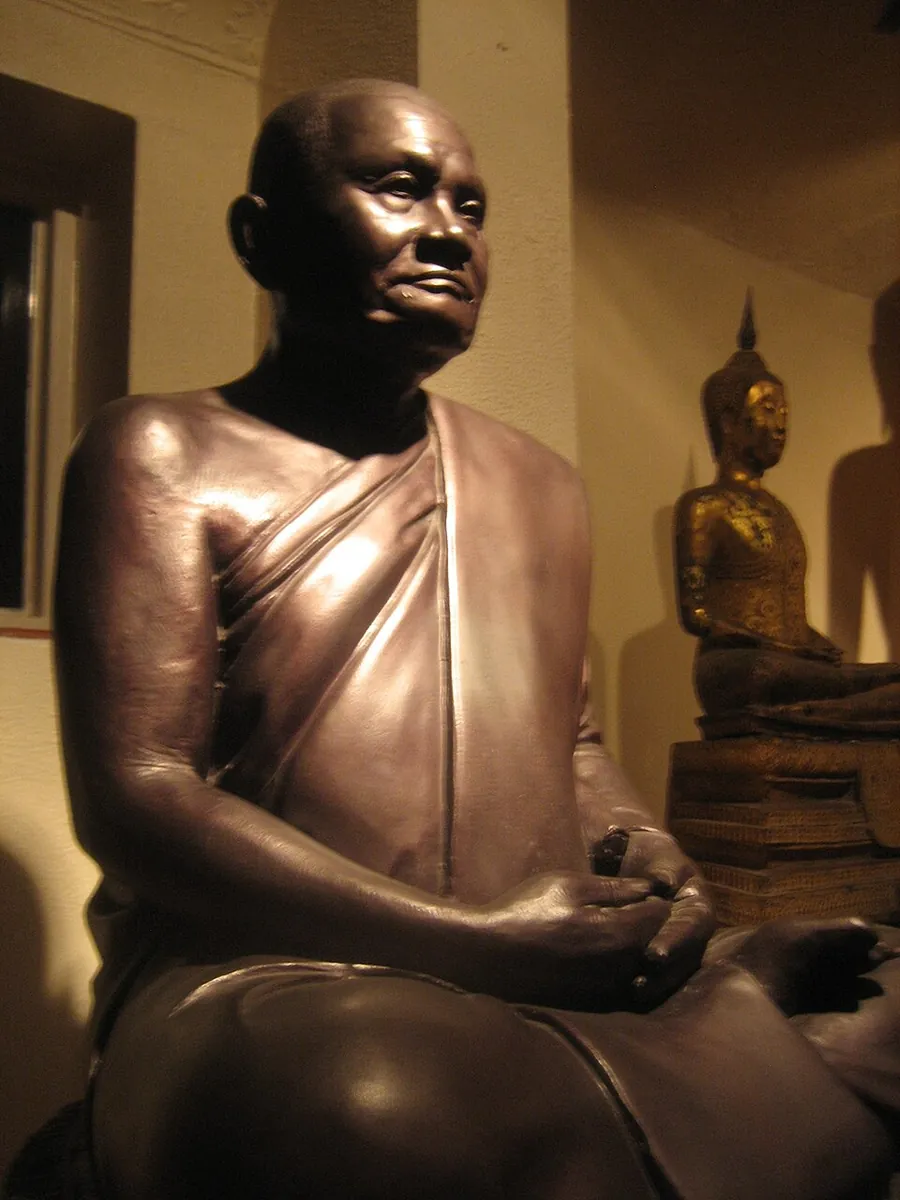
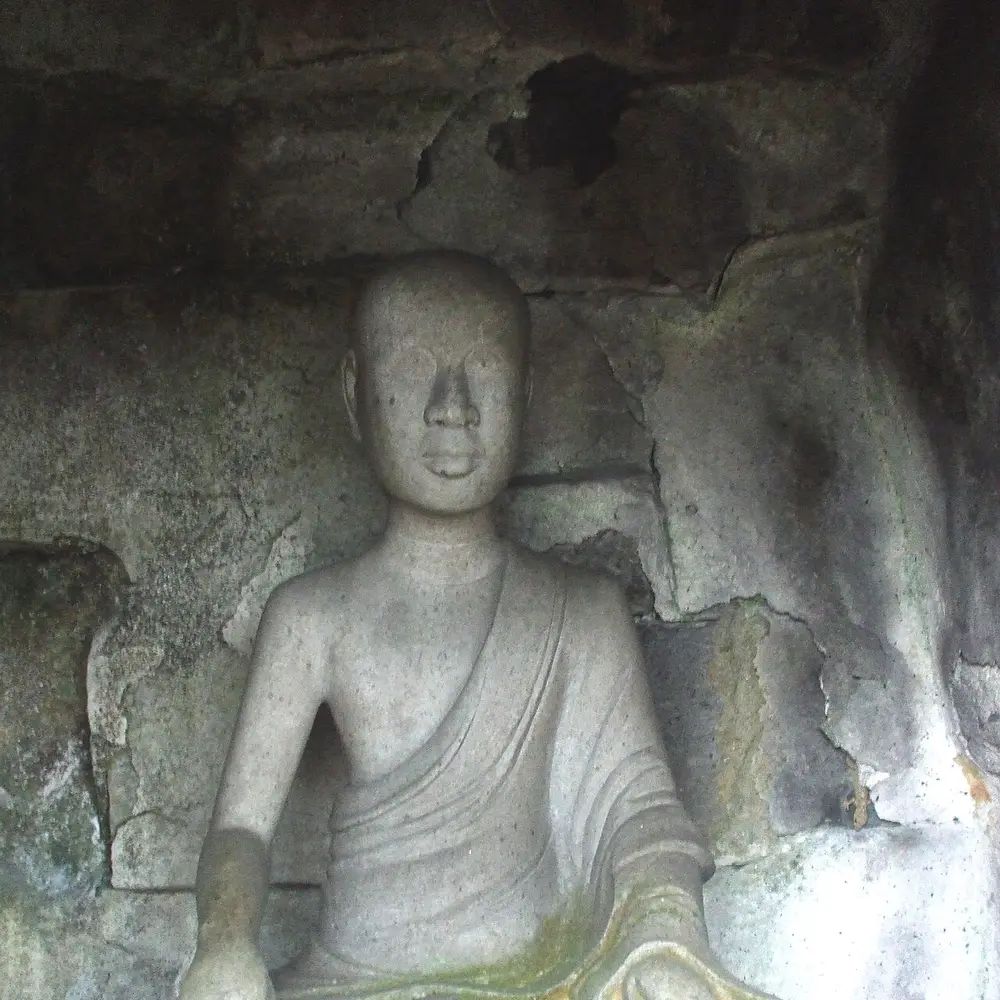
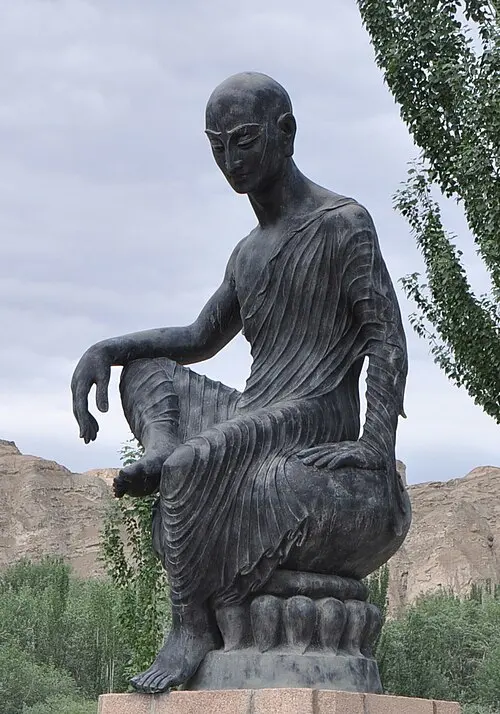
A stone statue of Trần Nhân Tông seated as a monk at Yên Tử

Trần Nhân Tông (1258–1308) was the third emperor of the Trần dynasty of Đại Việt, who led the country through the Mongol invasions of 1285 and 1288. After handing the throne to his son, he became a monk on Yên Tử mountain in 1299 and founded Trúc Lâm, the school that united Vietnamese Zen.

Why he matters

A Vietnamese school

Trúc Lâm, the Bamboo Grove school he founded, brought the separate lines of Zen in Đại Việt together into one community.

The king who left

He led his country through two invasions, ruled in peace, then gave the throne to his son and went to the mountain as a monk.

Zen in the mother tongue

He wrote in Nôm, the script of spoken Vietnamese, so that ordinary people could read the way, and his poem on living in the world and loving the way is still read.

His life

From the palace in Thăng Long to a hermitage in the clouds of Yên Tử. Scroll, and walk it with him.

  1. 1258

    Born Trần Khâm, first son of Emperor Trần Thánh Tông. As a prince he studies Buddhism with his maternal uncle, the lay master Tuệ Trung.

  2. 1278

    Becomes emperor of Đại Việt, while his father rules beside him as retired emperor.

  3. 1285 and 1288

    With his father and the general Trần Hưng Đạo he leads the defence against the Mongol armies of the Yuan, and wins both wars.

  4. 1293

    Hands the throne to his son, Trần Anh Tông, and lives as the retired emperor.

  5. 1299

    Leaves his family for good and settles on Yên Tử mountain as a monk, with the name Hương Vân Đại Đầu Đà. He is also called Trúc Lâm, the Bamboo Grove.

  6. 1301

    Travels south to Champa and stays at the Cham king’s court, where he promises his daughter, Princess Huyền Trân, in marriage to the king.

  7. 1304

    Walks through the countryside teaching the ten good deeds, and meets the young monk Pháp Loa.

  8. 1308

    On the first day of the year names Pháp Loa his successor in a ceremony with the court. He dies in the eleventh lunar month at the Ngọa Vân hermitage on Yên Tử.

What he taught

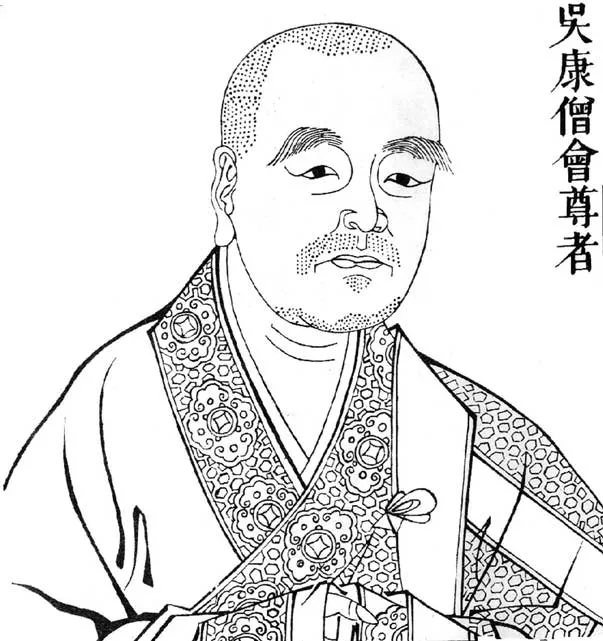
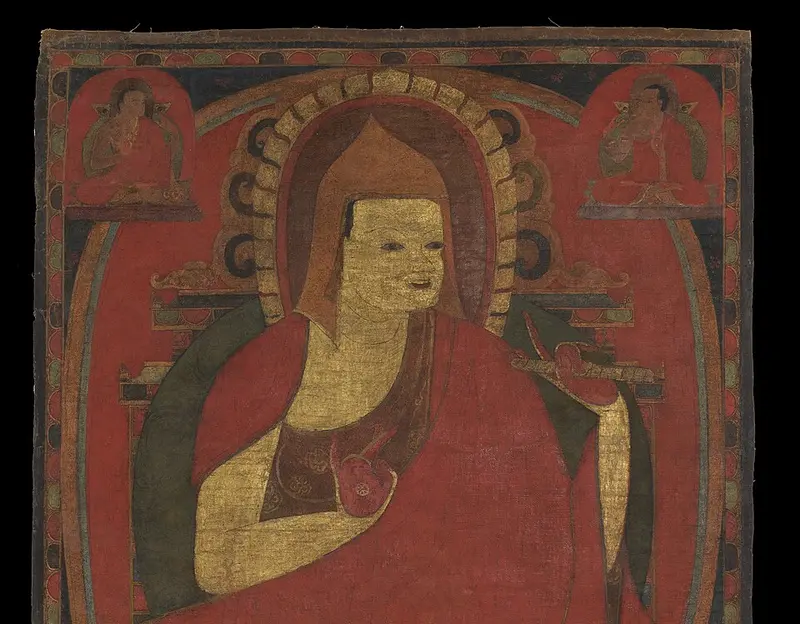
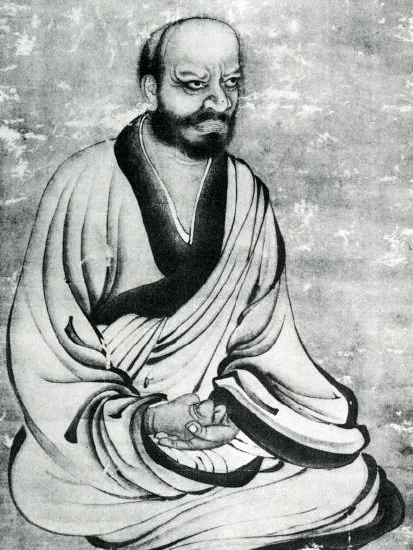
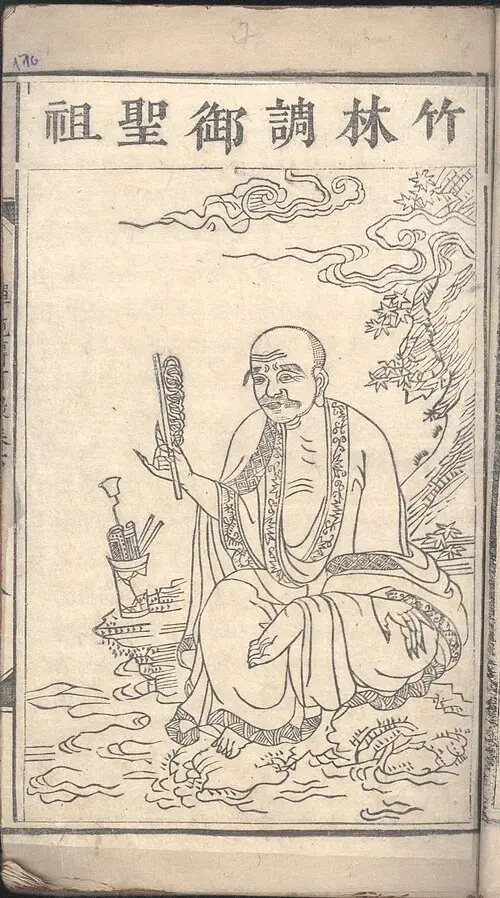
Trần Nhân Tông as the founder of Trúc Lâm, in a page of an old woodblock printed book
Teaching 01 · Breath

Buddha in the house

He taught that there is nowhere to travel to find the Buddha. What you are looking for is the nature you already have, and forgot.

He said it in Nôm verse, in the language of the people, so it could be sung and remembered.

From Cư trần lạc đạo phú, tr. in The History of Buddhism in Vietnam, ed. Nguyen Tai Thu, CRVP, 2008

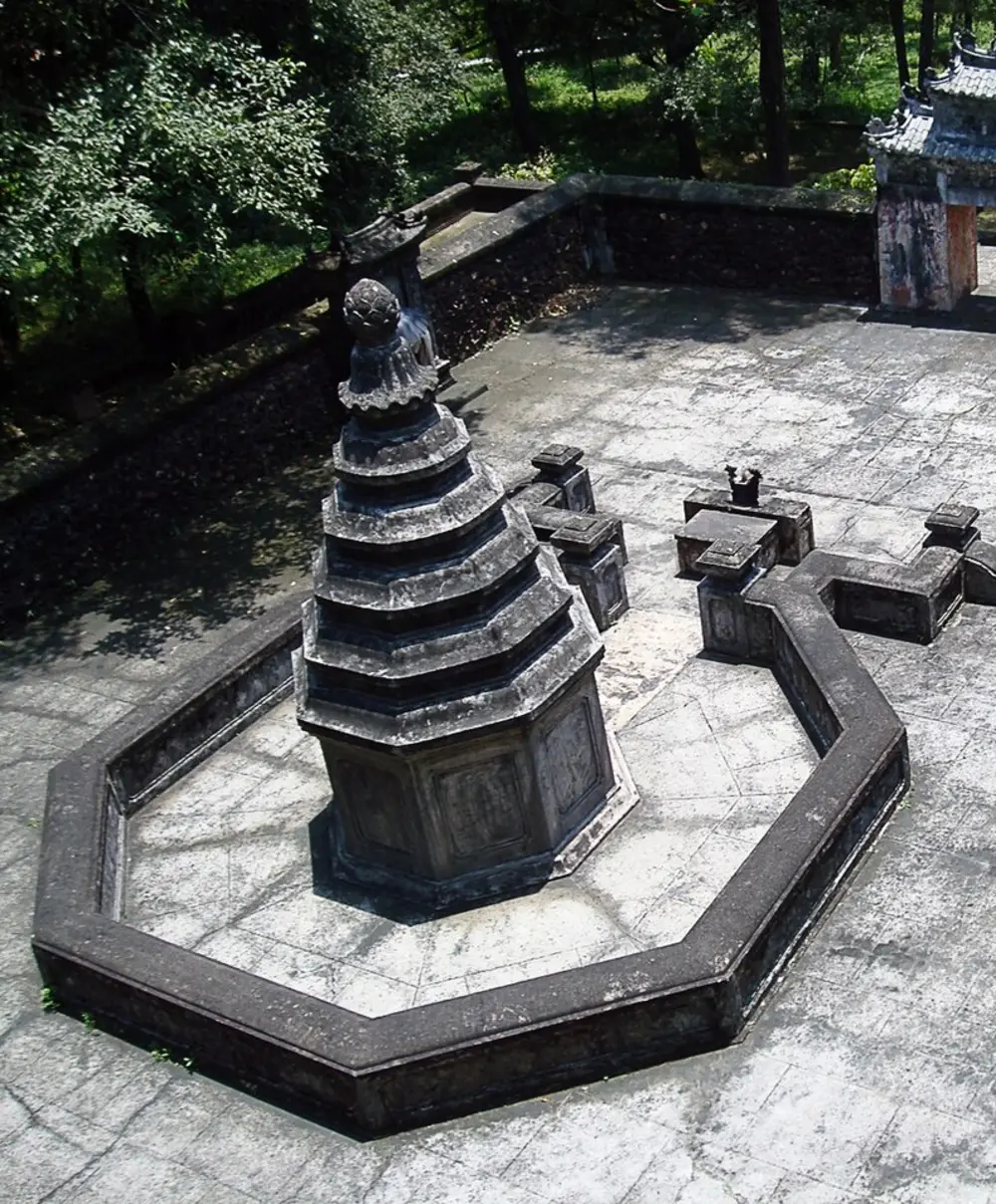
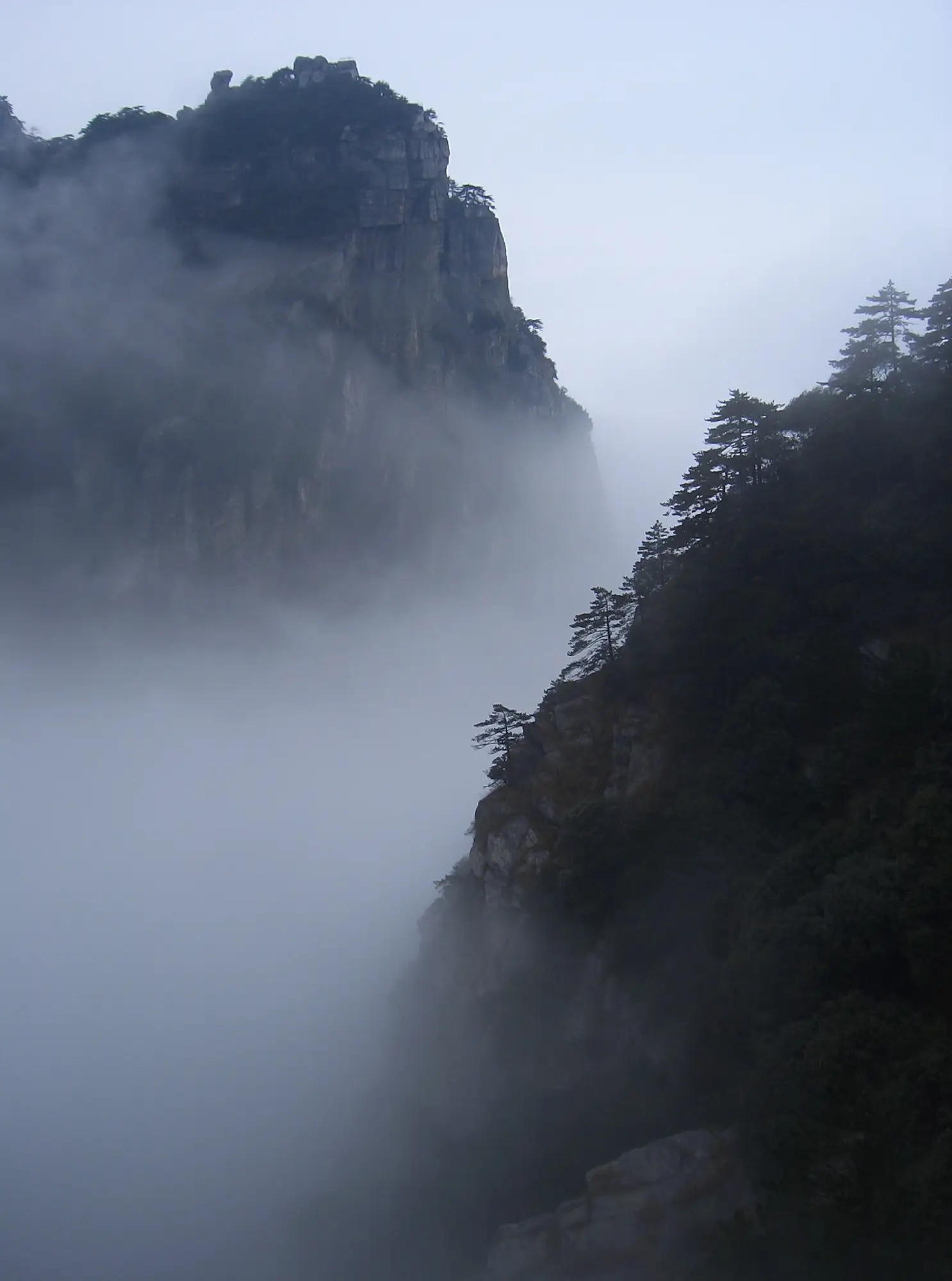
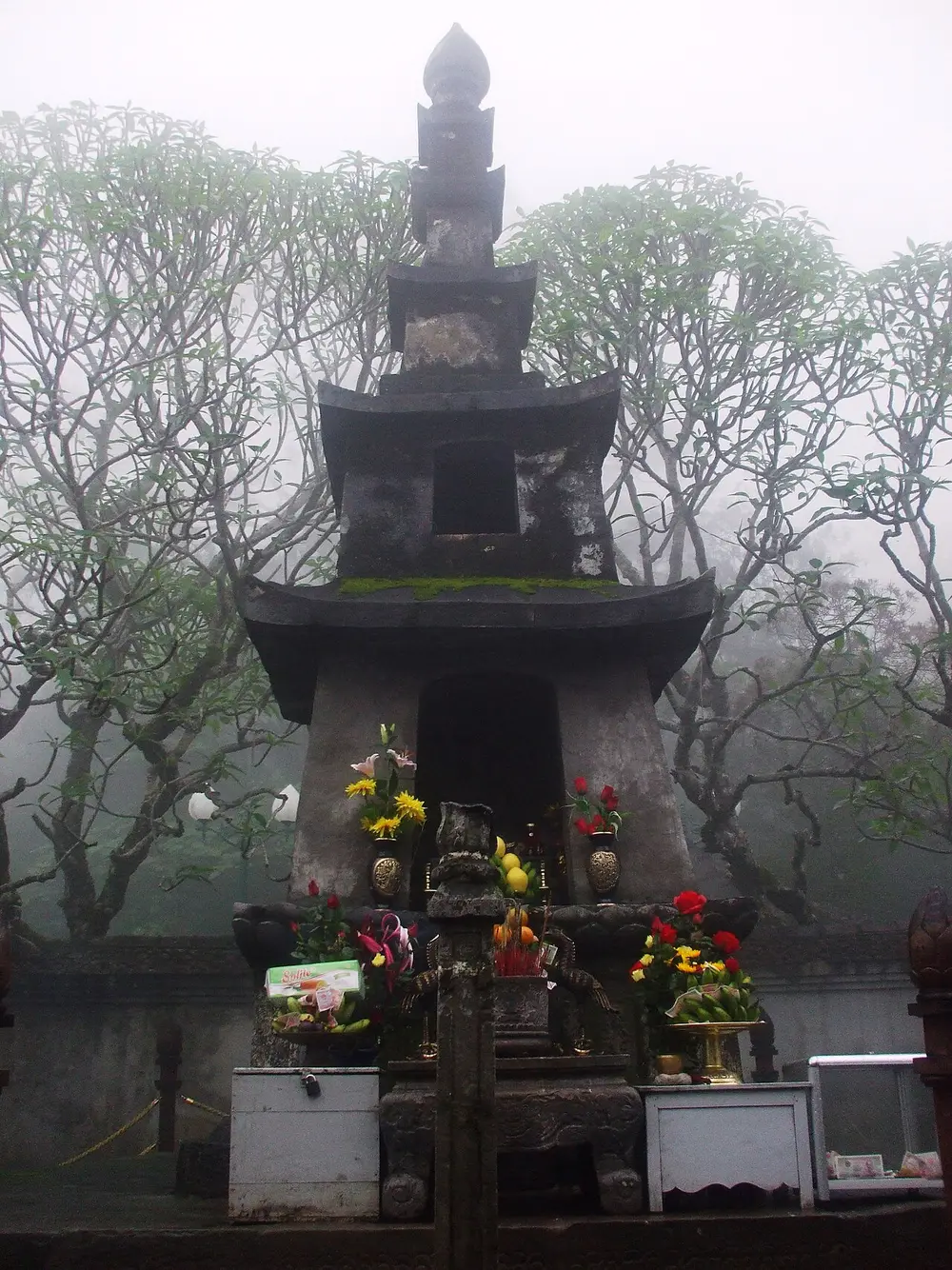
Huệ Quang tower in the mist on Yên Tử mountain
Teaching 02 · Movement

Eat, and sleep

His poem ends with four lines in Chinese. In Sino-Vietnamese the second reads: cơ tắc xan hề khốn tắc miên.

Live in the world and enjoy the way. Eat when hungry, rest when tired. No special place is needed.

From Cư trần lạc đạo phú, closing verse, tr. in The History of Buddhism in Vietnam, ed. Nguyen Tai Thu, CRVP, 2008

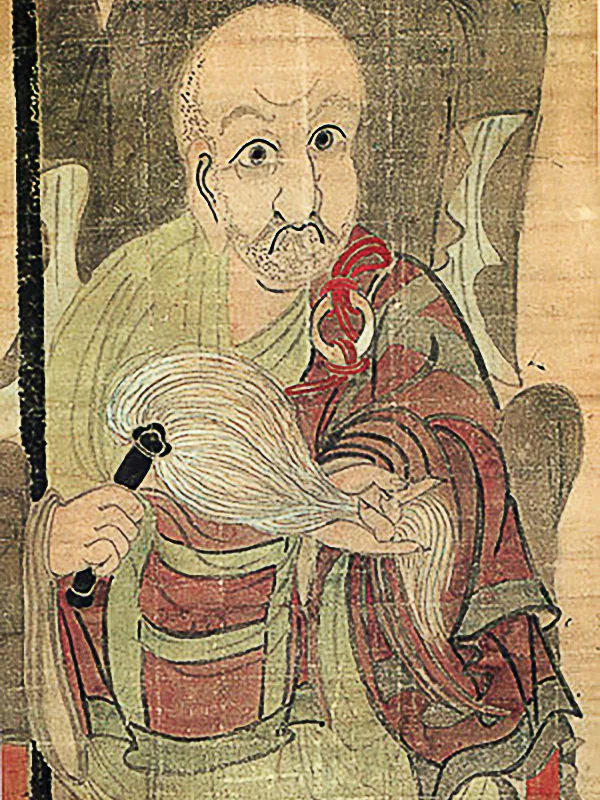
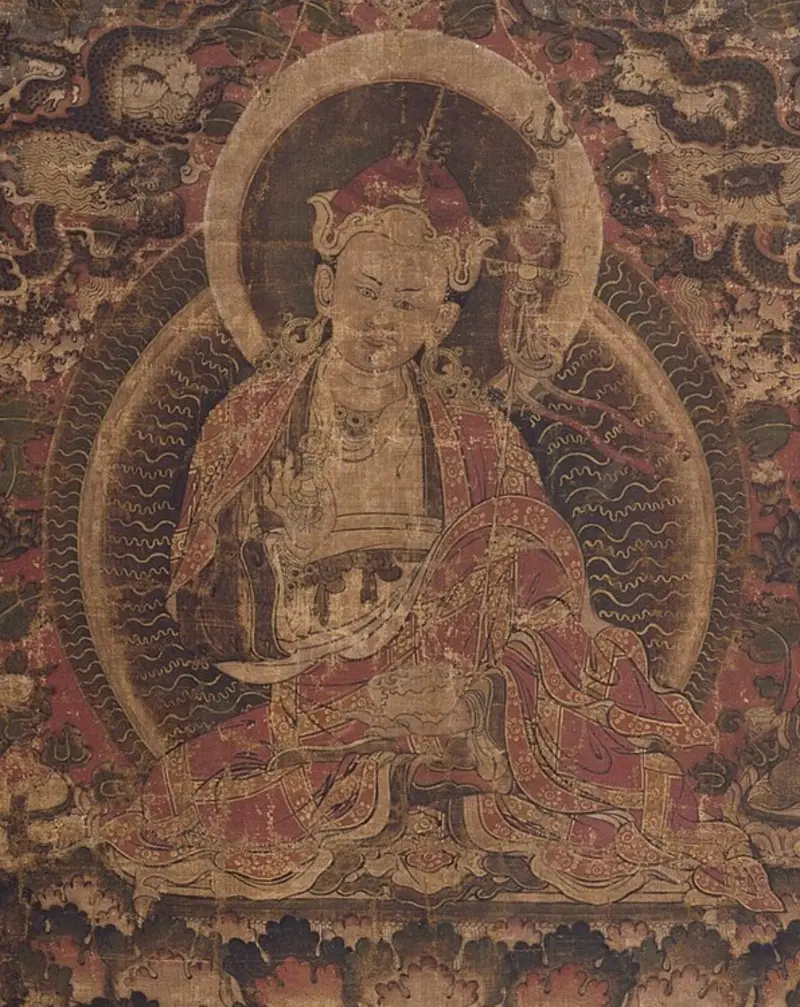
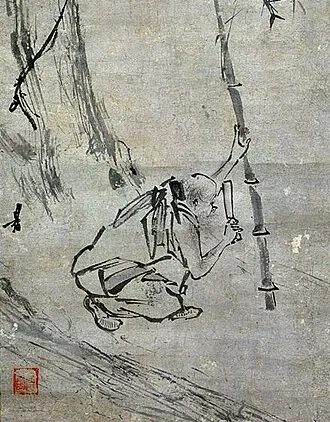
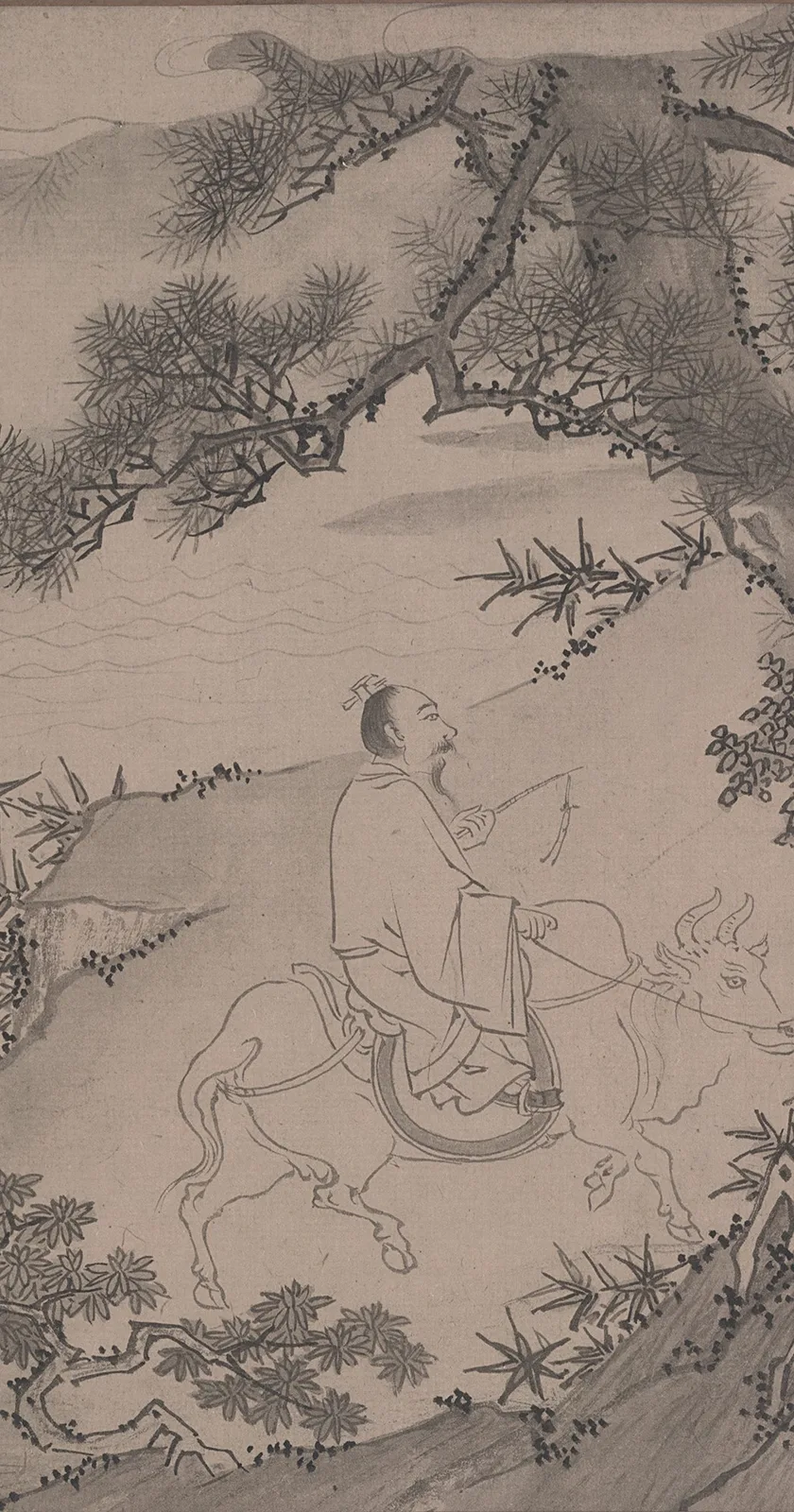
An old scroll painting of Trần Nhân Tông leaving the mountain
Teaching 03 · Stillness

Ten good deeds

After the throne, he did not stay on the mountain. He went from pagoda to pagoda to teach monks, and from village to village to teach everyone else.

He asked the people to keep the ten good deeds, the simple ethics of body, speech and mind, as the ground of daily life.

From The History of Buddhism in Vietnam, ed. Nguyen Tai Thu, CRVP, 2008, after the Tam Tổ Thực Lục

And two more
Teaching 04

Not searching

At the Kỳ Lân monastery in 1306 he told his students that the way cannot be found by going out to look for it. It is in the voice, the laugh and the walking feet of the one who asks.

From Kỳ Lân talk, 1306, tr. in The History of Buddhism in Vietnam, ed. Nguyen Tai Thu, CRVP, 2008

Teaching 05

One community

He trained his successor with care, and handed the school to Pháp Loa in front of the king and the court, so that the community would stay united after him.

From The History of Buddhism in Vietnam, ed. Nguyen Tai Thu, CRVP, 2008
In his last years he sat on the meditation mat and watched pink petals fall, at home with the spring.

Retold from a poem of his later years
For your week · Breath

This week, when you eat, only eat; when you rest, only rest. Let one ordinary act be the whole practice.

Where it happened
  • Thăng Long, today’s HanoiWhere he was born and ruled.
  • Yên Tử, Quảng NinhHis mountain from 1299, home of the Trúc Lâm school.
  • ChampaHis journey south in 1301.
  • Kỳ Lân monastery, Chí LinhHis talk of 1306 to his students.
  • Ngọa Vân hermitage, Yên TửWhere he died, in 1308.
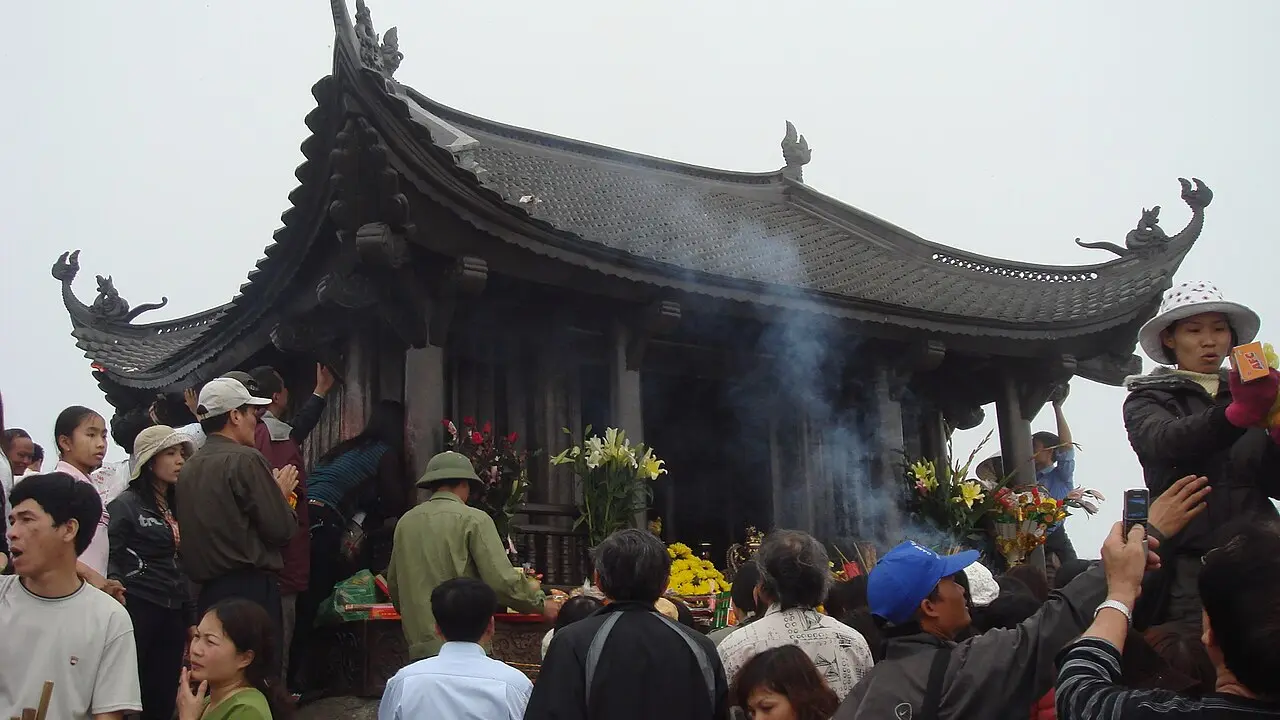
Pilgrims and incense at Chùa Đồng, the pagoda on the summit of Yên Tử
What remains

Every year pilgrims climb Yên Tử to the pagoda on its summit. Trúc Lâm, his school, was renewed in the twentieth century and now has monasteries across Vietnam and abroad.

Next teacher Liễu Quán Back to · Mười hai con giáp Vietnam