


Out of the reach of defilements
Noting is not a technique for its own sake. It takes the mind out of the habits that cause suffering.
From Mahasi Sayadaw, Satipatthana Vipassana, Buddhist Publication Society Wheel 370/371, 1990 (Access to Insight)
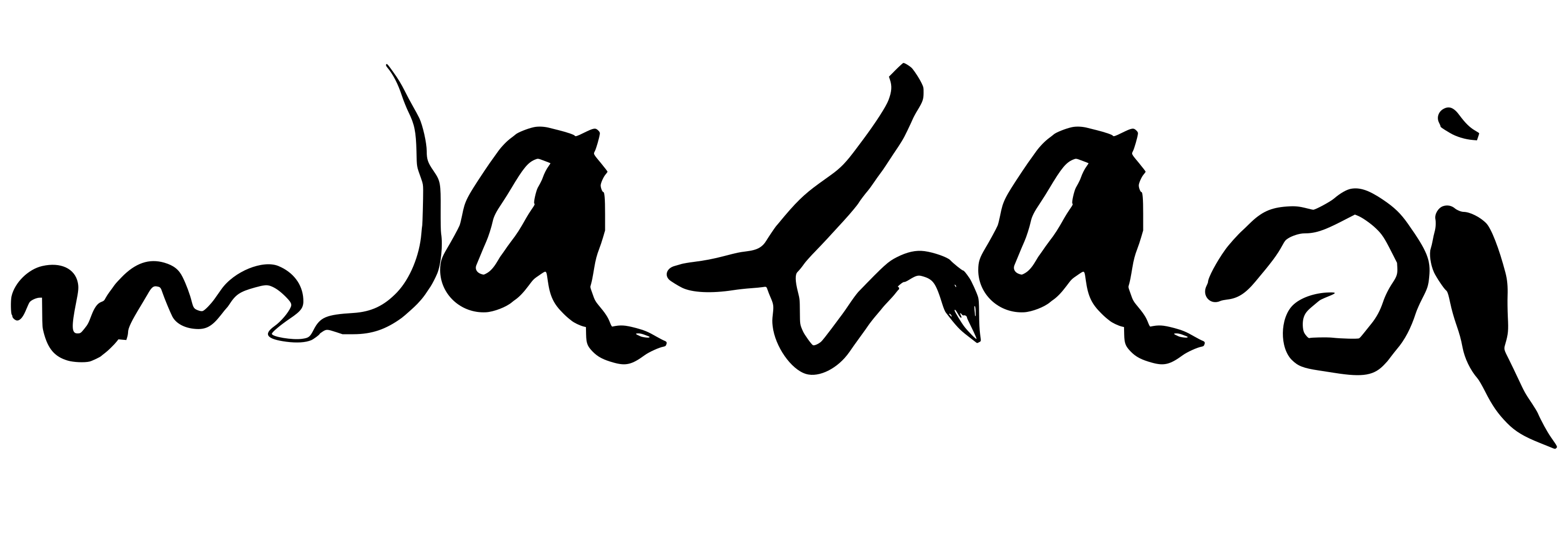
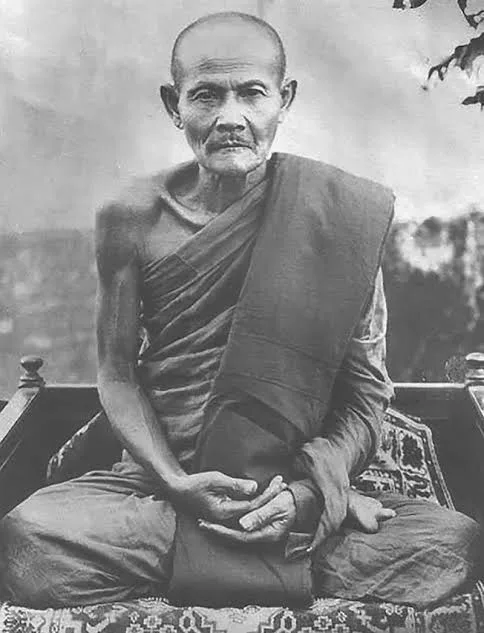
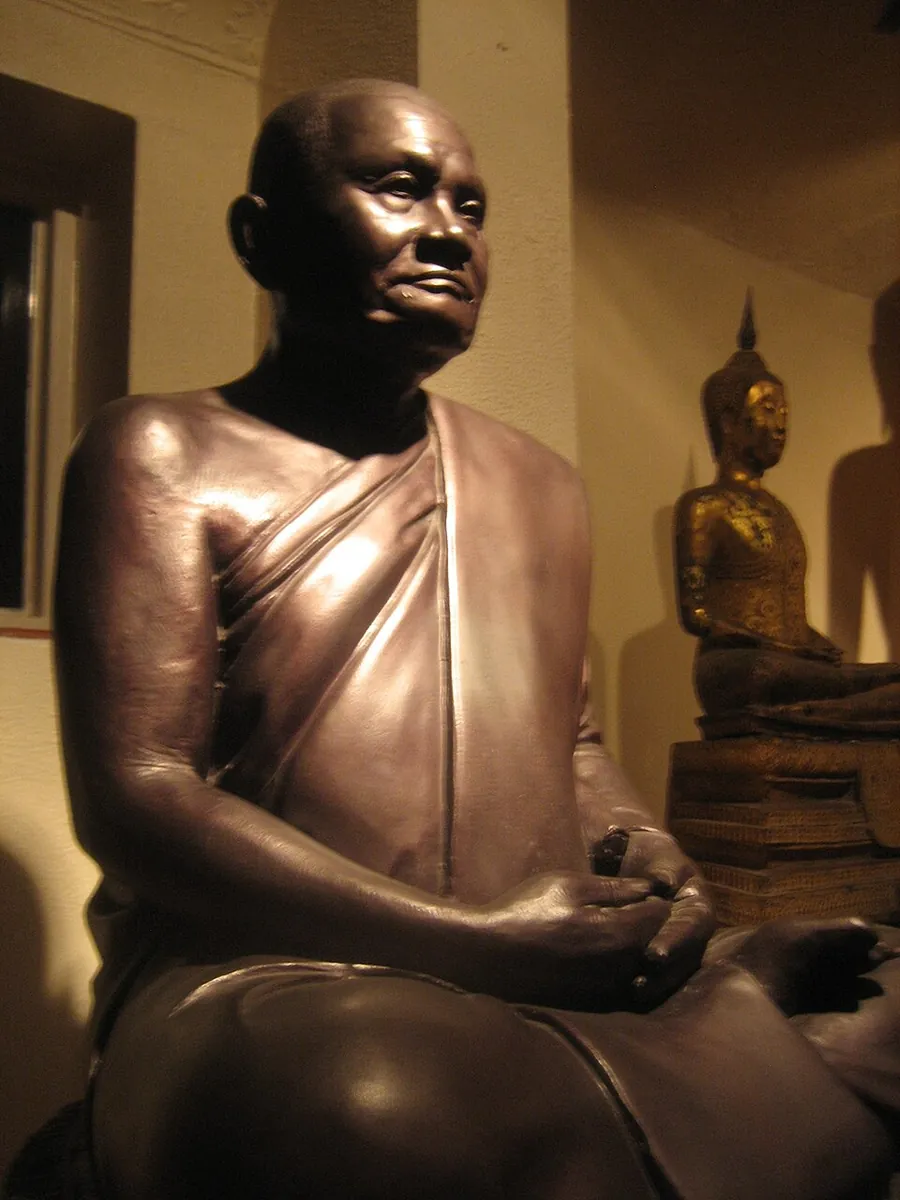
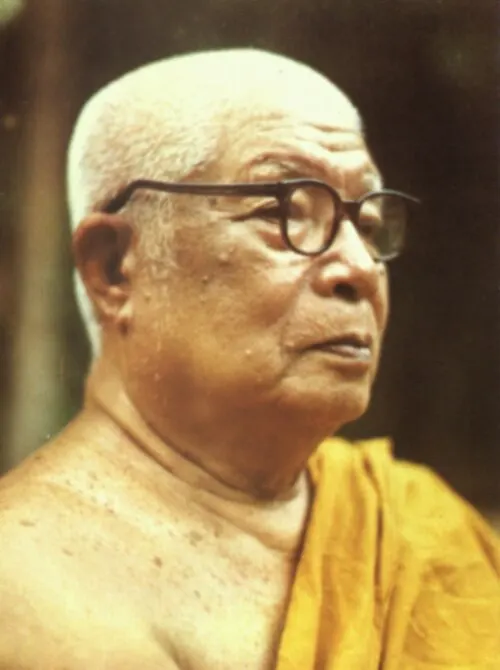
မဟာစည်ဆရာတော် Sobhana · U Sobhana Mahāthera · 1904–1982
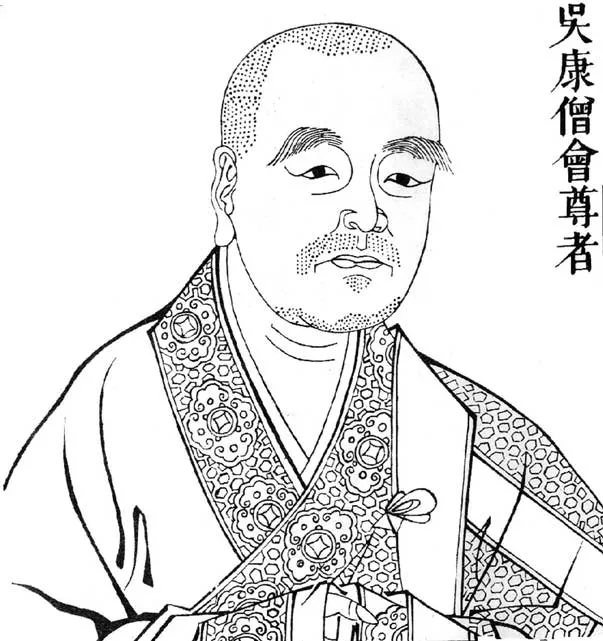
A scholar monk who left his classroom to learn meditation, and taught the world to notice rising, falling.
Theravada · Mahasi insight meditation

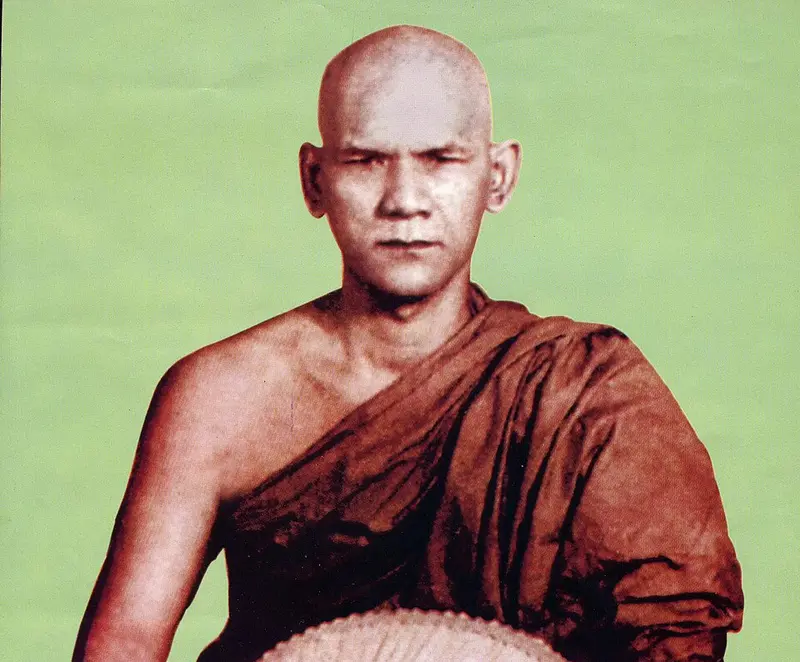
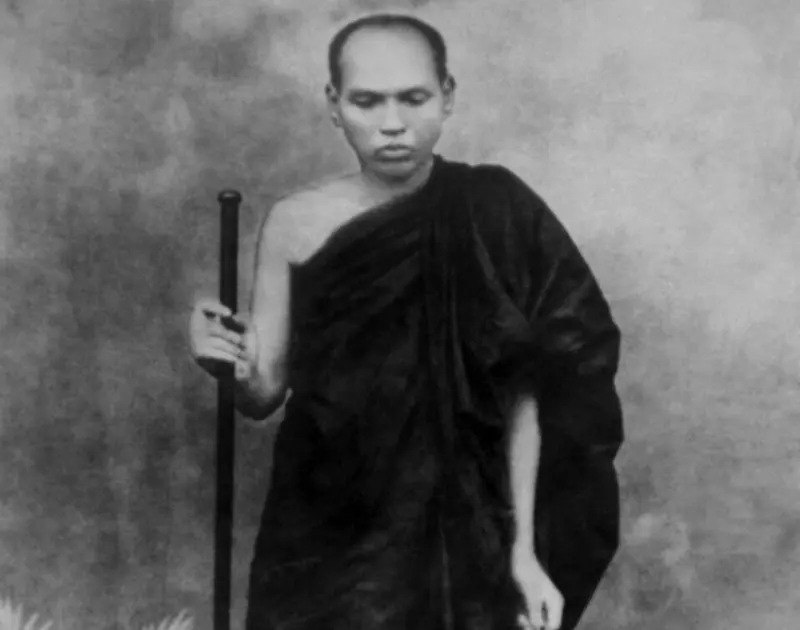
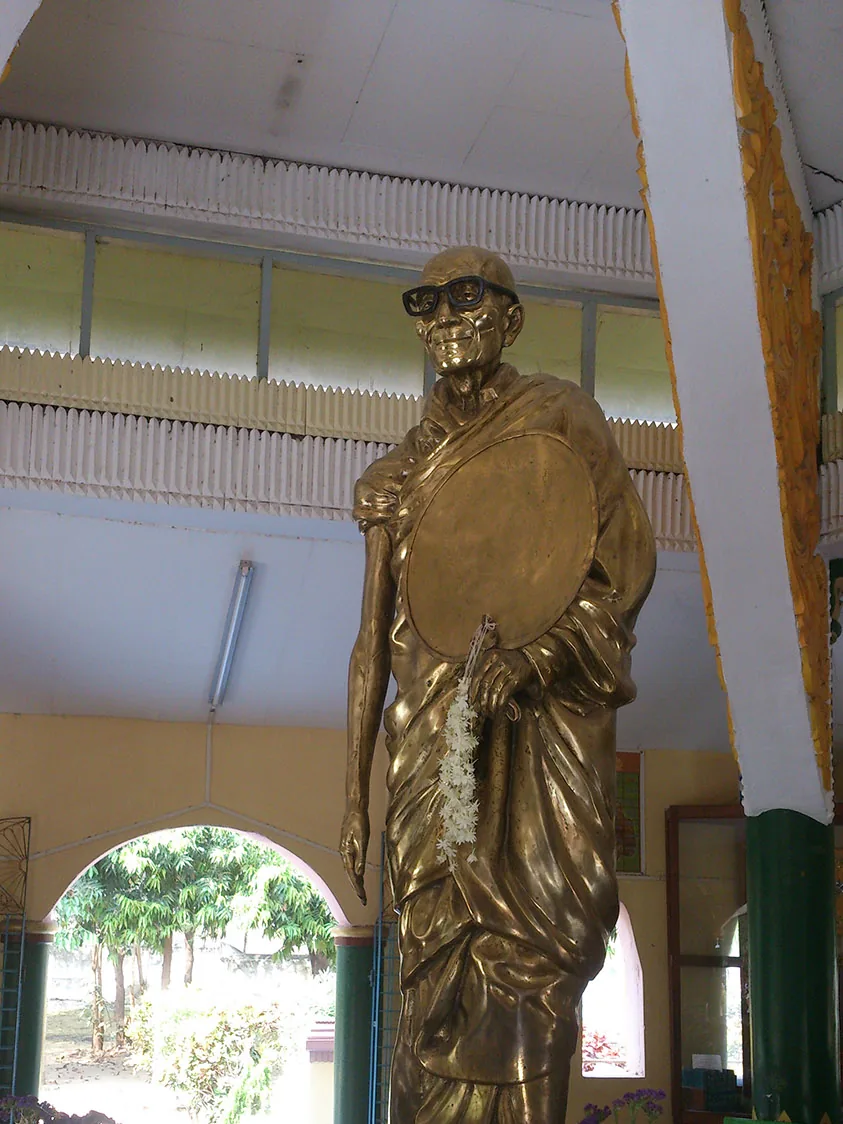
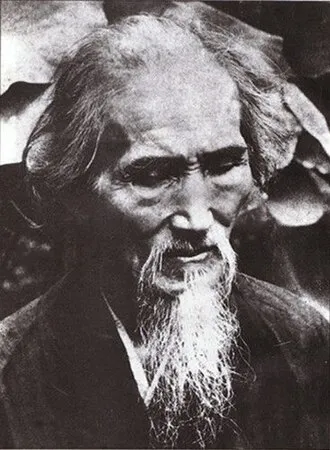
Mahāsi Sayadaw (1904–1982) was a Burmese Theravāda monk and one of the most influential meditation teachers of modern times. He taught insight meditation through precise noting of experience, beginning with the rising and falling of the abdomen, at his centre in Yangon from 1949, and was the questioner at the Sixth Buddhist Council.


His noting method gives a beginner one clear instruction: know each movement of the body and mind as it happens, and name it.

From his centre in Yangon, more than a hundred branch centres grew in Burma, and his method spread to countries in the East and the West.

He held Burma’s highest scholastic title, and at the Sixth Buddhist Council of 1954 to 1956 he asked the questions on the texts, the role Mahākassapa held at the first council.

From a village near Shwebo to the meditation hall on Hermitage Road in Yangon. Scroll, and walk it with him.
Born in Seikkhun, near the town of Shwebo in Upper Burma. He becomes a novice at twelve.
Receives full ordination at twenty, with the name Sobhana, and is soon known as a scholar of the scriptures.
By his fifth year as a monk he teaches the scriptures in a monastery in Moulmein.
Leaves teaching to look for a clear method of meditation, and trains intensively under the master U Nārada, the Mingun Jetawun Sayadaw.
Returns to his home village and teaches insight meditation to monks and lay people. He becomes known by the name of his monastery there, Mahāsi.
At the request of the prime minister, U Nu, he comes to Yangon. On 4 December the meditation centre on Hermitage Road opens with fifteen students.
Serves as questioner at the Sixth Buddhist Council in Yangon, which runs until 1956.
Dies in Yangon, after teaching at his centre for more than thirty years.


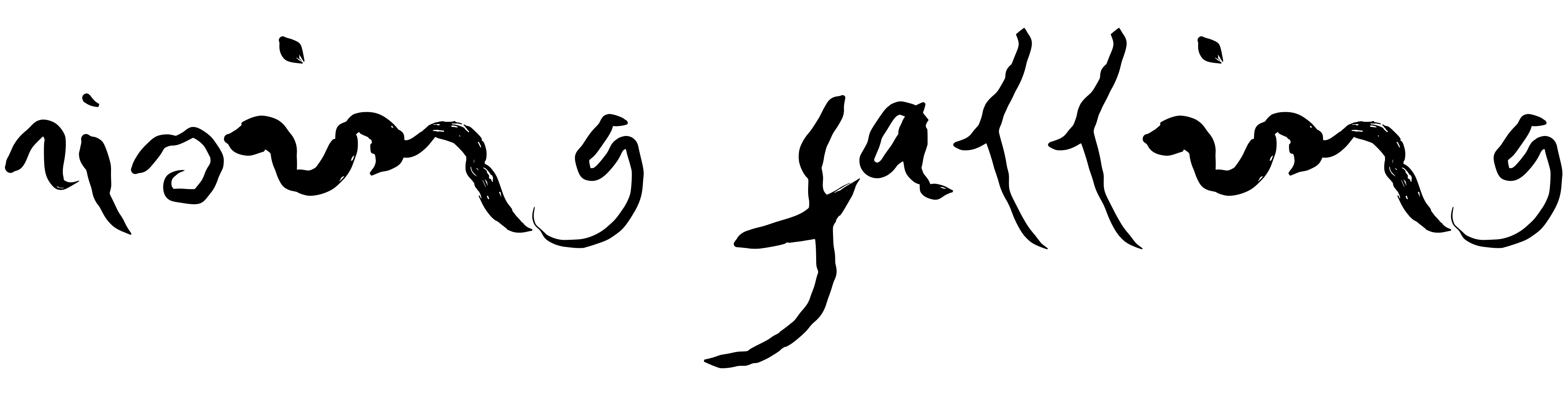
With every breath the abdomen rises and falls. Put the attention there and note each movement: rising, falling.
The movement is coarse and easy to feel, which makes it a good first object for a beginner.
From Mahasi Sayadaw, Satipatthana Vipassana, Buddhist Publication Society Wheel 370/371, 1990 (Access to Insight)
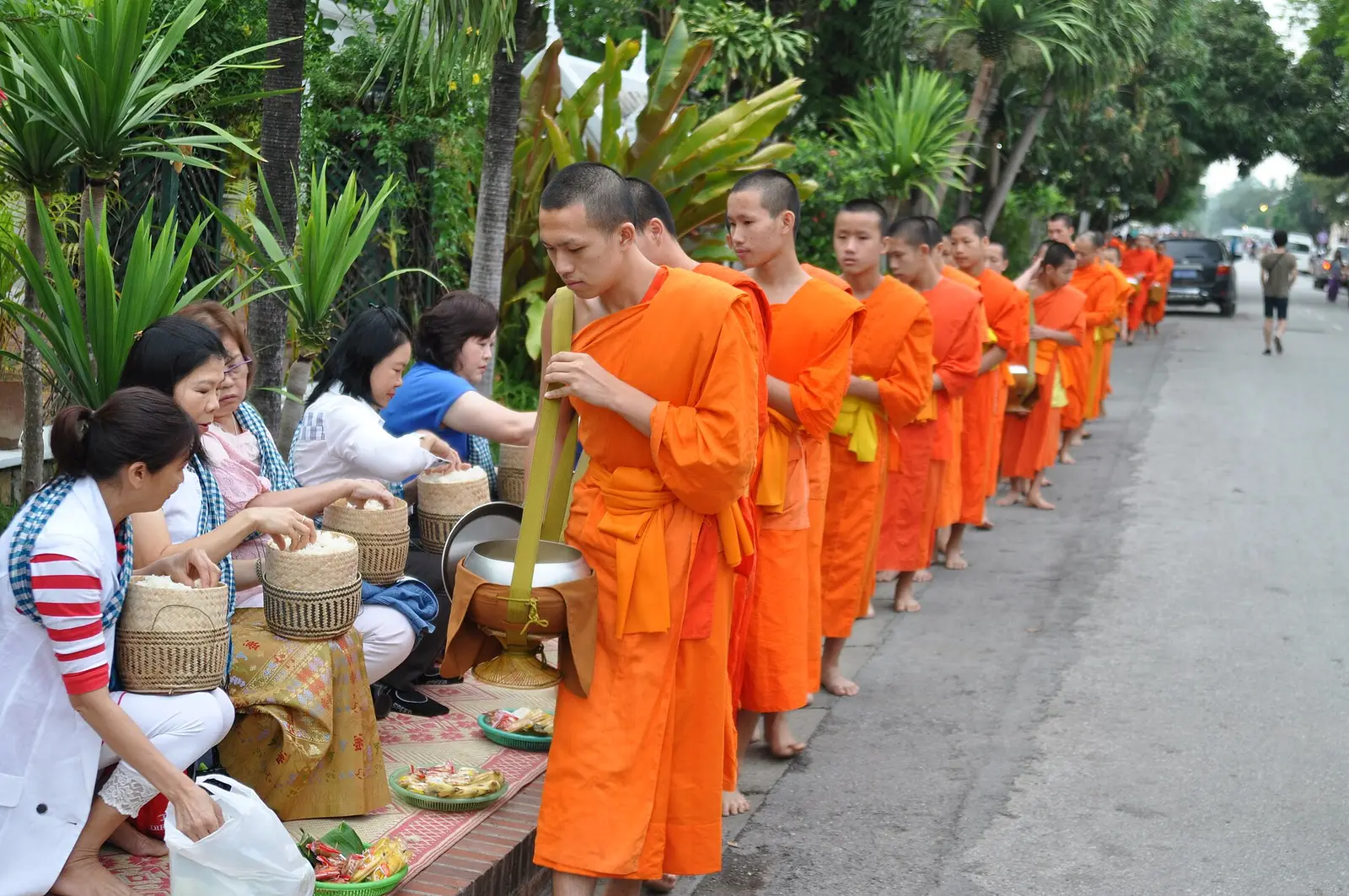
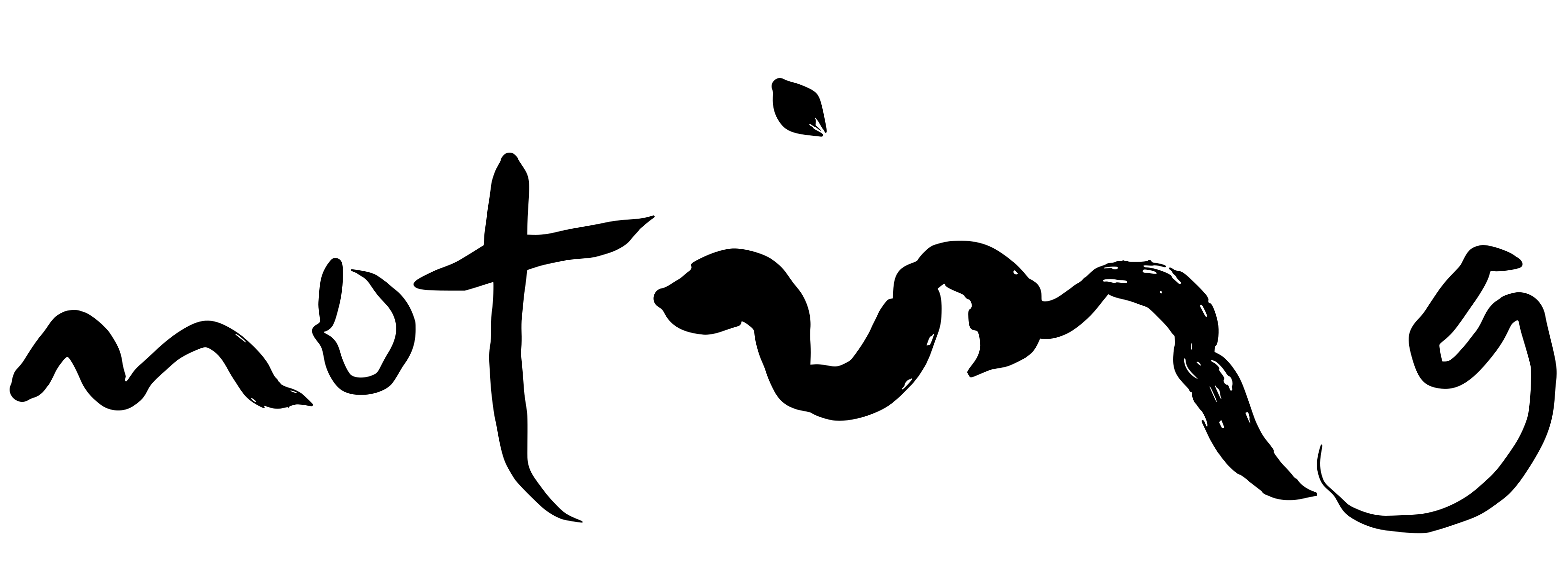
Whatever else becomes clear, seeing, hearing, touching, bending, is noted too, as it happens.
Noted closely, everything shows itself arising and passing away.
From Mahasi Sayadaw, Satipatthana Vipassana, Buddhist Publication Society Wheel 370/371, 1990 (Access to Insight)


In 1949 he began daily training at the new centre in Yangon. Every group of arrivals heard the same discourse on how to practise.
When his voice tired, the talk was recorded on tape in 1951, and it became the book of his method.
From Mahasi Sayadaw, Satipatthana Vipassana, Buddhist Publication Society Wheel 370/371, 1990 (Access to Insight)
Noting is not a technique for its own sake. It takes the mind out of the habits that cause suffering.
From Mahasi Sayadaw, Satipatthana Vipassana, Buddhist Publication Society Wheel 370/371, 1990 (Access to Insight)
When nothing else is prominent, return to the abdomen and keep noting.
From Mahasi Sayadaw, Satipatthana Vipassana, Buddhist Publication Society Wheel 370/371, 1990 (Access to Insight)
Each rising of the belly and the mind that knows it should meet, every single time.

Before you train, put a hand on your belly for ten breaths and note silently: rising, falling.
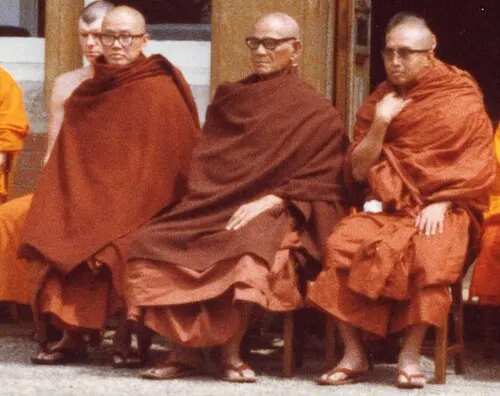
His centre in Yangon still trains meditators, and his students, among them Chanmyay Sayadaw and Sayadaw U Paṇḍita, carried the noting method to Asia, Europe and America.