
Not learning meditation
Zazen is not a technique for reaching something else. It is already peace.
From Fukanzazengi, tr. Norman Waddell and Abe Masao, The Eastern Buddhist 6.2, 1973

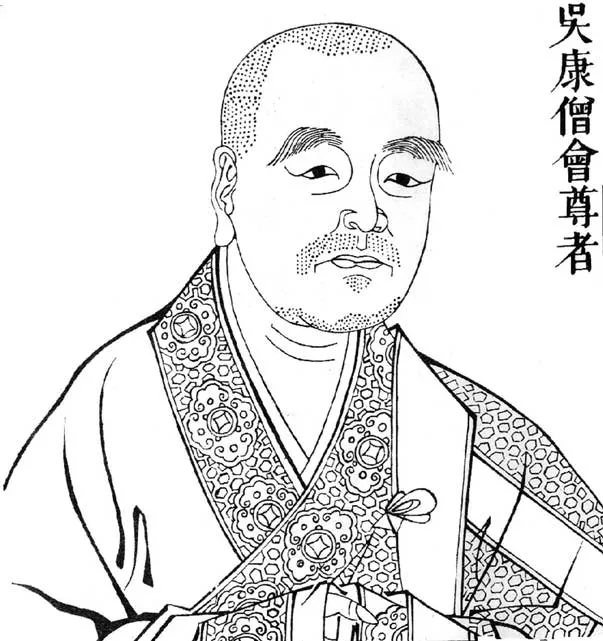
道元 Dōgen Kigen · Eihei Dōgen · 1200–1253
An orphan with one question: if we are already awake, why practise? He crossed the sea to find the answer.
Soto Zen
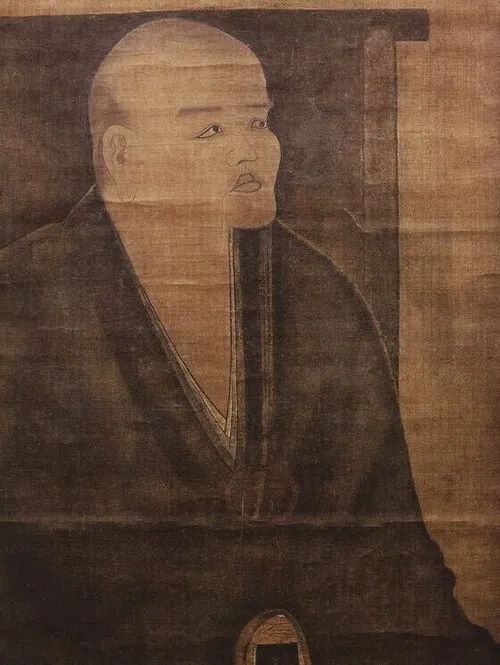
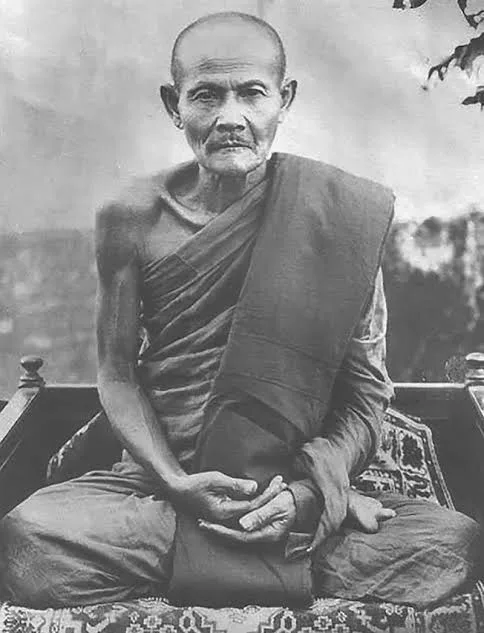
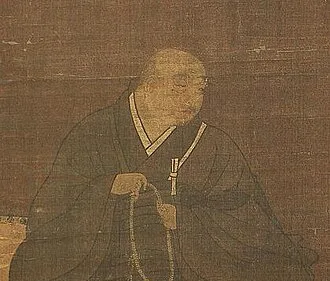
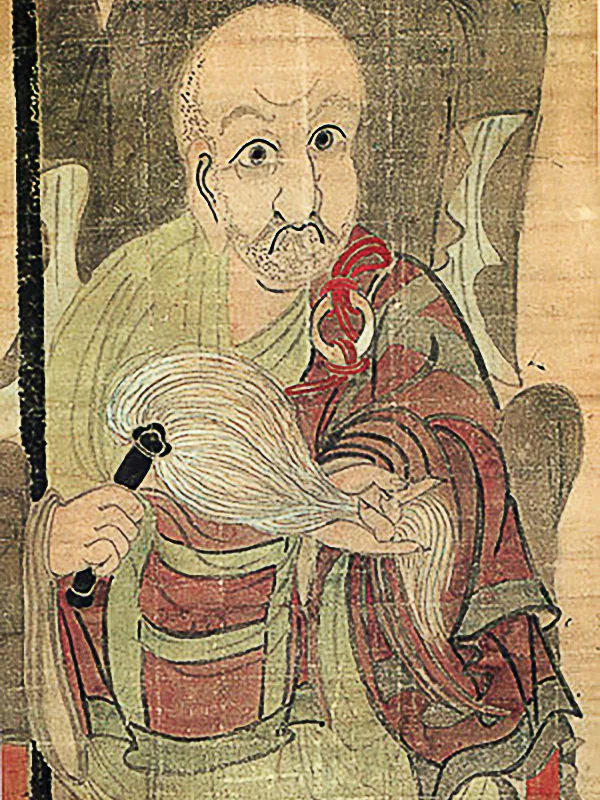
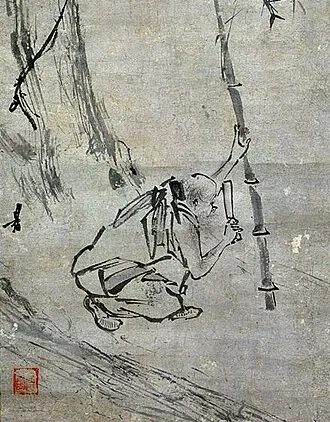
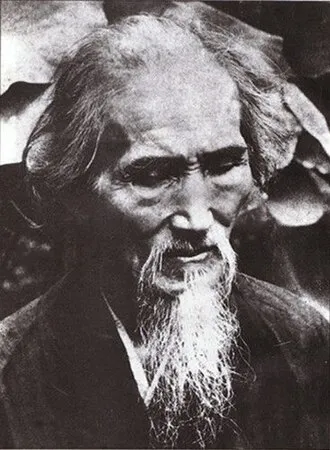
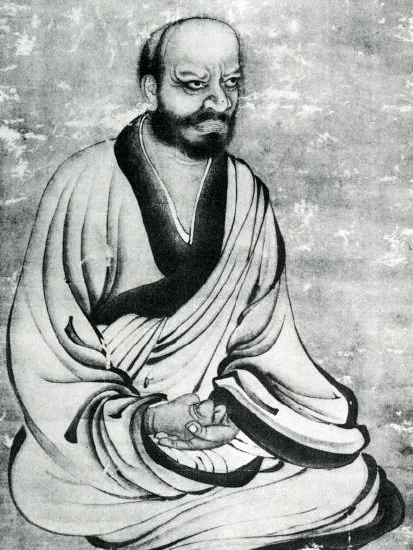
Dōgen (1200–1253) was the Japanese monk who founded Sōtō Zen. After studying on Mount Hiei he went to China, where the master Rujing confirmed his awakening. Back in Japan he taught that sitting in zazen is not a means to enlightenment but enlightenment itself, and founded Eihei-ji.


He brought the Caodong line of Chinese Chan to Japan, and Eihei-ji, the monastery he founded, is still one of the two head temples of Sōtō Zen.
He taught that practice and realisation are one. You do not sit to become a buddha; sitting is how a buddha lives.

His Shōbōgenzō, written in Japanese rather than Chinese, is often called the deepest work of philosophy in Japanese history.
From Kyoto to Tiantong in China and to the deep mountains of Echizen. Scroll, and walk it with him.
Born into an aristocratic family in Kyoto. By the age of seven or eight he has lost both his father and his mother.
Becomes a Tendai monk and asks a question no one can answer for him: if all beings already have the Buddha nature, why practise at all?
Studies Zen in Kyoto with Myōzen, a disciple of Eisai.
Sails to China with Myōzen. Disappointed by the monks he meets, he is about to go home when he finds the master Rujing at Mount Tiantong.
Under Rujing’s strict training he experiences the casting off of body and mind, and Rujing confirms it.
Returns to Japan and writes the Fukanzazengi, a short guide to zazen for everyone.
Opens Kōshō-ji near Kyoto, his first monastery, and keeps writing the Shōbōgenzō.
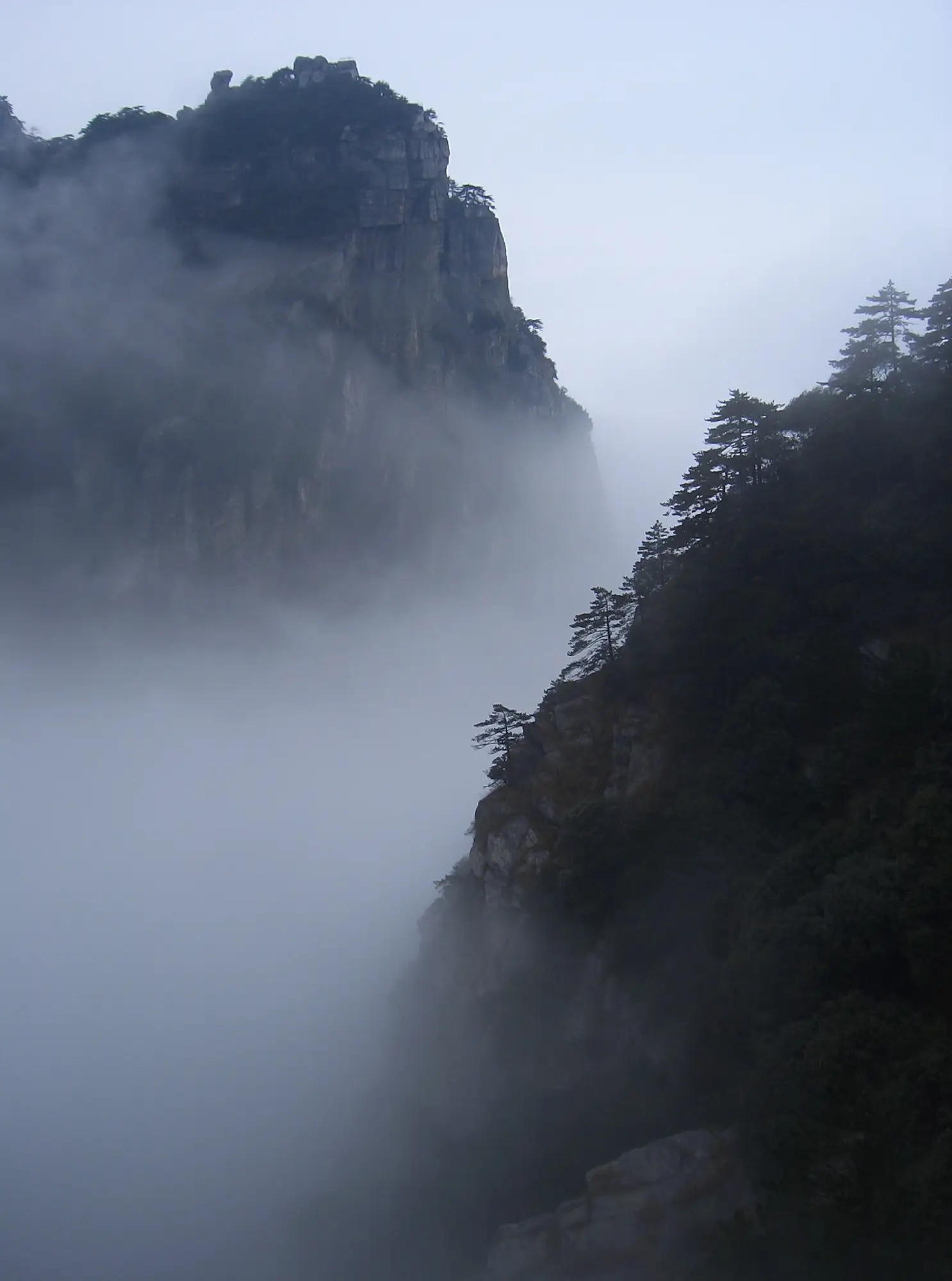
Moves to the remote mountains of Echizen, today Fukui, where the monastery later named Eihei-ji is built.
Falls ill and returns to Kyoto for treatment, where he dies.

Sit quietly, upright, and let thoughts come and go. Do not try to think good or bad, and do not try to stop thinking either.
What remains he called nonthinking, and he said it is the whole art.
From Fukanzazengi, tr. Norman Waddell and Abe Masao, The Eastern Buddhist 6.2, 1973

In China, under Rujing, he found what he had been looking for: a release from clinging to body and mind that comes in the sitting itself.
He promised it to anyone who sits, monk or not.
From Fukanzazengi, tr. Norman Waddell and Abe Masao, The Eastern Buddhist 6.2, 1973

His question as a boy was why practise if we are already awake. His answer as a teacher: practice is not the road to awakening. It is awakening, here, in this moment.
So practice has no finishing line, and every day of it is complete.
From Shōbōgenzō, as quoted in Dōgen (1200–1253), Encyclopedia of Philosophy (Encyclopedia.com)
Zazen is not a technique for reaching something else. It is already peace.
From Fukanzazengi, tr. Norman Waddell and Abe Masao, The Eastern Buddhist 6.2, 1973
For Dōgen, time is not a line that things move along. Each being is its own time, each moment complete in itself. He called it uji, being-time.
From Dōgen (1200–1253), Encyclopedia of Philosophy (Encyclopedia.com)
On his last road to Kyoto he saw his frail body as a blade of grass, wandering in the mountain mist.

Sit for ten minutes this week and do one thing only: sit. No counting, no goal. When you notice a thought, let it go by.
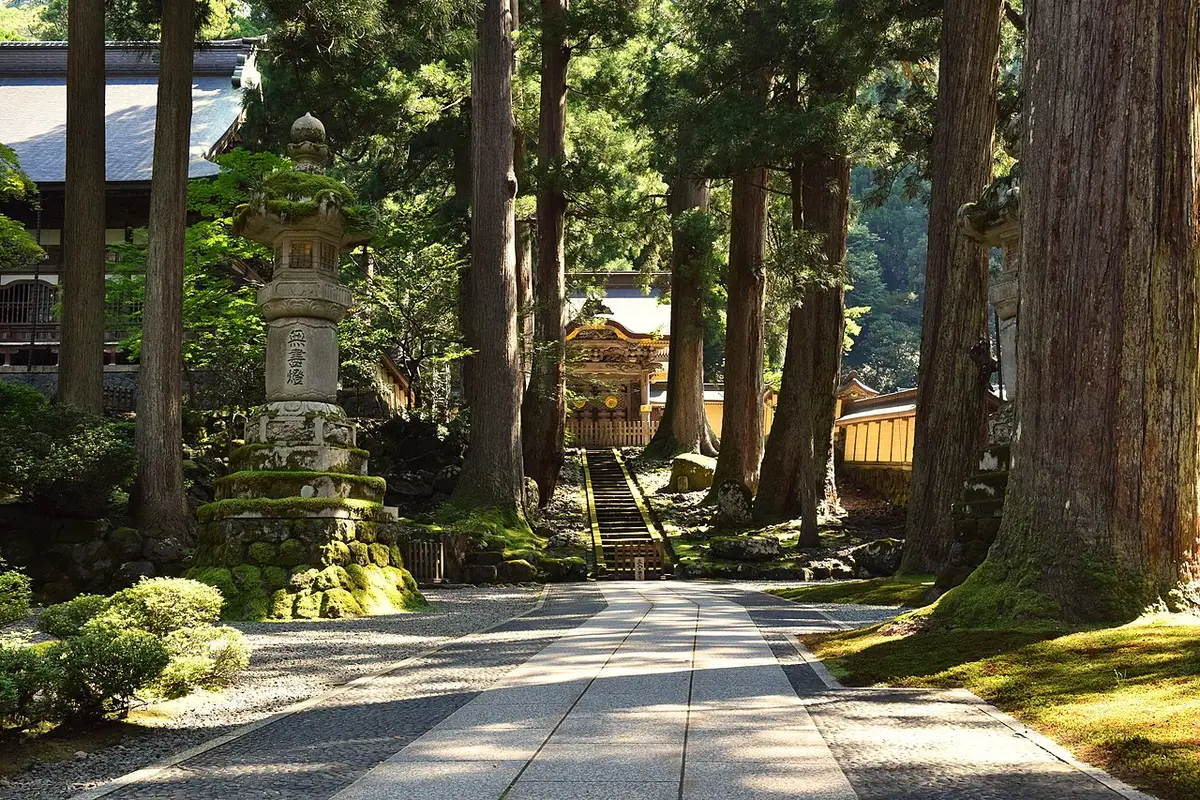
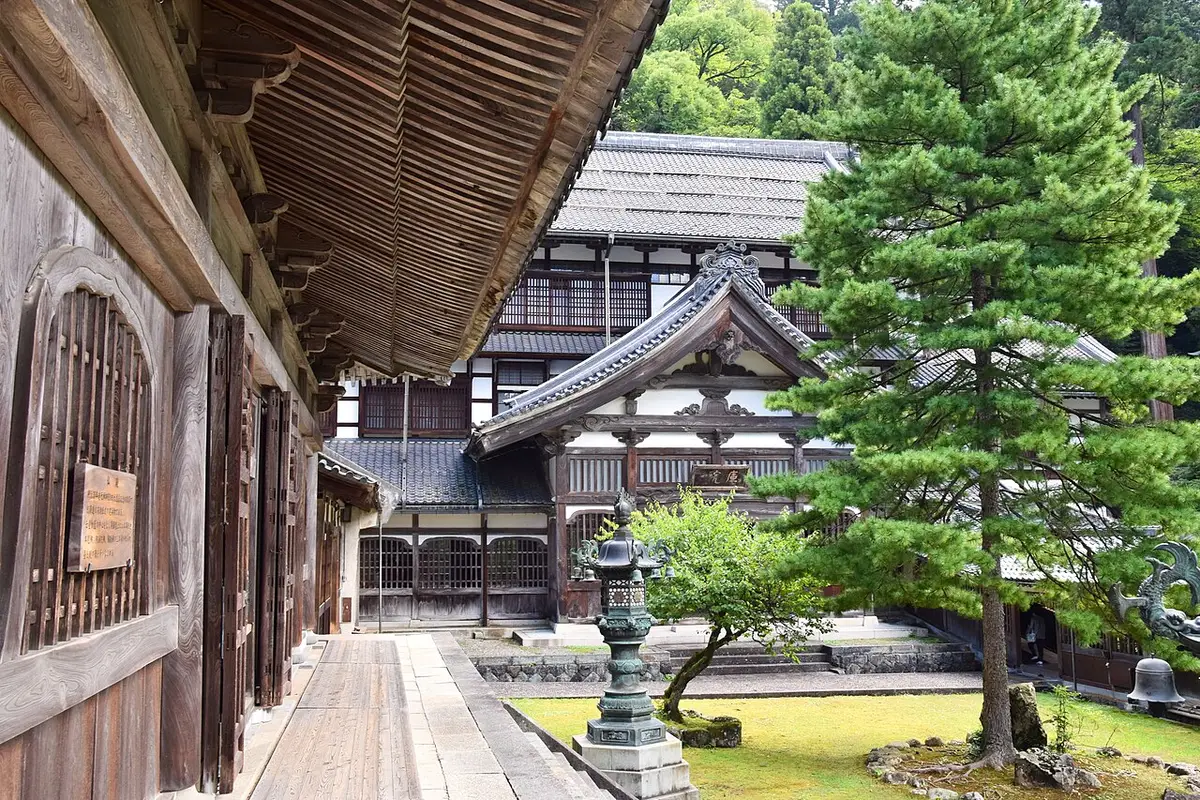
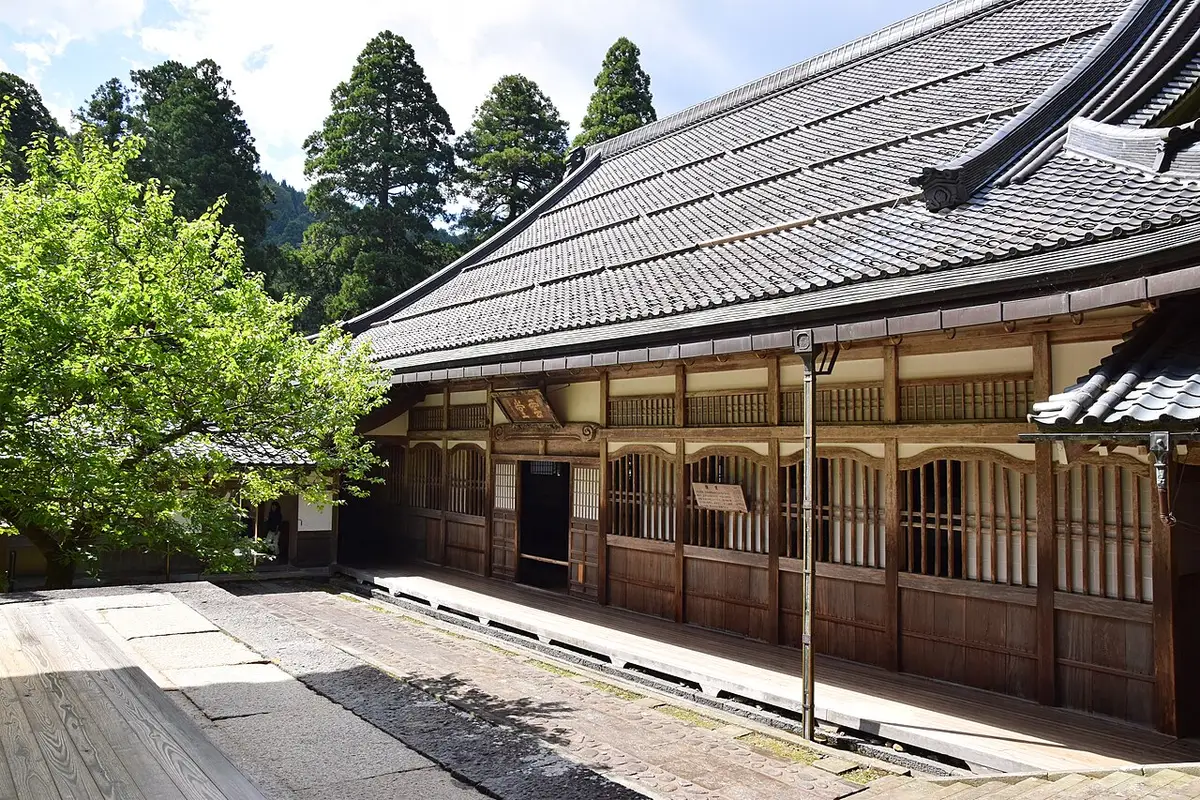
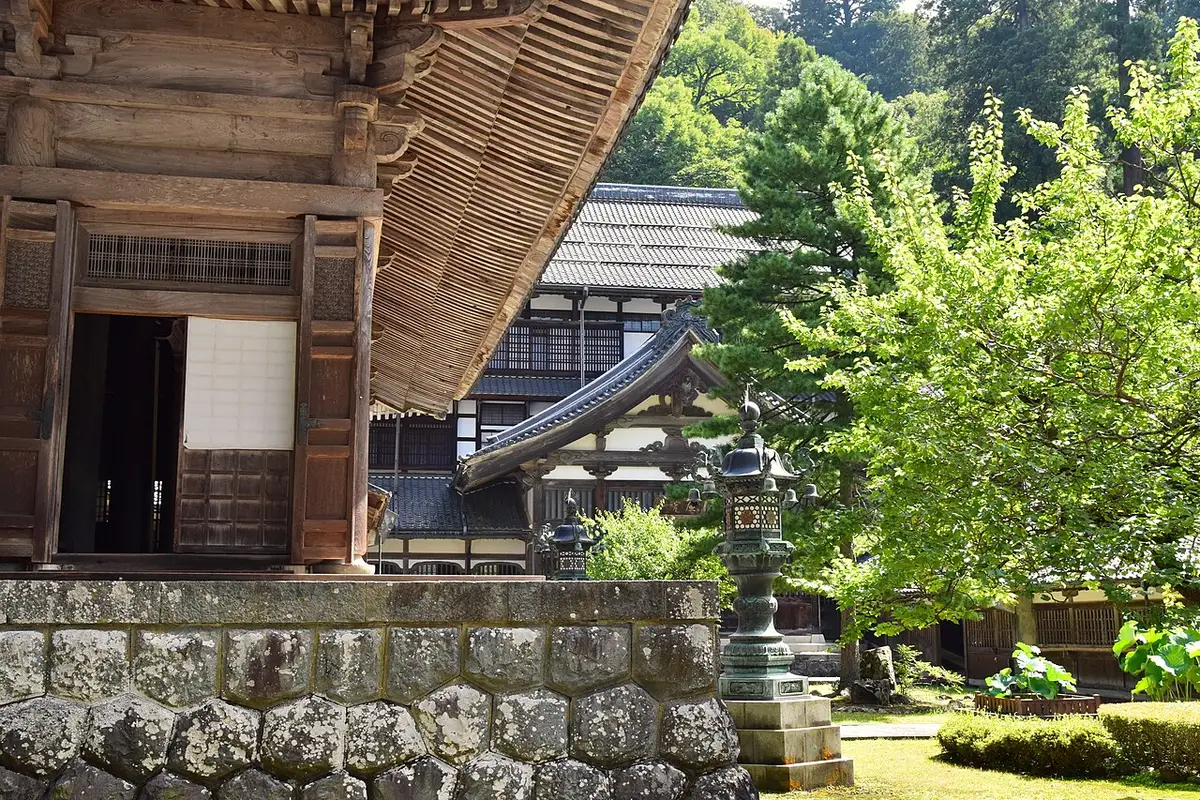
Eihei-ji, among its old cedars in the mountains of Fukui, still trains Sōtō monks, and zazen as he taught it is practised in Zen centres all over the world.